# AI Articoli collegati

Il Centro Notizie HTX fornisce gli articoli più recenti e le analisi più approfondite su "AI", coprendo tendenze di mercato, aggiornamenti sui progetti, sviluppi tecnologici e politiche normative nel settore crypto.


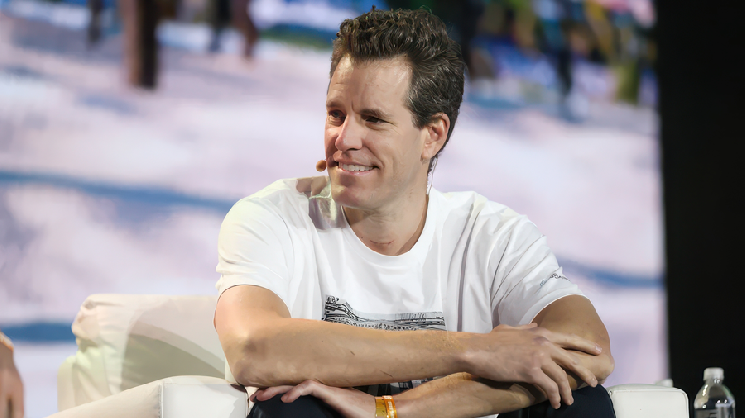
Dialogue with a16z Co-founder: The Physical Laws of the Old World Are Dead, Crypto Becomes Key Infrastructure for AI

At a16z Fintech Connect, Ben Horowitz discusses how AI revolution is fundamentally rewriting the rules of software competition. He argues that traditional moats like data lock-in and UI familiarity are vanishing, as AI can easily replicate code, transfer data, and interact flexibly with software. CEOs of legacy companies must recognize these shifts and pivot towards delivering unique value beyond outdated advantages. Horowitz highlights that while some businesses face obsolescence, others with complex, entrenched operational networks (like travel platforms) may retain relevance. The conversation also covers critical infrastructure bottlenecks in the AI boom—from GPU shortages and power constraints to supply chain issues—emphasizing the need for massive investment in physical and digital infrastructure. Horowitz strongly links AI and blockchain, arguing that crypto is essential for solving AI-generated problems: identity verification, content authenticity, fraud prevention, universal basic income distribution, and enabling AI economic agency. Looking ahead, he speculates on VC’s evolving role—whether it scales up alongside mega-companies or adapts to a decentralized compute landscape—and strikes an optimistic note on AI’s long-term impact, foreseeing unprecedented improvements in global living standards despite transitional disruption.

marsbit12 h fa

Dialogue with a16z Co-founder: The Physical Laws of the Old World Are Dead, Crypto Becomes Key Infrastructure for AI

marsbit12 h fa

The Other Side of the Stock Market Rally: Energy Restructuring, Bitcoin Squeeze, and Market Mismatch

The article examines the complex and seemingly contradictory signals in global markets, where rising equities, falling oil prices, and cooling inflation expectations coexist with unresolved structural tensions. In digital assets, a major corporate strategy added nearly $1 billion in Bitcoin, increasing its holdings significantly, while Bitcoin's price action is seen as less important than the persistent negative funding rates, indicating a crowded short position that could lead to a sharp upward repricing. The global oil trade is rapidly rewiring, with the U.S. Gulf Coast becoming a key supplier to Europe and Asia amid Middle East disruptions. However, the article warns that such supply shocks can lead to permanent demand destruction as consumers and governments adapt. U.S. equities rose on optimism over potential geopolitical de-escalation and softer PPI data, led by tech stocks like NVIDIA. Meanwhile, the U.S. Federal Reserve maintains a wait-and-see stance on rates. Geopolitically, U.S.-Iran negotiations are ongoing alongside a maritime blockade, which has disrupted energy infrastructure and supply chains. Finally, the push for supply chain reshoring, particularly in critical minerals and defense, is accelerating but faces significant execution challenges related to permitting, financing, and labor, moving the issue from cost to one of strategic necessity.

marsbit12 h fa

The Other Side of the Stock Market Rally: Energy Restructuring, Bitcoin Squeeze, and Market Mismatch

marsbit12 h fa

From "Silicon Valley's Sacred Shoes" to "GPU Computing Power": The Absurdity and Logic Behind Allbirds Renaming to NewBird AI

From "Silicon Valley's Favorite Shoe" to "GPU Computing Power": The Absurdity and Logic Behind Allbirds' Rebranding to NewBird AI On April 15, Allbirds, the maker of merino wool running shoes, announced a radical pivot from footwear to AI compute, rebranding as "NewBird AI." The move triggered a 582% surge in its stock price the same day. This followed the sale of its shoe business for $39 million—a fraction of its $4 billion IPO valuation in 2021. Allbirds rose to fame in 2016 with its comfortable, eco-friendly minimalist shoes, becoming a status symbol in tech circles. But after rapid expansion and failed attempts to attract Gen Z, revenue declined, losses mounted, and its value plummeted. By early 2026, all its U.S. stores had closed. Now, under CEO Joe Vernachio, the company is attempting a reboot. It secured $50 million in convertible notes from an undisclosed investor to purchase high-performance GPUs and offer "GPU-as-a-service" to AI developers. The company cites real market shortages in compute capacity, but questions remain about how a $50 million entry can compete in a capital-intensive industry dominated by giants like NVIDIA and CoreWeave. The move echoes past market frenzies, such as Long Island Iced Tea’s pivot to blockchain in 2017—a hype-driven strategy that ended in delisting and SEC action. While AI compute demand is real, NewBird AI’s operational capacity and execution plan remain unproven. The timing is suggestive: the stock soared based on a narrative, before any shareholder vote or operational results. The company plans a special dividend in Q3, raising questions about who benefits from the short-term market enthusiasm. NewBird AI exemplifies a broader trend: companies with broken business models turning to AI for revival. Whether this is a legitimate transformation or a market play remains to be seen.

marsbit15 h fa

From "Silicon Valley's Sacred Shoes" to "GPU Computing Power": The Absurdity and Logic Behind Allbirds Renaming to NewBird AI

marsbit15 h fa

活动图片