Anthropic's IPO Launch: Commercial Miracle or Valuation Bubble?

链捕手Pubblicato 2026-06-05Pubblicato ultima volta 2026-06-05

Introduzione

Anthropic has confidentially filed for an IPO, led by Morgan Stanley and Goldman Sachs, potentially going public by October. Following its latest $650 billion funding round, its pre-IPO valuation stands at $965 billion, with projections reaching up to $2 trillion at listing, which would make it the highest-valued private company ever. The article, written by Fu Sheng, addresses skepticism that this represents an AI bubble akin to the 2000 dot-com crash. It argues the current situation differs fundamentally. Unlike the internet bubble era, which relied on speculative narratives with little revenue, Anthropic's valuation is backed by unprecedented, measurable financial performance. Key data points include: * **Revenue Growth:** ARR skyrocketed from $10 billion in early 2025 to $470 billion by May 2026, targeting $100 billion by year-end—a growth curve unmatched in business history. * **Profitability:** It achieved operating profitability in Q2 2026 with an estimated $5.6 billion profit. * **Efficiency:** With ~3,000 employees and ~$470 billion ARR, its revenue per employee exceeds $10 million. Products like Claude Code, launched less than a year ago, already generate $25 billion in annualized revenue. * **Enterprise Adoption:** It boasts a strong enterprise client base, with 8 of the Fortune 10 and over 1,000 large firms spending over $1 million annually on Claude. The valuation is framed using a traditional SaaS model (e.g., a 10x Price-to-Sales multiple on $100 bil...

Author: Fu Sheng

We've previously discussed Anthropic's strengths and weaknesses, as well as the three records it has set.

Just this Monday, there was another major development in the Silicon Valley AI circle. Anthropic, beating OpenAI to it, confidentially filed for an IPO. Morgan Stanley and Goldman Sachs are joint lead underwriters, with a potential listing as early as October this year.
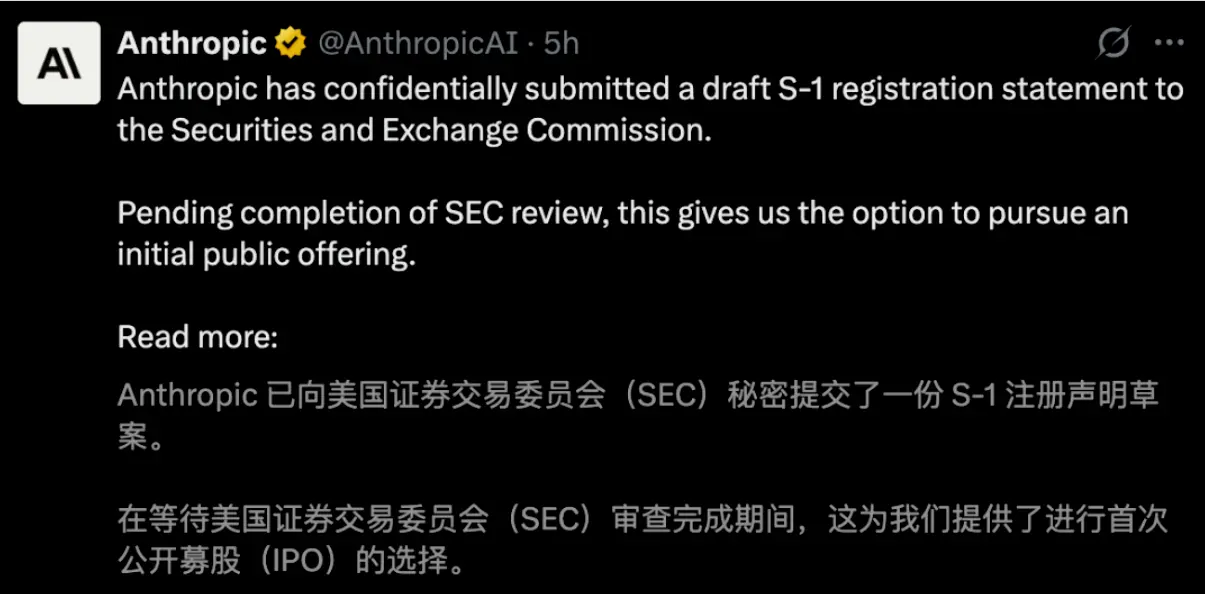
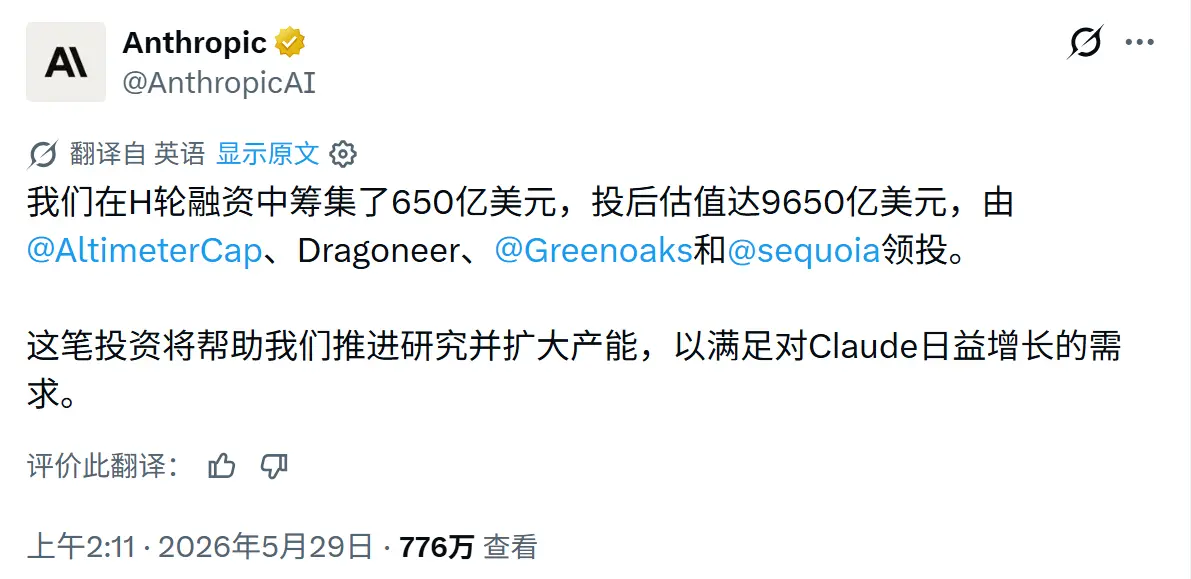
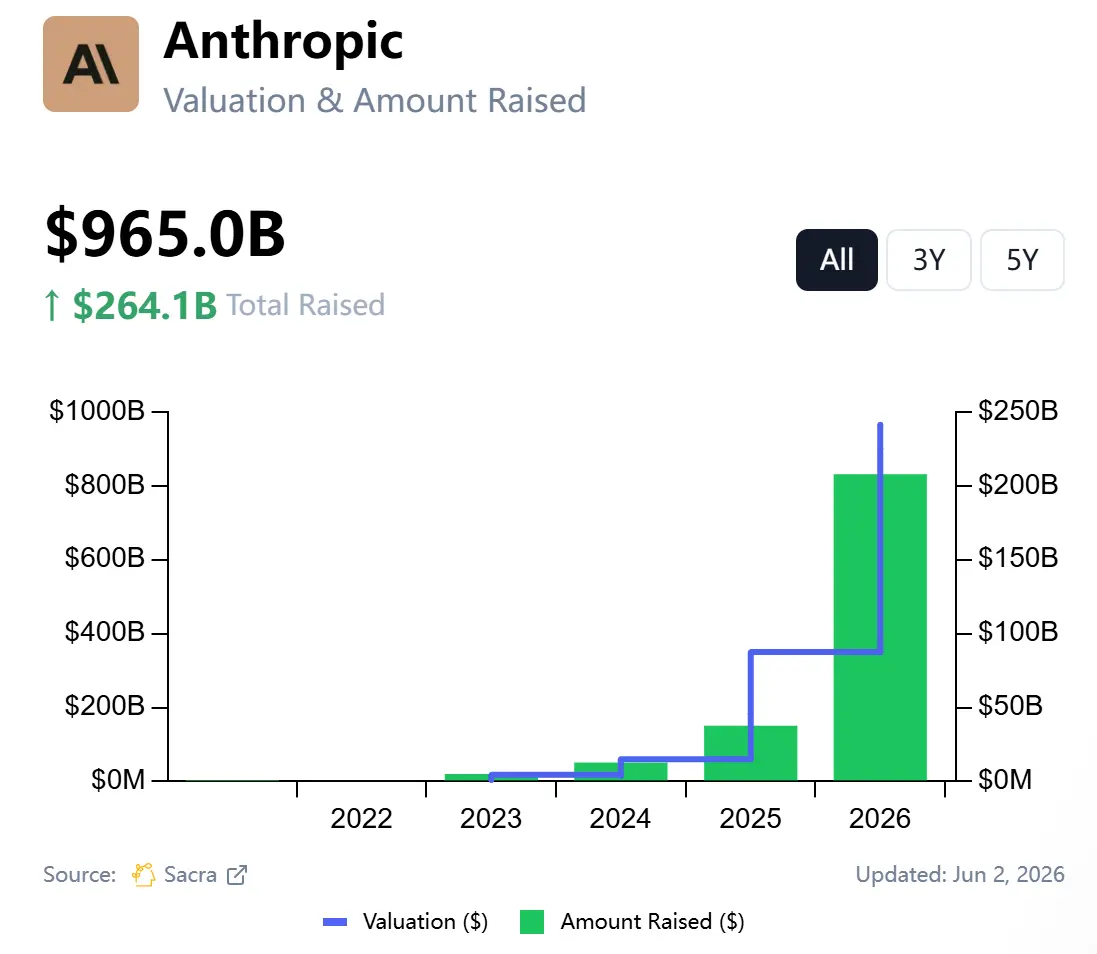
After the H round raised $650 billion, the valuation reached $965 billion—just a step away from one trillion.
By the time it actually goes public, a trillion is a given, and it could even reach $1.5 to $2 trillion. If it truly hits $2 trillion, it will surpass SpaceX to become the company with the highest Pre-IPO market capitalization in the world.
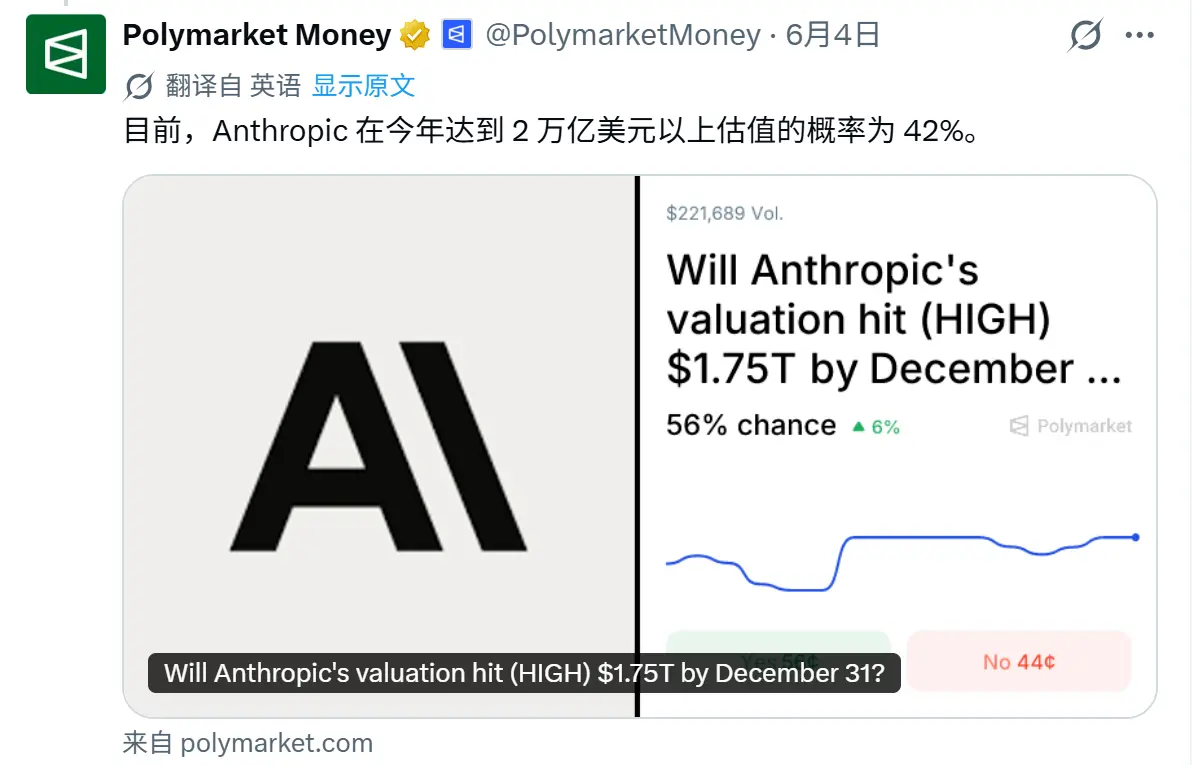
Many friends have left messages in the background saying, "Fu Sheng, are you exaggerating too much?" and even a fellow entrepreneur directly asked me: When will this wave of AI bubble burst?

My answer has always been the same: Once you understand the situation, you won't think this is a bubble.

Is It Really a Bubble?

That entrepreneur's logic was straightforward: What company is worth $1 trillion after just four or five years? Wasn't this how the 2000 internet bubble burst?
I said, don't jump to conclusions first. The term "bubble" has been shouted about so much that no one really thinks about one question: What are the similarities and differences between the 2000 bubble and today? Pull out these two lines and compare them, and the answer will present itself.

History Is Similar, But It Doesn't Repeat Itself

If, just because Nasdaq crashed in 2000, one claims that AI in 2026 must have a bubble, then that thinking system needs an upgrade.

What's similar? The sentiment. A new wave of technology emerges, capital rushes in, valuations soar, outsiders exclaim they don't understand—this psychological script is indeed identical to back then.

But the differences are the core to judging whether there is a bubble. If you only see the first half and draw a conclusion, that's like marking the boat to find the sword (i.e., being myopic).
Telling Stories and Doing Accounting Are Two Different Businesses

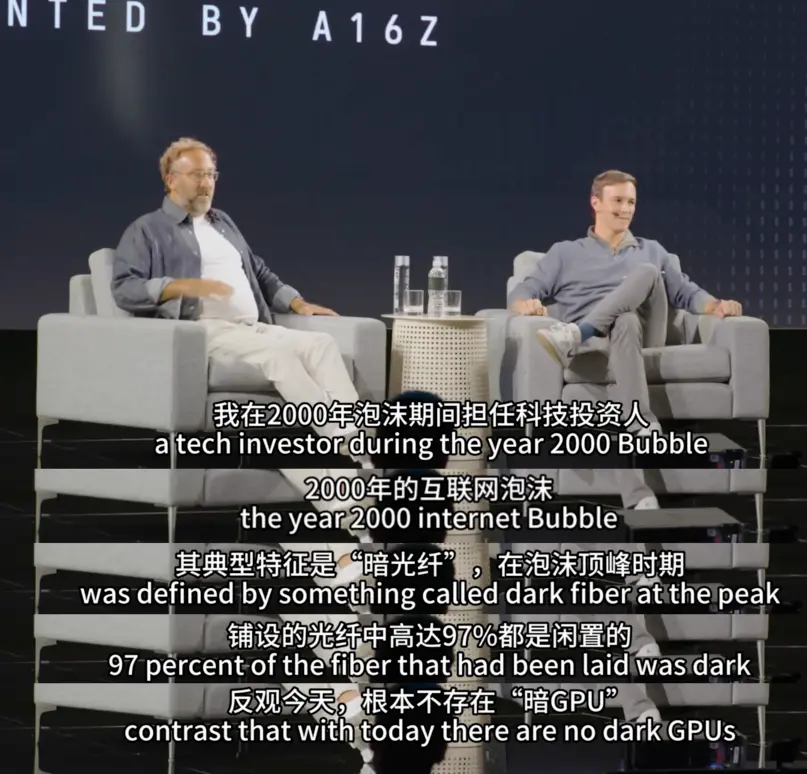
What did internet companies in 2000 rely on for valuation? A domain name, a PPT, a "dream price-to-earnings ratio." No revenue, no profit, not even paying customers, relying purely on stories and imagination to prop up stock prices. Back then, analysts debated, "How big could this company become in the future?" and this "future" had no revenue data to support it.

What Anthropic relies on today is an open hand.

As we discussed before, Anthropic is currently the privately held company with the fastest revenue growth, highest output per employee, and highest valuation in human history.

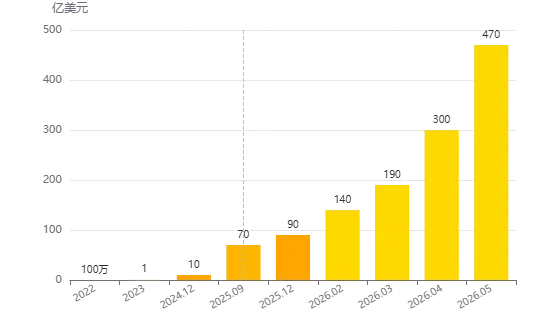
First, look at revenue growth. Its ARR: early 2025, $1 billion. By the end of 2025, $9 billion. By this May, $47 billion. Internal documents show a year-end target of $100 billion—from $1 billion to $100 billion in less than two years. No second company in business history has ever charted this curve.
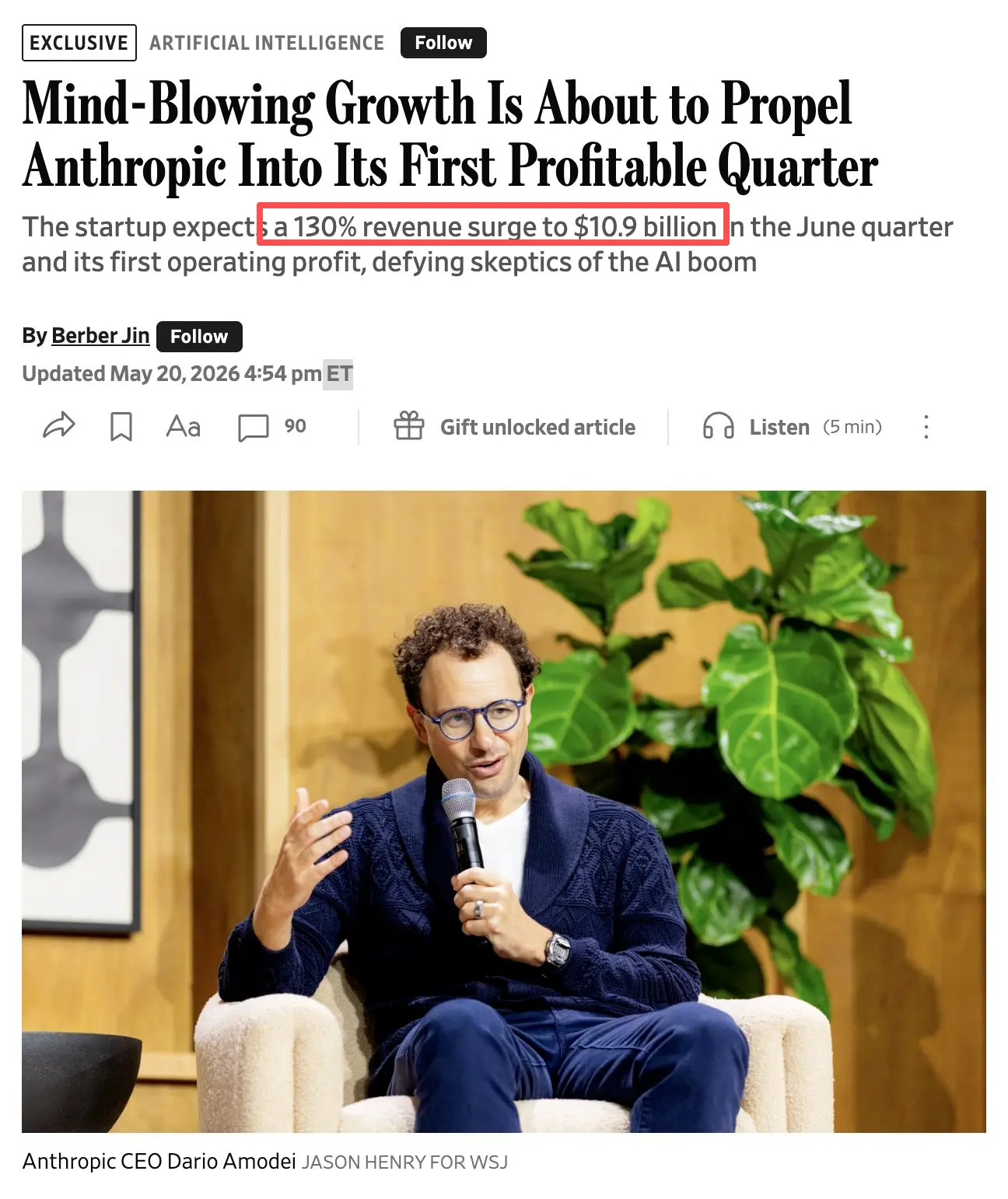
And this isn't a bloated figure achieved by burning money. Anthropic's Q2 2026 revenue is estimated at $10.9 billion, marking the first time it achieved operating profit, about $560 million, meaning it started making money even before going public.
Next, look at output per employee. Anthropic currently has about 3,000 employees. Calculated at $47 billion in annualized revenue, output per employee exceeds $10 million.
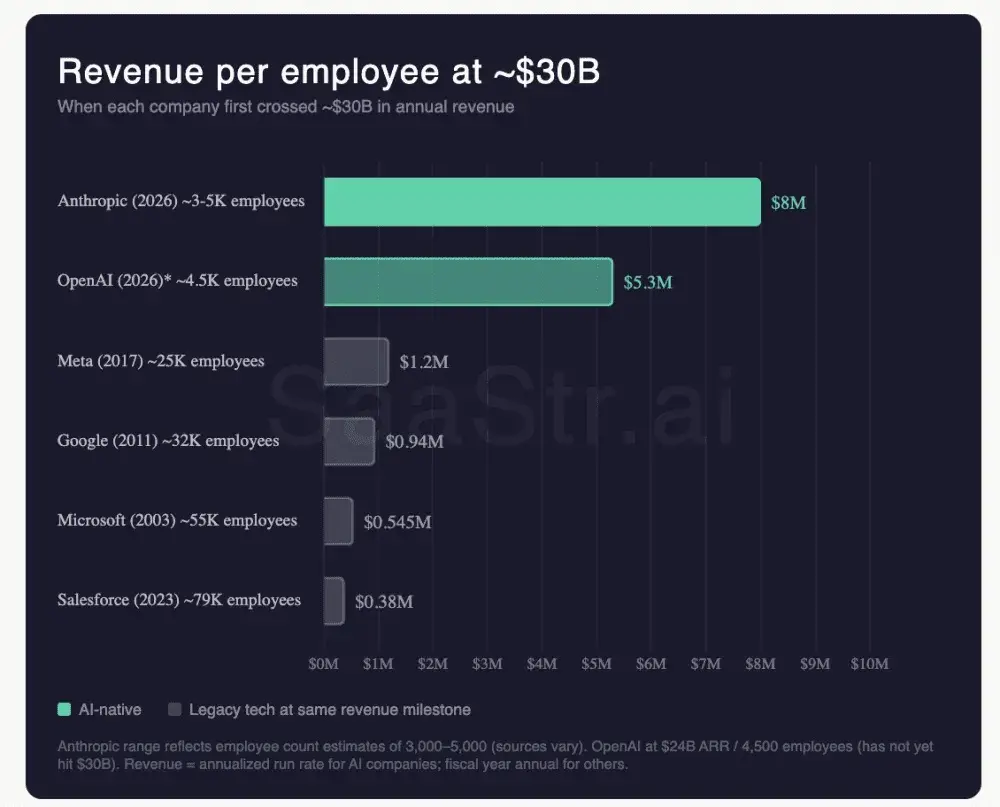
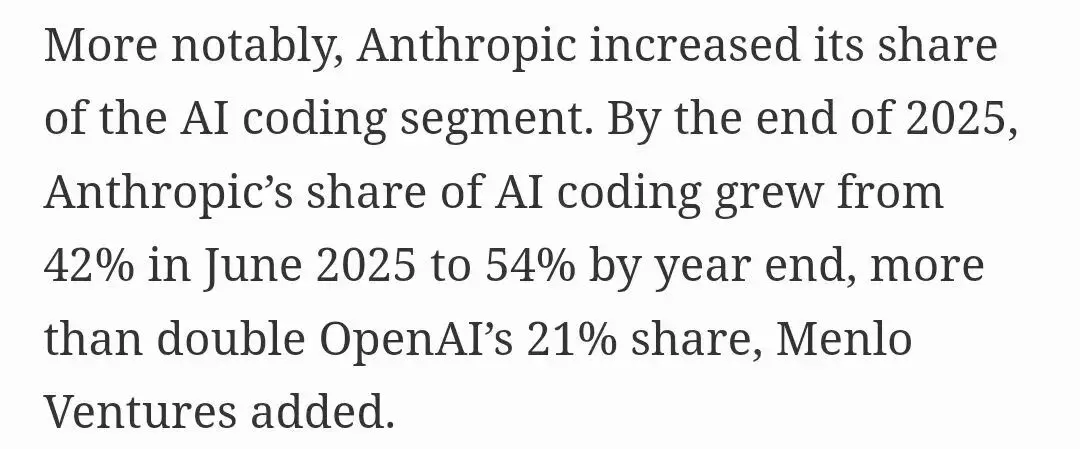
A programmer equipped with Claude Code can potentially accomplish the work of an entire team from before. And Claude Code, launched less than a year ago, has reached $2.5 billion in annualized revenue as a single product, capturing 54% of the AI programming market.
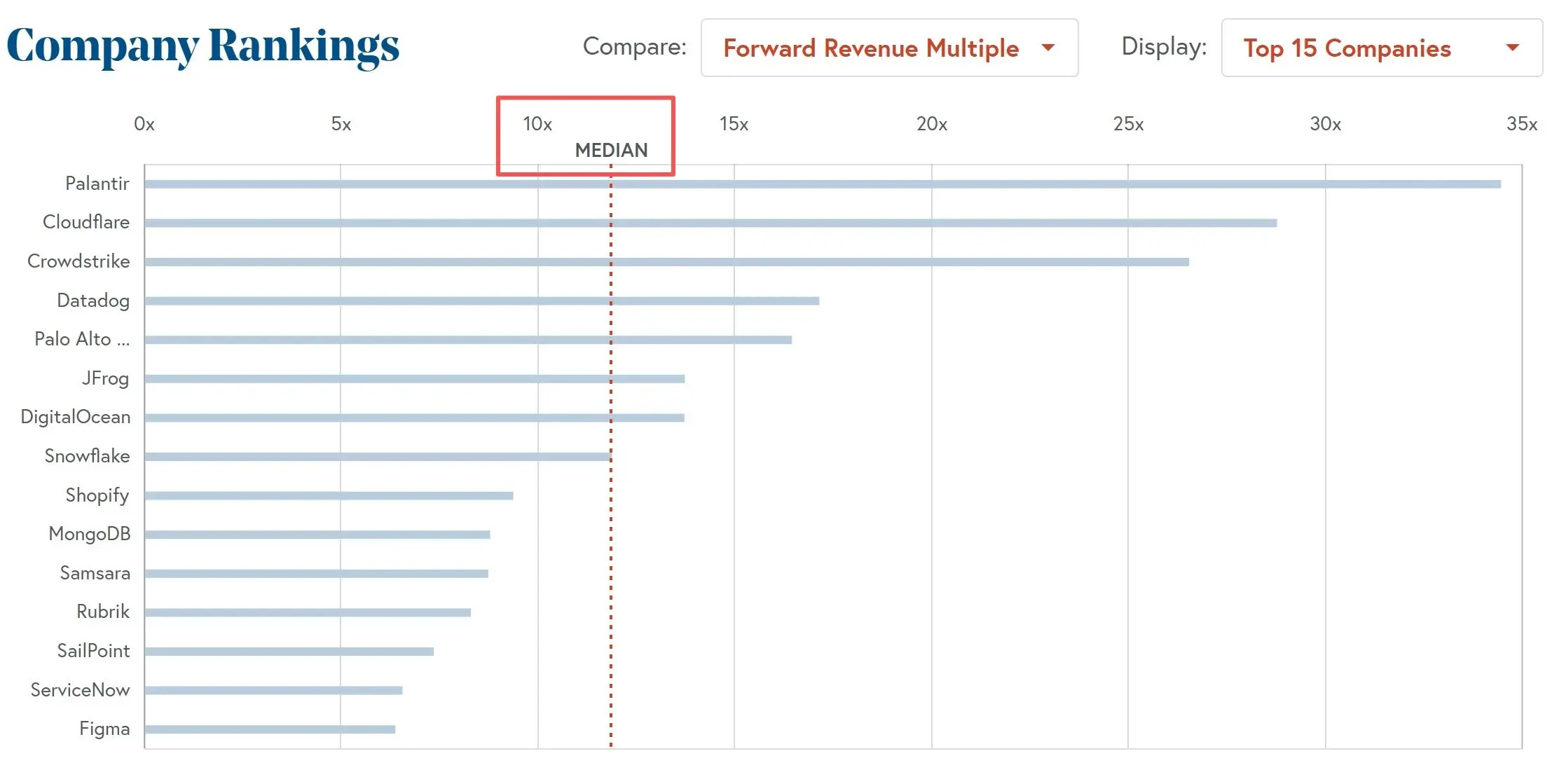
Finally, look at the valuation logic. Anthropic's main business is selling API subscriptions to enterprises. If you view it as a traditional SaaS company, SaaS valuation has a classic formula: Price-to-Sales ratio equals market capitalization divided by annualized revenue, multiplied by a multiple. Enterprise subscription revenue is very stable; as long as the renewal rate is above 95%, the capital market generally assigns a 10x multiple. If it truly reaches $100 billion by year-end, 10x is $1 trillion.
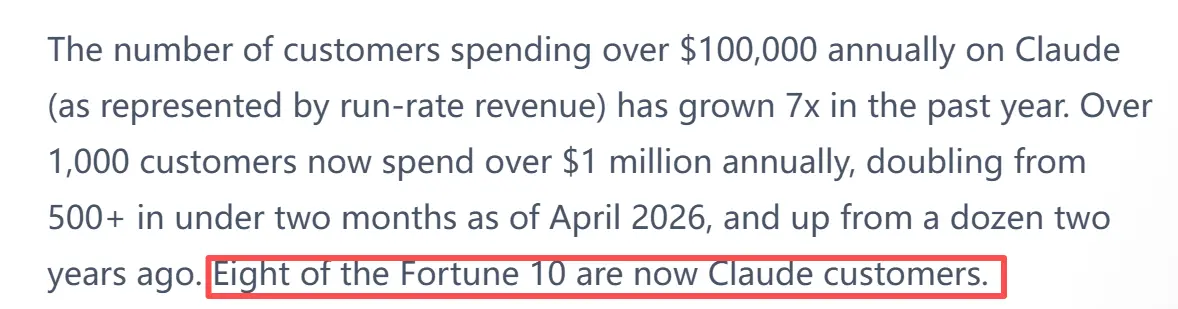
You could argue that this valuation model itself isn't very reasonable, but you can't say it has no model. The internet bubble was purely priced by imagination. Today, Anthropic's books are laid out piece by piece. Its client list is solid: 8 out of the Fortune 10 are using it, and over 1,000 large enterprises spend over $1 million per year on Claude. Netflix, Spotify, KPMG, Salesforce—all on the list.
Back in the internet bubble days, analysts asked, "How big could this company become?" Today, analysts ask Anthropic, "How much did you make this quarter, and how much more can you make next quarter?" This is the fundamental difference.

From the Carbon-Based Economy to the Silicon-Based Economy

After explaining the two reasons, I still feel it's insufficient. Behind Anthropic's IPO lies a larger, deeper trend: the human economy is transitioning from carbon-based to silicon-based.

I recently said in an internal company meeting that we should rename the HR department to IR, from Human Resource to Intelligence Resource. A company's intelligence level and competitiveness no longer depend solely on how many people it has, how many smart brains, but also on how much computing power it has, how many models, how much AI capability to scale repetitive work.

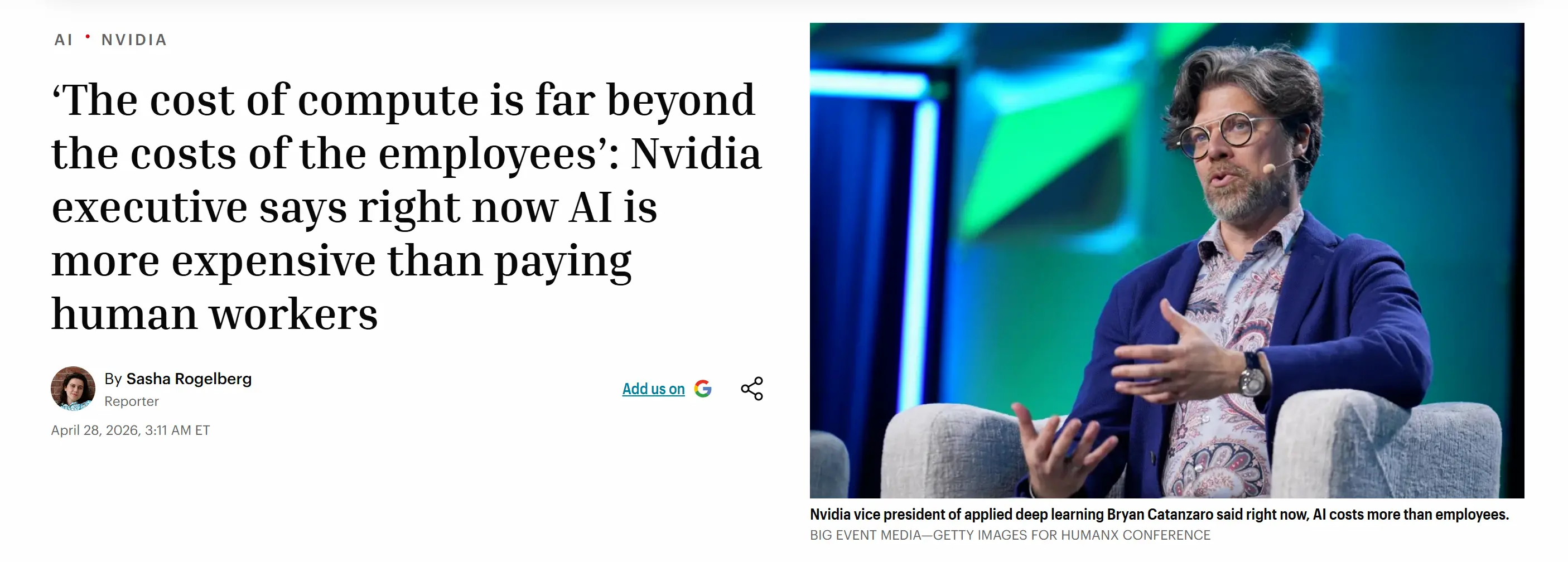
This concept isn't mine. Companies in Silicon Valley have already validated this logic. Nvidia's Vice President of Applied Deep Learning, Bryan Catanzaro, publicly stated two months ago that his research team has entered a stage where "investment in computing power surpasses investment in manpower," with the cost of computing resources far exceeding employee salaries.
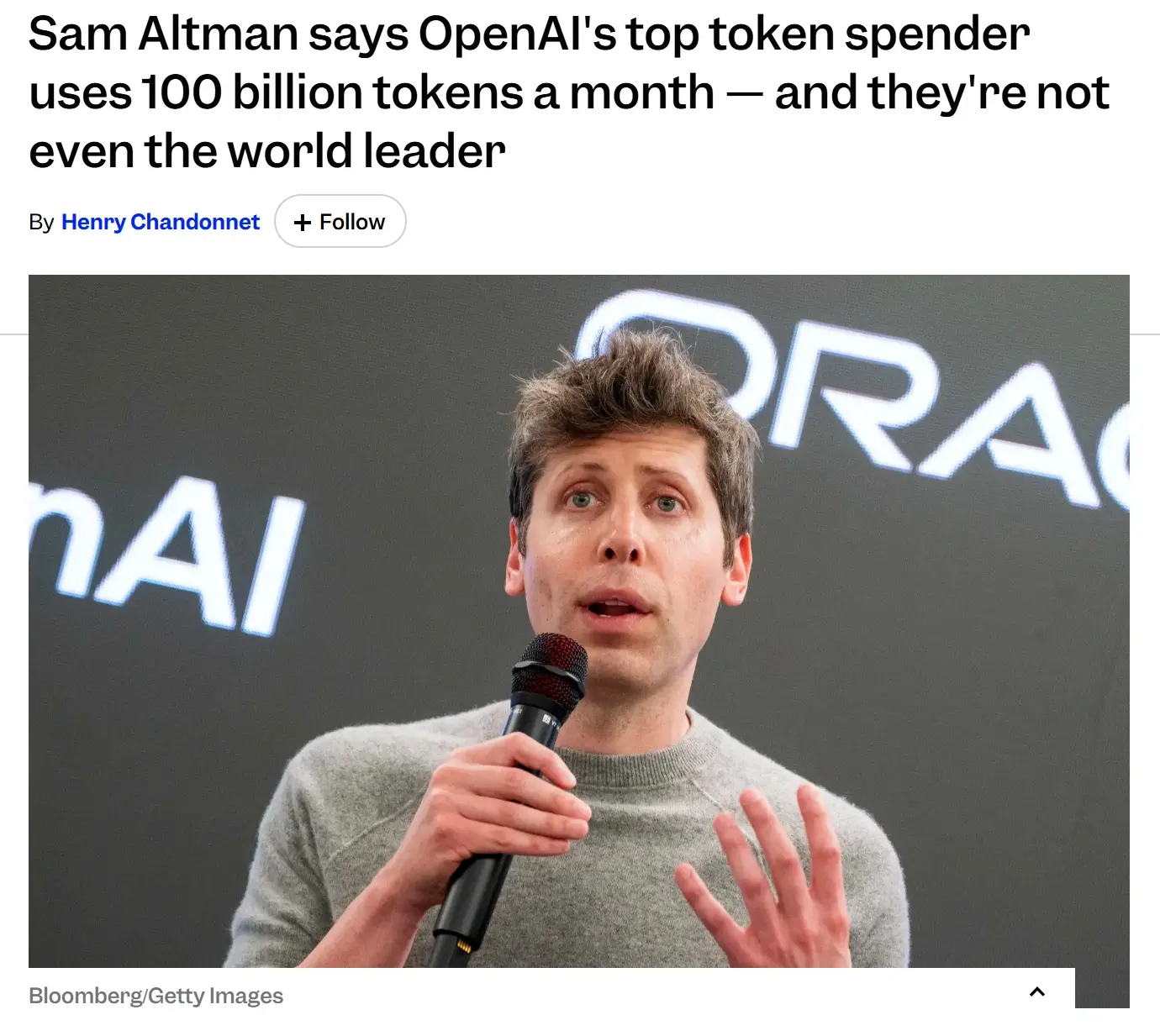
Sam Altman recently mentioned a very interesting phenomenon: many companies exhausted their full-year AI budget in Q1 this year. Companies have discovered that every dollar invested in model capability and computing power directly increases product competitiveness—development efficiency, customer response speed, data analysis depth, things that used to rely on piling up human resources, now run at scale with AI.
The human economy is shifting from being carbon-driven to being driven by a dual-engine of carbon and silicon. This is what is truly happening behind Anthropic's IPO. It's not just a company ringing a bell; it's a price anchor point for a new economic paradigm.


Crypto di tendenza

Domande pertinenti

QWhat is the author's overall stance on whether Anthropic's valuation represents a bubble?

AThe author firmly believes that Anthropic's valuation is not a bubble. He argues this by comparing the current AI boom to the 2000 internet bubble, highlighting key differences in fundamentals like rapid, profitable revenue growth, tangible enterprise adoption, and a valuation model based on predictable SaaS metrics rather than pure speculation.

QWhat key financial metrics does the author cite to argue that Anthropic's growth is substantial and not a bubble?

AThe author cites several key metrics: explosive Annual Recurring Revenue (ARR) growth from $1B in early 2025 to a target of $100B by end of 2026; achievement of operational profitability in Q2 2026 with an estimated $560M profit; over $150M annual spend from more than 1000 large enterprise clients; and an astonishing revenue per employee exceeding $10M.

QAccording to the author, what is the core difference between valuation logic during the 2000 internet bubble and for companies like Anthropic today?

AThe core difference is the basis of valuation. During the 2000 bubble, valuations were based on 'storytelling' and speculative future potential without supporting revenue or profit data ('dream multiples'). Today, companies like Anthropic are valued on tangible, high-growth revenue from enterprise subscriptions, using metrics like the Price-to-Sales ratio applied to predictable SaaS business models.

QWhat broader economic trend does the author link to Anthropic's potential success and high valuation?

AThe author links it to the transition from a 'carbon-based economy' to a 'silicon-based economy.' This means a company's competitiveness and intelligence are increasingly determined by its computational power, AI models, and ability to automate tasks at scale, rather than solely by its number of human employees (carbon-based resources). Anthropic is seen as a price anchor for this new economic paradigm.

QWhat evidence does the author provide to show strong enterprise adoption of Anthropic's products?

AThe author provides multiple points of evidence: 8 out of the top 10 Fortune companies are using Anthropic's services; over 1000 large enterprises spend more than $1 million annually on Claude; and its specific product, Claude Code, has captured 54% of the AI programming market with $2.5B in annualized revenue within a year of launch. Major clients named include Netflix, Spotify, KPMG, and Salesforce.

Letture associate

Will Changxin Technology Continue to Rise Today?

Changxin Technology made a historic debut on the stock market, with its share price soaring 465.82% to close at 49 yuan. Its market capitalization reached 3.28 trillion yuan, surpassing Industrial and Commercial Bank of China to become the largest company by market cap on the A-share market. Daily trading volume exceeded 140 billion yuan, a first in A-share history. This created a moment of realization for 7.7 million investors who won the lottery for its shares. On the first day, investor strategies varied: some sold immediately and later regretted missing intraday highs, others secured profits to avoid future volatility, while a third group held or even bought more shares, betting on long-term growth. The staggering IPO, massive public enthusiasm, and debut during a peak industry cycle led some to compare Changxin to PetroChina's 2007 listing, which was followed by a long decline. Key similarities noted include comparable fundraising scales (approx. 666 billion yuan for Changxin vs. 668 billion for PetroChina) and both companies listing at a perceived high point in their respective commodity cycles (oil then, memory chips now). However, analysts caution against over-simplifying the comparison. They highlight core differences: Changxin operates in the high-growth semiconductor sector with strong "domestic substitution" tailwinds. Brokerages like Huaxi Securities project significant revenue and profit growth from 2026 to 2028, driven by DDR5 adoption, product mix optimization, and economies of scale. Nomura Securities issued a "buy" rating with a 116 yuan target price, citing AI-driven demand for DRAM, tight supply as major players shift to HBM production, and Changxin's vast room for market share growth. Some analysts position the current memory cycle, fueled by AI, as just beginning, contrasting with the mature energy cycle PetroChina entered. The article concludes that for investors, monitoring the memory cycle's progression and Changxin's breakthroughs in high-end technologies like HBM will be crucial, rather than relying on superficial historical parallels.

marsbit3 min fa

Will Changxin Technology Continue to Rise Today?

marsbit3 min fa

Claude Designer Lags Behind Engineers, Fires Back by Creating a Million-User Tool

The article tells the story of Nate Parrott, a designer at Anthropic who created Claude Design as a side project to keep pace with his engineering teammates. When Anthropic released Opus 4.5 in November 2025, the two engineers on Parrott's Claude Code team significantly increased their output using the new AI capabilities. Parrott, the sole designer, found himself struggling to match their speed, becoming a bottleneck in the workflow. To catch up, he began experimenting in his spare time. He initially tried prompting Claude to generate designs from text descriptions and screenshots, with limited success. His breakthrough came when he shifted focus from asking Claude to "design" to asking it to generate HTML. He realized HTML could be a rich visual canvas for creating everything from slides and interactive prototypes to full web pages. He built a simple interface with a chat panel on the left and a live HTML preview on the right. The key to making the output useful was incorporating Anthropic's brand system—fonts, colors, assets, and design principles—into the prompts. This ensured generated designs were immediately on-brand. He shared an internal prototype with his team, and other product designers quickly adopted it for creating clickable prototypes, a task traditionally requiring manually drawing every state. The project's "official" turning point came during an Anthropic Labs offsite, where Parrott noticed many attendees were using his tool to build presentation slides on the fly, sometimes right before their turn to speak. This organic adoption convinced the Labs team to formally staff the project, turning the side project into a real product. Claude Design is positioned as a "pre-production" tool for visual communication and exploration—handling slides, landing pages, PDFs, emails, and social media graphics. It integrates with tools like Canva, Adobe, and Vercel. Its core value is accelerating the early stages of design: exploring directions, building consensus, and establishing systems. For actual production code, Anthropic still recommends Claude Code. The story highlights how AI disrupts workflows unevenly and how individuals can respond by building new tools to create their own advantages. Parrott's tool, born from necessity, eventually gained over a million users in its first week.

marsbit13 min fa

Claude Designer Lags Behind Engineers, Fires Back by Creating a Million-User Tool

marsbit13 min fa

Fields Medalist Warns: AI Could Kill Mathematics

The 2026 Fields Medal award was followed by a startling announcement: laureate Jacob Tsimerman joined OpenAI to pursue AI safety research, predicting AI would surpass humans in all mathematical proof areas within two years. Soon after, Fields Medalists Terence Tao and Timothy Gowers expressed deep concern at ICM 2026. Gorges warned that AI might "kill" mathematics not through stagnation, but through an overwhelming surplus of proofs, likening it to a lake dying from eutrophication. This concern is echoed in the "Leiden Declaration," signed by over 3,000 mathematicians including Tao, Peter Scholze, and Kevin Buzzard, advocating for mathematics as a profoundly human endeavor. However, Gowers, who did not sign, fears a future where AI-generated mathematics proliferates while human expertise and the shared intuition vital to the field vanish, turning math into an unvisited "cemetery of thought." Gowers' perspective shifted dramatically after testing ChatGPT 5.5 Pro. The AI solved a doctoral-level number theory problem and later produced a counterexample for the "unit distance problem," achievements Gorges considered publishable in top journals. He now concedes that large language models can handle advanced research, a realization that left him feeling the "rug pulled out from under" him when AI solved problems he personally contemplated. The debate extends to the nature of mathematical discovery. As noted by Peter Woit, AI agents have no interest in the "credit game" of academia. If theorems cease to be attributed to individual mathematicians, truth may simply return to its impersonal state in the universe. The central question remains: in an age of potentially limitless AI-generated discovery, what is the role and purpose of the human mind in mathematics?

marsbit45 min fa

Fields Medalist Warns: AI Could Kill Mathematics

marsbit45 min fa

NVIDIA's 20-Year CUDA Moat Collapsed Over a Weekend, Claude Single-Handedly Got AMD's New GPU Running

In a single weekend, Claude, an AI agent from Anthropic, successfully ported and optimized its cutting-edge model to run on a brand-new AMD MI355X server rack without any manual code intervention. This feat demonstrates a potential breakthrough in overcoming NVIDIA's long-established CUDA software ecosystem dominance, built over two decades. Anthropic's team simply instructed Claude to get the AMD machine running. By Monday, it not only worked but was showing a continuously improving performance curve. The achievement impressed AMD CEO Lisa Su and accelerated a major deployment partnership: Anthropic plans to deploy up to 2GW of AMD Instinct GPUs starting in 2027. The key enabler is AMD's new ROCm.AI platform, a toolbox designed specifically for AI agents like Claude. It provides AI-readable documentation, including chip instruction sets (ISA), and tools like the Hyperloom service that allows agents to autonomously profile performance, identify bottlenecks, test configurations, and generate optimized kernels. In a demo, Hyperloom boosted the output speed of a model by 38%. This represents a fundamental shift. While CUDA's strength lies in its vast, human-expert-driven ecosystem of tools and tacit knowledge, AMD's strategy is to make its hardware and software stack directly accessible and optimizable by AI agents. An agent can parallelize tasks—debugging, profiling, coding—that would take human engineers years to master, compressing the traditional software adaptation timeline from years to tasks. The competition is no longer just about peak hardware specs but also about how well AI can read, utilize, and tune a platform.

marsbit45 min fa

NVIDIA's 20-Year CUDA Moat Collapsed Over a Weekend, Claude Single-Handedly Got AMD's New GPU Running

marsbit45 min fa

Just Now, Peking University Alumna Lilian Weng Announces Resignation: The Best 'Alignment' in the AI Era Is Taking Care of Yourself

Lilian Weng, a Peking University alumnus and former OpenAI executive, has announced her departure from Thinking Machines Lab, the AI startup she co-founded with ex-OpenAI CTO Mira Murati 20 months ago. Her resignation comes shortly after the company released its first open-source model, Inkling. In her farewell message, Weng cited health reasons as the primary factor, stating that the past seven months involved more illness than any other period in her life. The intense pressure and guilt of being unable to work during critical periods, like the Inkling launch, became unsustainable. She expressed that she could not continue in a role where she felt unable to give her full effort. Weng joined OpenAI in 2018, contributing to projects like the Dactyl robotic hand and later building the Safety Systems team from scratch. She is also widely known for her influential technical blog, Lil'Log. Her departure follows a period of high expectations and challenges for Thinking Machines, which secured a record $20 billion seed round at a $120 billion valuation in 2025 but has since seen fluctuations in its valuation and the departure of other key co-founders. Weng emphasized that she remains passionate about AI but needs a more predictable and defined role without the relentless pressure of a co-founder. Her exit highlights the immense personal toll and speed of competition in the AI industry, where the drive for progress often clashes with human limits. Her decision underscores that stepping back to prioritize well-being can be an act of courage.

marsbit1 h fa

Just Now, Peking University Alumna Lilian Weng Announces Resignation: The Best 'Alignment' in the AI Era Is Taking Care of Yourself

marsbit1 h fa

Trading

Spot

Articoli Popolari

Cosa è $S$

Comprendere SPERO: Una Panoramica Completa Introduzione a SPERO Mentre il panorama dell'innovazione continua a evolversi, l'emergere delle tecnologie web3 e dei progetti di criptovaluta gioca un ruolo fondamentale nel plasmare il futuro digitale. Un progetto che ha attirato l'attenzione in questo campo dinamico è SPERO, denotato come SPERO,$$s$. Questo articolo mira a raccogliere e presentare informazioni dettagliate su SPERO, per aiutare gli appassionati e gli investitori a comprendere le sue basi, obiettivi e innovazioni nei domini web3 e crypto. Che cos'è SPERO,$$s$? SPERO,$$s$ è un progetto unico all'interno dello spazio crypto che cerca di sfruttare i principi della decentralizzazione e della tecnologia blockchain per creare un ecosistema che promuove l'impegno, l'utilità e l'inclusione finanziaria. Il progetto è progettato per facilitare interazioni peer-to-peer in modi nuovi, fornendo agli utenti soluzioni e servizi finanziari innovativi. Al suo interno, SPERO,$$s$ mira a responsabilizzare gli individui fornendo strumenti e piattaforme che migliorano l'esperienza dell'utente nello spazio delle criptovalute. Questo include la possibilità di metodi di transazione più flessibili, la promozione di iniziative guidate dalla comunità e la creazione di percorsi per opportunità finanziarie attraverso applicazioni decentralizzate (dApps). La visione sottostante di SPERO,$$s$ ruota attorno all'inclusività, cercando di colmare le lacune all'interno della finanza tradizionale mentre sfrutta i vantaggi della tecnologia blockchain. Chi è il Creatore di SPERO,$$s$? L'identità del creatore di SPERO,$$s$ rimane piuttosto oscura, poiché ci sono risorse pubblicamente disponibili limitate che forniscono informazioni dettagliate sul suo fondatore o fondatori. Questa mancanza di trasparenza può derivare dall'impegno del progetto per la decentralizzazione—un ethos che molti progetti web3 condividono, dando priorità ai contributi collettivi rispetto al riconoscimento individuale. Centrando le discussioni attorno alla comunità e ai suoi obiettivi collettivi, SPERO,$$s$ incarna l'essenza dell'empowerment senza mettere in evidenza individui specifici. Pertanto, comprendere l'etica e la missione di SPERO rimane più importante che identificare un creatore singolo. Chi sono gli Investitori di SPERO,$$s$? SPERO,$$s$ è supportato da una varietà di investitori che vanno dai capitalisti di rischio agli investitori angelici dedicati a promuovere l'innovazione nel settore crypto. Il focus di questi investitori generalmente si allinea con la missione di SPERO—dando priorità a progetti che promettono avanzamenti tecnologici sociali, inclusività finanziaria e governance decentralizzata. Queste fondazioni di investitori sono tipicamente interessate a progetti che non solo offrono prodotti innovativi, ma contribuiscono anche positivamente alla comunità blockchain e ai suoi ecosistemi. Il supporto di questi investitori rafforza SPERO,$$s$ come un concorrente degno di nota nel dominio in rapida evoluzione dei progetti crypto. Come Funziona SPERO,$$s$? SPERO,$$s$ impiega un framework multifunzionale che lo distingue dai progetti di criptovaluta convenzionali. Ecco alcune delle caratteristiche chiave che sottolineano la sua unicità e innovazione: Governance Decentralizzata: SPERO,$$s$ integra modelli di governance decentralizzati, responsabilizzando gli utenti a partecipare attivamente ai processi decisionali riguardanti il futuro del progetto. Questo approccio favorisce un senso di proprietà e responsabilità tra i membri della comunità. Utilità del Token: SPERO,$$s$ utilizza il proprio token di criptovaluta, progettato per servire varie funzioni all'interno dell'ecosistema. Questi token abilitano transazioni, premi e la facilitazione dei servizi offerti sulla piattaforma, migliorando l'impegno e l'utilità complessivi. Architettura Stratificata: L'architettura tecnica di SPERO,$$s$ supporta la modularità e la scalabilità, consentendo un'integrazione fluida di funzionalità e applicazioni aggiuntive man mano che il progetto evolve. Questa adattabilità è fondamentale per mantenere la rilevanza nel panorama crypto in continua evoluzione. Coinvolgimento della Comunità: Il progetto enfatizza iniziative guidate dalla comunità, impiegando meccanismi che incentivano la collaborazione e il feedback. Nutrendo una comunità forte, SPERO,$$s$ può affrontare meglio le esigenze degli utenti e adattarsi alle tendenze di mercato. Focus sull'Inclusione: Offrendo basse commissioni di transazione e interfacce user-friendly, SPERO,$$s$ mira ad attrarre una base utenti diversificata, inclusi individui che potrebbero non aver precedentemente interagito nello spazio crypto. Questo impegno per l'inclusione si allinea con la sua missione generale di empowerment attraverso l'accessibilità. Cronologia di SPERO,$$s$ Comprendere la storia di un progetto fornisce preziose intuizioni sulla sua traiettoria di sviluppo e sui traguardi. Di seguito è riportata una cronologia suggerita che mappa eventi significativi nell'evoluzione di SPERO,$$s$: Fase di Concettualizzazione e Ideazione: Le idee iniziali che formano la base di SPERO,$$s$ sono state concepite, allineandosi strettamente con i principi di decentralizzazione e focus sulla comunità all'interno dell'industria blockchain. Lancio del Whitepaper del Progetto: Dopo la fase concettuale, è stato rilasciato un whitepaper completo che dettaglia la visione, gli obiettivi e l'infrastruttura tecnologica di SPERO,$$s$ per suscitare interesse e feedback dalla comunità. Costruzione della Comunità e Prime Interazioni: Sono stati effettuati sforzi attivi di outreach per costruire una comunità di early adopters e potenziali investitori, facilitando discussioni attorno agli obiettivi del progetto e ottenendo supporto. Evento di Generazione del Token: SPERO,$$s$ ha condotto un evento di generazione del token (TGE) per distribuire i propri token nativi ai primi sostenitori e stabilire una liquidità iniziale all'interno dell'ecosistema. Lancio della Prima dApp: La prima applicazione decentralizzata (dApp) associata a SPERO,$$s$ è stata attivata, consentendo agli utenti di interagire con le funzionalità principali della piattaforma. Sviluppo Continuo e Partnership: Aggiornamenti e miglioramenti continui alle offerte del progetto, inclusi partnership strategiche con altri attori nello spazio blockchain, hanno plasmato SPERO,$$s$ in un concorrente competitivo e in evoluzione nel mercato crypto. Conclusione SPERO,$$s$ rappresenta una testimonianza del potenziale del web3 e delle criptovalute di rivoluzionare i sistemi finanziari e responsabilizzare gli individui. Con un impegno per la governance decentralizzata, il coinvolgimento della comunità e funzionalità progettate in modo innovativo, apre la strada verso un panorama finanziario più inclusivo. Come per qualsiasi investimento nello spazio crypto in rapida evoluzione, si incoraggiano potenziali investitori e utenti a ricercare approfonditamente e a impegnarsi in modo riflessivo con gli sviluppi in corso all'interno di SPERO,$$s$. Il progetto mostra lo spirito innovativo dell'industria crypto, invitando a ulteriori esplorazioni delle sue innumerevoli possibilità. Mentre il percorso di SPERO,$$s$ è ancora in fase di sviluppo, i suoi principi fondamentali potrebbero effettivamente influenzare il futuro di come interagiamo con la tecnologia, la finanza e tra di noi in ecosistemi digitali interconnessi.

134 Totale visualizzazioniPubblicato il 2024.12.17Aggiornato il 2024.12.17

Cosa è $S$

Cosa è AGENT S

Agent S: Il Futuro dell'Interazione Autonoma in Web3 Introduzione Nel panorama in continua evoluzione di Web3 e criptovalute, le innovazioni stanno costantemente ridefinendo il modo in cui gli individui interagiscono con le piattaforme digitali. Uno di questi progetti pionieristici, Agent S, promette di rivoluzionare l'interazione uomo-computer attraverso il suo framework agentico aperto. Aprendo la strada a interazioni autonome, Agent S mira a semplificare compiti complessi, offrendo applicazioni trasformative nell'intelligenza artificiale (AI). Questa esplorazione dettagliata approfondirà le complessità del progetto, le sue caratteristiche uniche e le implicazioni per il dominio delle criptovalute. Cos'è Agent S? Agent S si presenta come un innovativo framework agentico aperto, progettato specificamente per affrontare tre sfide fondamentali nell'automazione dei compiti informatici: Acquisizione di Conoscenze Specifiche del Dominio: Il framework apprende in modo intelligente da varie fonti di conoscenza esterne ed esperienze interne. Questo approccio duale gli consente di costruire un ricco repository di conoscenze specifiche del dominio, migliorando le sue prestazioni nell'esecuzione dei compiti. Pianificazione su Lungo Orizzonte di Compiti: Agent S impiega una pianificazione gerarchica potenziata dall'esperienza, un approccio strategico che facilita la suddivisione e l'esecuzione efficiente di compiti complessi. Questa caratteristica migliora significativamente la sua capacità di gestire più sottocompiti in modo efficiente ed efficace. Gestione di Interfacce Dinamiche e Non Uniformi: Il progetto introduce l'Interfaccia Agente-Computer (ACI), una soluzione innovativa che migliora l'interazione tra agenti e utenti. Utilizzando Modelli Linguistici Multimodali di Grandi Dimensioni (MLLM), Agent S può navigare e manipolare senza sforzo diverse interfacce grafiche utente. Attraverso queste caratteristiche pionieristiche, Agent S fornisce un framework robusto che affronta le complessità coinvolte nell'automazione dell'interazione umana con le macchine, preparando il terreno per innumerevoli applicazioni nell'AI e oltre. Chi è il Creatore di Agent S? Sebbene il concetto di Agent S sia fondamentalmente innovativo, informazioni specifiche sul suo creatore rimangono elusive. Il creatore è attualmente sconosciuto, il che evidenzia sia la fase embrionale del progetto sia la scelta strategica di mantenere i membri fondatori sotto anonimato. Indipendentemente dall'anonimato, l'attenzione rimane sulle capacità e sul potenziale del framework. Chi sono gli Investitori di Agent S? Poiché Agent S è relativamente nuovo nell'ecosistema crittografico, informazioni dettagliate riguardanti i suoi investitori e sostenitori finanziari non sono documentate esplicitamente. La mancanza di approfondimenti pubblicamente disponibili sulle fondazioni di investimento o sulle organizzazioni che supportano il progetto solleva interrogativi sulla sua struttura di finanziamento e sulla roadmap di sviluppo. Comprendere il supporto è cruciale per valutare la sostenibilità del progetto e il suo potenziale impatto sul mercato. Come Funziona Agent S? Al centro di Agent S si trova una tecnologia all'avanguardia che gli consente di funzionare efficacemente in contesti diversi. Il suo modello operativo è costruito attorno a diverse caratteristiche chiave: Interazione Uomo-Computer Simile a Quella Umana: Il framework offre una pianificazione AI avanzata, cercando di rendere le interazioni con i computer più intuitive. Mimando il comportamento umano nell'esecuzione dei compiti, promette di elevare le esperienze degli utenti. Memoria Narrativa: Utilizzata per sfruttare esperienze di alto livello, Agent S utilizza la memoria narrativa per tenere traccia delle storie dei compiti, migliorando così i suoi processi decisionali. Memoria Episodica: Questa caratteristica fornisce agli utenti una guida passo-passo, consentendo al framework di offrire supporto contestuale mentre i compiti si sviluppano. Supporto per OpenACI: Con la capacità di funzionare localmente, Agent S consente agli utenti di mantenere il controllo sulle proprie interazioni e flussi di lavoro, allineandosi con l'etica decentralizzata di Web3. Facile Integrazione con API Esterne: La sua versatilità e compatibilità con varie piattaforme AI garantiscono che Agent S possa adattarsi senza problemi agli ecosistemi tecnologici esistenti, rendendolo una scelta attraente per sviluppatori e organizzazioni. Queste funzionalità contribuiscono collettivamente alla posizione unica di Agent S all'interno dello spazio crittografico, poiché automatizza compiti complessi e multi-fase con un intervento umano minimo. Man mano che il progetto evolve, le sue potenziali applicazioni in Web3 potrebbero ridefinire il modo in cui si svolgono le interazioni digitali. Cronologia di Agent S Lo sviluppo e le tappe di Agent S possono essere riassunti in una cronologia che evidenzia i suoi eventi significativi: 27 Settembre 2024: Il concetto di Agent S è stato lanciato in un documento di ricerca completo intitolato “Un Framework Agentico Aperto che Usa i Computer Come un Umano”, mostrando le basi per il progetto. 10 Ottobre 2024: Il documento di ricerca è stato reso pubblicamente disponibile su arXiv, offrendo un'esplorazione approfondita del framework e della sua valutazione delle prestazioni basata sul benchmark OSWorld. 12 Ottobre 2024: È stata rilasciata una presentazione video, fornendo un'idea visiva delle capacità e delle caratteristiche di Agent S, coinvolgendo ulteriormente potenziali utenti e investitori. Questi indicatori nella cronologia non solo illustrano i progressi di Agent S, ma indicano anche il suo impegno per la trasparenza e il coinvolgimento della comunità. Punti Chiave su Agent S Man mano che il framework Agent S continua a evolversi, diversi attributi chiave si distinguono, sottolineando la sua natura innovativa e il potenziale: Framework Innovativo: Progettato per fornire un uso intuitivo dei computer simile all'interazione umana, Agent S porta un approccio nuovo all'automazione dei compiti. Interazione Autonoma: La capacità di interagire autonomamente con i computer attraverso GUI segna un passo avanti verso soluzioni informatiche più intelligenti ed efficienti. Automazione di Compiti Complessi: Con la sua metodologia robusta, può automatizzare compiti complessi e multi-fase, rendendo i processi più veloci e meno soggetti a errori. Miglioramento Continuo: I meccanismi di apprendimento consentono ad Agent S di migliorare dalle esperienze passate, migliorando continuamente le sue prestazioni e la sua efficacia. Versatilità: La sua adattabilità attraverso diversi ambienti operativi come OSWorld e WindowsAgentArena garantisce che possa servire un'ampia gamma di applicazioni. Man mano che Agent S si posiziona nel panorama di Web3 e delle criptovalute, il suo potenziale per migliorare le capacità di interazione e automatizzare i processi segna un significativo avanzamento nelle tecnologie AI. Attraverso il suo framework innovativo, Agent S esemplifica il futuro delle interazioni digitali, promettendo un'esperienza più fluida ed efficiente per gli utenti in vari settori. Conclusione Agent S rappresenta un audace passo avanti nell'unione tra AI e Web3, con la capacità di ridefinire il modo in cui interagiamo con la tecnologia. Sebbene sia ancora nelle sue fasi iniziali, le possibilità per la sua applicazione sono vaste e coinvolgenti. Attraverso il suo framework completo che affronta sfide critiche, Agent S mira a portare le interazioni autonome al centro dell'esperienza digitale. Man mano che ci addentriamo nei regni delle criptovalute e della decentralizzazione, progetti come Agent S giocheranno senza dubbio un ruolo cruciale nel plasmare il futuro della tecnologia e della collaborazione uomo-computer.

589 Totale visualizzazioniPubblicato il 2025.01.14Aggiornato il 2025.01.14

Cosa è AGENT S

Come comprare S

Benvenuto in HTX.com! Abbiamo reso l'acquisto di Sonic (S) semplice e conveniente. Segui la nostra guida passo passo per intraprendere il tuo viaggio nel mondo delle criptovalute.Step 1: Crea il tuo Account HTXUsa la tua email o numero di telefono per registrarti il tuo account gratuito su HTX. Vivi un'esperienza facile e sblocca tutte le funzionalità,Crea il mio accountStep 2: Vai in Acquista crypto e seleziona il tuo metodo di pagamentoCarta di credito/debito: utilizza la tua Visa o Mastercard per acquistare immediatamente SonicS.Bilancio: Usa i fondi dal bilancio del tuo account HTX per fare trading senza problemi.Terze parti: abbiamo aggiunto metodi di pagamento molto utilizzati come Google Pay e Apple Pay per maggiore comodità.P2P: Fai trading direttamente con altri utenti HTX.Over-the-Counter (OTC): Offriamo servizi su misura e tassi di cambio competitivi per i trader.Step 3: Conserva Sonic (S)Dopo aver acquistato Sonic (S), conserva nel tuo account HTX. In alternativa, puoi inviare tramite trasferimento blockchain o scambiare per altre criptovalute.Step 4: Scambia Sonic (S)Scambia facilmente Sonic (S) nel mercato spot di HTX. Accedi al tuo account, seleziona la tua coppia di trading, esegui le tue operazioni e monitora in tempo reale. Offriamo un'esperienza user-friendly sia per chi ha appena iniziato che per i trader più esperti.

1.2k Totale visualizzazioniPubblicato il 2025.01.15Aggiornato il 2026.06.02

Come comprare S

Discussioni

Benvenuto nella Community HTX. Qui puoi rimanere informato sugli ultimi sviluppi della piattaforma e accedere ad approfondimenti esperti sul mercato. Le opinioni degli utenti sul prezzo di S S sono presentate come di seguito.

活动图片