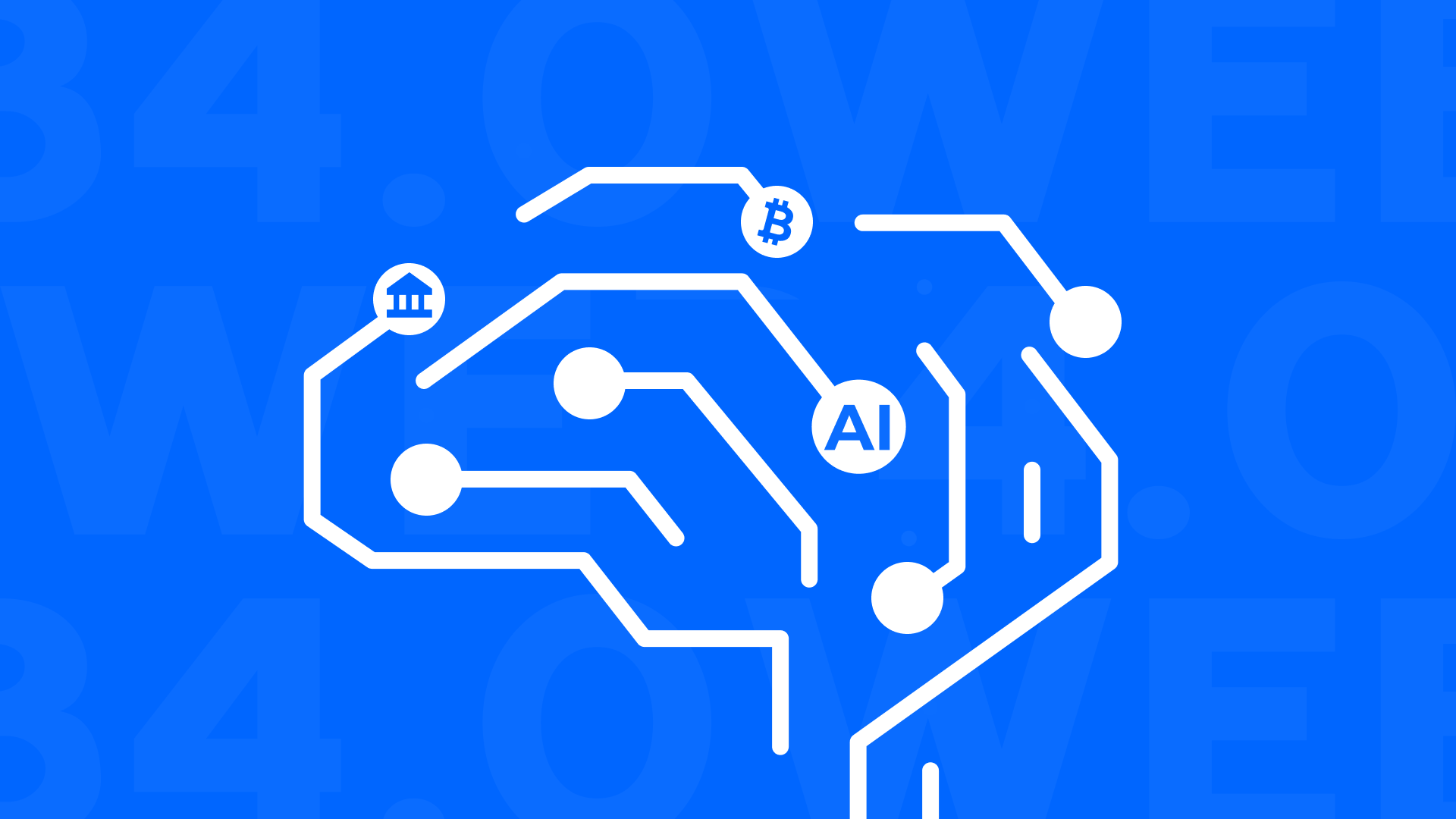
NVIDIA's Jensen Huang Latest Article: The 'Five-Layer Cake' of AI

marsbitPubblicato 2026-03-10Pubblicato ultima volta 2026-03-10

Introduzione

NVIDIA's Jensen Huang articulates AI not merely as a software application but as a fundamental infrastructure, comparable to electricity or the internet, in a layered "five-layer cake" structure. This stack begins with **Energy** as the foundational constraint, powering real-time intelligence generation. Above it, **Chips** convert energy into computational power efficiently. The **Infrastructure** layer comprises data centers and systems that function as "AI factories." **Models** form the next layer, processing diverse data types like language, biology, and physics. At the top, **Applications**—such as drug discovery, autonomous vehicles, and robotics—create economic value. Huang emphasizes that AI is an industrial-scale transformation, driving massive global infrastructure expansion requiring trillions in investment and a skilled workforce—from electricians to network technicians—beyond just computer scientists. He notes that AI has recently crossed a threshold: models are now reliable enough for widespread use, reducing hallucinations and improving reasoning, which accelerates real-world applications. Open-source models, like DeepSeek-R1, further propel growth across the entire stack. This infrastructure revolution will reshape energy consumption, manufacturing, labor, and economic growth. Every company and country will participate, though the field remains early-stage, with vast opportunities and responsibilities ahead.

Editor's Note: Artificial intelligence is evolving from a cutting-edge technology into a foundational infrastructure supporting the modern economy. In its first long-form article published on its official account, NVIDIA attempts to systematically deconstruct the AI industry structure from first principles: from energy and chips, to data center infrastructure, then to models and applications, forming a complete five-layer technology stack.

The article points out that AI is not just a competition in software or models, but a global industrial endeavor involving energy, computing power, manufacturing, and applications, with a scale that could become one of the largest infrastructure expansions in human history. Through this 'five-layer cake' perspective, NVIDIA aims to illustrate that the true significance of AI is not just smarter software, but an infrastructure revolution on par with electricity and the internet.

Below is the original text:

Artificial intelligence is one of the most powerful forces shaping the world today. It is not merely a clever application, nor a single model, but an infrastructure, as crucial as electricity and the internet.

AI runs on real hardware, real energy, and a real economic system. It transforms raw materials into mass-produced 'intelligence.' Every company will use it, every country will build it.

To understand why AI is unfolding in this manner, it is helpful to start from first principles and examine the fundamental changes occurring in computing.

From 'Pre-Made Software' to 'Real-Time Generated Intelligence'

For the vast majority of computing history, software has been 'pre-made.' Humans first define an algorithm, and then the computer executes the commands. Data must be meticulously structured, stored in tables, and retrieved through precise queries. SQL is indispensable because it enables this entire system to function.

AI shatters this paradigm.

For the first time, we have computers that can understand unstructured information. They can see images, read text, listen to sounds, and comprehend their meaning; they can reason about context and intent. More importantly, they can generate intelligence in real-time.

Every response is a new generation. Every answer depends on the context you provide. This is no longer software retrieving pre-written instructions from a database; it is software reasoning in real-time and generating intelligence on demand.

Because intelligence is generated in real-time, the entire computing technology stack that supports it must be reinvented.

AI as Infrastructure

Viewing AI from an industry perspective, it can actually be broken down into a five-layer structure.

Energy

The foundational layer is energy.

Real-time generated intelligence requires real-time generated electricity. The production of every token means electrons are moving, heat is being managed, and energy is being converted into computing power.

There is no abstraction below this layer. Energy is the first principle of AI infrastructure and the fundamental constraint determining how much intelligence the system can produce.

Chips

Above energy are chips. These processors are designed to convert energy into computing power with extreme efficiency and at massive scale.

AI workloads require immense parallel computing power, high-bandwidth memory, and high-speed interconnects. Advancements at the chip layer determine the speed of AI scaling and ultimately how cheap 'intelligence' will become.

Infrastructure

Above chips is infrastructure. This includes land, power delivery, cooling systems, construction engineering, networking systems, and scheduling systems that organize tens of thousands of processors into a single machine.

These systems are essentially AI factories. They are not designed to store information, but to manufacture intelligence.

Models

Above infrastructure are models. AI models can understand various types of information: language, biology, chemistry, physics, finance, medicine, and the real world itself.

Language models are just one category. Some of the most transformative work is happening in areas of: Protein AI, Chemistry AI, Physics Simulation, Robotics, Autonomous Systems

Applications

The top layer is the application layer, where real economic value is generated. Examples include drug discovery platforms, industrial robots, legal copilots, and autonomous vehicles.

An autonomous vehicle is essentially 'an AI application carried by a machine'; a humanoid robot is 'an AI application embodied in a physical form.' The underlying technology stack is the same, only the final form differs.

Thus, this is the five-layer structure of AI: Energy → Chips → Infrastructure → Models → Applications. Every successful application pulls demand through all the layers below it, down to the power plant that supplies its electricity.

An Infrastructure Buildout Still in Its Early Stages

We have only just begun this buildout. Current investment is merely in the scale of hundreds of billions of dollars, while trillions more in infrastructure will need to be built in the future.

Globally, we are witnessing: Chip factories, Computer assembly plants, AI factories.

Being constructed at an unprecedented scale. This is becoming one of the largest infrastructure construction projects in human history.

Labor Demand in the AI Era

The labor force required to support this construction is enormous.

AI factories need: Electricians, Plumbers, Pipefitters, Steelworkers, Network technicians, Equipment installers, Operations and maintenance personnel

These are skilled, well-paying jobs, and there is currently a severe shortage. Participating in this transformation does not necessarily require a PhD in computer science.

Simultaneously, AI is driving productivity gains in the knowledge economy. Take radiology as an example. AI has begun assisting in medical image interpretation, yet the demand for radiologists is still growing.

This is not a contradiction.

The real duty of a radiologist is patient care, and reading images is just one part of that work. As AI takes over more repetitive tasks, doctors can devote more time to judgment, communication, and treatment.

Improved hospital efficiency allows them to serve more patients, consequently requiring more staff. Productivity creates capacity, and capacity creates growth.

What Changed in the Past Year?

Over the past year, AI crossed a critical threshold.

Models have become good enough to be truly useful at scale.

· Reasoning capabilities improved significantly

· Hallucinations reduced markedly

· 'Grounding' in the real world enhanced substantially

For the first time, AI-based applications are starting to create real economic value.

Clear product-market fit has emerged in areas such as: Drug discovery, Logistics, Customer service, Software development, Manufacturing

These applications are powerfully pulling the entire underlying technology stack.

The Role of Open-Source Models

Open-source models play a key role here. The vast majority of the world's AI models are free. Researchers, startups, enterprises, and even entire nations rely on open-source models to compete in advanced AI.

When open-source models reach the technological frontier, they not only change software but also activate demand across the entire technology stack.

DeepSeek‐R1 is a prime example. By making a powerful reasoning model widely available, it spurred rapid growth at the application layer, while also increasing demand for training compute, infrastructure, chips, and energy.

What Does This Mean?

When you view AI as infrastructure, everything becomes clear. AI may have started with Transformers and large language models, but it is far more than that.

It is an industrial-scale transformation that will reshape:

· How energy is produced and consumed

· How factories are built

· How work is organized

· The patterns of economic growth

AI factories are being built because intelligence can now be generated in real-time. Chips are being redesigned because efficiency determines the speed of intelligence scaling. Energy is core because it determines the maximum amount of intelligence the system can produce. Applications are exploding because models have finally crossed the 'viable at scale' threshold.

Each layer reinforces the others.

This is why the scale of this buildout is so vast, why it impacts so many industries simultaneously, and why it will not be confined to one country or one domain.

Every company will use AI.

Every country will build AI.

We are still in the early stages.

Vast infrastructure remains unbuilt, a massive workforce remains untrained, and countless opportunities remain unrealized.

But the direction is very clear.

Artificial intelligence is becoming the foundational infrastructure of the modern world.

And the choices we make today—the speed of construction, the breadth of participation, and the responsibility of deployment—will determine what this era ultimately becomes.

Domande pertinenti

QWhat are the five layers of the AI technology stack as described by Jensen Huang in the article?

AThe five layers of the AI technology stack are: 1. Energy, 2. Chips, 3. Infrastructure, 4. Models, and 5. Applications.

QAccording to the article, how does AI fundamentally differ from traditional software?

AAI differs from traditional software because it is not 'pre-made' software that retrieves instructions from a database. Instead, it is a system that understands unstructured information and generates intelligence in real-time through reasoning based on the context provided.

QWhat is the role of the 'Infrastructure' layer in the AI stack?

AThe 'Infrastructure' layer refers to the AI factories, which include land, power delivery, cooling systems, construction engineering, networking, and scheduling systems that organize tens of thousands of processors into a single machine. They are designed not to store information, but to manufacture intelligence.

QWhy does the article claim that the demand for radiologists is still growing even with the adoption of AI?

AThe demand for radiologists is growing because AI is taking over repetitive tasks like reading scans, which allows doctors to focus more on judgment, communication, and treatment. This increases hospital efficiency, enabling them to serve more patients, which in turn creates a need for more staff.

QWhat key threshold did AI cross in the past year, according to the article?

AIn the past year, AI models crossed the key threshold of being 'good enough' to be truly useful at scale. This is marked by significant improvements in reasoning capabilities, a major reduction in hallucinations, and a substantial enhancement in grounding with the real world, allowing AI applications to create real economic value.

Letture associate

Strive Buys Strategy Stock, Bitcoin Treasury Firms Begin Interlocking Dolls

On March 11, Strive, a Bitcoin treasury company, announced it had purchased $50 million worth of preferred shares (STRC) issued by MicroStrategy (now Strategy)—another major corporate Bitcoin holder. This represents over one-third of Strive’s treasury. Both companies use raised capital to buy Bitcoin, and both issue high-yield preferred shares (SATA from Strive, STRC from Strategy) to fund these purchases. Strive’s Chief Risk Officer justified the move by claiming STRC offers better risk-adjusted returns than U.S. Treasuries. However, this creates a circular dependency: Strategy uses proceeds from STRC to buy Bitcoin, and Strive relies on Strategy’s Bitcoin performance to earn yield on its STRC investment—which it may use to buy more Bitcoin or pay dividends on its own SATA shares. Strive, founded in 2022, has rapidly accumulated 13,311 BTC (worth ~$930 million), making it a top-ten corporate Bitcoin holder. Its stock (ASST) has fallen 97% from its peak, trading far below its Bitcoin-backed NAV. Despite this, Strive continues to aggressively accumulate Bitcoin and raise dividends on SATA shares. This reflects a broader trend: over 200 companies now emulate MicroStrategy’s “Bitcoin treasury” strategy. As these firms begin investing in each other’s debt-like instruments, the ecosystem becomes increasingly interconnected—and vulnerable—to Bitcoin's price volatility.

marsbit1 h fa

Strive Buys Strategy Stock, Bitcoin Treasury Firms Begin Interlocking Dolls

marsbit1 h fa

Behind the 16% User Growth: A Review of Huobi HTX's February Report and Three Potential 'Catch-up Sectors' in the Post-Holiday Crypto Market

Huobi HTX February Review: User Growth Up 16%, Identifying Three Potential "Catch-Up Sectors" in the Post-Holiday Crypto Market Following the Spring Festival, the crypto market entered a new trading cycle. Capital began rotating from single hot sectors to multiple areas, with AI, privacy computing, DeFi, and stablecoin yields remaining active. Huobi HTX saw a 16% month-on-month increase in new registrations and ranked second in the industry for net monthly capital inflows. Its "Clean Assets" reserve climbed to a historic sixth place globally. The platform highlighted three key sectors with potential for growth: 1. **AI Meme Sector:** Projects combining AI narratives with meme culture, like those in the OpenClaw ecosystem, gained traction due to strong community appeal. Huobi HTX listed 14 new assets in February, including popular Base ecosystem AI Meme tokens like CLAWD, MOLT, and CLAWDCH. 2. **Privacy Computing & Tech Infrastructure:** Technical projects like the ZK protocol ZAMA and privacy infrastructure ESP (which saw an 80% surge post-listing) were launched. Other performers included Base DeFi project UP (+60%) and automation token ROBO (+92%). 3. **Stablecoin Yields:** As a hedge against market fluctuations, stablecoin earnings products gained popularity. Huobi Earn platform offered subsidized annual yields of up to 15% on assets like USDT and USDC, with its USDe product exceeding $100 million in holdings. Product upgrades included a new TradFi section offering derivatives for gold, silver, and crude oil, and the public release of its index price composition data for greater transparency. Globally, HTX Ventures participated in major conferences, and the platform advanced its expansion into markets like Pakistan following regulatory approval there. A large-scale trading competition with a $1.5 million prize pool also boosted user engagement. Concluding, Huobi HTX continues to expand its trading ecosystem through diversified assets, product optimization, and global布局 (layout), capitalizing on the market's recovery.

marsbit1 h fa

Behind the 16% User Growth: A Review of Huobi HTX's February Report and Three Potential 'Catch-up Sectors' in the Post-Holiday Crypto Market

marsbit1 h fa

Trading

Spot
Futures

Articoli Popolari

Come comprare LAYER

Benvenuto in HTX.com! Abbiamo reso l'acquisto di Solayer (LAYER) semplice e conveniente. Segui la nostra guida passo passo per intraprendere il tuo viaggio nel mondo delle criptovalute.Step 1: Crea il tuo Account HTXUsa la tua email o numero di telefono per registrarti il tuo account gratuito su HTX. Vivi un'esperienza facile e sblocca tutte le funzionalità,Crea il mio accountStep 2: Vai in Acquista crypto e seleziona il tuo metodo di pagamentoCarta di credito/debito: utilizza la tua Visa o Mastercard per acquistare immediatamente SolayerLAYER.Bilancio: Usa i fondi dal bilancio del tuo account HTX per fare trading senza problemi.Terze parti: abbiamo aggiunto metodi di pagamento molto utilizzati come Google Pay e Apple Pay per maggiore comodità.P2P: Fai trading direttamente con altri utenti HTX.Over-the-Counter (OTC): Offriamo servizi su misura e tassi di cambio competitivi per i trader.Step 3: Conserva Solayer (LAYER)Dopo aver acquistato Solayer (LAYER), conserva nel tuo account HTX. In alternativa, puoi inviare tramite trasferimento blockchain o scambiare per altre criptovalute.Step 4: Scambia Solayer (LAYER)Scambia facilmente Solayer (LAYER) nel mercato spot di HTX. Accedi al tuo account, seleziona la tua coppia di trading, esegui le tue operazioni e monitora in tempo reale. Offriamo un'esperienza user-friendly sia per chi ha appena iniziato che per i trader più esperti.

224 Totale visualizzazioniPubblicato il 2025.02.11Aggiornato il 2025.03.21

Come comprare LAYER

Discussioni

Benvenuto nella Community HTX. Qui puoi rimanere informato sugli ultimi sviluppi della piattaforma e accedere ad approfondimenti esperti sul mercato. Le opinioni degli utenti sul prezzo di LAYER LAYER sono presentate come di seguito.

活动图片