Polymarket Just Dropped Its Toughest Insider‑Trading Rules Yet – But Can They Really Calm DC?

bitcoinistPubblicato 2026-03-24Pubblicato ultima volta 2026-03-24

Introduzione

Polymarket, the world's largest prediction market, has introduced stricter rules against insider trading and market manipulation. These updates explicitly ban trading on confidential information, illegal tips, and participation by individuals who can influence event outcomes, such as government officials or athletes. The move comes amid increased regulatory scrutiny, including a new bipartisan Senate bill targeting prediction markets. Competitor Kalshi also announced similar guardrails. Both platforms are strengthening compliance to address ethical concerns and regulatory pressures, which may lead to tighter KYC procedures and reduced tolerance for trading on non-public information.

Polymarket, the world’s largest prediction market, is rolling out new safeguards against insider trading and manipulation.

Polymarket’s Most Recent Bet

The pressure generated from the growing scrutiny that prediction markets have come under as of late seems to have done the trick. Polymarket updated its rules on Monday and shortly after, Kalshi, its main competitor, announced new guardrails that preemptively block politicians, candidates and sports insiders from trading on related markets, Bloomberg claims.

Neal Kumar, Polymarket’s chief legal officer, said in a statement that the goal of this update to the rulebook is clarifying the expectations they have for the users. “Markets thrive on clarity”, he claims:

“These rule enhancements make our expectations abundantly clear for every participant across both platforms and highlight the compliance infrastructure we have already built. As Polymarket continues to scale, we will build on our foundation with clear communication to Polymarket’s users to ensure our markets do what they do best — surface truth.”

The timing is not casual. Also on Monday, Senators Adam Schiff (D-CA) and John Curtis (R-UT) introduced a bipartisan Senate bill targeting sports‐style bets on platforms like Polymarket and Kalshi, after a string of “suspiciously well‐timed” trades. The Senate concerns go beyond the law, citing the surge of gambling culture promoted by online betting can easily lead to addiction.

What Actually Changed At Polymarket And Kalshi

Polymarket updated its Terms of Use and U.S. Rulebook with enhanced “market integrity” rules across both its DeFi platform and CFTC‐regulated U.S. exchange. The new language explicitly bans trading on stolen or confidential information when using it would violate a duty of trust or confidence (classic insider‐trading standard). It also prohibits trading on illegal tips, where a user knows or should know the person sharing the information is themselves barred from trading on it. Additionally, users who can influence the outcome of a bet, such as government officials, corporate executives, or athletes tied to the event, are barred from trading on related contracts.

The rulebook also spells out broader manipulation bans, including spoofing, wash trading, fictitious transactions, front‐running, self‐dealing and other disruptive practices. The dedicated “Market Integrity” provide tools to report suspicious activity across both platforms, highlighting a multi‐layer surveillance and enforcement framework that combines automated monitoring with human review to flag and investigate questionable trades.

Similarly, on its side, Kalshi announced expanded “guardrails” against insider trading and market manipulation, framed as a response to CFTC guidance and the latest congressional proposals. The exchange is rolling out technological screens that aim to preemptively block politicians, political candidates and campaign insiders from trading on their own races. Similar screens will bar athletes and other “relevant people”, like team staff, league insiders and other connected personnel, from trading in sports markets they are involved with.

What This Means For Traders

Prediction markets have exploded into a multi‐billion‐dollar venue for trading politics and sports, but that scale brought CFTC scrutiny, state‐level pushback and now congressional bills aimed squarely at their growth engines. Some of the critiques show valid ethic concerns. Let’s not forget that not too long ago, Argentinian authorities ordered a full national ban of Polymarket after it “predicted” inflation data back in February. On top of that, the platform faced terrible backlash recently after bettors sent death threats to Times of Israel military reporter Emanuel Fabian, following his report of an Iranian ballistic missile on March 10.

Polymarket and Kalshi are now racing to build compliance as a moat: whoever convinces regulators first may become the default institutional on‐ramp, while weaker venues risk being regulated into the ground. Traders can expect tighter KYC/surveillance and less tolerance for “edge” based on non‐public info.
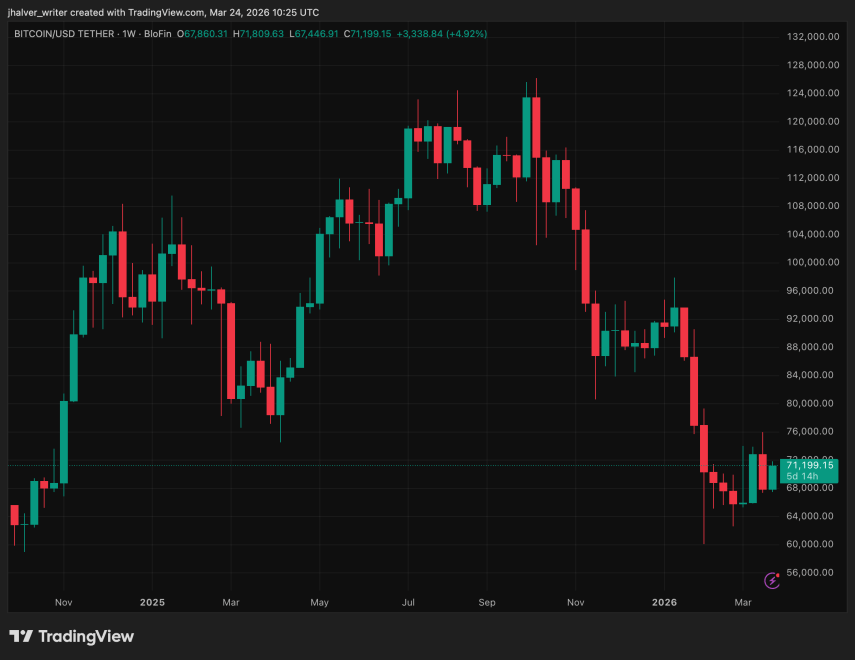
BTC’s price hangs in $71k on the daily chart. Source: BTCUSDT on Tradingview

Cover image from Perplexity, BTCUSDT chart from Tradingview

Domande pertinenti

QWhat are the main reasons behind Polymarket's recent update to its insider-trading rules?

APolymarket updated its rules due to growing regulatory scrutiny from the CFTC, state-level pushback, and new congressional bills targeting prediction markets, alongside a series of suspiciously well-timed trades that raised concerns about market integrity.

QWhat specific activities are now explicitly banned under Polymarket's enhanced 'market integrity' rules?

APolymarket now explicitly bans trading on stolen or confidential information that violates a duty of trust, trading on illegal tips, and trading by users who can influence the outcome of a bet. It also prohibits broader manipulation practices like spoofing, wash trading, fictitious transactions, front-running, and self-dealing.

QHow did Polymarket's main competitor, Kalshi, respond to the regulatory pressure?

AKalshi announced expanded 'guardrails' against insider trading and market manipulation, including technological screens to preemptively block politicians, candidates, and sports insiders from trading on markets related to their own events, in response to CFTC guidance and congressional proposals.

QWhat broader concerns did U.S. Senators express about prediction markets beyond insider trading?

AU.S. Senators expressed concerns that the surge of gambling culture promoted by online betting platforms can easily lead to addiction, which is why they introduced a bipartisan bill targeting sports-style bets on these platforms.

QWhat are the potential long-term implications for prediction market platforms like Polymarket and Kalshi according to the article?

AThe platforms are racing to build compliance infrastructure as a competitive moat. The one that convinces regulators first may become the default institutional on-ramp, while weaker venues risk being regulated out of existence. Traders can expect tighter KYC/surveillance and less tolerance for trading on non-public information.

Letture associate

43-Year-Old OnlyFans Helmsman Passes Away; He Once Bought ETH into the Company's Balance Sheet

Leonid Radvinsky, the 43-year-old Ukrainian-American majority owner of OnlyFans, has passed away after a long battle with cancer. Under his leadership since acquiring 75% of the parent company Fenix International in 2018, OnlyFans grew into a subscription-based content platform valued at approximately $18 billion, with over 377 million users and 4.63 million creators. Radvinsky maintained a low public profile but quietly engaged with crypto initiatives. In 2022, OnlyFans introduced NFT profile picture verification via Ethereum, marking its first step into web3. That same year, Fenix International purchased $19.9 million worth of ETH, recording it on its balance sheet, though it later wrote down $8.46 million due to market declines. The company also donated 500 ETH (then around $1 million) to Ukraine DAO in support of war relief efforts. Although OnlyFans never integrated crypto payments, its founder Tim Stokely later launched Zoop, an NFT trading card platform on Polygon, applying the creator-paid subscription model to web3. In 2025, Zoop and HBAR Foundation even submitted a bid to acquire TikTok’s U.S. operations with plans to incorporate token incentives and NFT-based creator monetization—though the deal did not materialize. Radvinsky’s tenure transformed OnlyFans into a financial powerhouse, generating over $6 billion in annual transactions and paying out more than $700 million in dividends in 2024 alone.

marsbit4 min fa

43-Year-Old OnlyFans Helmsman Passes Away; He Once Bought ETH into the Company's Balance Sheet

marsbit4 min fa

Trading

Spot
Futures
活动图片