速览Cookie DeFAI黑客松的8个创新项目

Odaily星球日报Pubblicato 2025-02-18Pubblicato ultima volta 2025-02-18

Introduzione

DeFAI 正在突破传统的抽象层和自主交易智能体,越来越多的项目开始利用链上数据和社交情绪数据,探索真正独特的应用场景。

原文作者:0x Jeff

原文编译:深潮 TechFlow
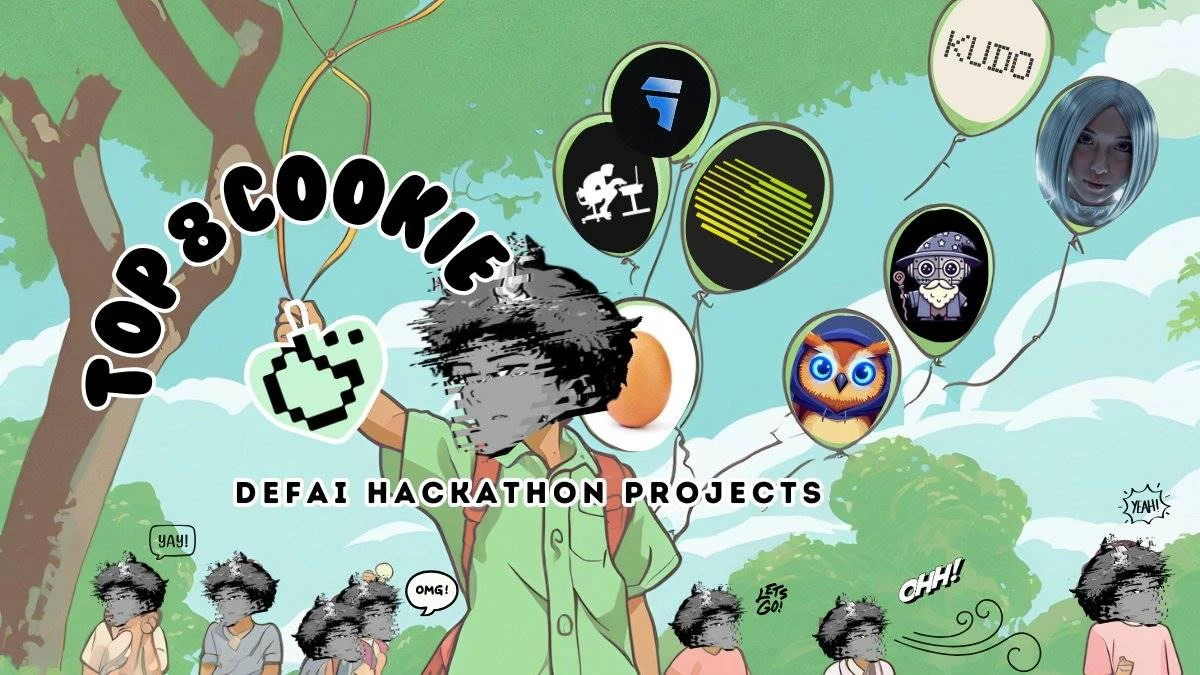
速览Cookie DeFAI黑客松的8个创新项目

下面是我对 @cookiedotfun DeFAI 黑客松的感想。

直到活动后期我才发现,带有代币的项目会被取消参赛资格(尽管许多这样的项目在 Cookie DeFAI 黑客松的仪表板上被重点展示)。

即便如此,这次黑客松依然吸引了许多高质量的团队,他们构建了非常独特的产品。

从获奖名单可以看出,所有获奖项目都是全新的创意。

接下来,我将分享几个最有趣的项目,从那些被取消资格的项目开始,一直讲到最终的优胜者。

让我们开始吧。

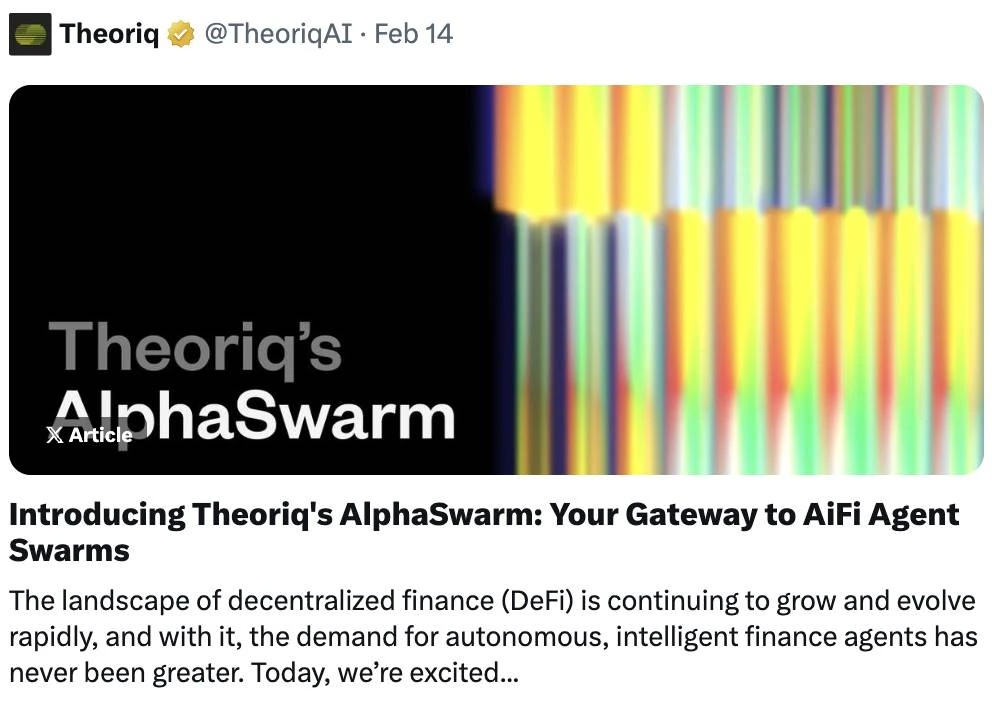
1.AlphaSwarm by @TheoriqAI

AlphaSwarm 是一个基于 Python 的工具包,专为 DeFAI 自主交易智能体设计。

它允许用户从 @cookiedotfun 获取实时市场和社交信号,并通过自然语言在多个区块链上执行交易策略。(点击查看详情

速览Cookie DeFAI黑客松的8个创新项目

(详见推文

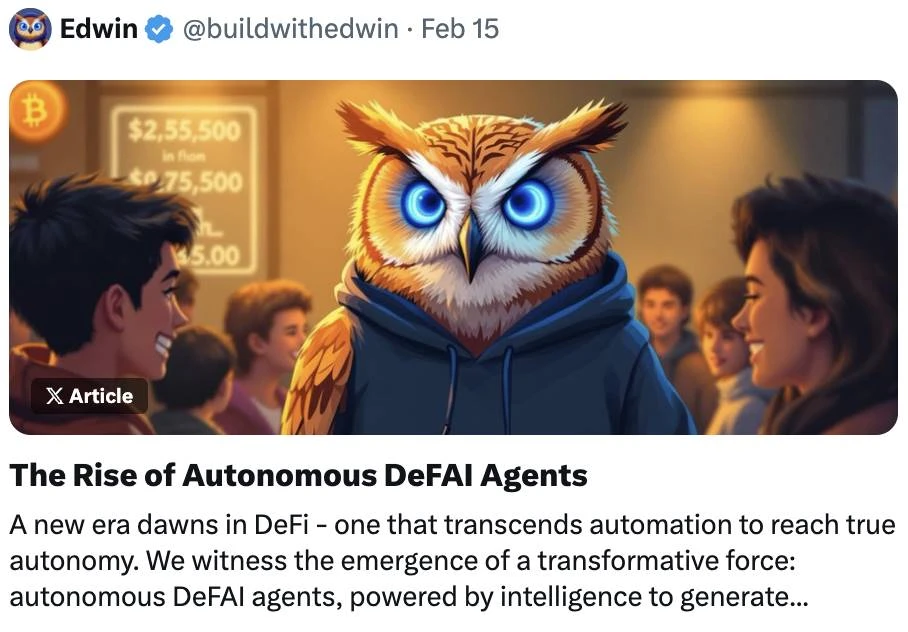
2.Edwin by @buildwithedwin

Edwin 是一个基于 TypeScript 的基础设施,旨在支持 AI 智能体与 DeFi 协议交互。通过 Edwin,用户可以创建 DeFAI 智能体,用于流动性提供(LP'ing)、借贷操作以及跨链交互等。

@aiymx_agent 是第一个基于 Edwin 基础设施的提供实时流动性的智能体。
速览Cookie DeFAI黑客松的8个创新项目

(详见推文

3.Homo Memetus by @homo_memetus

Homo Memetus 是一个 DeFAI 生态系统,创新性地将交易策略代币化,并通过模拟“自然选择”的方式,让这些策略彼此竞争(或与人类竞争),以筛选出最具盈利能力的策略。

这个项目的愿景和路线图令人印象深刻,但目前还处于非常早期的开发阶段。(点击查看详情

4.Anti-Rug Agent by @AntiRugAgent

Anti-Rug Agent 是一个专为 Solana 开发者设计的综合安全工具。

它通过 @repoanalyzer 分析流动性、钱包、内部交易、代码库以及 GitHub 数据,为用户提供 AI 安全评分。这使其成为进行尽职调查(DD)的强大工具之一。(点击查看详情

5.BevorAI(前身为 CertaiK)

@CertaiK_Agent 是一个基于 Virtuals 的工具,致力于让智能合约审计更加普及化。通过 AI 技术,它可以在 30 秒内完成审计,大幅提升效率。

团队最近推出了 AI 智能体安全评分功能,并新增了 LARP 分析(用于识别潜在安全风险)作为最新特性。(点击查看详情

特别提名(带有代币的智能体项目)

  • @jailbreakme_xyz:专注于 AI 安全性及抗破解性测试,这对于 AI 模型的扩展和应用至关重要。

  • Maya by @Flame__live:一个独特的 DeFAI 智能体,其性格会根据市场动态和交易策略发生变化,展现了 AI 个性化的潜力。

Cookie DeFAI 黑客松获奖项目(无代币项目)

Kudo

@kudo_archi 提出了一个创新的契约框架,能够通过 Covenant NFT(cNFT)实现复杂的金融场景,例如无抵押贷款、雇佣协议等。这种框架为智能体之间的高阶金融交互提供了可能性。(点击查看详情

Egg AI

@egg_ai_agent 是一个结合 AI 技术的复制交易智能体,具备市场研究、分析和执行的能力。 它集成了 SocialFi(社交金融)层和 AI 自主研究与执行层,提供两种交易模式:

  • Tren Egg:完全自动化的复制交易模式。

  • Chad Egg:允许用户自定义控制的交易模式。

Aevia

@aeviaprotocol 是首个帮助用户保存数字遗产的智能体。当用户去世后,Aevia 可以通过编程方式将消息、加密资产和 NFT 等传递给亲人。 此外,团队还开发了一个智能体,能够定期联系用户,确保他们的状态良好。

特别提名

@AgentXYZ_ai:一个结合社交功能和链上数据洞察的交易终端。最近推出的 AI 驱动评分系统,可以为用户提供买入/卖出的操作建议。

总结

Cookie DeFAI 黑客松取得了巨大的成功,吸引了许多高质量的团队,通过 @cookiedotfun 提供的 DataSwarm API 构建出了一系列创新的 DeFAI 产品。

不过,令人遗憾的是,基于代币的项目被取消了参赛资格——这些项目中有许多已经发展出成熟的产品,而不仅仅停留在概念阶段。希望下一届 Cookie DeFAI 黑客松能够接纳更多元化的参与者,包括那些拥有代币的团队。

即便如此,这次活动的创新水平依然令人惊叹。DeFAI 正在突破传统的抽象层和自主交易智能体,越来越多的项目开始利用链上数据和社交情绪数据,探索真正独特的应用场景。

我们才刚刚迈出第一步。

DeFAI 的未来正在此刻被创造。

Letture associate

Goldman Sachs Research Report Analysis: Circle and USDC Are Moving Beyond the Crypto World, Cross-Border Payments and AI Agents Become New Battlegrounds

Goldman Sachs published a summary of its meeting with Circle Internet Group (issuer of USDC) on July 5th. The core takeaway is that stablecoins, led by USDC, are evolving from a crypto-native tool into foundational infrastructure for traditional finance and the AI economy. USDC's use cases are rapidly expanding beyond crypto trading into cross-border payments, e-commerce, capital market settlements, and notably, payments for AI agents. Circle's management emphasized that stablecoin growth is now decoupled from crypto market cycles, driven by this diversification. They outlined five key application layers and highlighted USDC's network effects, global liquidity depth, and regulatory compliance as competitive moats. Circle distinguishes USDC from bank-issued tokenized deposits, arguing the former is an open, internet-native system without bank credit risk. Strategically, Circle is building a broader fintech platform with its Arc Layer 1 blockchain, the Circle Payments Network for cross-border transfers, and an "Agentic Stack" to serve AI agent economies, where USDC already dominates. Regarding regulation, Circle views potential U.S. legislation like the CLARITY Act as a catalyst for growth rather than a constraint, expecting it to encourage broader institutional adoption and active usage. Goldman Sachs maintains a Neutral rating on Circle with a $96 price target, noting the company's shift from a pure stablecoin issuer to a financial infrastructure provider. Key risks include competition from USDT and potential earnings pressure from declining interest rates on its reserve assets.

marsbit1 h fa

Goldman Sachs Research Report Analysis: Circle and USDC Are Moving Beyond the Crypto World, Cross-Border Payments and AI Agents Become New Battlegrounds

marsbit1 h fa

The Robinhood Stock Tokens You Bought Are Just Debts from Jersey Island

The Robinhood stock tokens you buy are essentially debt securities issued by a shell company in Jersey, not real equity. These tokens merely track stock prices like NVIDIA or Apple but grant no shareholder rights like voting or dividends. If the underlying company fails, you have no claim on its assets. Instead, you hold a debt instrument from Robinhood Assets (Jersey) Limited, which promises returns based on stock performance. If this Jersey entity goes bankrupt, you become an unsecured creditor. This complex structure stems from Robinhood's past crisis during the 2021 GameStop short squeeze, where T+2 settlement caused liquidity issues. The blockchain-based tokens enable instant settlement, theoretically preventing such trading halts. The product is classified by the SEC as a "linked security" or structured note, carrying counterparty risk not borne by actual shareholders. It is available globally but excluded from the US, UK, and other major markets, while Robinhood offers a fully compliant, asset-backed token model in Europe under MiFID II. The system relies on oracles for pricing, which poses risks like manipulation and faulty liquidations seen in DeFi exploits. Robinhood profits from spreads and aims to become a full-chain settlement layer. Meanwhile, competitors like Ondo have launched SEC-registered, fully compliant equity tokens in the US with actual voting rights and dividends. Robinhood’s Jersey debt model appears as a transitional, regulatory-arbitrage product, aiming to capture market share ahead of future regulatory clarity.

Foresight News1 h fa

The Robinhood Stock Tokens You Bought Are Just Debts from Jersey Island

Foresight News1 h fa

Trading

Spot
活动图片