XRP Surpasses Cardano, But Solana Remains Institutional Investors Favorite, Here’s Why

bitcoinistPubblicato 2024-09-24Pubblicato ultima volta 2024-09-24

Introduzione

The latest weekly digital asset fund flows from CoinShares shed light on the ongoing dynamics among institutional investors when investing...

The latest weekly digital asset fund flows from CoinShares shed light on the ongoing dynamics among institutional investors when investing in altcoins such as XRP, Solana, and Cardano. Most of the inflow activity went into Bitcoin, but the report also highlights a diverse set of trends among altcoins to show preferences and strategies investors are employing across the wider crypto landscape. For one, Ethereum and Cardano ended the week with a huge outflow, while coins like XRP and Solana bucked and attracted inflows. 

XRP Inflows, Cardano And ETH Outflows

According to CoinShares, digital asset investment products witnessed a total inflow of $321 million last week, bringing the inflow trend to a second consecutive week. This interest, which was mirrored in the spot price of many cryptocurrencies, was driven by the Federal Open Market Committee (FOMC) decision to cut interest rates by 50bp last week. This led to a strong investment interest among investors particularly in the United States. As a result, the total asset under management of crypto funds grew by 9%.

Bitcoin led the charge with a staggering $284 million worth of inflow. However, what stood out was the simultaneous inflow of $5.1 million into short Bitcoin products. This indicates that some investors are still positioning themselves for potential downside risks.

In contrast, Ethereum continued its streak of outflows, extending to a fifth consecutive week. The ongoing outflows, largely driven by the Grayscale Ethereum Trust, amounted to $28.5 million last week, bringing its month-to-date outflows to a significant $145.7 million.

Despite Ethereum’s influence over the altcoin market, the crypto’s bearish sentiment among institutional investors fortunately failed to materialize among other cryptocurrencies. XRP, for one, witnessed $0.1 million worth of inflows last week, heralded by interest surrounding the launch of Grayscale’s XRP trust. Similarly, Solana and Litecoin witnessed another week of consistent inflows of $3.2 million and $0.1 million, respectively. The most notable among these were the multi-asset investment products, which witnessed $54.2 million in inflows to effectively cancel out Ethereum’s outflows. On the other hand, Cardano-based investment products were not as fortunate, as they witnessed $0.2 million in outflows.

XRP Cardano Solana

What’s Next For Institutional Investors?

Last week’s inflow trend marks the beginning of what seems like many to come. This is because the crypto industry is largely starting to enter a bullish phase, with the recent multi-month corrections looking like they are finally over. 

Bitcoin, for instance, looks prime for a bull run, supported by key on-chain metrics and the prospect of further Fed interest rate cuts. Interest among institutional investors is a key factor in this upcoming bull run, as huge inflows from them will undoubtedly bode well for the Bitcoin price. This will lead to a corresponding inflow into altcoins, and we could eventually also see Ethereum start to attract institutional inflows in the coming weeks. 

Solana price chart from Tradingview.com
SOL price holding above $145 support | Source: SOLUSDT on Tradingview.com
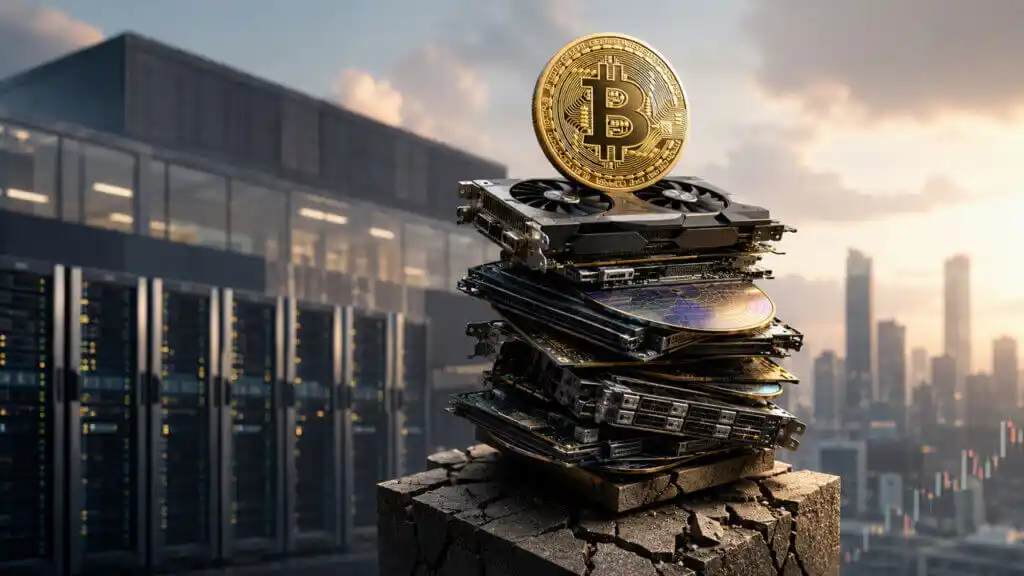
Featured image created with Dall.E, chart from Tradingview.com
Scott Matherson

Scott Matherson

Scott Matherson is a leading crypto writer at Bitcoinist, who possesses a sharp analytical mind and a deep understanding of the digital currency landscape. Scott has earned a reputation for delivering thought-provoking and well-researched articles that resonate with both newcomers and seasoned crypto enthusiasts. Outside of his writing, Scott is passionate about promoting crypto literacy and often works to educate the public on the potential of blockchain.

Crypto di tendenza

Letture associate

Opinion: AI Bubble Bursts, Bitcoin and Other Risky Assets Are the First to Be Impacted

BIS Warns AI Investment Boom Could Trigger Market Stress, Impacting Bitcoin First The Bank for International Settlements (BIS) warns that a potential bursting of the "AI bubble" could tighten liquidity and severely impact risk assets like Bitcoin in the near term. Major tech firms are projected to spend over $1 trillion on AI infrastructure in 2025-2026. The BIS cautions that if returns fail to meet expectations, a sudden withdrawal of financing could turn this investment boom into a prolonged bust, creating ripple effects across financial markets. While AI holds long-term economic promise, the current scale and speed of investment, coupled with intense competition and physical bottlenecks (e.g., semiconductors, power grids), mirror historical bubbles. The report highlights that the AI funding web—spanning corporate debt, private credit, and complex vendor agreements—makes systemic risks harder to see. A disappointment in AI adoption could transmit stress through this chain, widening credit spreads and pressuring weaker borrowers. For Bitcoin, the initial reaction to such a market shock would likely be defensive. As liquidity tightens, investors typically sell liquid assets first, and Bitcoin often trades in line with other risk assets during portfolio de-risking. Recent correlations, like Bitcoin's drop following a sharp decline in South Korea's stock market, support this view. However, the longer-term outcome for Bitcoin depends on the policy response. If an AI-driven credit crunch forces central banks to inject liquidity and ease policy eventually, it could reignite Bitcoin's narrative as a hedge against monetary debasement. Yet, traders betting on this outcome may first have to endure significant market volatility and potential price declines.

marsbit1 h fa

Opinion: AI Bubble Bursts, Bitcoin and Other Risky Assets Are the First to Be Impacted

marsbit1 h fa

South Korea Reaps Riches, America Turns Hostile

The US has filed a collective antitrust lawsuit in California against Samsung, SK Hynix, and US-based Micron, alleging they colluded to create a "RAMpocalypse" by slashing traditional DRAM production and raising prices 700% over four years amid the AI boom. This lawsuit targets the heart of the AI supply chain: High Bandwidth Memory (HBM), critical for Nvidia's GPUs. Currently, SK Hynix (57%), Samsung (22%), and Micron (21%) dominate global HBM production. The case highlights a deeper US concern: in the AI era, South Korea, through its HBM dominance, is capturing an estimated 35% of global AI profits, second only to the US (49%). SK Hynix's operating profit margin recently hit a record 72%. In response to the lawsuit, South Korea announced a massive $800 trillion won investment to build four new chip plants, doubling down on its strategic position. Analysts see the lawsuit not merely as a consumer price issue but as strategic pressure. It aims to support Micron's US manufacturing expansion (subsidized by the CHIPS Act) and secure America's share of AI profits by bringing more HBM production onshore. However, South Korea's rapid execution and massive cash flow from current HBM sales give it a significant speed advantage over US build-out timelines. The conflict underscores a fundamental shift: AI infrastructure like GPUs and HBM is becoming a new form of strategic national resource, akin to oil. While Nvidia and Korean memory giants are interdependent, the struggle over profit distribution and industrial sovereignty in this new landscape is just beginning. This lawsuit may be the first major skirmish in the AI resource wars.

marsbit1 h fa

South Korea Reaps Riches, America Turns Hostile

marsbit1 h fa

Trading

Spot

Articoli Popolari

Cosa è XRP 2.0

XRP 2.0: Una Nuova Frontiera nel Paesaggio delle Criptovalute Introduzione a XRP 2.0 Nel mondo in continua evoluzione delle criptovalute, nuovi progetti emergono continuamente, cercando attenzione e adozione. Una tale iniziativa promettente è XRP 2.0, un nuovo progetto di criptovaluta progettato per sfruttare avanzate tecnologie blockchain e metodologie di crittografia robuste. Anche se il nome richiama alla mente l'XRP di Ripple, è fondamentale notare che XRP 2.0 opera in modo indipendente, concentrandosi sul miglioramento della sicurezza delle transazioni, della privacy e della scalabilità. Mentre il panorama finanziario digitale abbraccia sempre di più soluzioni decentralizzate, XRP 2.0 mira a contribuire in modo significativo al web3 e all'espansione generale dei progetti crypto. Cos'è XRP 2.0? Alla sua base, XRP 2.0 è un progetto di criptovaluta che mira a creare un ecosistema di valuta digitale sicuro e decentralizzato. La sua tecnologia fondamentale integra principi di blockchain sofisticati con tecniche di crittografia all'avanguardia. L'obiettivo principale di XRP 2.0 è quello di affermarsi come una piattaforma affidabile ed efficiente in grado di consentire un'esecuzione rapida delle transazioni, dando priorità a migliori protezioni della privacy per i suoi utenti. Il progetto è promosso come una soluzione a molte limitazioni affrontate dalle criptovalute esistenti, proponendo un sistema in grado di gestire un volume maggiore di transazioni con migliorata velocità e privacy. Questa versatilità pone XRP 2.0 come un significativo competitor in un mercato affollato di varie valute digitali. Chi è il Creatore di XRP 2.0? L'identità del creatore dietro XRP 2.0 è stata segnalata come 'Wilbur'. Tuttavia, i dettagli completi riguardanti Wilbur o l'entità associata rimangono sfuggenti. L'anonimato di molti creatori di criptovalute non è un fenomeno raro nel settore, spesso progettato per mantenere un certo grado di privacy e sicurezza. Chi sono gli Investitori di XRP 2.0? Al momento, informazioni specifiche relative alle fondazioni o organizzazioni di investimento a supporto di XRP 2.0 non sono disponibili pubblicamente. Nel settore delle criptovalute, il supporto di investitori rinomati può influenzare significativamente la credibilità e il successo di un progetto, tuttavia la trasparenza riguardo ai sostenitori finanziari di XRP 2.0 non è stata stabilita. Come Funziona XRP 2.0? XRP 2.0 si distingue per l'impiego di una combinazione di tecnologia blockchain e algoritmi di crittografia avanzati che garantiscono transazioni sicure e decentralizzate. La sua struttura innovativa include caratteristiche uniche progettate per promuovere il coinvolgimento degli utenti e ampliare le funzionalità oltre le transazioni convenzionali delle criptovalute. Tra queste caratteristiche, XRP 2.0 incorpora capacità alimentate da intelligenza artificiale, come funzionalità di testo in immagini e testo in voce. Queste aggiunte sono progettate per migliorare l'esperienza interattiva per gli utenti, promuovendo una maggiore applicabilità in vari settori. Unendo progressi tecnologici con design incentrati sugli utenti, XRP 2.0 mira a catturare l'attenzione di una vasta gamma di individui e aziende che cercano di integrare soluzioni di criptovaluta nei loro framework operativi. Cronologia di XRP 2.0 Comprendere XRP 2.0 richiede di esaminare i traguardi che hanno definito il suo percorso fino ad ora: 23 luglio 2023: XRP 2.0 viene introdotto come un nuovo progetto di criptovaluta, mirante a rivoluzionare le capacità di transazione sicura e decentralizzata nel dominio blockchain. 8 settembre 2023: Si verifica il lancio di un altro progetto, XRP20, marcando l'emergere di un token ERC-20 sulla blockchain di Ethereum che resta non correlato a XRP 2.0. 13 novembre 2023: Il ledger XRP subisce un significativo aggiornamento con il rilascio della versione 2.0.0 del software server rippled. È essenziale notare che questo sviluppo è scollegato dal progetto di criptovaluta XRP 2.0. Punti Chiave su XRP 2.0 Per distillare l'essenza di XRP 2.0, emergono diversi fattori critici: Caratteristiche Uniche: L'inclusione di funzionalità come il testo in immagini e testo in voce alimentato da intelligenza artificiale diversifica ulteriormente le potenziali applicazioni di XRP 2.0. Tecnologia Blockchain: Il framework utilizza meccanismi blockchain avanzati e protocolli di crittografia, garantendo un ambiente sicuro e decentralizzato per le transazioni. Scalabilità e Privacy: XRP 2.0 dà priorità a migliori protezioni della privacy nei processi di transazione e alla scalabilità necessaria per accogliere una base di utenti in crescita. Nessuna Affiliazione con Ripple: È importante notare che, nonostante il suo nome, XRP 2.0 non ha alcuna fedeltà o collaborazione con l'XRP di Ripple, distinguendo il proprio framework operativo e obiettivi all'interno dell'ecosistema delle criptovalute. Conclusione XRP 2.0 rappresenta un'ambiziosa venture nell'ambito delle criptovalute, mirante a offrire una combinazione di sicurezza, privacy ed efficienza nelle transazioni digitali. Integrando tecnologie sofisticate e caratteristiche user-friendly, il progetto si propone di ampliare gli orizzonti di ciò che le criptovalute possono realizzare nell'economia digitale odierna. Sebbene l'anonimato del suo creatore e la mancanza di investitori dichiarati possano sollevare domande per alcuni, il focus di XRP 2.0 su funzionalità avanzate e decentralizzazione ne amplifica l'appeal in un mercato crypto sempre più affollato. Man mano che il panorama delle criptovalute continua a evolversi, XRP 2.0 potrebbe emergere come un attore decisivo nell'espansione di soluzioni blockchain sicure e scalabili.

177 Totale visualizzazioniPubblicato il 2024.04.05Aggiornato il 2024.12.03

Cosa è XRP 2.0

Come comprare XRP

Benvenuto in HTX.com! Abbiamo reso l'acquisto di XRP (XRP) semplice e conveniente. Segui la nostra guida passo passo per intraprendere il tuo viaggio nel mondo delle criptovalute.Step 1: Crea il tuo Account HTXUsa la tua email o numero di telefono per registrarti il tuo account gratuito su HTX. Vivi un'esperienza facile e sblocca tutte le funzionalità,Crea il mio accountStep 2: Vai in Acquista crypto e seleziona il tuo metodo di pagamentoCarta di credito/debito: utilizza la tua Visa o Mastercard per acquistare immediatamente XRPXRP.Bilancio: Usa i fondi dal bilancio del tuo account HTX per fare trading senza problemi.Terze parti: abbiamo aggiunto metodi di pagamento molto utilizzati come Google Pay e Apple Pay per maggiore comodità.P2P: Fai trading direttamente con altri utenti HTX.Over-the-Counter (OTC): Offriamo servizi su misura e tassi di cambio competitivi per i trader.Step 3: Conserva XRP (XRP)Dopo aver acquistato XRP (XRP), conserva nel tuo account HTX. In alternativa, puoi inviare tramite trasferimento blockchain o scambiare per altre criptovalute.Step 4: Scambia XRP (XRP)Scambia facilmente XRP (XRP) nel mercato spot di HTX. Accedi al tuo account, seleziona la tua coppia di trading, esegui le tue operazioni e monitora in tempo reale. Offriamo un'esperienza user-friendly sia per chi ha appena iniziato che per i trader più esperti.

1.6k Totale visualizzazioniPubblicato il 2024.12.10Aggiornato il 2026.06.02

Come comprare XRP

Discussioni

Benvenuto nella Community HTX. Qui puoi rimanere informato sugli ultimi sviluppi della piattaforma e accedere ad approfondimenti esperti sul mercato. Le opinioni degli utenti sul prezzo di XRP XRP sono presentate come di seguito.

活动图片