Selling Assets While Racing for a Bank Charter: What's the Rush at PayPal?

marsbitDipublikasikan tanggal 2025-12-17Terakhir diperbarui pada 2025-12-17

Abstrak

Facing intense pressure from the shifting financial landscape, PayPal is making two seemingly contradictory moves: selling off $7 billion in "Buy Now, Pay Later" loan assets while simultaneously applying for an industrial bank charter (ILC) to establish "PayPal Bank." The core reason is a strategic pivot to escape the vulnerabilities of its current "rent-a-license" model. For years, PayPal's massive lending business relied on WebBank's charter, making it a "middleman" whose core operations were dependent on a partner. A recent crisis involving a similar intermediary, Synapse, which froze user funds, highlighted the extreme risk of this model. Furthermore, in a high-interest-rate environment, PayPal is missing out on billions in profit by parking its 430 million users' funds at partner banks instead of leveraging them as low-cost deposits to earn interest and lending revenue itself. The urgency is amplified by the existential threat of stablecoins. PayPal's own stablecoin, PYUSD, is issued by a partner, Paxos. As regulators move to grant such partners official banking status and new legislation like the GENIUS Act takes shape, control over stablecoin issuance—and its near-zero-fee model—is shifting to licensed entities. This directly threatens PayPal's core business, which relies on high transaction fees for e-commerce payments. To survive, PayPal must control the entire financial stack. The asset sale was a crucial prerequisite for the bank application. By offloading the r...

PayPal is starting a bank.

On December 15, the global payments giant with 430 million active users formally applied to the Federal Deposit Insurance Corporation (FDIC) and the Utah Department of Financial Institutions to establish an industrial bank (ILC) named "PayPal Bank".

However, just three months earlier, on September 24, PayPal had announced a major deal, selling off a massive $7 billion portfolio of "Buy Now, Pay Later" loan assets to the investment firm Blue Owl.

During the earnings call at that time, CFO Jamie Miller emphatically assured Wall Street that PayPal's strategy was to "maintain a light balance sheet," to free up capital and improve efficiency.

These two actions seem contradictory. On one hand, they pursue being "light," yet on the other, they apply for a bank charter. It's important to remember that running a bank is one of the "heaviest" businesses in the world—requiring massive capital reserves, submitting to the most stringent regulations, and bearing the risks of deposits and loans yourself.

Behind this convoluted decision must lie a compromise driven by some urgent necessity. This isn't a routine business expansion; it's more like a desperate beachhead assault on a regulatory red line.

PayPal's official reason for starting a bank is "to provide lower-cost loan funding to small businesses." But this justification doesn't hold up to scrutiny.

Data shows that since 2013, PayPal has cumulatively provided over $30 billion in loans to 420,000 small businesses worldwide. This means that for the past 12 years without a bank charter, PayPal has still managed to run a thriving lending business. So why choose this specific moment to apply for a bank charter?

To answer this, we first need to understand: Who actually issued those $30 billion in loans?

In Lending, PayPal is Just a "Sublessor"

PayPal's official press releases boast impressive lending data, but they often deliberately obscure a core fact. For every single one of those $30 billion in loans, the actual lender was not PayPal, but a bank based in Salt Lake City, Utah, called WebBank.

Most people have probably never heard of WebBank. This bank is extremely secretive; it doesn't operate consumer-facing branches, doesn't advertise, and even its website is minimal. But in the hidden corners of American fintech, it's an unavoidable behemoth.

The lending behind PayPal's Working Capital and Business Loan products, the installment plans from star company Affirm, and the personal loan platform Upgrade—all of these are backed by WebBank.

This involves a business model called "Banking as a Service" (BaaS): PayPal handles customer acquisition, risk control, and user experience, while WebBank is responsible for just one thing—providing the charter.

Using a more通俗的比喻, PayPal in this business is merely a "sublessor"; the actual property deed is held by WebBank.

For a tech company like PayPal, this was once a perfect solution. Applying for a bank charter is too difficult, slow, and expensive, and obtaining lending licenses in all 50 U.S. states is an administrative nightmare of epic proportions. Renting WebBank's charter was like a VIP fast pass.

But the biggest risk of "renting" to do business is that the landlord can stop renting at any time, or even sell or demolish the property.

In April 2024, a black swan event sent chills down the spines of all U.S. fintech companies. A BaaS intermediary company named Synapse suddenly filed for bankruptcy, directly leading to over 100,000 users having $265 million frozen, with even $96 million simply disappearing. Some people lost their life savings.

This disaster made everyone realize that the "sublessor" model has significant vulnerabilities. If something goes wrong in the middle of the chain, the user trust you've painstakingly built can collapse overnight. Regulatory agencies began严厉审查 the BaaS model, with several banks fined and restricted for BaaS compliance issues.

For PayPal, even though they partner with WebBank and not Synapse, the risk logic is the same. If WebBank has problems, PayPal's lending business is paralyzed; if WebBank adjusts合作条款, PayPal has no bargaining power; if regulators force WebBank to tighten cooperation, PayPal can only passively accept it. This is the "sublessor's" dilemma: you work hard to run the business, but your lifeline is in someone else's hands.

Beyond this, what made management下定决心 to go it alone was another, more赤裸的诱惑: the暴利 of the high-interest era.

During the decade of zero interest rates, being a bank wasn't a particularly sexy business because the net interest margin was too thin. But today, it's completely different.

Even though the Fed has started cutting rates, the U.S. benchmark interest rate remains at a historically high level around 4.5%. This means deposits themselves are a gold mine.
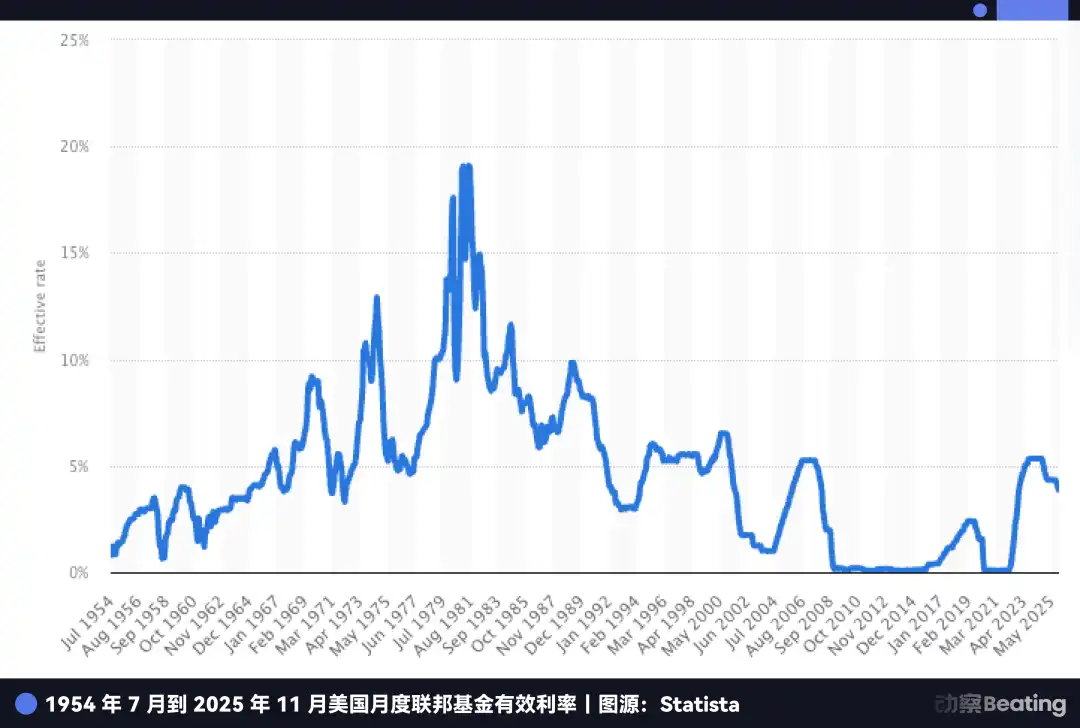
Look at PayPal's current awkward situation: It has a massive pool of funds from its 430 million active users. This money sits in users' PayPal accounts, and PayPal then has to deposit these funds with partner banks.

Those partner banks take this low-cost money and buy U.S. Treasuries yielding 5% or issue higher-interest loans, making enormous profits, while PayPal only gets scraps from the table.

If PayPal gets its own bank charter, it can directly turn the idle funds of those 430 million users into its own low-cost deposits. Then, it can buy Treasuries with one hand and issue loans with the other—keeping all the interest margin profits for itself. In the current high-interest window, this represents a difference of billions of dollars in profit.

But if the goal was just to break free from WebBank, PayPal should have acted long ago. Why wait until 2025?

This brings us to another, more urgent and potentially fatal anxiety deep within PayPal: stablecoins.

With Stablecoins, PayPal is Still a "Sublessor"

If being a "sublessor" in the lending business only meant PayPal made less money and worried more, in the stablecoin battlefield, this dependency is evolving into a genuine survival crisis.

In 2025, PayPal's stablecoin, PYUSD, experienced explosive growth, its market cap tripling in three months to soar to $3.8 billion. Even YouTube announced the integration of PYUSD payments in December.

But behind these lively battle reports is a fact PayPal similarly won't emphasize in its press releases: PYUSD is not issued by PayPal itself, but through a partnership with the New York-based company Paxos.

This is another familiar "white-label" story. PayPal is just the brand licensor—like Nike authorizing a factory to produce shoes instead of running its own factory.

In the past, this seemed more like a business division of labor: PayPal held the product and traffic, Paxos handled compliance and issuance. Everyone ate from their own plate.

But on December 12, 2025, this division began to change flavor. The Office of the Comptroller of the Currency (OCC) gave "conditional approval" for national trust bank charters to several institutions, including Paxos.

This isn't a traditional "commercial bank" that can take deposits and get FDIC insurance, but it signifies that Paxos is moving from being a contract manufacturer to a recognized issuer that can step into the spotlight.

Place this within the framework of the proposed《GENIUS Act》, and you understand why PayPal is急. The bill allows regulated banking systems to issue payment stablecoins through subsidiaries. The power to issue and the profit chain will increasingly concentrate in the hands of those "with a charter."

Before, PayPal could treat stablecoins as an outsourced module. Now, if the outsourcer gains a stronger regulatory身份, it's no longer just a supplier; it can become a replaceable partner, even a potential competitor.

PayPal's尴尬 lies in the fact that it controls neither the issuance infrastructure nor the regulatory身份.

The advancement of USDC and the OCC's move on trust charters are both reminders: the stablecoin battle won't ultimately be about who issues first, but about who can hold the reins of issuance, custody, settlement, and compliance in their own hands.

Therefore, PayPal's move is less about wanting to be a bank and more about acquiring an entry ticket. Otherwise, it risks being permanently left standing outside the arena.

Even more critically, stablecoins pose an existential threat to PayPal's core business.

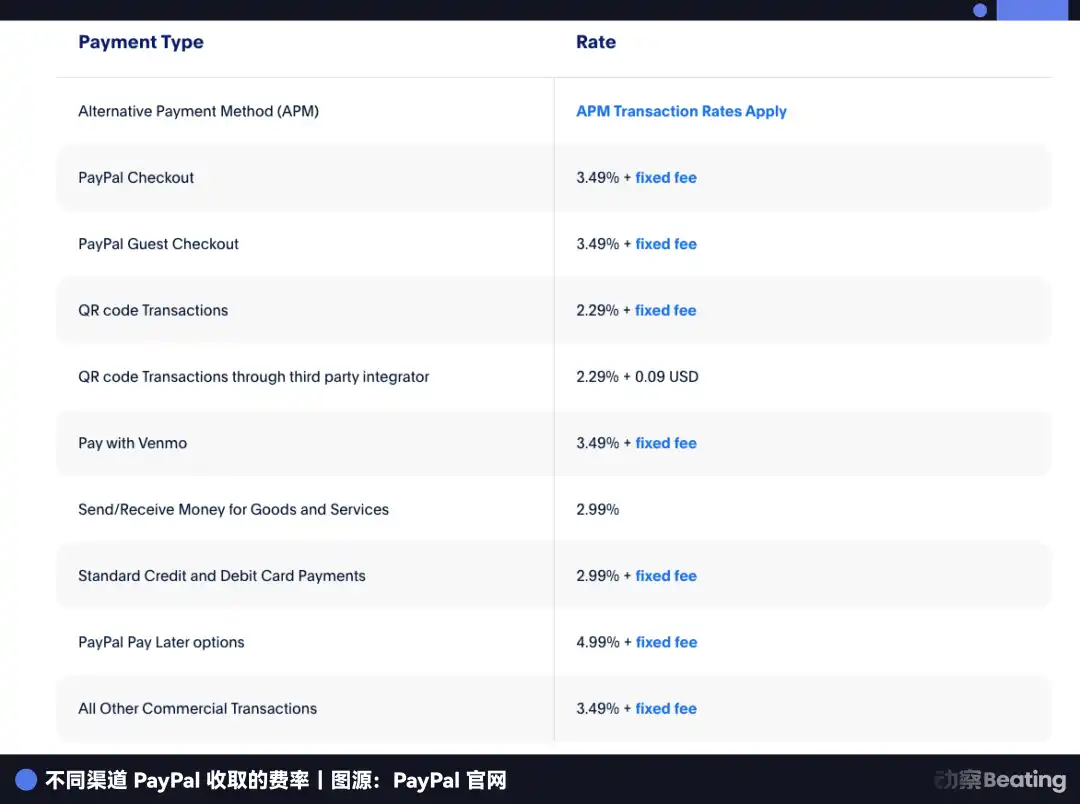
PayPal's most profitable business is e-commerce payments, relying on charging a 2.29~3.49% transaction fee. But the logic of stablecoins is completely different; they charge almost no transaction fees, making money from the interest earned on the Treasury holdings backing the user's deposited funds.

When Amazon starts accepting USDC, when Shopify enables stablecoin payments, merchants will face a simple calculation: if they can use near-zero-cost stablecoins, why pay PayPal a 2.5% toll?

Currently, e-commerce payments account for over half of PayPal's business revenue. Over the past two years, it has watched its market share slide from 54.8% to 40%. If it doesn't seize the initiative on stablecoins, PayPal's moat will be completely filled in.
PayPal's current situation is reminiscent of Apple when it launched its Apple Pay Later business. In 2024, Apple, lacking a bank charter, found itself constrained by Goldman Sachs at every turn and ultimately shut down the service, retreating to its core hardware domain. Apple could retreat because finance was just a nice-to-have; hardware is its core competency.

But PayPal has nowhere to retreat.

It has no phone, no operating system, no hardware ecosystem. Finance is its everything, its only granary. Apple's retreat was a strategic contraction; if PayPal dares to retreat, it faces death.

Therefore, PayPal must advance. It must obtain that bank charter and bring the issuance rights, control, and profit rights of stablecoins back under its own roof.

But starting a bank in the U.S. is incredibly difficult, especially for a tech company carrying $7 billion in loan assets. The regulatory审批门槛 is dauntingly high.

Thus, to obtain this ticket to the future, PayPal orchestrated a masterful piece of financial engineering.

PayPal's Cicada Shedding Its Shell

Now, let's return to the contradiction mentioned at the beginning of the article.

On September 24, PayPal announced the sale of $7 billion in "Buy Now, Pay Later" loans to Blue Owl, with the CFO loudly proclaiming the goal to "become lighter." At the time, most Wall Street analysts assumed this was just window dressing for the financial statements, to make the cash flow look prettier.

But if you view this event alongside the bank charter application three months later, you see it's not a contradiction but a carefully designed one-two punch.

If it hadn't sold those $7 billion in receivables, PayPal's chances of successfully obtaining a bank charter would have been almost zero.

Why? Because in the U.S., applying for a bank charter requires passing an extremely rigorous "physical exam." The regulator (FDIC) holds a ruler called the "capital adequacy ratio."

The logic is simple: the more high-risk assets (like loans) you have on your balance sheet, the more capital reserves you must hold to抵御风险.

Imagine if PayPal knocked on the FDIC's door carrying this $7 billion loan burden. The regulator would immediately see the heavy包袱: "You're carrying all these risky assets; what if they go bad? Do you have enough money to cover the losses?" This wouldn't just mean PayPal needing to post astronomical sums in保证金; it could directly lead to a rejected application.

Therefore, PayPal had to undergo a comprehensive瘦身 before the exam.

This sale to Blue Owl is known in financial jargon as a forward flow agreement. The design is very shrewd. PayPal offloaded the future receivables from loans issued over the next two years (the "printed money") and the default risk entirely onto Blue Owl. But it very cleverly retained the underwriting rights and customer relationships—it kept the "money printing press" for itself.

From the user's perspective, they are still borrowing from PayPal, still repaying through PayPal's App—the experience is unchanged. But on the FDIC's exam report, PayPal's balance sheet instantly appears clean and lean.

Through this move of the cicada shedding its shell, PayPal completed an identity transformation. It went from a lender burdened with heavy default risk to a mere passerby earning risk-free service fees.

This kind of deliberate asset shuffle to pass regulatory审批 isn't unheard of on Wall Street, but doing it so decisively and on such a scale is rare. It precisely proves the determination of PayPal's management: even if it means giving up the fat meat (loan interest) for others to eat, it must secure that longer-term meal ticket.

Moreover, the window for this gamble is closing fast. The reason PayPal is so urgent is that the "backdoor" it has its eye on is being closed, even welded shut, by regulators.

The Soon-to-Close Backdoor

The charter PayPal is applying for is called an "Industrial Loan Company" (ILC). If you're not deeply involved in finance, you've probably never heard of it. But it is the most bizarre and coveted entity in the U.S. financial regulatory system.

Looking at the list of companies with ILC charters creates a strong sense of incongruity: BMW, Toyota, Harley-Davidson, Target...

You might ask: Why are these car sellers and department stores opening banks?

This is the magic of the ILC. It is the only "regulatory loophole" in the U.S. legal system that allows non-financial giants to legally open a bank.

This loophole originated from the Competitive Equality Banking Act (CEBA) passed in 1987. Although the law is named "Equality," it left an extremely unequal privilege: it exempted the parent companies of ILCs from the obligation to register as "bank holding companies."

If you apply for a regular bank charter, the parent company must submit to the Fed's head-to-toe穿透式监管. But if you hold an ILC charter, the parent company (like PayPal) is not subject to Federal Reserve jurisdiction, needing only to answer to the FDIC and state-level regulation in Utah.

This means you enjoy the national-level privileges of a bank—taking deposits, accessing the federal payment system—while perfectly avoiding Fed interference in your commercial empire.

This is所谓的监管套利. Even more enticing is that it allows "mixed operation." This is how BMW and Harley-Davidson play it: vertical integration within their industry chain.

BMW Bank doesn't need physical counters because its business is perfectly embedded in the car-buying process. When you decide to buy a BMW, the sales system automatically connects to BMW Bank's loan services.

For BMW, it makes profit both from your car purchase and from the interest on the car loan. Harley-Davidson is even more so; its bank can even provide loans to motorcycle enthusiasts rejected by traditional banks, because only Harley itself knows that these die-hard fans actually have low default rates.

This is the ultimate form PayPal dreams of: payments on the left hand, banking on the right hand, with stablecoins in the middle—not letting any outsider插手.

Reading this, you must wonder: If this loophole is so good, why didn't Walmart or Amazon apply for this charter and open their own banks?

Because the traditional banking world despises this backdoor.

Bankers believe that allowing commercial giants with massive user data to open banks is a dimensional打击. In 2005, Walmart applied for an ILC charter, triggering a collective uprising across the American banking industry. Banking associations lobbied Congress furiously, arguing that if Walmart Bank used its supermarket data advantage to offer cheap loans only to Walmart shoppers, how could community banks survive?

Under immense public pressure, Walmart was forced to withdraw its application in 2007. This event directly led to regulators "freezing" the ILC. From 2006 to 2019—a full 13 years—the FDIC did not approve a single application from a commercial company. It wasn't until 2020 that Square (now Block) barely broke the deadlock.

But now, this barely reopened backdoor faces the risk of being permanently closed again.

In July 2025, the FDIC suddenly released a notice of proposed rulemaking regarding the ILC framework, seen as a strong signal of regulatory tightening. Meanwhile, related legislative proposals in Congress have never stopped.

Thus, a mad rush for charters began. In 2025, U.S. bank charter applications hit a historical peak of 20, with the OCC (Office of the Comptroller of the Currency) alone receiving 14 applications—equivalent to the total of the previous four years combined.
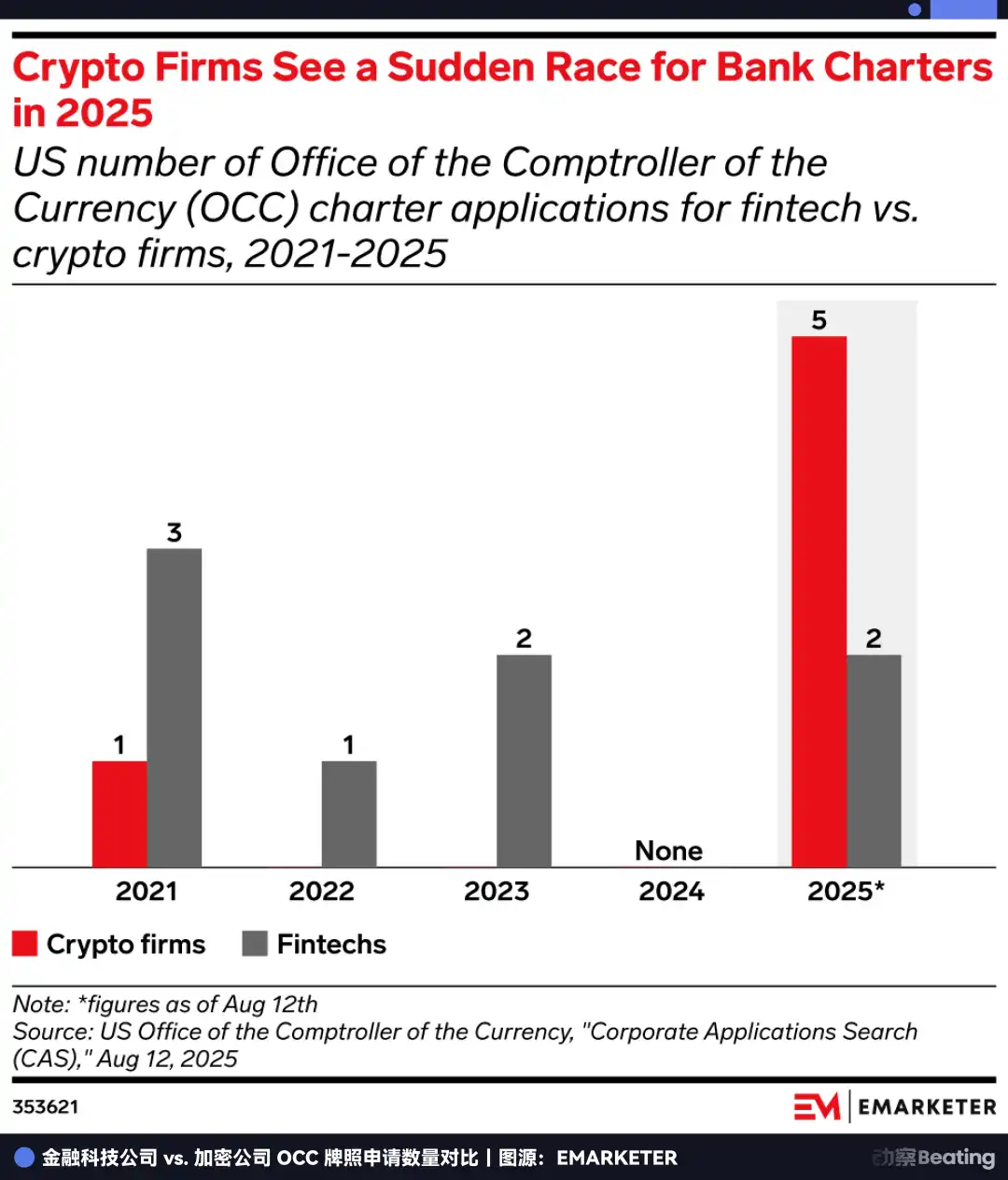
Everyone knows this is the last chance before the door closes. PayPal is racing against the regulators. If you don't rush in before the loophole is彻底堵死 by law, this door might close forever.

A Breakthrough for Survival

The charter PayPal is going to such lengths to obtain is essentially an "option."

Its current value is certain: independently issuing loans and profiting from the interest margin in a high-rate environment. But its future value lies in qualifying PayPal to enter currently forbidden but highly imaginative territories.

Look at the business Wall Street covets most. It's not payments; it's asset management.

Without a bank charter, PayPal could only act as a simple passerby deity, moving funds for users. But once it possesses an ILC charter, it gains a legitimate custodian身份.

This means PayPal can rightfully custody Bitcoin, Ethereum, and even future RWA assets for its 430 million users. Going a step further, under the future《GENIUS Act》framework, banks might be the only permitted legal入口 connecting to DeFi protocols.

Imagine a future where a "High-Yield Savings" button appears in PayPal's App, connecting in the backend to on-chain protocols like Aave or Compound, with PayPal Bank bridging the insurmountable compliance barrier in between. This would彻底打破 the wall between Web2 payments and Web3 finance.

On this dimension, PayPal is no longer competing with Stripe on fees; it's building a financial operating system for the crypto era. It's attempting to evolve from processing transactions to managing assets. Transactions are linear and have a ceiling; asset management is an infinite game.

Understanding this layer allows you to grasp why PayPal is launching this charge at the end of 2025.

It is acutely aware that it is caught in the cracks of the era. Behind it is the fear of its traditional payment business profits being zeroed out by stablecoins. Ahead is the urgency of the ILC regulatory backdoor being permanently welded shut.

To squeeze through this door, it had to sell $7 billion in assets in September to刮骨疗毒, solely to换取 the entry ticket that determines its survival.

If you stretch the timeline back 27 years, you see a轮回 filled with宿命感.

In 1998, when Peter Thiel and Elon Musk founded the precursor to PayPal, their mission was to "challenge the banks," to use electronic money to destroy those old, inefficient financial institutions.

Twenty-seven years later, this former "dragon-slaying youth" is straining every muscle to "become the bank."

In the business world, there are no fairy tales, only survival. On the eve of cryptocurrency重构 the financial order, continuing to be an "ex-giant"游离于 the system之外 means certain death. Only by obtaining that身份, even if through "using the backdoor," can it survive into the next era.

This is a生死突围 that must be completed before the window closes.

If it wins the bet, it becomes the J.P. Morgan of the Web3 era. If it loses, it becomes merely a relic of the previous internet age.

Time is running out for PayPal.

Pertanyaan Terkait

QWhy is PayPal applying for an industrial bank (ILC) license while simultaneously selling off $7 billion in 'Buy Now, Pay Later' loan assets?

APayPal is selling its loan assets to 'lighten' its balance sheet to meet strict regulatory capital requirements for bank license approval. Applying for an ILC license is a strategic move to gain direct control over its lending and stablecoin operations, reduce dependency on partners like WebBank, and capture the full profit from interest margins in a high-rate environment.

QWhat is the core risk of PayPal's current 'Banking as a Service' (BaaS) model with WebBank for its lending business?

AThe core risk is dependency. If WebBank faces regulatory issues, changes its terms, or fails (like Synapse did), PayPal's lending business could be paralyzed. This 'landlord-tenant' model leaves PayPal vulnerable, with its core operations controlled by an external entity, risking user trust and business continuity.

QHow does PayPal's stablecoin (PYUSD) strategy relate to its urgency to obtain a bank charter?

APYUSD is currently issued in partnership with Paxos, making PayPal a 'brand licensor' without direct control. As regulators like the OCC grant trust bank charters to entities like Paxos and proposed laws (e.g., GENIUS Act) favor licensed banks for stablecoin issuance, PayPal risks being sidelined. A bank charter is essential for PayPal to control the issuance, compliance, and profits of its stablecoin directly, which is critical as stablecoins threaten its core payment fee revenue.

QWhat is an Industrial Loan Company (ILC) charter, and why is it particularly attractive to non-financial companies like PayPal?

AAn ILC charter is a type of bank license that allows non-financial companies to own a bank without the parent company being classified as a bank holding company and subjected to the Federal Reserve's stringent oversight. This 'regulatory loophole' allows companies like PayPal, BMW, or Target to enjoy banking privileges (like taking deposits) while avoiding comprehensive federal regulation of their entire commercial business, enabling vertical integration of financial services.

QWhy is there a sense of urgency for PayPal to secure the ILC license in 2025?

AThere is urgency because the regulatory 'loophole' for ILCs is at risk of being closed. The FDIC has signaled potential tightening of ILC rules, and legislative efforts in Congress could permanently shut this path. With a record number of applications in 2025, companies are racing to get approved before the window closes. For PayPal, obtaining the charter is a crucial 'option' for future survival, allowing it to move into asset custody, deeper crypto integration, and compete in the evolving financial landscape.

Bacaan Terkait

RUU Kejelasan Mencapai Titik Kritis, Persimpangan Jalan Regulasi Kripto AS

Titik Kritis untuk RUU CLARITY: Amerika di Persimpangan Regulasi Kripto Pada musim semi 2026, regulasi aset kripto AS berada di titik balik sejarah. RUU *CLARITY Act* menghadapi tenggat kritis: jika tidak disetujui Komite Perbankan Senat sebelum akhir April, peluang penerapannya pada 2026 akan turun drastis dan mungkin tertunda hingga 4 tahun. RUU ini, bersama *GENIUS Act* yang mengatur stableket, akan membentuk masa depan industri. *GENIUS Act* telah menetapkan kerangka ketat untuk stableket, menuntut kepatuhan AML/CFT, cadangan 100%, dan pengawasan federal. Ini akan memicu konsolidasi pasar, menguntungkan penerbit besar dan patuh seperti USDC dan USAT (varian Tether yang patuh), sementara mempersulit pemain kecil. Inti perdebatan adalah soal imbal hasil (*yield*) stableket. Bankir tradisional memperingatkan risiko aliran dana besar-besaran, tetapi laporan penasihat ekonomi Gedung Putih menyatakan dampaknya pada pinjaman bank minimal, justru melindungi kepentingan konsumen. Kompromi politik yang dipelopori Senator Tillis dan Alsobrooks berusaha menemukan jalan tengah, dengan membedakan imbal hasil berbasis aktivitas dan pasif. Namun, isu seperti wewenang Federal Reserve, kepatuhan AML untuk DeFi, dan konflik kepentingan pejabat pemerintah masih menjadi hambatan. Jika *CLARITY Act* lolos, AS akan bersaing dengan kerangka regulasi Eropa (MiCA) dan menarik aliran modal institusional besar. Jika gagal, kepemimpinan regulasi global akan dipegang Eropa dan pusat kripto lain seperti Hong Kong dan Singapura. Kepatuhan (*compliance*) akan menjadi kompetensi inti dalam era baru aset kripto yang semakin terlembaga.

marsbit4j yang lalu

RUU Kejelasan Mencapai Titik Kritis, Persimpangan Jalan Regulasi Kripto AS

marsbit4j yang lalu

Trading

Spot
Futures

Artikel Populer

Apa Itu $S$

Memahami SPERO: Tinjauan Komprehensif Pengenalan SPERO Seiring dengan perkembangan lanskap inovasi, munculnya teknologi web3 dan proyek cryptocurrency memainkan peran penting dalam membentuk masa depan digital. Salah satu proyek yang telah menarik perhatian di bidang dinamis ini adalah SPERO, yang dilambangkan sebagai SPERO,$$s$. Artikel ini bertujuan untuk mengumpulkan dan menyajikan informasi terperinci tentang SPERO, untuk membantu para penggemar dan investor memahami dasar-dasar, tujuan, dan inovasi dalam domain web3 dan crypto. Apa itu SPERO,$$s$? SPERO,$$s$ adalah proyek unik dalam ruang crypto yang berusaha memanfaatkan prinsip desentralisasi dan teknologi blockchain untuk menciptakan ekosistem yang mendorong keterlibatan, utilitas, dan inklusi finansial. Proyek ini dirancang untuk memfasilitasi interaksi peer-to-peer dengan cara baru, memberikan pengguna solusi dan layanan keuangan yang inovatif. Pada intinya, SPERO,$$s$ bertujuan untuk memberdayakan individu dengan menyediakan alat dan platform yang meningkatkan pengalaman pengguna dalam ruang cryptocurrency. Ini termasuk memungkinkan metode transaksi yang lebih fleksibel, mendorong inisiatif yang dipimpin komunitas, dan menciptakan jalur untuk peluang finansial melalui aplikasi terdesentralisasi (dApps). Visi mendasar dari SPERO,$$s$ berputar di sekitar inklusivitas, bertujuan untuk menjembatani kesenjangan dalam keuangan tradisional sambil memanfaatkan manfaat teknologi blockchain. Siapa Pencipta SPERO,$$s$? Identitas pencipta SPERO,$$s$ tetap agak samar, karena ada sumber daya publik yang terbatas yang memberikan informasi latar belakang terperinci tentang pendiriannya. Kurangnya transparansi ini dapat berasal dari komitmen proyek terhadap desentralisasi—sebuah etos yang banyak proyek web3 bagi, memprioritaskan kontribusi kolektif di atas pengakuan individu. Dengan memusatkan diskusi di sekitar komunitas dan tujuan kolektifnya, SPERO,$$s$ mewujudkan esensi pemberdayaan tanpa menonjolkan individu tertentu. Dengan demikian, memahami etos dan misi SPERO tetap lebih penting daripada mengidentifikasi pencipta tunggal. Siapa Investor SPERO,$$s$? SPERO,$$s$ didukung oleh beragam investor mulai dari modal ventura hingga investor malaikat yang berdedikasi untuk mendorong inovasi di sektor crypto. Fokus investor ini umumnya sejalan dengan misi SPERO—memprioritaskan proyek yang menjanjikan kemajuan teknologi sosial, inklusivitas finansial, dan tata kelola terdesentralisasi. Fondasi investor ini biasanya tertarik pada proyek yang tidak hanya menawarkan produk inovatif tetapi juga memberikan kontribusi positif kepada komunitas blockchain dan ekosistemnya. Dukungan dari investor ini memperkuat SPERO,$$s$ sebagai pesaing yang patut diperhitungkan di domain proyek crypto yang berkembang pesat. Bagaimana SPERO,$$s$ Bekerja? SPERO,$$s$ menerapkan kerangka kerja multi-faceted yang membedakannya dari proyek cryptocurrency konvensional. Berikut adalah beberapa fitur kunci yang menekankan keunikan dan inovasinya: Tata Kelola Terdesentralisasi: SPERO,$$s$ mengintegrasikan model tata kelola terdesentralisasi, memberdayakan pengguna untuk berpartisipasi aktif dalam proses pengambilan keputusan mengenai masa depan proyek. Pendekatan ini mendorong rasa kepemilikan dan akuntabilitas di antara anggota komunitas. Utilitas Token: SPERO,$$s$ memanfaatkan token cryptocurrency-nya sendiri, yang dirancang untuk melayani berbagai fungsi dalam ekosistem. Token ini memungkinkan transaksi, hadiah, dan fasilitasi layanan yang ditawarkan di platform, meningkatkan keterlibatan dan utilitas secara keseluruhan. Arsitektur Berlapis: Arsitektur teknis SPERO,$$s$ mendukung modularitas dan skalabilitas, memungkinkan integrasi fitur dan aplikasi tambahan secara mulus seiring dengan perkembangan proyek. Kemampuan beradaptasi ini sangat penting untuk mempertahankan relevansi di lanskap crypto yang selalu berubah. Keterlibatan Komunitas: Proyek ini menekankan inisiatif yang dipimpin komunitas, menggunakan mekanisme yang memberikan insentif untuk kolaborasi dan umpan balik. Dengan memelihara komunitas yang kuat, SPERO,$$s$ dapat lebih baik memenuhi kebutuhan pengguna dan beradaptasi dengan tren pasar. Fokus pada Inklusi: Dengan menawarkan biaya transaksi yang rendah dan antarmuka yang ramah pengguna, SPERO,$$s$ bertujuan untuk menarik basis pengguna yang beragam, termasuk individu yang mungkin sebelumnya tidak terlibat dalam ruang crypto. Komitmen ini terhadap inklusi sejalan dengan misi utamanya untuk memberdayakan melalui aksesibilitas. Garis Waktu SPERO,$$s$ Memahami sejarah proyek memberikan wawasan penting tentang trajektori dan tonggak perkembangannya. Berikut adalah garis waktu yang disarankan yang memetakan peristiwa signifikan dalam evolusi SPERO,$$s$: Fase Konseptualisasi dan Ideasi: Ide awal yang membentuk dasar SPERO,$$s$ dikembangkan, sangat selaras dengan prinsip desentralisasi dan fokus komunitas dalam industri blockchain. Peluncuran Whitepaper Proyek: Setelah fase konseptual, whitepaper komprehensif yang merinci visi, tujuan, dan infrastruktur teknologi SPERO,$$s$ dirilis untuk menarik minat dan umpan balik komunitas. Pembangunan Komunitas dan Keterlibatan Awal: Upaya jangkauan aktif dilakukan untuk membangun komunitas pengguna awal dan investor potensial, memfasilitasi diskusi seputar tujuan proyek dan mendapatkan dukungan. Acara Generasi Token: SPERO,$$s$ melakukan acara generasi token (TGE) untuk mendistribusikan token asli kepada pendukung awal dan membangun likuiditas awal dalam ekosistem. Peluncuran dApp Awal: Aplikasi terdesentralisasi (dApp) pertama yang terkait dengan SPERO,$$s$ diluncurkan, memungkinkan pengguna untuk terlibat dengan fungsionalitas inti platform. Pengembangan Berkelanjutan dan Kemitraan: Pembaruan dan peningkatan berkelanjutan terhadap penawaran proyek, termasuk kemitraan strategis dengan pemain lain di ruang blockchain, telah membentuk SPERO,$$s$ menjadi pemain yang kompetitif dan berkembang di pasar crypto. Kesimpulan SPERO,$$s$ berdiri sebagai bukti potensi web3 dan cryptocurrency untuk merevolusi sistem keuangan dan memberdayakan individu. Dengan komitmen terhadap tata kelola terdesentralisasi, keterlibatan komunitas, dan fungsionalitas yang dirancang secara inovatif, ia membuka jalan menuju lanskap keuangan yang lebih inklusif. Seperti halnya investasi di ruang crypto yang berkembang pesat, calon investor dan pengguna dianjurkan untuk melakukan riset secara menyeluruh dan terlibat dengan perkembangan yang sedang berlangsung dalam SPERO,$$s$. Proyek ini menunjukkan semangat inovatif industri crypto, mengundang eksplorasi lebih lanjut ke dalam berbagai kemungkinan yang ada. Meskipun perjalanan SPERO,$$s$ masih berlangsung, prinsip-prinsip dasarnya mungkin benar-benar mempengaruhi masa depan cara kita berinteraksi dengan teknologi, keuangan, dan satu sama lain dalam ekosistem digital yang saling terhubung.

75 Total TayanganDipublikasikan pada 2024.12.17Diperbarui pada 2024.12.17

Apa Itu $S$

Apa Itu AGENT S

Agent S: Masa Depan Interaksi Otonom di Web3 Pendahuluan Dalam lanskap Web3 dan cryptocurrency yang terus berkembang, inovasi secara konstan mendefinisikan ulang cara individu berinteraksi dengan platform digital. Salah satu proyek perintis, Agent S, menjanjikan untuk merevolusi interaksi manusia-komputer melalui kerangka agen terbuka. Dengan membuka jalan untuk interaksi otonom, Agent S bertujuan untuk menyederhanakan tugas-tugas kompleks, menawarkan aplikasi transformasional dalam kecerdasan buatan (AI). Eksplorasi mendetail ini akan menyelami seluk-beluk proyek, fitur uniknya, dan implikasinya untuk domain cryptocurrency. Apa itu Agent S? Agent S berdiri sebagai kerangka agen terbuka yang inovatif, dirancang khusus untuk mengatasi tiga tantangan mendasar dalam otomatisasi tugas komputer: Memperoleh Pengetahuan Spesifik Domain: Kerangka ini secara cerdas belajar dari berbagai sumber pengetahuan eksternal dan pengalaman internal. Pendekatan ganda ini memberdayakannya untuk membangun repositori pengetahuan spesifik domain yang kaya, meningkatkan kinerjanya dalam pelaksanaan tugas. Perencanaan Selama Rentang Tugas yang Panjang: Agent S menggunakan perencanaan hierarkis yang ditingkatkan pengalaman, pendekatan strategis yang memfasilitasi pemecahan dan pelaksanaan tugas-tugas rumit dengan efisien. Fitur ini secara signifikan meningkatkan kemampuannya untuk mengelola beberapa subtugas dengan efisien dan efektif. Menangani Antarmuka Dinamis dan Tidak Seragam: Proyek ini memperkenalkan Antarmuka Agen-Komputer (ACI), solusi inovatif yang meningkatkan interaksi antara agen dan pengguna. Dengan memanfaatkan Model Bahasa Besar Multimodal (MLLM), Agent S dapat menavigasi dan memanipulasi berbagai antarmuka pengguna grafis dengan mulus. Melalui fitur-fitur perintis ini, Agent S menyediakan kerangka kerja yang kuat yang mengatasi kompleksitas yang terlibat dalam mengotomatisasi interaksi manusia dengan mesin, membuka jalan untuk berbagai aplikasi dalam AI dan seterusnya. Siapa Pencipta Agent S? Meskipun konsep Agent S secara fundamental inovatif, informasi spesifik tentang penciptanya tetap samar. Pencipta saat ini tidak diketahui, yang menyoroti baik tahap awal proyek atau pilihan strategis untuk menjaga anggota pendiri tetap tersembunyi. Terlepas dari anonimitas, fokus tetap pada kemampuan dan potensi kerangka kerja. Siapa Investor Agent S? Karena Agent S relatif baru dalam ekosistem kriptografi, informasi terperinci mengenai investor dan pendukung keuangannya tidak secara eksplisit didokumentasikan. Kurangnya wawasan yang tersedia untuk umum mengenai fondasi investasi atau organisasi yang mendukung proyek ini menimbulkan pertanyaan tentang struktur pendanaannya dan peta jalan pengembangannya. Memahami dukungan sangat penting untuk mengukur keberlanjutan proyek dan potensi dampak pasar. Bagaimana Cara Kerja Agent S? Di inti Agent S terletak teknologi mutakhir yang memungkinkannya berfungsi secara efektif dalam berbagai pengaturan. Model operasionalnya dibangun di sekitar beberapa fitur kunci: Interaksi Komputer yang Mirip Manusia: Kerangka ini menawarkan perencanaan AI yang canggih, berusaha untuk membuat interaksi dengan komputer lebih intuitif. Dengan meniru perilaku manusia dalam pelaksanaan tugas, ia menjanjikan untuk meningkatkan pengalaman pengguna. Memori Naratif: Digunakan untuk memanfaatkan pengalaman tingkat tinggi, Agent S memanfaatkan memori naratif untuk melacak sejarah tugas, sehingga meningkatkan proses pengambilan keputusannya. Memori Episodik: Fitur ini memberikan panduan langkah demi langkah kepada pengguna, memungkinkan kerangka untuk menawarkan dukungan kontekstual saat tugas berlangsung. Dukungan untuk OpenACI: Dengan kemampuan untuk berjalan secara lokal, Agent S memungkinkan pengguna untuk mempertahankan kontrol atas interaksi dan alur kerja mereka, sejalan dengan etos terdesentralisasi Web3. Integrasi Mudah dengan API Eksternal: Versatilitas dan kompatibilitasnya dengan berbagai platform AI memastikan bahwa Agent S dapat dengan mulus masuk ke dalam ekosistem teknologi yang ada, menjadikannya pilihan menarik bagi pengembang dan organisasi. Fungsionalitas ini secara kolektif berkontribusi pada posisi unik Agent S dalam ruang kripto, saat ia mengotomatisasi tugas-tugas kompleks yang melibatkan banyak langkah dengan intervensi manusia yang minimal. Seiring proyek ini berkembang, aplikasi potensialnya di Web3 dapat mendefinisikan ulang bagaimana interaksi digital berlangsung. Garis Waktu Agent S Pengembangan dan tonggak Agent S dapat dirangkum dalam garis waktu yang menyoroti peristiwa pentingnya: 27 September 2024: Konsep Agent S diluncurkan dalam sebuah makalah penelitian komprehensif berjudul “Sebuah Kerangka Agen Terbuka yang Menggunakan Komputer Seperti Manusia,” yang menunjukkan dasar untuk proyek ini. 10 Oktober 2024: Makalah penelitian tersebut dipublikasikan secara terbuka di arXiv, menawarkan eksplorasi mendalam tentang kerangka kerja dan evaluasi kinerjanya berdasarkan tolok ukur OSWorld. 12 Oktober 2024: Sebuah presentasi video dirilis, memberikan wawasan visual tentang kemampuan dan fitur Agent S, lebih lanjut melibatkan pengguna dan investor potensial. Tanda-tanda dalam garis waktu ini tidak hanya menggambarkan kemajuan Agent S tetapi juga menunjukkan komitmennya terhadap transparansi dan keterlibatan komunitas. Poin Kunci Tentang Agent S Seiring kerangka Agent S terus berkembang, beberapa atribut kunci menonjol, menekankan sifat inovatif dan potensinya: Kerangka Inovatif: Dirancang untuk memberikan penggunaan komputer yang intuitif seperti interaksi manusia, Agent S membawa pendekatan baru untuk otomatisasi tugas. Interaksi Otonom: Kemampuan untuk berinteraksi secara otonom dengan komputer melalui GUI menandakan lompatan menuju solusi komputasi yang lebih cerdas dan efisien. Otomatisasi Tugas Kompleks: Dengan metodologinya yang kuat, ia dapat mengotomatisasi tugas-tugas kompleks yang melibatkan banyak langkah, membuat proses lebih cepat dan kurang rentan terhadap kesalahan. Perbaikan Berkelanjutan: Mekanisme pembelajaran memungkinkan Agent S untuk belajar dari pengalaman masa lalu, terus meningkatkan kinerja dan efektivitasnya. Versatilitas: Adaptabilitasnya di berbagai lingkungan operasi seperti OSWorld dan WindowsAgentArena memastikan bahwa ia dapat melayani berbagai aplikasi. Saat Agent S memposisikan dirinya di lanskap Web3 dan kripto, potensinya untuk meningkatkan kemampuan interaksi dan mengotomatisasi proses menandakan kemajuan signifikan dalam teknologi AI. Melalui kerangka inovatifnya, Agent S mencerminkan masa depan interaksi digital, menjanjikan pengalaman yang lebih mulus dan efisien bagi pengguna di berbagai industri. Kesimpulan Agent S mewakili lompatan berani ke depan dalam pernikahan AI dan Web3, dengan kapasitas untuk mendefinisikan ulang cara kita berinteraksi dengan teknologi. Meskipun masih dalam tahap awal, kemungkinan aplikasinya sangat luas dan menarik. Melalui kerangka komprehensifnya yang mengatasi tantangan kritis, Agent S bertujuan untuk membawa interaksi otonom ke garis depan pengalaman digital. Saat kita melangkah lebih dalam ke dalam ranah cryptocurrency dan desentralisasi, proyek-proyek seperti Agent S pasti akan memainkan peran penting dalam membentuk masa depan teknologi dan kolaborasi manusia-komputer.

751 Total TayanganDipublikasikan pada 2025.01.14Diperbarui pada 2025.01.14

Apa Itu AGENT S

Cara Membeli S

Selamat datang di HTX.com! Kami telah membuat pembelian Sonic (S) menjadi mudah dan nyaman. Ikuti panduan langkah demi langkah kami untuk memulai perjalanan kripto Anda.Langkah 1: Buat Akun HTX AndaGunakan alamat email atau nomor ponsel Anda untuk mendaftar akun gratis di HTX. Rasakan perjalanan pendaftaran yang mudah dan buka semua fitur.Dapatkan Akun SayaLangkah 2: Buka Beli Kripto, lalu Pilih Metode Pembayaran AndaKartu Kredit/Debit: Gunakan Visa atau Mastercard Anda untuk membeli Sonic (S) secara instan.Saldo: Gunakan dana dari saldo akun HTX Anda untuk melakukan trading dengan lancar.Pihak Ketiga: Kami telah menambahkan metode pembayaran populer seperti Google Pay dan Apple Pay untuk meningkatkan kenyamanan.P2P: Lakukan trading langsung dengan pengguna lain di HTX.Over-the-Counter (OTC): Kami menawarkan layanan yang dibuat khusus dan kurs yang kompetitif bagi para trader.Langkah 3: Simpan Sonic (S) AndaSetelah melakukan pembelian, simpan Sonic (S) di akun HTX Anda. Selain itu, Anda dapat mengirimkannya ke tempat lain melalui transfer blockchain atau menggunakannya untuk memperdagangkan mata uang kripto lainnya.Langkah 4: Lakukan trading Sonic (S)Lakukan trading Sonic (S) dengan mudah di pasar spot HTX. Cukup akses akun Anda, pilih pasangan perdagangan, jalankan trading, lalu pantau secara real-time. Kami menawarkan pengalaman yang ramah pengguna baik untuk pemula maupun trader berpengalaman.

1.1k Total TayanganDipublikasikan pada 2025.01.15Diperbarui pada 2025.03.21

Cara Membeli S

Diskusi

Selamat datang di Komunitas HTX. Di sini, Anda bisa terus mendapatkan informasi terbaru tentang perkembangan platform terkini dan mendapatkan akses ke wawasan pasar profesional. Pendapat pengguna mengenai harga S (S) disajikan di bawah ini.

活动图片