Is the U.S. Stock Market Also at Risk of a Crash Tonight?

marsbitDipublikasikan tanggal 2026-02-02Terakhir diperbarui pada 2026-02-02

Abstrak

U.S. markets face heightened risk as Nasdaq futures drop nearly 1% and the S&P 500 retreats from highs, with VIX rising to 17.44. Technical analysis shows Nasdaq breaking a key upward trendline, potentially signaling a larger downtrend. Political uncertainty surrounds Trump’s potential Fed chair nominee Kevin Warsh, named in Epstein files, raising fears of hawkish policies and abrupt monetary tightening. Commodities saw a sharp sell-off, with gold down 12% and silver crashing 36%, triggering margin calls and cross-market contagion. Asian equities fell, and Bitcoin dropped below $75k. Economic vulnerabilities include rising Treasury yields, potential recession signals, and cracks in the AI-driven tech rally. Geopolitical tensions—such as potential U.S.-Iran conflict—and stagflation risks echo the 1979 crisis, suggesting possible aggressive Fed action and a major market correction. Investors are advised to prepare for increased volatility.

Following the plunge in gold and silver, the U.S. stock market is also under pressure. On February 2, Nasdaq index futures fell nearly 1% in pre-market trading, the S&P 500 index has retreated 0.43% from its high, and the fear index VIX surged to 17.44, indicating a clear shift toward caution in market sentiment.

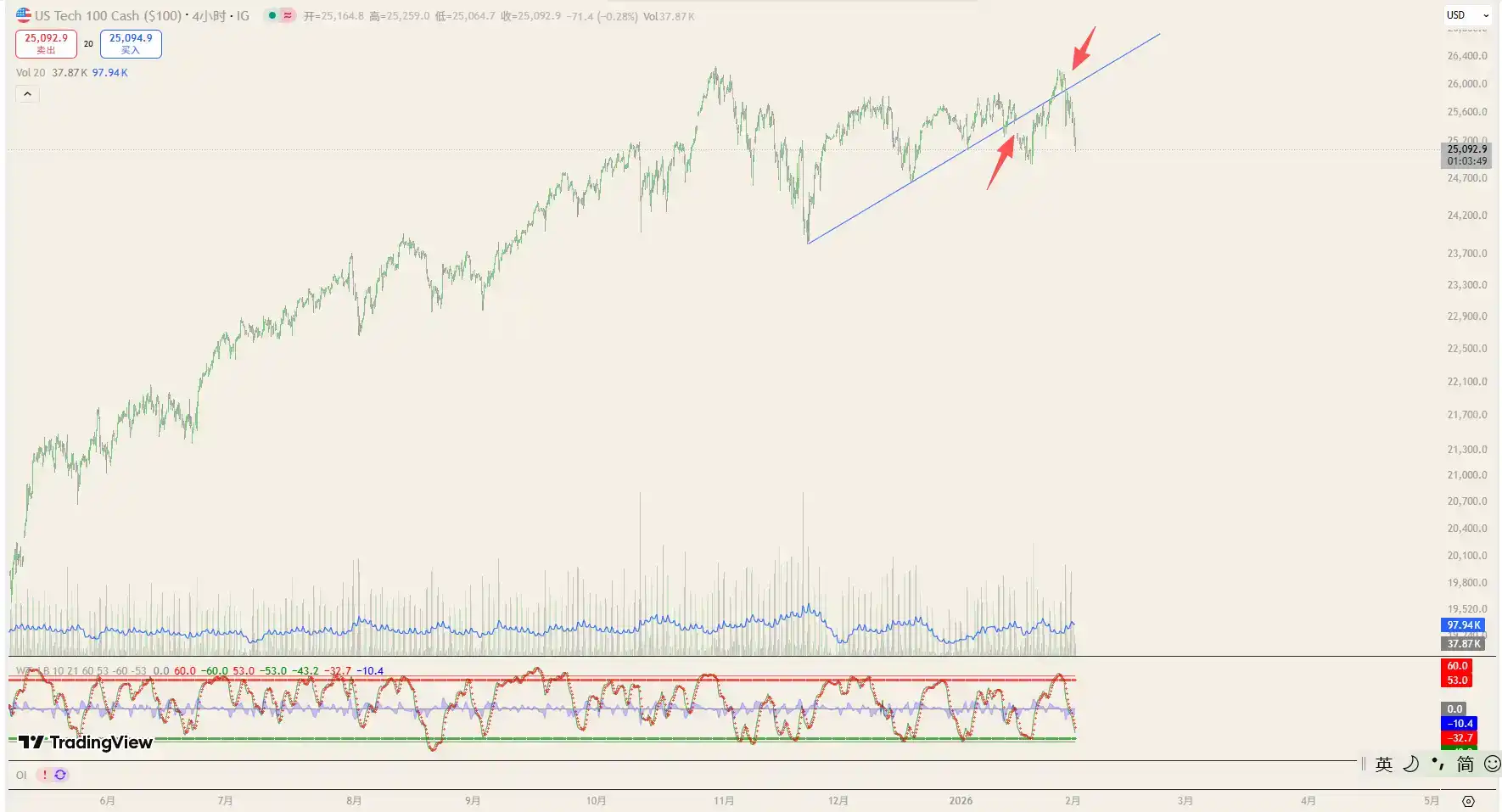
From a technical perspective, the Nasdaq index has been oscillating at high levels for three months, forming a rising wedge pattern. Now, this key upward trend line has been effectively broken for the second time, dealing a significant blow to market confidence.

If tonight's closing price falls below the previous low, forming a "Lower Low," a larger-scale downtrend may begin.
Adding to market unease is the ongoing fallout from the "Epstein Files" over the weekend. These archives, comprising over 3 million pages, have implicated Kevin Warsh, the Trump administration's nominee for the next Federal Reserve Chair.

His name appeared on the guest email list for the "St. Barts Christmas Party" in 2010. This distant political gossip has now become a real risk looming over the market.

Escalating Political Risks


Market panic stems primarily from a reassessment of policy uncertainties in the potential "Trump 2.0" era. Warsh is a staunch hawk, and his nomination almost signals the end of the low-interest-rate era.

Warsh has long been an outspoken critic of the Fed, advocating for an "institutional shift." He publicly criticized the Fed for cutting rates by a full percentage point in 2024 when inflation was above target and then hesitating, damaging its credibility.
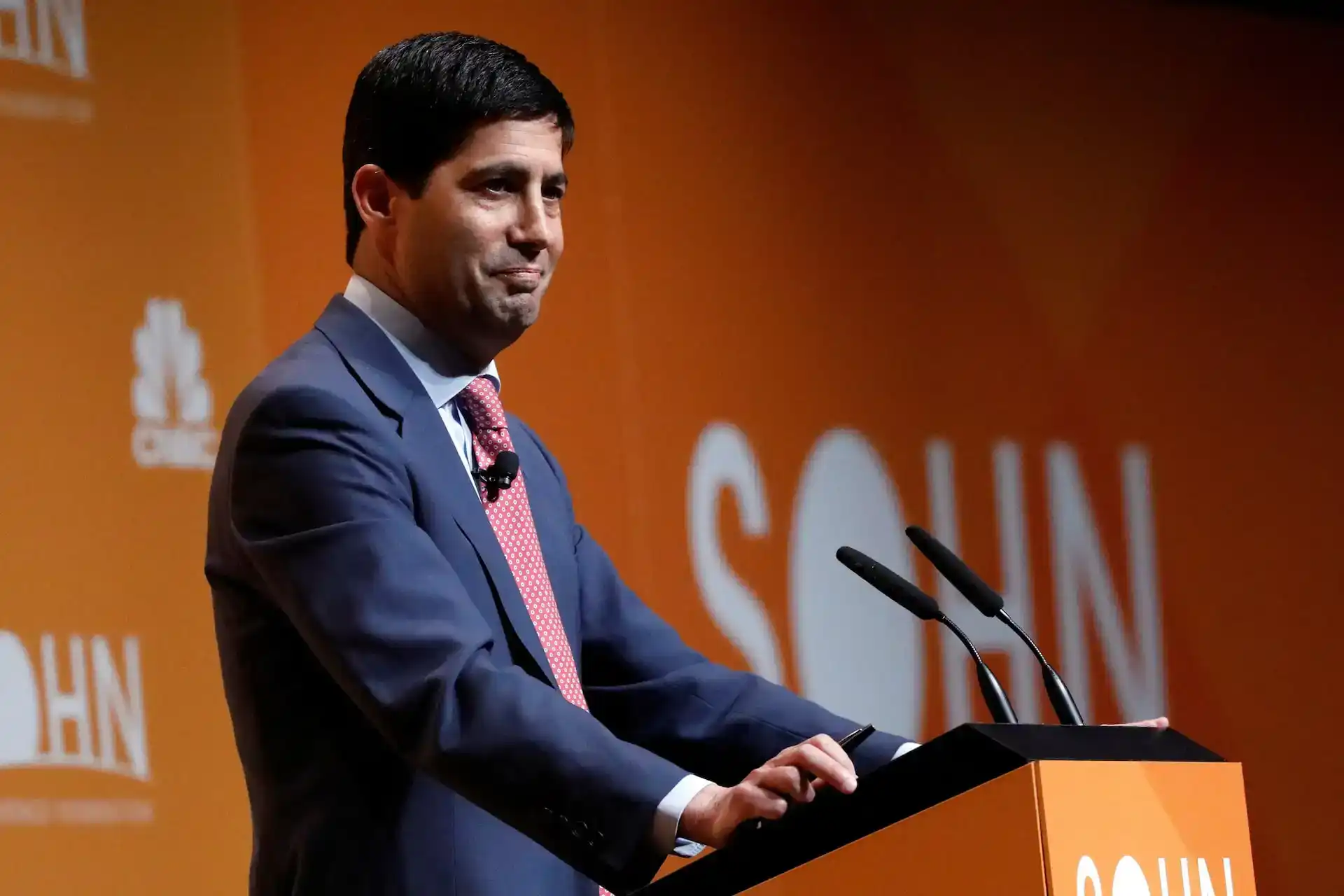
Warsh's core argument is that the Fed's massive balance sheet distorts the healthy functioning of the economy and fuels asset bubbles. He advocates for reducing the balance sheet, even if it requires tightening policies. This combination of "hawkish rate cuts" has raised concerns about a potential sharp tightening of monetary policy.

The release of the Epstein files has exposed the market to significant, unpredictable political risks. Although there is currently no evidence of Warsh's involvement in illegal activities, his association with this century's scandal itself constitutes a major political liability, making the already contentious nomination even more difficult.

Additionally, the uncertainty surrounding the Trump administration's signature tariff policies is also worrying the market. If the new round of tariffs expands in scope, it could not only hurt consumer confidence and corporate profits but also further inflate the already massive fiscal deficit.

It is projected that the U.S. fiscal deficit will reach $601 billion in the first three months of 2026 alone. This fiscal outlook, combined with the political trust crisis exposed by the Epstein files, creates an extremely fragile market environment.

Global Market and Commodity "Bloodbath"

The commodity market was the first to trigger a "long squeeze" stampede. Traditional safe-haven assets like gold and silver experienced an epic collapse, with gold prices falling by 12% at one point and silver plummeting by 36%. After ETF orders reached 30B in a single day, silver recorded its largest one-day drop since 1980, with highly leveraged long positions being liquidated en masse in a short period.

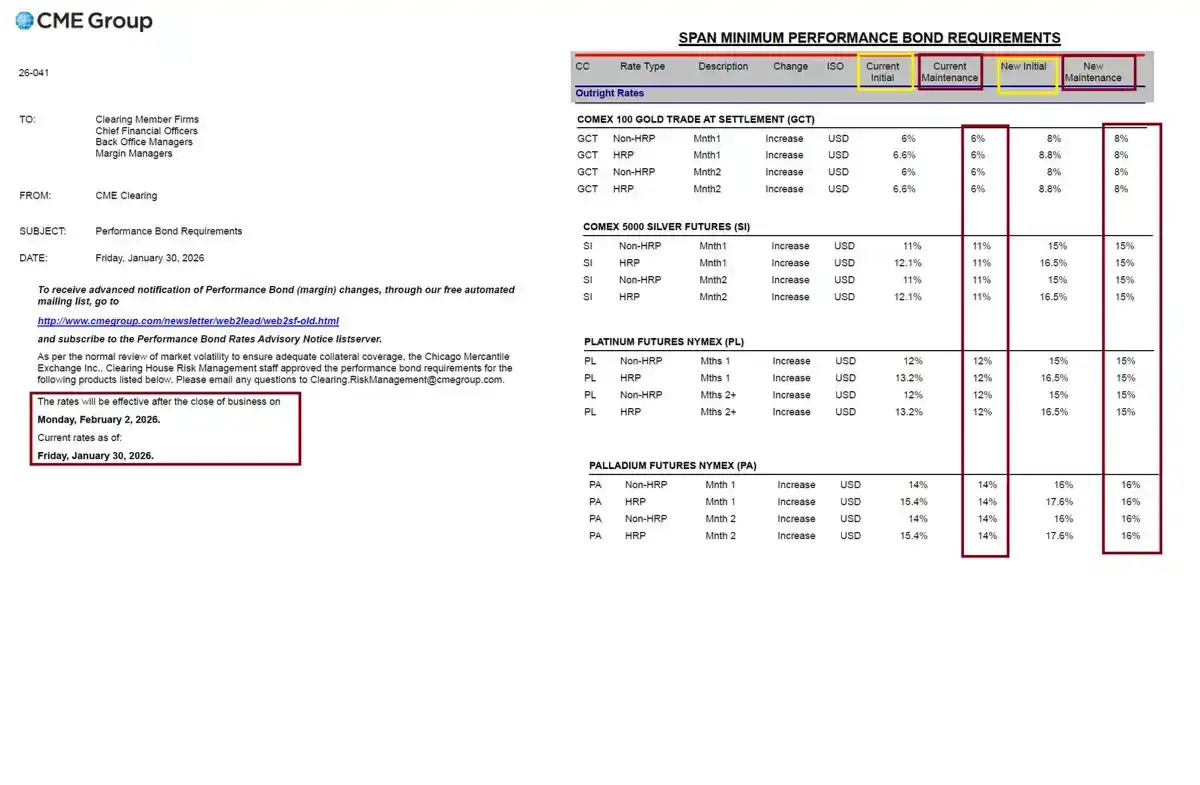
As prices fell, the Chicago Mercantile Exchange (CME) quickly raised margin requirements for gold and silver futures. For example, the margin ratio for non-high-risk silver futures accounts increased from 11% to 15%. This forced many underfunded long traders to be liquidated, with selling pressure further crushing prices and creating a vicious cycle. According to statistics, the liquidation amount for tokenized futures alone reached $140 million within 24 hours.

The storm also spread domestically, with several gold shops in Shenzhen's Shuibei district "exploding" due to participation in unqualified gold futures betting trades, involving up to 10 billion yuan and affecting thousands of investors.

Crude oil prices were not spared either, falling 5.51% to $61.62 per barrel. Weakness in Asian stock markets had already sounded the alarm, with the Nikkei index falling 1.11% and the Hang Seng Index plunging 3.15%. Bitcoin, a barometer of risk assets, also fell below the psychological threshold of $75,000. Behind this series of chain reactions may be a global deleveraging event unfolding.

When investors are forced to liquidate positions in one market (e.g., commodity futures) due to high leverage, they have to sell assets in other markets (e.g., Asian stocks, Bitcoin) to raise margin, triggering cross-market risk contagion. If this liquidity drought continues, the next target for selling could be U.S. stocks, which are currently at high valuations.

Economic Data and AI Bubble

Cracks in the economic landscape are also becoming clearer. The upcoming employment report has become the focus of market attention. If the data shows an unexpectedly cooling labor market, concerns about an economic recession will quickly intensify. The Fed is currently keeping rates unchanged, but facing persistently high inflation, its policy space is extremely limited. If inflation does not fall as expected, future rate hikes will be inevitable.

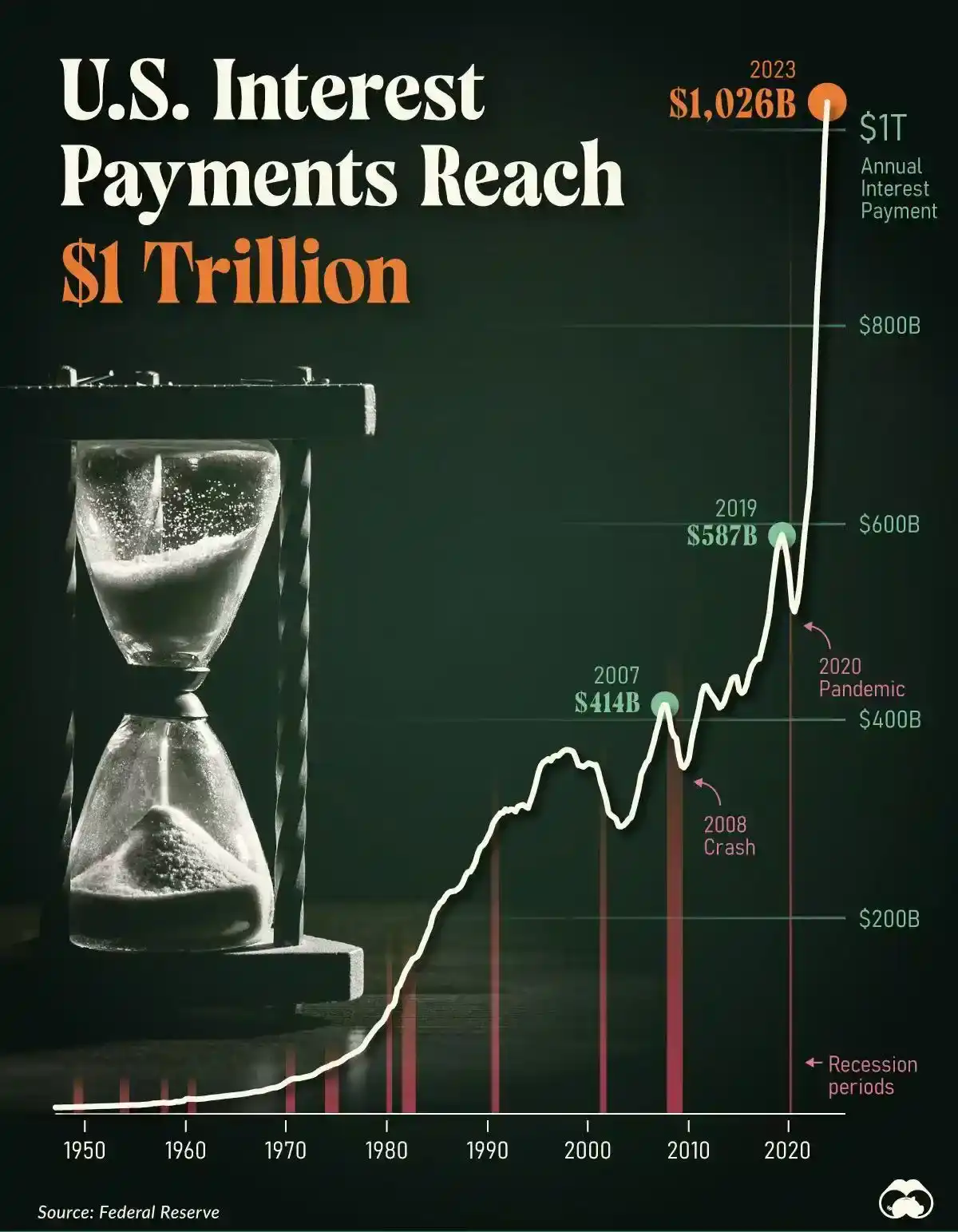
The 10-year U.S. Treasury yield has climbed to 4.218%, and the massive annual interest payments on U.S. government debt are adding to the fiscal woes. Historically, an inverted yield curve has been a reliable leading indicator of economic recessions, and the market is once again approaching this dangerous edge.
Meanwhile, the AI narrative that supported the market boom in 2025 is also showing cracks. The recent weakness in the Nasdaq index, particularly with software stocks becoming the most oversold sector in the S&P 500, indicates that market enthusiasm for AI is cooling.

Investors are beginning to realize that the commercialization and profit realization of AI are far more prolonged and challenging than imagined.

The upcoming corporate profit season, especially the earnings reports of tech giants like Amazon and Alphabet, will serve as a "litmus test" for AI. If the reports fall short of expectations, a large-scale sell-off may be inevitable.

The Ghost of 1979

The current geopolitical and macroeconomic environment bears a remarkable resemblance to 1979, which makes many seasoned investors uneasy.

1979 marked the end of the Cold War détente. In December of that year, the Soviet invasion of Afghanistan led to a sharp deterioration in U.S.-Soviet relations, pushing global geopolitical tensions to a peak.

Almost simultaneously, the Iranian Revolution triggered the second oil crisis, causing oil prices to soar and the global economy to fall into the mire of "stagflation" (economic stagnation coupled with high inflation). At the time, the Fed, under political pressure, failed to take decisive action promptly, leading to失控 inflation. It eventually took the appointment of new Chair Paul Volcker and his "shock therapy" of sharp rate hikes to curb it, but at the cost of a deep recession.

Today, we are once again facing a similar situation: heightened geopolitical tensions in the Middle East. According to data from prediction market Polymarket, as of February 2, the market believes there is a 31% probability of the U.S. striking Iran by the end of the month, with insider whales making huge bets on Khamenei's ouster.
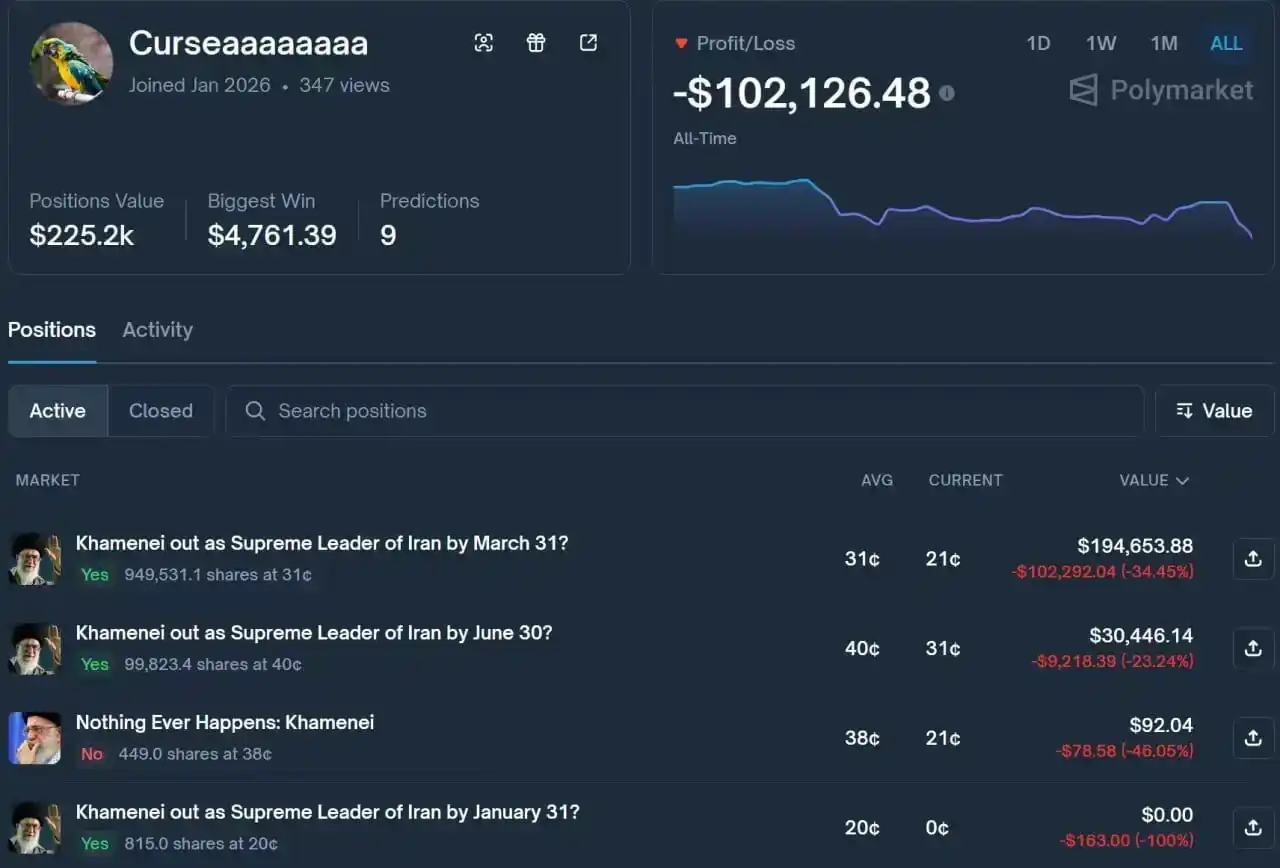

Meanwhile, energy prices are highly volatile, and global inflationary pressures remain high. The potential interference of the Trump administration with Fed independence, coupled with the nomination of a hawk like Warsh, recalls the risks of policy errors under political pressure.

If history repeats itself, aggressive tightening policies adopted to control inflation could end this artificially prolonged bull market, triggering a dollar confidence crisis and a significant correction in U.S. stocks similar to the late 1970s and early 1980s.

For investors who have been riding high on the狂欢 of 2025, it may be time to reassess risks and prepare for potential market volatility.


Pertanyaan Terkait

QWhat technical pattern has the Nasdaq index formed, and why is its recent break significant?

AThe Nasdaq index has formed a rising wedge pattern over the past three months. The recent break below the key rising trendline for the second time is significant because it damages market confidence and could signal the start of a larger downtrend if the daily close is below the previous low, forming a 'Lower Low'.

QWho is Kevin Warsh and why is his potential nomination as Fed Chair causing market concern?

AKevin Warsh is a noted hawkish figure and a vocal critic of the Federal Reserve. His potential nomination is causing market concern because he advocates for an end to the low-interest era, a significant reduction of the Fed's balance sheet, and tighter monetary policy, even if combined with rate cuts ('hawkish easing'), which could lead to a sharp tightening of financial conditions.

QWhat event triggered a 'long squeeze' in the commodity markets, and what was the result?

AA 'long squeeze' was triggered in the commodity markets, leading to an epic crash where gold prices fell 12% and silver plummeted 36%, its largest single-day drop since 1980. The CME raised margin requirements, forcing highly leveraged long positions to be liquidated, which created a vicious cycle of selling and further price declines.

QWhat macroeconomic period from history does the article compare the current situation to, and why?

AThe article compares the current situation to 1979, a period marked by the end of Cold War détente, the Soviet invasion of Afghanistan, the Iranian Revolution, the second oil crisis, and global stagflation. The similarity lies in heightened geopolitical tensions, volatile energy prices, high inflation, and the risk of political pressure leading to monetary policy errors.

QWhat is putting the AI narrative that fueled the 2025 market rally under pressure?

AThe AI narrative is under pressure because the Nasdaq's recent weakness shows market enthusiasm is cooling. Investors are realizing that the commercialization and profit realization of AI is taking longer and is more difficult than anticipated. Upcoming earnings reports from tech giants like Amazon and Alphabet will be a key test; if they disappoint, it could trigger a major sell-off.

Bacaan Terkait

Kirim Pesan Bisa Transfer Koin? Telegram Akan 'Suntik' Dompet Kripto untuk 1 Miliar Pengguna Musim Panas Ini

Pendiri Telegram, Pavel Durov, mengumumkan bahwa musim panas ini dompet kripto non-penampung (non-custodial) asli, "Gram wallet", akan dibangun ke dalam semua aplikasi Telegram. Langkah ini menargetkan lebih dari 1 miliar pengguna bulanan, menawarkan transfer aset kripto instan dan tanpa biaya. Dompet baru ini berbeda dari bot @wallet pihak ketiga yang sudah ada, karena dikembangkan langsung oleh Telegram dan pengguna mengontrol kunci pribadi mereka sendiri. Pengumuman tersebut mendorong harga GRAM (sebelumnya Toncoin) naik sekitar 8%. Namun, harga saat ini masih jauh dari titik tertinggi sebelumnya. Keputusan Durov ini adalah bagian dari roadmap "Make TON Great Again" (MTONGA), menandai kembalinya Telegram ke proyek blockchain TON setelah sebelumnya berkonflik dengan SEC pada 2018-2020. Langkah Telegram terjadi di tengah persaingan ketat fitur pembayaran di aplikasi super. X Money pimpinan Elon Musk fokus pada rute fiat yang sesuai regulasi, sementara Meta mengeksplorasi pembayaran stablecoin. Telegram memilih jalur asli kripto dengan dompet non-penampung, memanfaatkan basis pengguna besar dan kedekatan alami dengan komunitas kripto. Namun, janji "tanpa biaya" dan detail teknis lainnya, seperti dukungan aset selain GRAM serta strategi edukasi pengguna baru, masih belum diungkap. Jadwal peluncuran yang tepat juga hanya disebut "musim panas ini".

marsbit25m yang lalu

Kirim Pesan Bisa Transfer Koin? Telegram Akan 'Suntik' Dompet Kripto untuk 1 Miliar Pengguna Musim Panas Ini

marsbit25m yang lalu

7 Bulan Setelah Runtuhnya Huiwang, Lanskap Platform Jaminan Asia Tenggara Menghadapi Reshuffle Besar

Setelah platform garansi terkenal Asia Tenggara, "Huiwang Pay", runtuh pada Desember tahun lalu, pasar menyaksikan perubahan besar dan kemunculan platform-platform baru yang mengisi kekosongan. Platform-platform seperti XinBi, JinBei/JinBo, DaLi/TianCheng, Fulilai, dan LingHang kini beroperasi di wilayah gelap, terutama melayani industri abu-abu dan ilegal. Data dari Bitrace menunjukkan bahwa pendapatan platform XinBi telah melebihi 1,6 miliar USDT. Sementara itu, platform LingHang secara terbuka menyediakan layanan garansi untuk transaksi yang terkait dengan perdagangan manusia. JinBei, yang terkait erat dengan bisnis kasino, telah berganti nama menjadi JinBo. DaLi mewarisi banyak bisnis dari platform "Tudou" yang sebelumnya terkait dengan Huiwang. Adapun Fulilai terkait dengan kelompok kriminal keluarga Liu di Myanmar Utara. Meskipun platform-platform ini sering dijuluki "Alipay Asia Tenggara", fungsi sebenarnya jauh dari itu. Seperti yang ditunjukkan dalam laporan Elliptic, pasar garansi Huiwang telah menangani lebih dari 310 miliar dolar AS, menjadikannya pasar ilegal online terbesar yang pernah ada, yang terutama melayani pencucian uang, penipuan, perjudian, dan perdagangan manusia. Kebangkitan platform-platform baru ini mencerminkan ekosistem keuangan bawah tanah yang terus beradaptasi dan berkembang di Asia Tenggara, menunggu tindakan penegakan hukum lebih lanjut.

Odaily星球日报37m yang lalu

7 Bulan Setelah Runtuhnya Huiwang, Lanskap Platform Jaminan Asia Tenggara Menghadapi Reshuffle Besar

Odaily星球日报37m yang lalu

Cahaya Tak Semenarik Dulu: Apa yang Sedang Dialami oleh VC Kripto?

Krisis Dana Ventura Kripto Khusus: Pergeseran Menuju Infrastruktur dan Masa Depan yang Terpolarisasi Dana ventura khusus kripto, seperti Paradigm yang baru saja mengalihkan fokus ke AI dan robotika, sedang menghadapi tantangan eksistensial. Artikel ini membahas apakah dana semacam ini sedang menuju kepunahan, dengan menarik paralel dari siklus hidup dana khusus sebelumnya di sektor energi bersih dan SPAC. Inti masalahnya adalah runtuhnya *information advantage* (keunggulan informasi) yang dulunya dimiliki dana khusus. Saat teknologi kripto matang dan diadopsi raksasa tradisional seperti Stripe dan BlackRock, pengetahuan mendalam tentang MEV atau ekonomi validator tidak lagi menjadi penghalang masuk. Dana generalis besar (seperti a16z, Sequoia) kini dapat menilai proyek kripto dengan logika yang sama seperti fintech biasa. Industri ventura mengalami polarisasi "barbell": di satu ujung, platform besar multifokus; di ujung lain, dana kecil niche yang bisa bertahan dengan satu "home run". Dana khusus kripto ukuran menengah terjepit di "zona kematian", karena ukurannya terlalu besar untuk bergantung pada investasi seed kecil, namun terlalu kecil untuk bersaing di putaran growth. Ini memaksa banyak dana, seperti Framework Ventures, untuk melebarkan mandat investasi. Bahkan dana yang tetap berlabel "kripto" seperti Dragonfly dan a16z kini mendefinisikan ulang fokus mereka terutama pada infrastruktur keuangan berbasis blockchain (stablecoin, pasar prediksi), yang juga diminati dana generalis. Perubahan ini didorong oleh tekanan dari Limited Partner (LP) yang haus akan hasil di tengah kinerja buruk portofolio kripto mereka, dan teralihkan oleh daya tarik AI yang menyedot 70% modal ventura. Implikasi bagi startup kripto adalah tantangan baru: bersaing dengan proyek AI untuk mendapatkan perhatian di dana generalis, dan kehilangan sponsor jangka panjang untuk riset infrastruktur dasar yang kurang komersial (seperti yang pernah didanai Paradigm). Kesimpulannya, "dana ventura kripto" sebagai kategori mandiri mungkin akan usang, mirip dengan "dana internet". Kripto berevolusi menjadi infrastruktur dasar. Masa depan akan mengikuti pola barbell: dana besar multifokus mendanai pertumbuhan, sementara dana kecil khusus akan muncul untuk niche eksperimental baru (seperti tokenisasi). Dana ukuran menengah yang hanya fokus pada kripto akan menghadapi kesulitan bertahan.

Foresight News57m yang lalu

Cahaya Tak Semenarik Dulu: Apa yang Sedang Dialami oleh VC Kripto?

Foresight News57m yang lalu

Ketika Konsensus Semakin Cepat, Apa yang Ditaruhkan oleh Investor Muda?

Dengan kemajuan teknologi yang semakin cepat, terutama di bidang AI, robotika, dirgantara, dan komputasi kuantum, para investor muda berhadapan dengan perubahan logika investasi. Mereka tidak lagi cukup mengandalkan model keuangan dan pengalaman industri lama, tetapi juga harus memahami bahasa teknologi, menerima rute yang belum konvergen, dan membuat keputusan sebelum konsensus terbentuk. WAIC merilis daftar "Alpha Youth Investment Leaders," yang mencerminkan beberapa tren utama dalam investasi teknologi saat ini. Tren pertama adalah pergeseran AI dari layar ke dunia fisik. Perhatian kini beralih ke perangkat ujung, robot, mobil, sistem industri, dan infrastruktur luar angkasa. Meskipun robot humanoid dan kecerdasan emboddied menarik perhatian, fokus utama adalah kemampuan pengiriman dan ROI yang nyata, bukan hanya demonstrasi yang mengesankan. Kecerdasan ujung menjadi kunci, dengan perangkat keras AI yang membangun hubungan data dan layanan berkelanjutan dengan pengguna. Tren kedua adalah beralihnya fokus kompetisi dari model dasar ke "roda terbang cerdas." Manfaat model besar belum sepenuhnya terealisasi dalam merekonstruksi produktivitas. Nilai jangka panjang terletak pada perusahaan yang dapat mengintegrasikan kemampuan model ke dalam alur kerja nyata, membentuk siklus tertutup data, pelatihan, dan umpan balik pengguna yang saling memperkuat (roda terbang cerdas). Ini menciptakan nilai yang bertahan melampaui sekadar pembaruan model. Tren ketiga adalah munculnya teknologi dasar baru untuk mengatasi hambatan data. Ketika data manusia yang berkualitas tinggi menjadi langka, pembelajaran penguatan, permainan mandiri, dan model dasar ilmiah menjadi arah yang diperhatikan. Model-model ini bertujuan untuk membangun kemampuan yang lebih mendasar dan universal dalam bidang seperti ilmu kehidupan dan material, menggunakan data dan umpan balik eksperimen khusus untuk mendorong pertumbuhan kemampuan AI selanjutnya. Tren keempat adalah perlunya modal yang sabar untuk teknologi keras. Di bidang seperti dirgantara komersial, komputasi kuantum, dan energi canggih, siklus validasi lebih panjang dan penuh ketidakpastian teknis. Investasi di bidang ini memerlukan pemahaman awal tentang kemampuan teknik dan ketahanan tim, dengan harapan pengembalian dalam skala waktu yang lebih panjang, sambil mendorong perkembangan industri dan akumulasi kemampuan dasar. Peran investor muda adalah memahami teknologi lebih awal, masuk lebih dalam ke industri, dan membuat pilihan jangka panjang di tengah ketidakpastian.

marsbit1j yang lalu

Ketika Konsensus Semakin Cepat, Apa yang Ditaruhkan oleh Investor Muda?

marsbit1j yang lalu

Trading

Spot
活动图片




