Crypto Barbarians: The Jupiter System Still Owes the Market an Answer

marsbitDipublikasikan tanggal 2026-03-11Terakhir diperbarui pada 2026-03-11

Abstrak

The article "Encryption Barbarians: The Jupiter System Still Owes the Market an Answer" investigates the controversies surrounding the Jupiter ecosystem, particularly its affiliated projects Meteora and the founders Meow and Ben Chow, originally from the Mercurial Finance project backed by Alameda Research and FTX. After FTX's collapse, the team split into Jupiter (focused on liquidity aggregation) and Meteora (focused on dynamic market making), creating a vertically integrated ecosystem that controls everything from fiat on-ramps (via Moonshot acquisition) to trading and liquidity. This closed-loop system, while efficient, has been repeatedly accused of exploiting information asymmetry. Key controversies include: - Suspicious MET token airdrop distribution in October 2025, where a few wallets received disproportionately large allocations and showed patterns of coordinated dumping. - Suspected insider trading ahead of MET's listing on Upbit in November 2025. - The LIBRA token scandal in February 2025, where Meteora was accused of supporting a token that crashed after reaching a $4.6B market cap, causing $280M in losses. Ben Chow resigned and appointed law firm Fenwick & West (already under scrutiny for its work with FTX) for an independent investigation, which further damaged trust. While on-chain detective ZachXBT's recent report cleared Meteora in the Axiom Exchange insider trading case, the ecosystem remains under a cloud of suspicion over its centralized control, lack ...

Author: Chloe, ChainCatcher

On February 26, 2026, on-chain detective ZachXBT officially unveiled the truth behind the Axiom Exchange insider trading case: a senior business development employee had abused backend permissions for ten months, tracking KOLs' private wallets to front-run trades, illegally profiting over $400,000. This report not only concluded the case but also settled the high-stakes prediction market on Polymarket, which had held the entire market in suspense with a betting pool of $40 million.

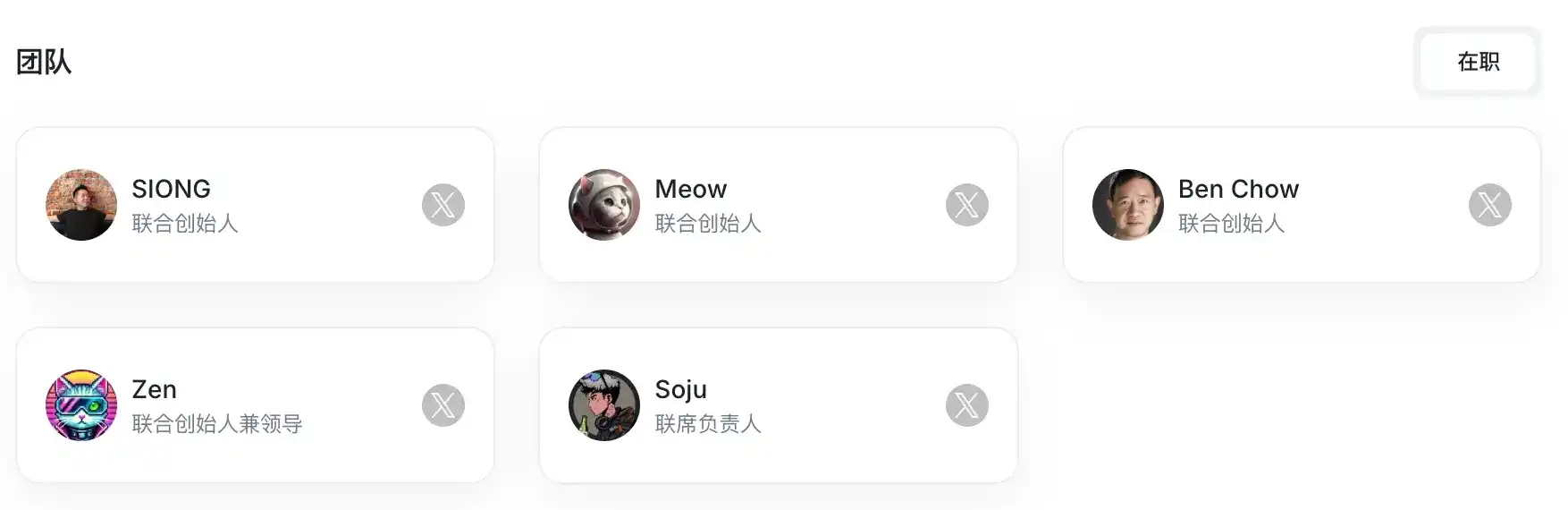
However, beyond the truth, ripples remain. Before the investigation's results were revealed, the market had unanimously pointed fingers at Meteora, whose implied probability once soared to 43%. This was not baseless speculation. According to crypto asset data platform RootData, Meteora is backed by a Singaporean-Malaysian founding team core of Meow and Ben Chow. They rose from the ashes of Mercurial Finance and built a full-stack matrix within the Solana ecosystem encompassing traffic entry points, trading aggregation, and liquidity infrastructure.
From past controversies like the LIBRA dispute, the MET airdrop scandal, to the Upbit listing rumors, Meteora's development history has always lingered in the gray area of "information asymmetry arbitrage." Although ZachXBT ultimately targeted Axiom, the various clouds of suspicion surrounding Meteora seem never to have been truly answered.

From Mercurial to the "Jupiter System," the Foundational Connection Remains

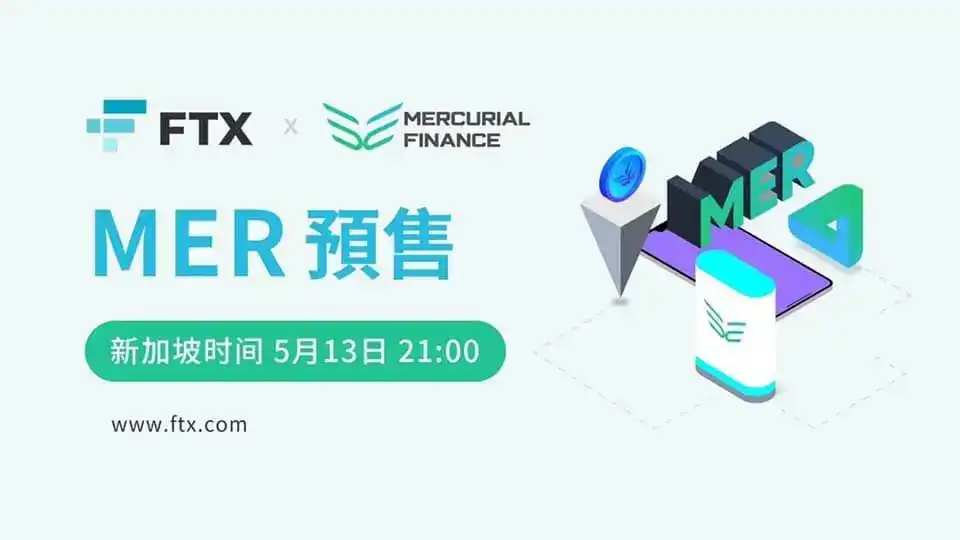
The starting point of everything traces back to 2021, when the pseudonymous Meow and Ben Chow founded Mercurial Finance on Solana, positioning it as a stablecoin asset management protocol aiming to be the Solana version of Curve. In that liquidity-surged bull market cycle, Mercurial not only received support from Alameda Research but also completed an IEO (Initial Exchange Offering) on the FTX platform with SBF's personal endorsement. Its TVL once accounted for 10% of the Solana ecosystem, a truly glorious time.
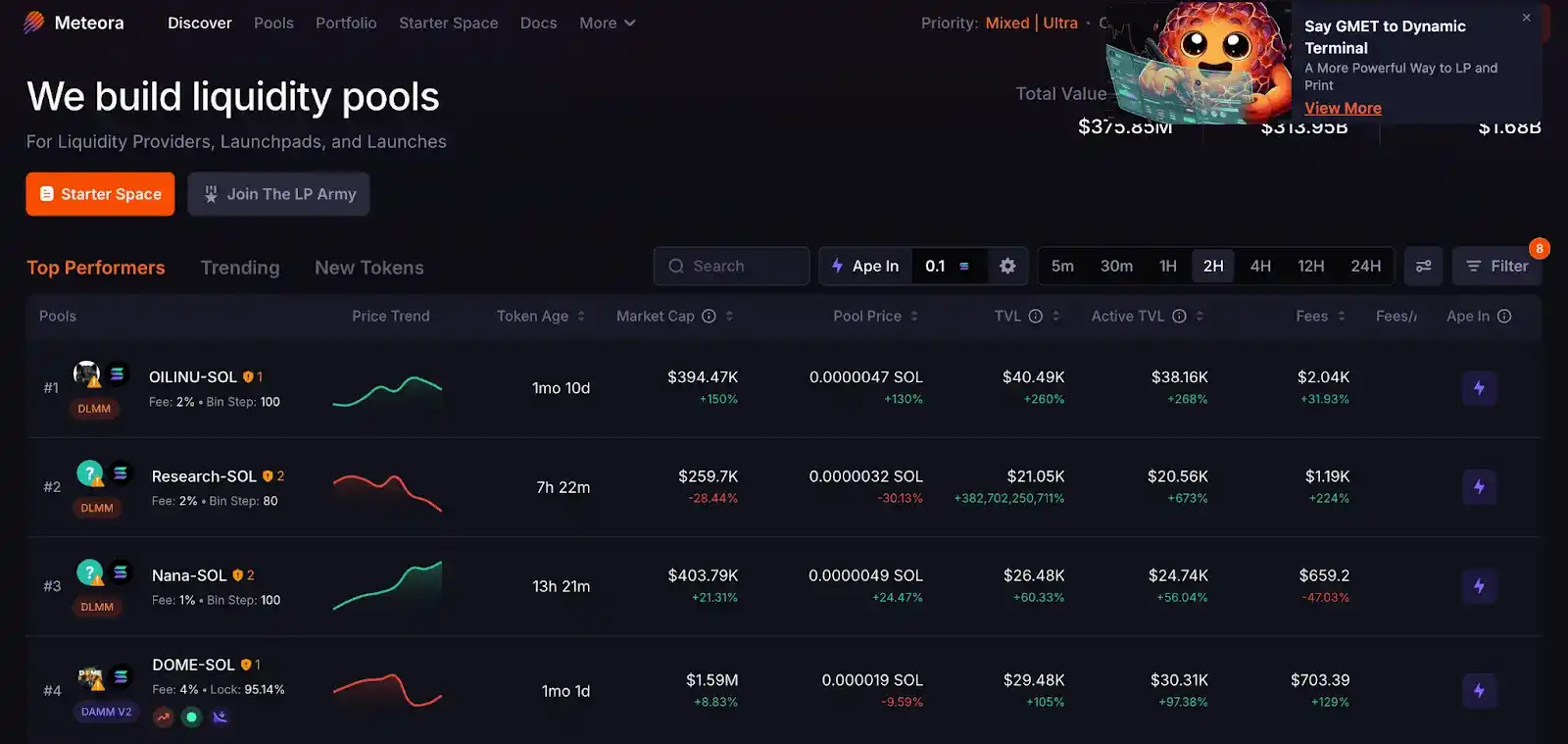
The collapse of the FTX empire in 2022 severely wounded Mercurial. However, the two founders did not choose to liquidate and leave but embarked on a rebuilding path called the "Phoenix Plan": splitting the business in two. Meow led Jupiter, aiming to solve Solana's liquidity fragmentation by defining optimal prices through routing algorithms; Ben Chow took the helm at Meteora, focusing on developing a highly capital-efficient Dynamic Liquidity Market Maker (DLMM) model. This split,表面上 (superficially) was about business focus, but in reality, it formed two independent brands with complementary flywheels, yet they were always connected in terms of shareholder structure and underlying logic.
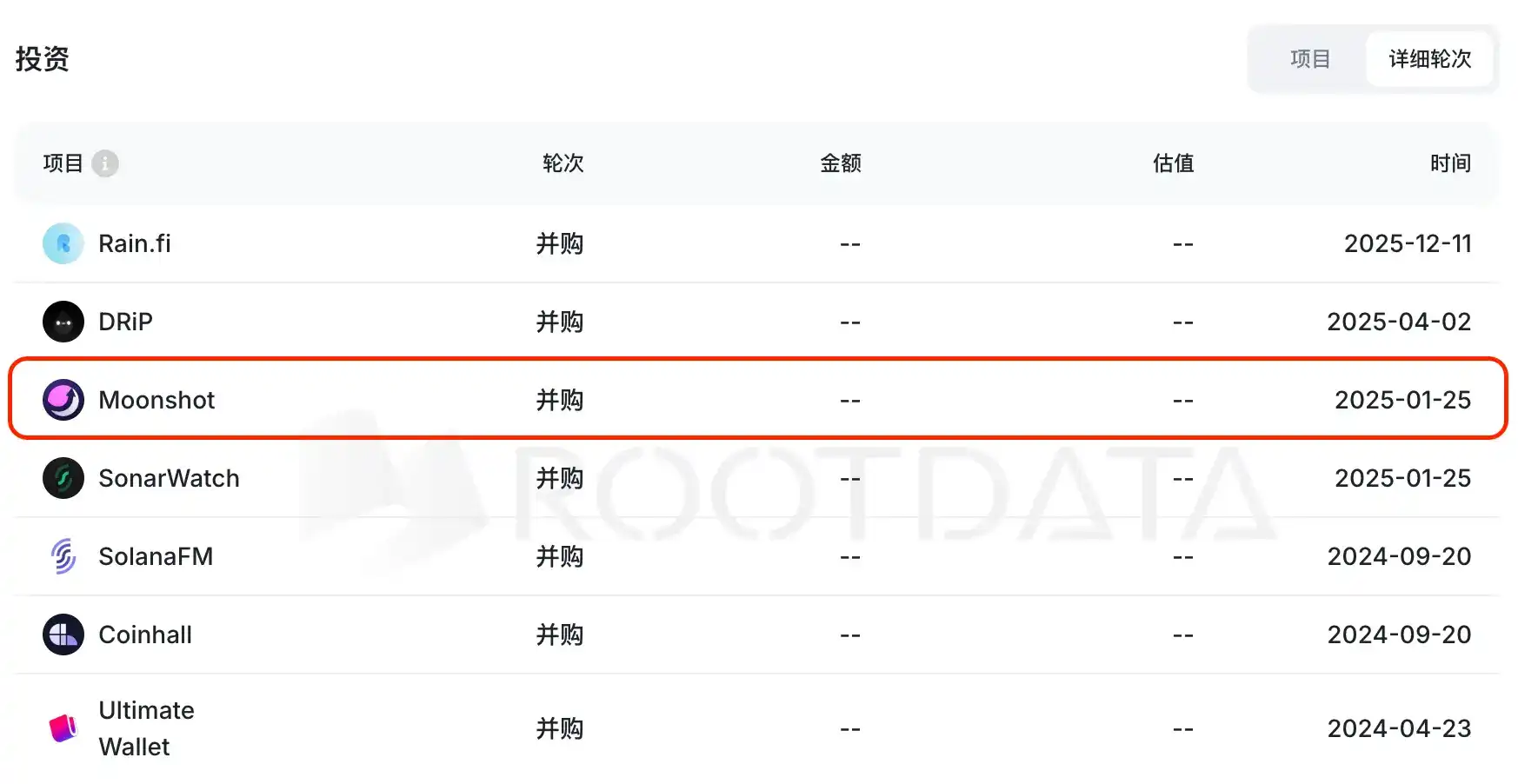
On the traffic front, Jupiter pursued an aggressive strategy. According to crypto asset data platform RootData, in January 2025, Jupiter acquired Moonshot, successfully creating the shortest path for retail users to directly purchase meme coins via Apple Pay or credit cards, flattening the consistently high barrier to entry in the crypto industry to a consumer-grade level.
This布局 (layout) was successfully monetized during the TRUMP token frenzy: when a massive flow of retail traffic poured in through Moonshot, these buy orders precisely hit the initial liquidity the TRUMP team had established on Meteora. This closed loop of "front-end capturing traffic, back-end executing trades" enabled Meteora to achieve a single-day trading volume of $7.6 billion, capturing 20% of the DEX trading share on the entire Solana chain.
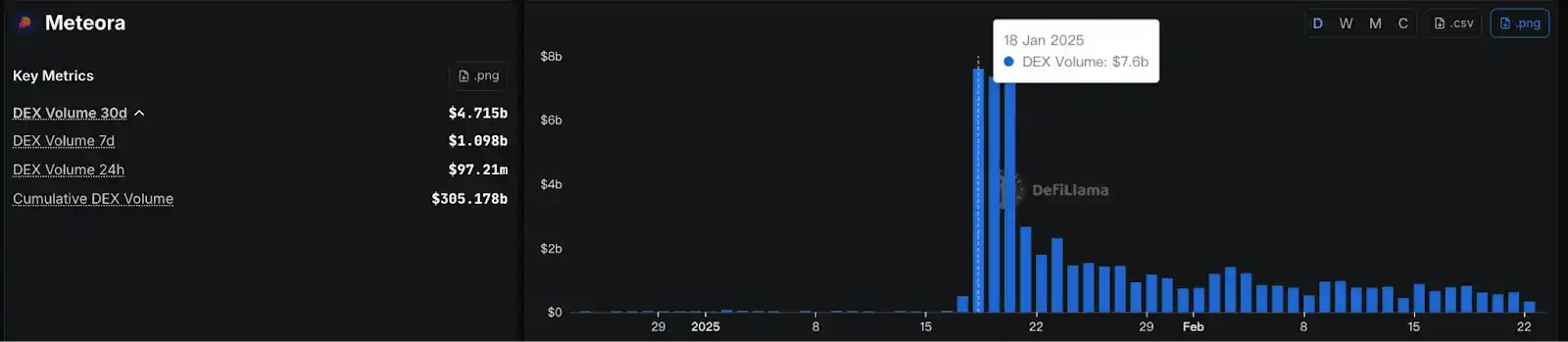
Simultaneously, Jupiter's flagship DEX aggregator evolved into a cornerstone of the Solana ecosystem. It is no longer limited to token swaps but has continuously iterated products, introducing perpetual contracts, lending markets, prediction markets, and more. Thus, Moonshot, Jupiter, and Meteora constructed a full closed-loop ecosystem spanning fiat on-ramps, front-end traffic, trading routing, multi-functional products, and automated market making, completing the transition from "project party" to "ecosystem controller."

Meteora's Airdrop Controversy and Upbit Listing Suspicions

Although vertical monopoly brought efficiency, the ensuing information asymmetry and suspicions of power abuse have always loomed over the Jupiter system. Among these, the airdrop distribution of Meteora (MET) and the Upbit listing风波 (incident) led outsiders to question whether this was truly "community first."

On October 23, 2025, Meteora had its TGE (Token Generation Event). At that time, 48% of the total token supply (i.e., 480 million tokens) was fully unlocked and entered circulation at once. The team claimed this was intentional to achieve "true price discovery," but the market's answer was brutally negative. MET plummeted from $0.90 to $0.51 within hours of opening, a single-day drop of over 55%.
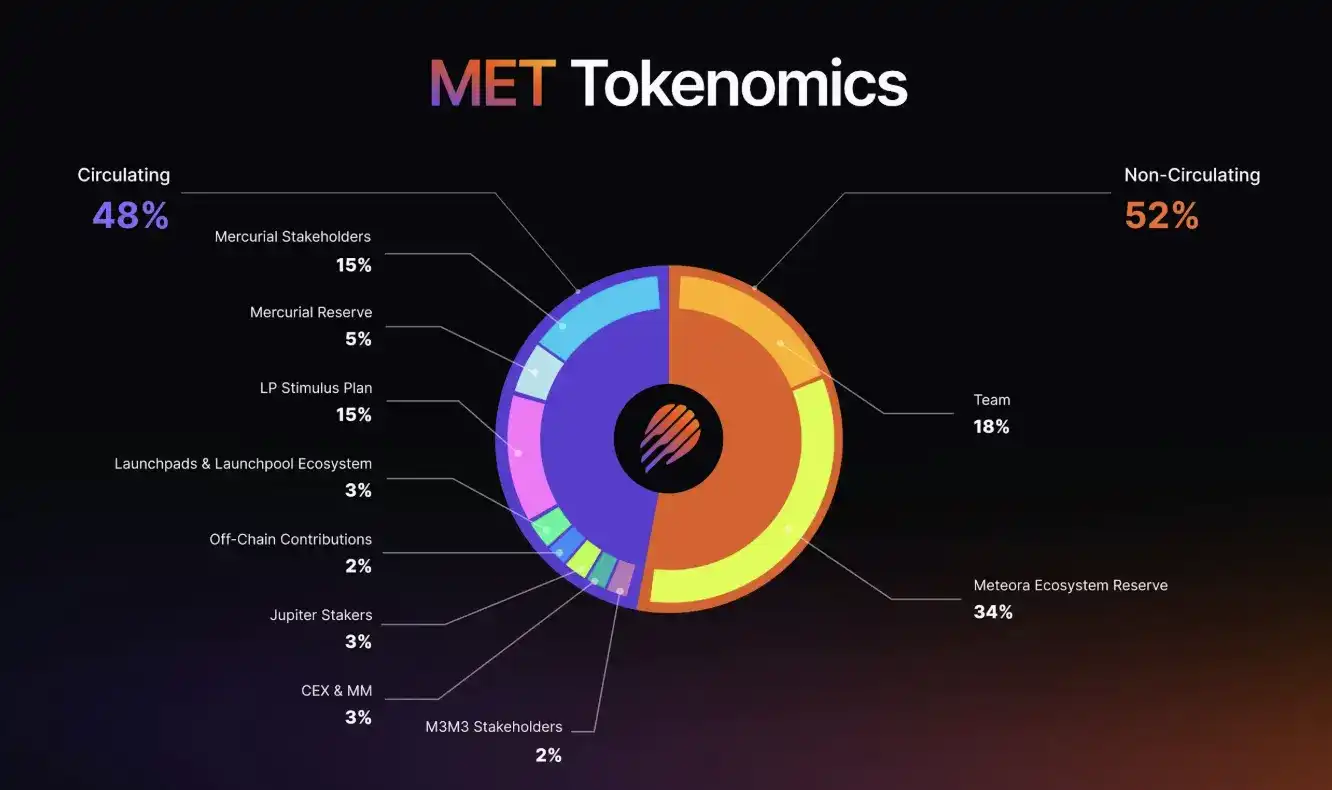
According to on-chain data from the initial TGE period, there were significant flaws in the fairness of the airdrop distribution. The top 4 claiming addresses took approximately 45.94 million tokens, accounting for 28.5% of the total claimed. The behavioral patterns of these addresses were anomalous:

  • Suspicious Address 1 (3vAau...ae): Claimed 12.15 million MET (worth $6.31 million at the time). This address had not only previously claimed the Mercurial (MER) airdrop but had also sold over 30 million JUP to exchanges in the past, employing the same dumping strategy now transferred to MET.

  • Associated Addresses 2 & 3: These two addresses exhibited extremely high synchronicity. Their JUP transfer amounts were repeatedly locked at the specific figure of 2,622,632.41, and their activity times were completely identical, likely belonging to a group controlled by the same entity.

  • Address 4: Claimed 10 million MET. Bizarrely, this address was created *after* the snapshot time and had never participated in any liquidity provision or staking activities. This "out-of-thin-air" claim completely defied the logic of the points mechanism.

If the airdrop distribution was a display of power corruption and abuse, then the information leak regarding the exchange listing touched the industry's gray area. On November 18, 2025, Meteora officially listed on Upbit, but well before the official announcement, insiders claimed to have known this information and profited from the leaked insider information. Although there is no direct evidence pointing to the Jupiter or Meteora core teams, combined with the MET airdrop controversy, it has already led the community to label them with distrust.

The LIBRA Scandal: Ben Chow's Resignation and the Responsibility Enigma

Rewinding to February 2025, the LIBRA token, endorsed by Argentine President Javier Milei, exploded onto the scene, its market cap soaring to $4.6 billion within hours before nearly crashing to zero, resulting in over $280 million in losses for tens of thousands of investors. The舆论炮火 (barrage of public criticism) quickly targeted the Meteora and Jupiter teams, with外界指控 (external accusations) that the team, knowing the token launch involved scientist front-running and wash trading, still provided a "Verified" label and liquidity support for LIBRA. Although the team insisted the verification was only to prevent fake tokens, not an endorsement, the public clearly didn't buy it.
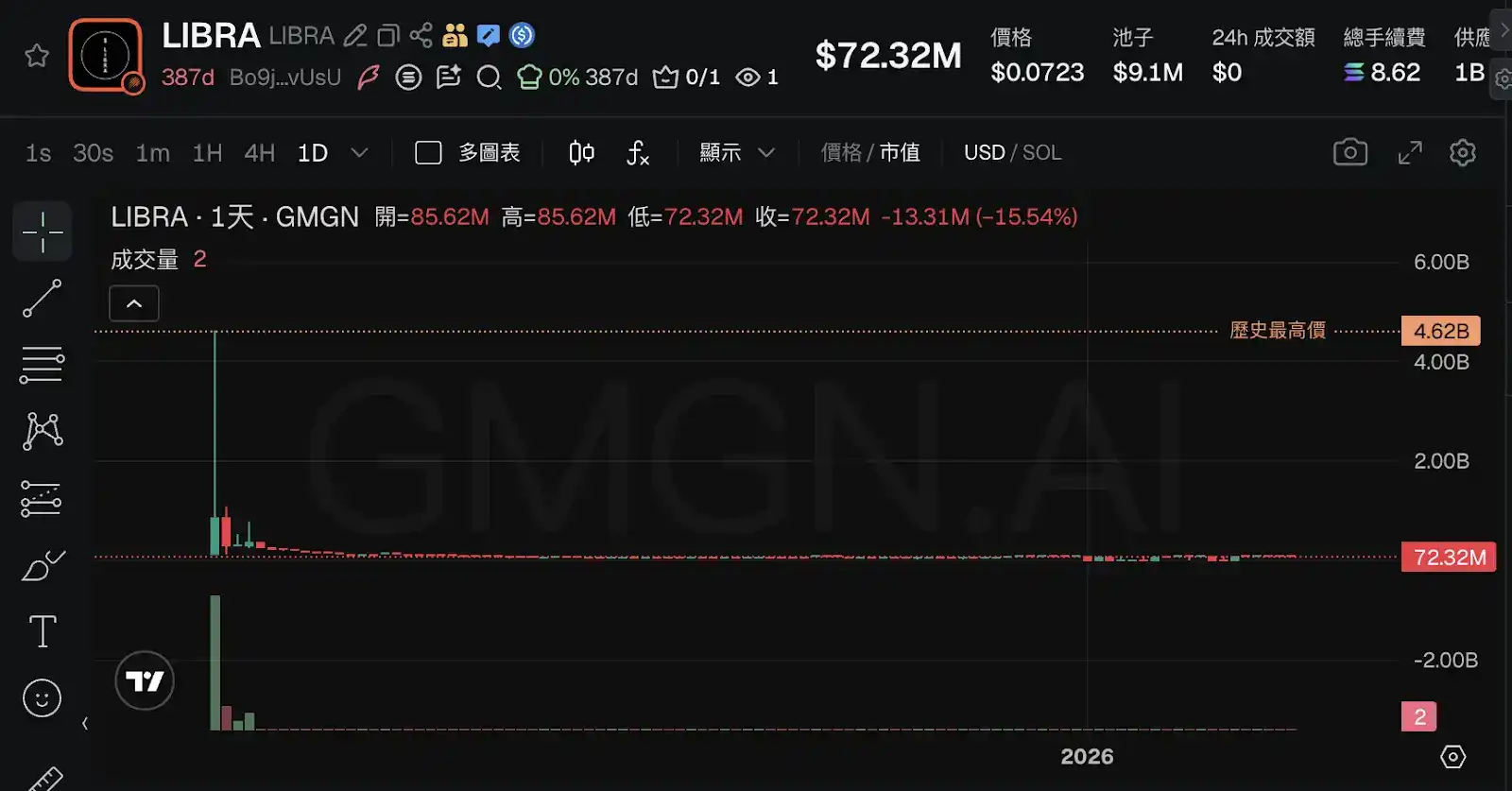
Under public pressure, Meteora's core leader Ben Chow announced his resignation and hired the law firm Fenwick & West to conduct an independent investigation. However, this move instead triggered a secondary crisis: Fenwick & West was itself deeply embroiled in class-action lawsuits stemming from the FTX collapse, with外界指控 (external accusations) that the firm had assisted SBF in blurring the financial boundaries between FTX and Alameda Research.

The community's reaction was almost uniformly sarcastic. Using a former FTX legal advisor, itself entangled in lawsuits, to "independently investigate" the ethical issues of a former FTX-affiliated project—this method of "using controversy to handle controversy" made outsiders even more suspicious about whether the Jupiter system was truly willing to move towards transparency. Although Meow eventually stated under public pressure that they would reassess the choice of legal counsel, there was no subsequent follow-up explanation.

The Double-Edged Sword Impact of Vertical Monopoly on the DeFi Ecosystem

For the average user, vertical monopoly means extreme efficiency. When you use Moonshot for on-ramping, find a route through Jupiter, and finally complete the trade in Meteora's pool, the entire pathway is optimized by the same team, reducing transaction failure rates and experience friction to a minimum. Furthermore, because the team controls both traffic and liquidity, they can quickly foster tokens with phenomenal potential like TRUMP, thereby maintaining Solana's popularity and on-chain activity.

However, for the entire ecosystem, this high degree of concentration is almost synonymous with high risk. When a single team simultaneously controls front-end traffic, trading routing weight, lending markets, and liquidity pools, once its core private keys face security issues, or core members are forced to halt operations due to legal disputes, liquidity could suffer a severe blow in a short period.

More noteworthy is the issue of "innovation monopoly." Jupiter controls most of the order flow routing on Solana. Emerging DEXs, if not integrated into Jupiter's ecosystem, almost lose the basic condition for acquiring traffic. This oligopolistic pattern at the routing level essentially constitutes an invisible market barrier—success is determined not by product superiority but by proximity to Jupiter. More worryingly, Jupiter itself participates in the liquidity business through Meteora, creating a clear conflict of interest between "directing traffic flow" and "being a beneficiary of that traffic."

Conclusion: The Shadow of the Jupiter System, and the Market's Unanswered Questions

ZachXBT ultimately exposed Axiom, but this does not mean Meteora, or the entire Jupiter system, is清白 (innocent). It may only mean that the scope of ZachXBT's investigation did not cover them this time, or that direct evidence was lacking.

The controversy surrounding Meteora has never been a black-and-white legal issue; it is a superposition of a series of gray areas: the utilization of information asymmetry, airdrop disputes, the choice of legal counsel, and even the repetitive excuse of 'we only provide infrastructure' after every high-profile token collapse.

This founding team from Singapore and Malaysia has indeed demonstrated its product execution capability to the market over the past three years, but they have also fully arbitraged every regulatory gray area with their business logic. Trust in the crypto industry has never been this easy. When the traffic entry points, trade execution, and liquidity of an ecosystem are controlled by the same community of interest, the cost is ultimately borne by retail investors.

The Polymarket bet is over, but regarding Jupiter and Meteora, the market still hasn't gotten its answers.


Pertanyaan Terkait

QWhat was the outcome of the Axiom Exchange insider trading case as revealed by ZachXBT?

AZachXBT's report concluded that a senior business development employee at Axiom Exchange had abused backend privileges for ten months, tracking KOLs' private wallets to trade ahead of them, resulting in illegal profits exceeding $400,000.

QWhat is the core controversy surrounding Meteora's (MET) token generation event (TGE) and airdrop distribution?

ADuring its TGE, 48% of MET's total supply (480 million tokens) was fully unlocked and entered circulation at once, leading to a price crash of over 55% in hours. Chain analysis revealed significant unfairness in the airdrop, with the top 4 claiming addresses taking 28.5% of the claimed total, exhibiting suspicious behaviors like massive dumping and claiming tokens without prior participation.

QHow did the Jupiter ecosystem, comprising Moonshot, Jupiter, and Meteora, create a vertically integrated monopoly on Solana?

AThe ecosystem formed a closed loop: Moonshot captured retail flow via easy fiat on-ramps (like Apple Pay), Jupiter's aggregator routed trades and expanded into various DeFi functions, and Meteora provided the backend liquidity (e.g., DLMM pools). This control over the entire user journey—from entry to execution—created extreme efficiency but also significant centralization risk and potential for information asymmetry abuse.

QWhat was the LIBRA scandal involving Meteora, and how did the team respond?

AMeteora and Jupiter were accused of providing a 'verified' badge and liquidity support for the LIBRA token, which was accused of having scientist front-running and wash trading, leading to a $280 million investor loss. Under pressure, Meteora co-founder Ben Chow resigned and the team hired law firm Fenwick & West for an independent investigation. This backfired as the firm was itself embroiled in lawsuits related to the FTX collapse, further damaging credibility.

QWhat are the potential risks to the Solana DeFi ecosystem posed by the Jupiter system's vertical integration?

AThe risks include extreme centralization vulnerability (e.g., a single point of failure from a security breach or legal issue), the creation of an 'innovation monopoly' where new projects depend on Jupiter for routing and traffic, and inherent conflict of interest as Jupiter (via Meteora) is both the traffic director and a major liquidity beneficiary, potentially stifling fair competition.

Bacaan Terkait

Dialog dengan Ray Dalio: Saat Ini Berada dalam Gelembung AI, 1% Portofolio Investasi Adalah Bitcoin

Sumber: The Diary Of A CEO Ray Dalio, pendiri Bridgewater Associates yang meramalkan krisis keuangan 2008, memperingatkan bahwa ledakan AI saat ini menunjukkan tanda-tanda klasik gelembung ekonomi yang dapat pecah dan memicu resesi. Dalam wawancara podcast, dia menjelaskan dinamika "siklus besar" yang didorong oleh ketimpangan kekayaan, defisit pemerintah, dan perubahan geopolitik. Dalio mengidentifikasi pola di mana antusiasme berlebihan terhadap teknologi revolusioner baru, seperti AI, menyebabkan harga aset melambung dan pinjaman berlebihan. Ketika kondisi berubah (seperti kenaikan suku bunga atau kebutuhan tunai), gelembung ini dapat pecah, menyebabkan penurunan harga aset, kerugian luas, dan kontraksi ekonomi. Untuk melindungi kekayaan di masa ketidakpastian, Dalio sangat menekankan pentingnya **diversifikasi portofolio**—termasuk saham, obligasi, emas, dan real estat—daripada mengandalkan uang tunai saja. Dia mengungkapkan bahwa sekitar **1% portofolionya adalah Bitcoin**, yang diakuinya sebagai aset keras, tetapi dia lebih menyukai **emas fisik** karena sejarahnya sebagai penyimpan nilai dan aset bebas liabilitas. Mengenai dampak AI, Dalio percaya bahwa teknologi ini akan menggantikan tidak hanya tenaga fisik tetapi juga kemampuan kognitif manusia, berpotensi memperlebar kesenjangan antara pemilik modal dan pekerja. Masa depan akan menguntungkan mereka yang dapat memadukan kecerdasan manusia (seperti emosi dan intuisi) dengan kemitraan AI. Secara geopolitik, Dalio menggambarkan dunia yang memasuki fase "penurunan" dalam tatanan global, dengan Amerika Serikat menghadapi tantangan internal dan eksternal, termasuk konflik seperti di Iran yang mengungkap kelemahannya. Dia memprediksi dunia mungkin menjadi lebih terregionalisasi di masa depan. Secara keseluruhan, kunci untuk navigasi melalui periode kompleks ini adalah pemahaman akan pola sejarah, adaptasi, dan diversifikasi yang cermat.

marsbit3j yang lalu

Dialog dengan Ray Dalio: Saat Ini Berada dalam Gelembung AI, 1% Portofolio Investasi Adalah Bitcoin

marsbit3j yang lalu

Rekor! Beli Bersih Asing 7,2 Triliun Won dalam Sehari, Wall Street: Tekanan Likuiditas di Pasar Saham Korea Telah Mereda

**Ringkasan: Rekor Pembelian Asing dan Peningkatan Likuiditas di Pasar Saham Korea** Aliran modal asing menunjukkan perubahan signifikan di pasar saham Korea (KOSPI). Pada 31 Juli, investor asing melakukan pembelian bersih rekor sebesar 7,2 triliun Won Korea dalam sehari, menandai pembalikan dari tren penjualan bersih besar-besaran dalam beberapa bulan terakhir. Secara bulanan, penjualan bersih asing menyusut drastis menjadi 9,8 triliun Won di Juli, turun dari 48,4 triliun dan 44,5 triliun Won pada Juni dan Mei. Tekanan penjualan dari lembaga domestik juga mereda. Dana pensiun dan reksa dana domestik justru menjadi pembeli bersih 1,0 triliun Won di Juli, setelah dua bulan sebelumnya menjadi penjual bersih. Faktor pendukung lainnya adalah peraturan baru dari Komisi Jasa Keuangan (FSC) yang memberlakukan syarat lebih ketat bagi investor ritel untuk masuk ke ETF leverage saham tunggal, yang langsung mengurangi volume perdagangan instrumen tersebut hingga sekitar 50%. Kebijakan ini diperkirakan dapat menekan volatilitas pasar. Citigroup mempertahankan target indeks KOSPI di level 10.000 poin, menyoroti memudarnya angin penentu likuiditas. Analis mereka menilai faktor fundamental seperti industri chip memori yang solid, valuasi historis yang rendah, fundamental ekonomi Korea yang kuat, dan dukungan kebijakan berpotensi menjadi pendorong bagi pasar.

marsbit3j yang lalu

Rekor! Beli Bersih Asing 7,2 Triliun Won dalam Sehari, Wall Street: Tekanan Likuiditas di Pasar Saham Korea Telah Mereda

marsbit3j yang lalu

Pembaruan! AI Generasi Berikut OpenAI Pecahkan 10 Masalah Kelas Medali Fields

**OpenAI Model Astra Pecahkan 10 Masalah Matematika Kelas Fields Medal!** OpenAI mengumumkan terobosan besar dari model internal terbarunya, Astra. Model ini dilaporkan telah membuat kemajuan signifikan dalam **10 masalah matematika yang belum terpecahkan**, dengan biaya komputasi hanya sekitar **$2000**. Hasilnya dipublikasikan dalam makalah setebal 249 halaman. Beberapa pencapaian utama meliputi: 1. **Menyelesaikan masalah "non-sofic group"** yang diajukan Mikhail Gromov tahun 1999, dengan membangun contoh kelompok yang tak hingga dan finitely presented yang bukan sofic. Ini dianggap sebagai kemajuan bersejarah. 2. **Memecahkan batas lama dalam masalah pengepakan bola berdimensi tinggi** (sphere packing), meningkatkan batas yang telah bertahan sejak 1978 untuk dimensi tak hingga. 3. **Menyangkal dugaan "Connes Rigidity"** dengan membangun keluarga tak terhitung dari kelompok berbeda yang menghasilkan aljabar von Neumann yang sama persis. Semua bukti telah diverifikasi menggunakan asisten pembuktian formal Lean 4, memastikan ketepatannya. Para ahli matematika menyebut temuan ini sebagai **momen bersejarah**, setara dengan prestasi penghargaan Fields Medal, dan menandai kemampuan AI untuk melakukan penalaran matematika mendalam di berbagai bidang. OpenAI juga membagikan proses penalaran model, menunjukkan langkah maju yang besar menuju AGI (Artificial General Intelligence).

marsbit4j yang lalu

Pembaruan! AI Generasi Berikut OpenAI Pecahkan 10 Masalah Kelas Medali Fields

marsbit4j yang lalu

Bagaimana Membuat Diri Sendiri Tak Tergantikan oleh Kecerdasan Buatan

**Ringkasan: Bagaimana Membuat Diri Anda Tak Tergantikan oleh AI** Artikel ini membahas ancaman nyata dalam era AI: bukan kehilangan pekerjaan, tetapi "perbudakan gaji"—ketergantungan pada sistem dan orang lain untuk bertahan hidup. Solusinya adalah menjadi "individu super" yang "tak bisa dipekerjakan" dengan membangun bisnis atau karya sendiri. Kunci untuk bertahan dan berkembang di masa depan bukan sekadar keterampilan teknis, tetapi menguasai lima elemen yang sulit digantikan AI: 1. **Otonomi (Agency):** Kemampuan bertindak tanpa menunggu perintah. 2. **Rasa (Taste):** Pengalaman untuk mengetahui apa yang bernilai untuk ditawarkan. 3. **Kemampuan Persuasi (Persuasion):** Keterampilan menarik perhatian dan pengakuan. 4. **Ketekunan (Persistence):** Memahami bahwa kegagalan adalah bagian dari proses. 5. **Iterasi (Iteration):** Kemampuan memperbaiki kesalahan berdasarkan umpan balik. Lima elemen ini dapat dikembangkan dengan **membuat konten** (media). Dibandingkan pemrograman (code), konten lebih unggul karena nilainya subjektif, membutuhkan penilaian manusia, dan merupakan alat distribusi yang ampuh untuk membangun koneksi dan otoritas. Untuk memulai transformasi: 1. **Ubah lingkungan** Anda secara drastis untuk memicu perubahan identitas. 2. **Gali "bahan mentah"** Anda: Identifikasi pengetahuan mendalam, masalah yang pernah Anda selesaikan, dan minat unik masa kecil Anda. 3. **Temukan "poros pemikiran balik"**: Tentukan pendapat kontra-intuitif atau keyakinan Anda yang bertentangan dengan arus utama dalam bidang Anda. 4. **Luncurkan ide pertama** Anda besok. Gabungkan jawaban dari langkah 2 dan 3, lalu publikasikan. Umpan balik nyata dari dunia adalah guru terbaik. Intinya, bangunlah *karier seumur hidup* yang autentik berdasarkan pengalaman dan sudut pandang unik Anda. Dengan memanfaatkan AI sebagai alat dan fokus pada pengembangan diri yang tak tergantikan, Anda dapat mengambil kendali atas hidup dan masa depan Anda.

marsbit5j yang lalu

Bagaimana Membuat Diri Sendiri Tak Tergantikan oleh Kecerdasan Buatan

marsbit5j yang lalu

Kunci Bitcoin Disimpan Offline Berkat Lemparan Dadu, Tetapi Tidak Semua Orang Akan Melakukannya

Berdasarkan insiden kerentanan generator angka acak pada perangkat hardware wallet Coldcard, artikel ini membahas metode pembuatan kunci Bitcoin menggunakan dadu untuk menghasilkan entropi mandiri. Claude Shannon mengukur ketidakpastian dengan konsep entropi, di mana satu lemparan dadu enam sisi setara dengan sekitar 2,585 bit. Praktik melempar dadu 50 hingga 99 kali dapat menghasilkan frasa pemulihan 12 kata yang aman (128 bit entropi), melampaui ketergantungan pada generator perangkat. Namun, insiden Coldcard mengungkap bahwa meskipun seed utama dibuat dari dadu aman, fungsi lain seperti dompet kertas, kunci kloning, dan password masih berpotensi menggunakan generator cacat. Peneliti keamanan Kevin Loaec menekankan bahwa perlindungan hanya berlaku untuk seed utama, bukan keseluruhan sistem. Proses manual ini membutuhkan ketelitian tinggi, rentan kesalahan, dan tidak praktis bagi kebanyakan pengguna baru. Oleh karena itu, meski kuat secara matematis, metode ini lebih cocok untuk pengguna berpengalaman. Artikel menyarankan pemilik Coldcard untuk memperbarui firmware, memeriksa fungsi yang pernah digunakan, dan mempertimbangkan skema multisignature dengan perangkat dari produsen berbeda untuk mitigasi risiko. Tujuan jangka panjang adalah perangkat yang dapat menghasilkan keacakan kuat secara mandiri, tanpa memerlukan prosedur rumit dari pengguna.

cryptonews.ru8j yang lalu

Kunci Bitcoin Disimpan Offline Berkat Lemparan Dadu, Tetapi Tidak Semua Orang Akan Melakukannya

cryptonews.ru8j yang lalu

Trading

Spot
活动图片




