Bankless Founder: By 2026, Tokens Will Finally Be Treated as 'Equity'

marsbitDipublikasikan tanggal 2026-02-03Terakhir diperbarui pada 2026-02-03

Abstrak

Bankless co-founder David Hoffman argues that most tokens are treated poorly compared to equity, leading to low market valuations. However, 2026 marks a shift with innovative token distribution models. MegaETH locks 53% of its MEGA tokens in a KPI-based program, where tokens unlock only if specific growth targets—like TVL, decentralization progress, and performance metrics—are met. This aligns dilution with actual ecosystem growth and distributes new tokens to long-term stakers, reducing sell pressure. Meanwhile, Cap protocol replaces traditional airdrops with a "stabledrop," distributing stablecoins (cUSD) instead of governance tokens to users. Those seeking CAP tokens must participate in a public sale, ensuring holders are committed investors. These models move away from indiscriminate token distribution toward targeted, conditional mechanisms that reward genuine participation and long-term alignment, potentially improving token value and holder quality.

Author: David Hoffman

Compiled by: Deep Tide TechFlow

Deep Tide Introduction: Are most tokens garbage? Bankless co-founder David Hoffman points out that historically, teams have treated tokens far less seriously than equity, and the market has responded to this through token prices.

But 2026 saw a turning point:

MegaETH locked 53% of its tokens in a KPI plan, which only unlocks upon achieving growth targets;

The Cap protocol replaced governance token airdrops with stablecoin airdrops, allowing only real investors to obtain CAP through token sales.

These innovative strategies are ending the era of "spray-and-pray" token distribution, shifting towards precise, conditional allocation mechanisms.

Full text as follows:

The crypto industry has a "good coins problem".

Most tokens are garbage.

Most tokens are not treated with the same legal and strategic seriousness as equity by their teams. Because teams have historically not given tokens the same respect as equity in traditional companies, the market has reflected this in token prices.

Today I want to share two sets of data that make me optimistic about the state of tokens in 2026 and beyond:

  1. MegaETH's KPI Plan
  2. Cap's Stablecoin Airdrop (Stabledrop)

Conditional Token Supply

MegaETH has locked 53% of the total MEGA token supply in a "KPI Plan". The logic is: if MegaETH does not achieve its KPIs (Key Performance Indicators), these tokens will not unlock.

Therefore, in a pessimistic scenario where the ecosystem does not grow, at least no additional tokens flood the market to dilute holders. MEGA tokens only enter the market when the MegaETH ecosystem actually achieves growth (as defined by the KPIs).

The KPIs for this plan are divided into 4 scoreboards:

  1. Ecosystem Growth (TVL, USDM supply)
  2. MegaETH Decentralization (L2Beat stage progress)
  3. MegaETH Performance (IBRL)
  4. Ethereum Decentralization

Thus, in theory, as MegaETH achieves its KPI targets, the value of MegaETH should grow correspondingly, mitigating the negative price impact of MEGA dilution on the market.
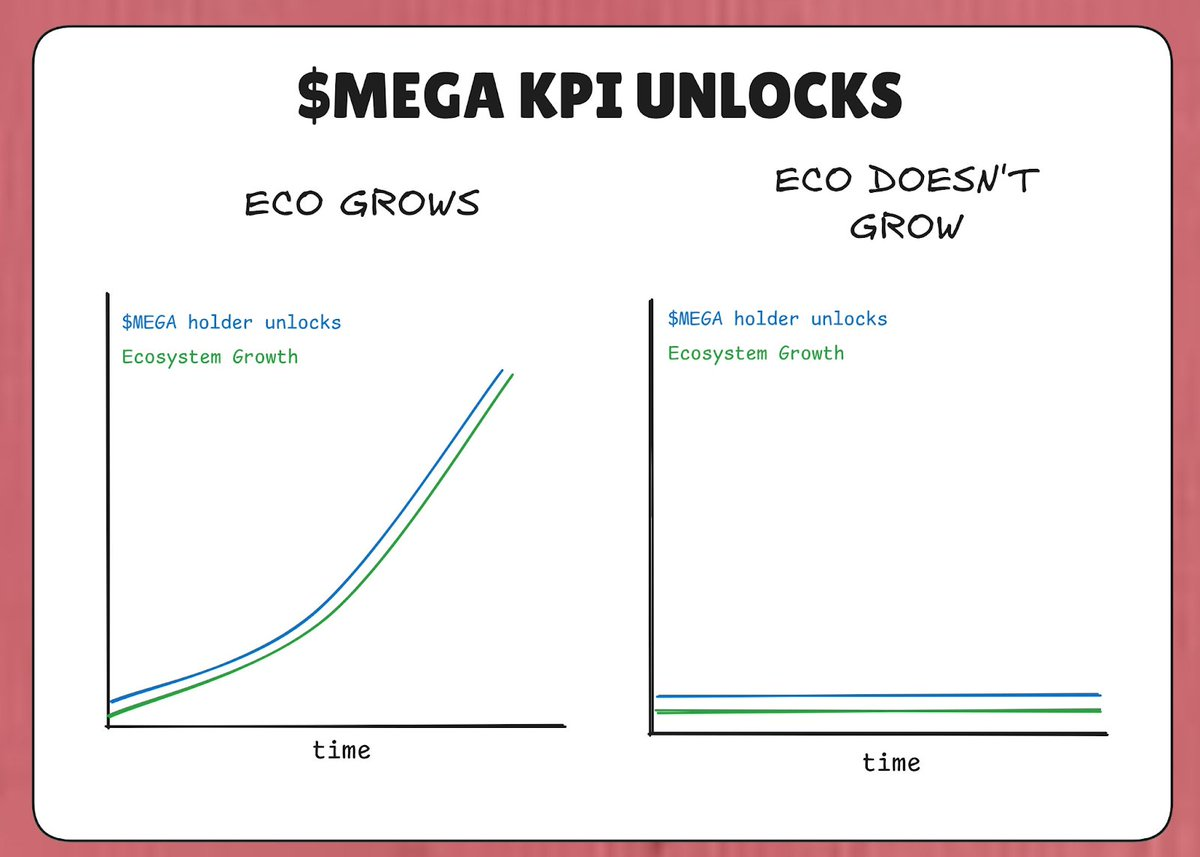
This strategy is very similar to Tesla's "pay for performance" compensation philosophy for Elon Musk. In 2018, Tesla granted Musk an equity compensation package that vested in tranches, only payable if Tesla simultaneously achieved increasing market capitalization targets and revenue targets. Elon Musk only gets paid if Tesla's revenue grows AND its market capitalization grows.

MegaETH is trying to transplant the same logic into its tokenomics. "More supply" is not a given—it's something the protocol must earn by scoring real points on meaningful scoreboards.

Unlike Musk's Tesla benchmarks, I don't see anything in Namik's KPI targets about MEGA market cap as a KPI target—perhaps for legal reasons. But as a public MEGA investor, this KPI is very interesting to me. 👀

Who Gets the Unlock Matters

Another interesting factor of this KPI plan is: who gets the MEGA when KPIs are met. According to Namik's tweet, the recipients of the unlocked MEGA are those who stake MEGA into the locking contract.

Those who lock more MEGA for longer periods receive a larger share of the 53% MEGA tokens entering the market.
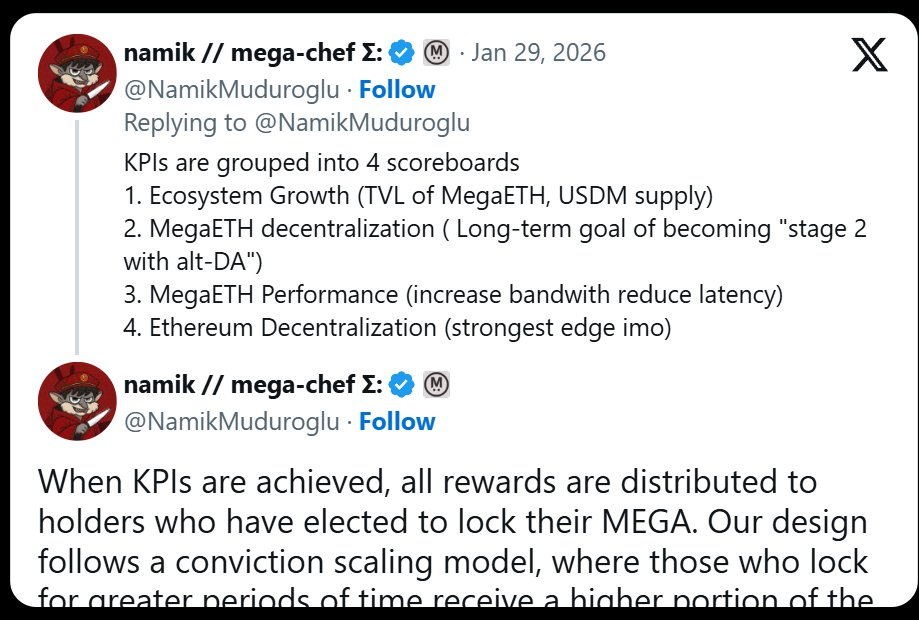
The logic behind this is simple: allocate MEGA dilution to those who have already proven themselves as MEGA holders and are interested in holding more MEGA—those least likely to become MEGA sellers.

Alignment and Trade-offs

It's worth emphasizing that this also introduces risks. We have seen historical cases where similar structures went seriously wrong. Look at this excerpt from Cobie's article: "(content)"
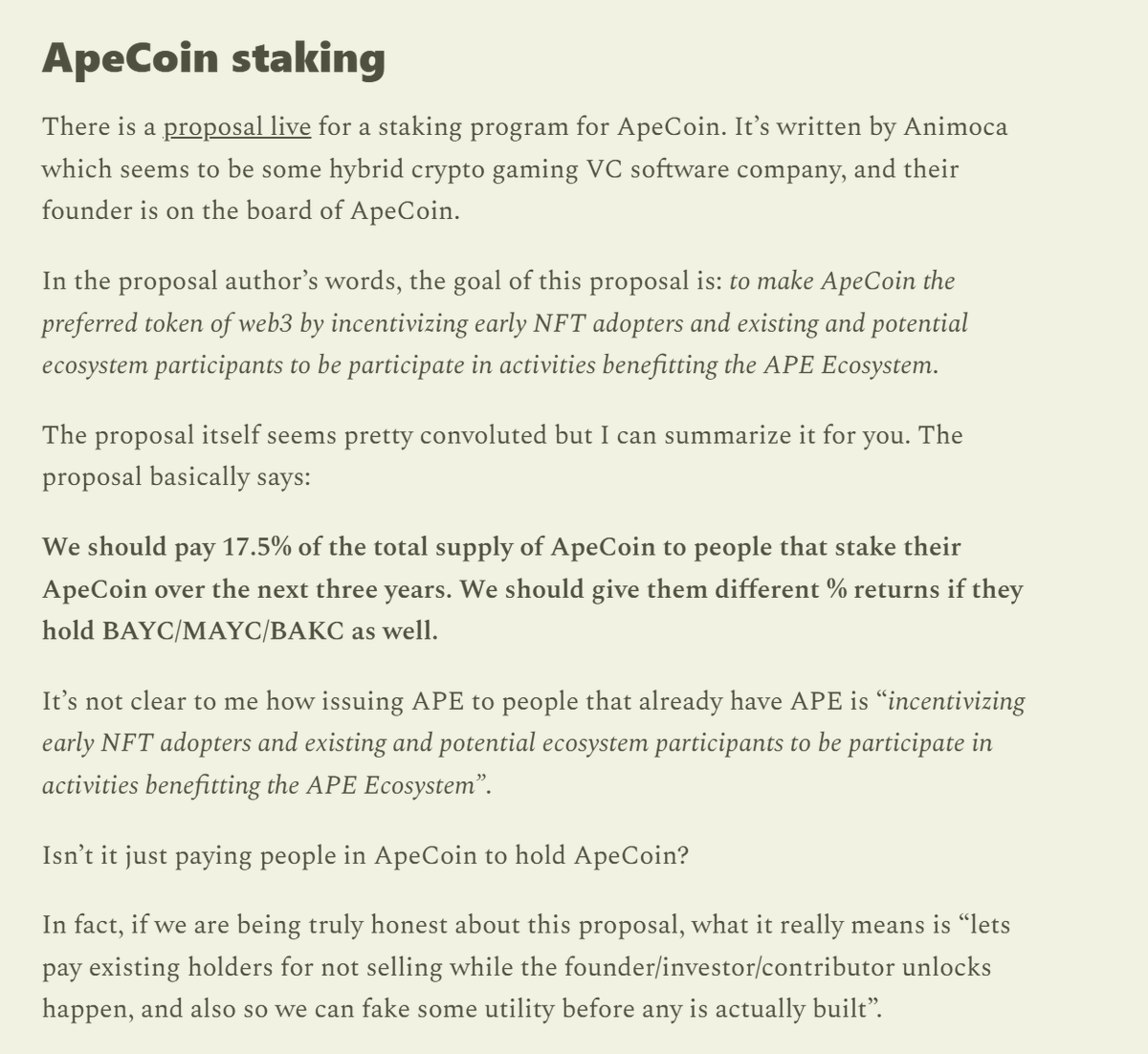
If you are a token pessimist, a crypto nihilist, or just bearish, this alignment problem is what you worry about.

Or, from the same article: "Staking mechanisms should be designed to support the goals of the ecosystem"
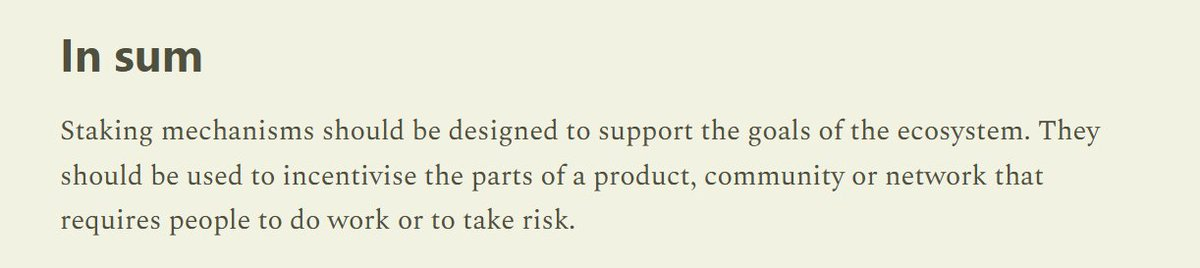
Locking token dilution behind KPIs that should actually reflect growth in the value of the MegaETH ecosystem is a much better mechanism than any vanilla staking mechanism we saw in the 2020-2022 liquidity mining era. In that era, tokens were being issued regardless of the team's fundamental progress or ecosystem growth.

Therefore, the net effect is that MEGA dilution is:

  • Conditionally constrained by corresponding MegaETH ecosystem growth
  • Diluted into the hands of those least likely to sell MEGA

This does not guarantee that MEGA value will rise as a result—the market will do what the market wants. But it is an effective and honest attempt to fix a core underlying problem that seems to plague the entire crypto token industrial complex.

Treating Tokens as Equity

Historically, teams have been "spraying and praying" their tokens across the ecosystem. Airdrops, mining rewards, grants, etc.—teams would not engage in these activities if they were distributing something truly valuable.

Because teams distributed tokens like worthless governance tokens, the market priced them as worthless governance tokens.

You can see the same philosophy in MegaETH's stance on CEX listings after Binance opened MEGA token futures on its platform (historically Binance's attempt to extort teams):
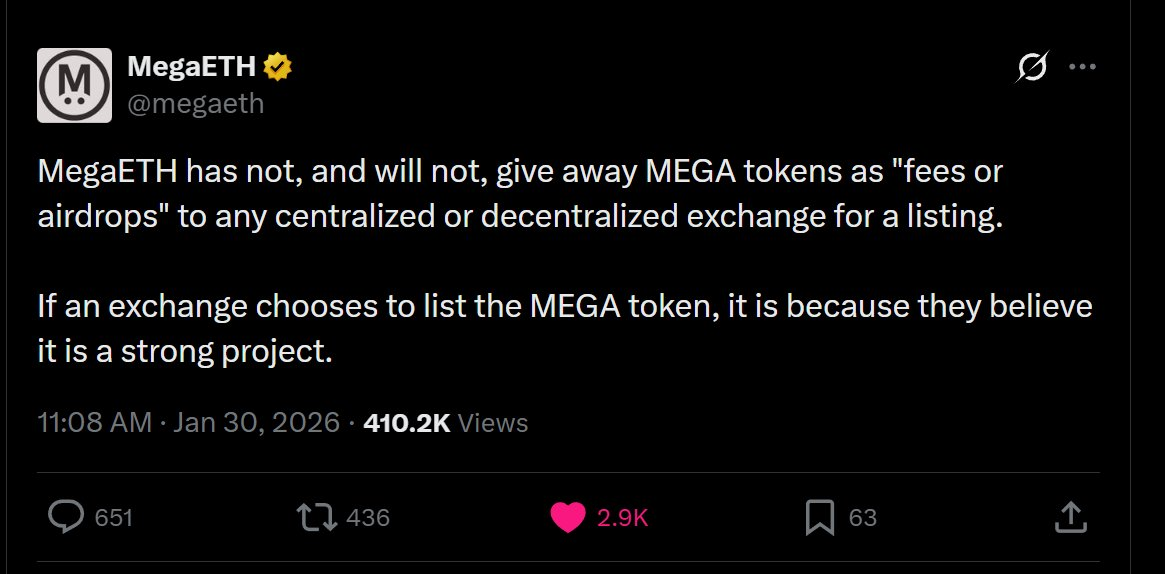
Hopefully, teams will start being more selective with their token distribution. If teams start treating their tokens as precious, perhaps the market will respond in kind.

Cap's Stablecoin Airdrop

The stablecoin protocol Cap introduced a "stablecoin airdrop" (stabledrop) instead of a traditional airdrop. Instead of airdropping the native governance token CAP, they distributed the native stablecoin cUSD to users who earned Cap points.

This approach rewards points farmers with real value, thus fulfilling the social contract. Users who deposited USDC into Cap's supply side accepted smart contract risk and opportunity cost, and the stablecoin airdrop compensated them accordingly.

For those who want CAP itself, Cap is conducting a token sale via a Uniswap CCA. Anyone seeking CAP tokens must become a real investor and commit real capital.

Filtering for Committed Holders

The combination of a stablecoin airdrop plus a token sale filters for committed holders. A traditional CAP airdrop would flow to speculative farmers likely to sell immediately. By requiring a capital investment through the token sale, Cap ensures CAP flows to participants willing to accept full downside risk for upside potential—a group more likely to hold long-term.

The theory is that this structure gives CAP a higher probability of success by creating a concentrated holder base aligned with the protocol's long-term vision, rather than a less precise airdrop mechanism that puts tokens into the hands of those focused solely on short-term profits.

Watch this video:

https://x.com/DeFiDave22/status/2013641379038081113

Token Design is Maturing

Protocols are getting smarter and more precise with their token distribution mechanisms. No more shotgun spray-and-pray token issuance—MegaETH and Cap are choosing to be highly selective about who gets their tokens.

"Optimizing for distribution" is no longer the thing—perhaps a toxic hangover from the Gensler era. Instead, these two teams are optimizing for concentration to provide a stronger foundational holder base.

I hope that as more apps launch in 2026, they can observe and learn from these strategies, and even improve upon them, so the "good coins problem" is no longer a problem, and we are left with only "good coins".


Pertanyaan Terkait

QWhat is the 'good coins problem' mentioned in the article, and why does it exist?

AThe 'good coins problem' refers to the issue that most tokens are considered garbage because they haven't been treated with the same legal and strategic seriousness as equity by teams. Historically, teams did not respect tokens as much as equity in traditional companies, and the market reflected this through token prices.

QHow does MegaETH's KPI plan work to conditionally unlock its tokens?

AMegaETH locks 53% of its MEGA tokens in a 'KPI plan,' where tokens only unlock if specific Key Performance Indicators are met. These KPIs include ecosystem growth (TVL, USDM supply), MegaETH decentralization (L2Beat stage progress), MegaETH performance (IBRL), and Ethereum decentralization. This ensures tokens enter the market only when real growth occurs, reducing dilution for holders.

QWhat is Cap Protocol's 'stabledrop' and how does it differ from traditional airdrops?

ACap Protocol's 'stabledrop' distributes its native stablecoin cUSD to users who earned Cap points, instead of airdropping the governance token CAP. This rewards users with real value for their participation. Those who want CAP tokens must become real investors by purchasing them through a Uniswap CCA token sale, ensuring committed holders.

QWhy does the article suggest that token design is evolving towards more selective distribution mechanisms?

AToken design is evolving because teams like MegaETH and Cap are moving away from 'spray-and-pray' distribution methods (e.g., indiscriminate airdrops) to highly selective mechanisms. These strategies, such as KPI-based unlocks and stabledrops, aim to distribute tokens only to committed holders, aligning incentives and creating a stronger base for long-term success.

QHow does MegaETH's approach to token distribution resemble Elon Musk's Tesla compensation plan?

AMegaETH's KPI plan is similar to Elon Musk's Tesla compensation philosophy, where Musk's equity grants vested only when Tesla achieved increasing market cap and revenue targets. Similarly, MegaETH's tokens unlock only when the protocol meets specific growth and performance KPIs, tying token issuance to tangible ecosystem progress.

Bacaan Terkait

Hoskinson Klaim Cardano Dapat Melampaui Bitcoin Dengan Memecahkan Masalah Kepercayaan Crypto

Charles Hoskinson mengklaim bahwa tujuan jangka panjang Cardano bukan hanya sekadar bersaing di pasar kripto, tetapi untuk menjadi lapisan infrastruktur kepercayaan global. Dalam siaran langsung 8 Juni, pendiri Cardano itu berargumen bahwa nilai ADA bergantung pada kemampuan jaringan dalam mengurangi ketergantungan dunia pada pihak ketiga tepercaya, yang dapat membawanya melampaui Bitcoin. Hoskinson menyatakan bahwa krisis saat ini lebih dari sekadar pasar bear; ini adalah krisis eksistensial di mana kripto dipertanyakan relevansinya. Ia menekankan bahwa fungsi inti industri ini adalah mengurangi biaya kepercayaan dalam perdagangan global, yang mencapai ratusan miliar dolar per tahun melalui audit, asuransi, dan fungsi perantara lainnya. Solusi yang diajukan adalah "verifiable reflexivity," di mana sesuatu membawa bukti kebenarannya sendiri, seperti surat suara yang membuktikan keabsahannya. Blokchain berperan sebagai lapisan penyimpanan untuk transaksi semacam ini, sementara kontrak pintar dan bukti tanpa pengetahuan (zero-knowledge proofs) menjadi mesinnya. Kripto, dalam kerangka ini, adalah sumber daya ekonomi untuk membayar infrastruktur terdesentralisasi. Hoskinson menguraikan empat persyaratan untuk Cardano: mesin desentralisasi melalui Ouroboros, model akuntansi UTXO yang diperluas, ekspansi modular seperti Hydra dan partner chains (contoh: Midnight), serta tata kelola terdesentralisasi yang mampu mengkhususkan diri. Tantangan tata kelola, termasuk fungsi eksekutif dan spesialisasi, masih perlu diperkuat. Ia menekankan bahwa Cardano harus mampu "menyembuhkan diri sendiri" dan bertahan bahkan tanpa kepercayaan pada pendirinya. Jika berhasil membangun sistem kepercayaan yang dapat diverifikasi, ADA berpotensi menjadi "mata uang kepercayaan global" dan melampaui Bitcoin. Pada saat berita, ADA diperdagangkan pada $0,16.

bitcoinist1j yang lalu

Hoskinson Klaim Cardano Dapat Melampaui Bitcoin Dengan Memecahkan Masalah Kepercayaan Crypto

bitcoinist1j yang lalu

Artikel Baru Arthur Hayes: Gelembung AI Menuju Ledakan, Pasar Kripto Tertekan Jangka Pendek

Artikel Arthur Hayes membahas potensi gelembung pasar AI yang mendekati titik pecah dan tekanan jangka pendek pada pasar kripto. Hayes berargumen bahwa harga minyak, yang sedang naik akibat ketegangan geopolitik antara AS dan Iran di Selat Hormuz, merupakan variabel kunci. Inflasi akibat kenaikan harga energi dapat mendorong calon presiden AS, Donald Trump, untuk mengambil sikap keras terhadap industri AI demi menarik suara pemilih, seperti menjanjikan regulasi dan pajak yang lebih ketat untuk pusat data dan perusahaan AI. Hal ini, ditambah dengan kenaikan biaya energi yang menggerogoti keuntungan perusahaan AI, serta tekanan dari penawaran saham IPO raksasa seperti SpaceX, Anthropic, dan OpenAI, dapat memicu koreksi besar-besaran di pasar saham AI. Hayes menunjukkan bahwa aliran dana likuiditas global dalam beberapa tahun terakhir telah terserap hampir seluruhnya ke sektor AI, bukan ke aset kripto seperti Bitcoin. Oleh karena itu, jika gelembung AI pecah, pasar kripto juga akan terkena dampak negatif dalam jangka pendek. Sebagai strategi, Hayes menyatakan telah melikuidasi saham-saham AI, mengurangi eksposur ke altcoin kripto (hanya mempertahankan Bitcoin dan Ethereum), dan beralih ke saham perusahaan energi yang diuntungkan dari tren kenaikan harga minyak. Dia memperkirakan Bitcoin akan mencapai titik terendah setelah koreksi pasar dan kemudian pulih ketika bank sentral melonggarkan kebijakan moneternya sebagai respons terhadap gejolak finansial.

marsbit2j yang lalu

Artikel Baru Arthur Hayes: Gelembung AI Menuju Ledakan, Pasar Kripto Tertekan Jangka Pendek

marsbit2j yang lalu

Peta Jalan Masa Depan OpenAI: Membuat AI Menguntungkan Setiap Orang di Seluruh Dunia

Beberapa generasi sekali, teknologi baru muncul dan mengubah segalanya. AI saat ini menghadirkan fenomena serupa. Bukan tentang teknologinya sendiri, tetapi tentang apa yang dapat dilakukan orang dengannya: memahami tagihan medis, mempelajari keterampilan baru, merawat orang tua, hingga mendorong penemuan ilmiah. Seperti listrik di masa lalu yang awalnya untuk kenyamanan tetapi akhirnya memunculkan kemungkinan baru yang mendorong kemajuan, AI memiliki potensi serupa untuk meningkatkan kemampuan dan kesejahteraan manusia. Masa depan yang aman memerlukan distribusi kekuatan yang luas, bukan terpusat pada beberapa perusahaan atau pemerintah. AI harus melayani manusia, membantu mereka mencapai tujuan, dan manfaatnya harus dapat diakses oleh semua orang, di mana saja. OpenAI berkomitmen membangun AI yang melayani manusia. Otomasi penuh bukanlah tujuan; peran manusia dalam memberikan arahan, pertimbangan, dan nilai tetap sangat penting. Kemajuan pesat dalam penelitian AI, termasuk penggunaan AI untuk mempercepat penelitian itu sendiri (target signifikan pada 2028), justru membuat penilaian manusia dan kolaborasi publik semakin krusial. Koordinasi global juga akan semakin dibutuhkan. Tiga tujuan inti OpenAI adalah: 1. Membangun peneliti AI otomatis untuk mempercepat kemajuan dengan tetap terkendali dan bertanggung jawab. 2. Mempercepat perkembangan ekonomi melalui kemajuan ilmiah dan produktivitas, dengan memastikan manfaat dibagikan secara luas. 3. Menyediakan AGI pribadi untuk setiap orang di bumi, memberi mereka akses untuk mendapatkan manfaat dari teknologi transformatif ini sesuai pilihan mereka. OpenAI kini memasuki fase ketiga: mengubah kemampuan canggih menjadi alat yang melimpah, terjangkau, aman, dan mudah digunakan untuk semua orang dan organisasi. Distribusi kekuasaan yang luas adalah kunci masa depan yang lebih baik, tangguh, dan bebas. Jika dilakukan dengan benar, AI dapat menjadi landasan peningkatan produktivitas, kreativitas, dan peluang ekonomi bagi banyak orang, sehingga memenuhi misi memastikan AGI menguntungkan seluruh umat manusia.

marsbit2j yang lalu

Peta Jalan Masa Depan OpenAI: Membuat AI Menguntungkan Setiap Orang di Seluruh Dunia

marsbit2j yang lalu

Trading

Spot
Futures

Artikel Populer

Cara Membeli AR

Selamat datang di HTX.com! Kami telah membuat pembelian Arweave (AR) menjadi mudah dan nyaman. Ikuti panduan langkah demi langkah kami untuk memulai perjalanan kripto Anda.Langkah 1: Buat Akun HTX AndaGunakan alamat email atau nomor ponsel Anda untuk mendaftar akun gratis di HTX. Rasakan perjalanan pendaftaran yang mudah dan buka semua fitur.Dapatkan Akun SayaLangkah 2: Buka Beli Kripto, lalu Pilih Metode Pembayaran AndaKartu Kredit/Debit: Gunakan Visa atau Mastercard Anda untuk membeli Arweave (AR) secara instan.Saldo: Gunakan dana dari saldo akun HTX Anda untuk melakukan trading dengan lancar.Pihak Ketiga: Kami telah menambahkan metode pembayaran populer seperti Google Pay dan Apple Pay untuk meningkatkan kenyamanan.P2P: Lakukan trading langsung dengan pengguna lain di HTX.Over-the-Counter (OTC): Kami menawarkan layanan yang dibuat khusus dan kurs yang kompetitif bagi para trader.Langkah 3: Simpan Arweave (AR) AndaSetelah melakukan pembelian, simpan Arweave (AR) di akun HTX Anda. Selain itu, Anda dapat mengirimkannya ke tempat lain melalui transfer blockchain atau menggunakannya untuk memperdagangkan mata uang kripto lainnya.Langkah 4: Lakukan trading Arweave (AR)Lakukan trading Arweave (AR) dengan mudah di pasar spot HTX. Cukup akses akun Anda, pilih pasangan perdagangan, jalankan trading, lalu pantau secara real-time. Kami menawarkan pengalaman yang ramah pengguna baik untuk pemula maupun trader berpengalaman.

832 Total TayanganDipublikasikan pada 2024.12.11Diperbarui pada 2026.06.02

Cara Membeli AR

Diskusi

Selamat datang di Komunitas HTX. Di sini, Anda bisa terus mendapatkan informasi terbaru tentang perkembangan platform terkini dan mendapatkan akses ke wawasan pasar profesional. Pendapat pengguna mengenai harga AR (AR) disajikan di bawah ini.

活动图片