‘Adapt or die’- SEC approves Nasdaq plan to trade tokenized securities

ambcryptoDipublikasikan tanggal 2026-03-19Terakhir diperbarui pada 2026-03-19

Abstrak

The SEC has approved Nasdaq's pilot program to trade tokenized securities, allowing the exchange to test blockchain-based versions of stocks and ETFs on a unified platform. The program will initially include high-volume assets like those in the Russell 1000 Index and major ETFs. Unlike many existing tokenized products, Nasdaq’s tokens will grant holders the same legal rights as traditional shareholders, including the same CUSIP numbers and trading symbols. This move is seen as a major disruptive force in asset management, with experts comparing its potential impact to that of ETFs on mutual funds. The approval accelerates Nasdaq’s partnership with Kraken and aims to enable 24/7 trading and attract offshore investors. The tokenized securities market has already surpassed $1 billion, with significant growth in early 2026.

New York-based Nasdaq Exchange has gotten the green light to proceed with its pilot program for trading tokenized securities.

The SEC approval would allow the traditional exchange to test trading of the blockchain-based version of stocks under its Depository Trust Company (DTC) pilot program.

Both traditional stocks and these tokenized variants will trade on the same unified platform. The program will initially target high-volume ETFs and stocks.

This would include the constituents of the Russell 1000 Index (Apple, Microsoft, Nvidia, Amazon, etc.). Additionally, ETFs such as the S&P 500 and the Nasdaq-100 will fall within the early asset scope.

Community reactions

For ETF analyst Nate Geraci, the SEC approval would set the stage for a massive disruption by the tokenization boom.

For him, the writing is on the wall: the top regulator, the SEC, major exchanges (Nasdaq, NYSE), and the world’s largest asset managers (BlackRock and Fidelity) are all in on tokenization.

He added,

Tokenization will be as disruptive to asset management as ETFs were to mutual funds...Will basically be adapt or die a slow death.

Nasdaq initially sought SEC approval for tokenized stocks in September 2025. But its proposal was wholly different from the current tokenized securities on the market, such as xStocks offered by Kraken and Backed Finance.

Unlike most current offerings, including leveraged derivatives that grant holders no legal rights, Nasdaq pushed for its tokenized securities to have rights similar to those of investors holding traditional shares. And the SEC acknowledged this.

A tokenized share of a DTC Eligible Security must be fungible with, share the same CUSIP number and trading symbol with, and afford its shareholders the same rights and privileges as a share of an equivalent class of the traditional security for it to trade on Nasdaq.

Nasdaq’s tokenization plans

That said, the SEC’s green light will accelerate Nasdaq’s recent partnership with Kraken to distribute tokenized securities by xStocks.

This integration may likely be tied to the DTC pilot and eventually accord xStock holders similar legal rights as traditional shareholders.

The end goal? Ensure 24/7 trading and target large offshore users to gain access to the U.S. equity market.

And the appetite for these products is incredible. So far, the tokenized segment has crossed $1B, and over $300 million of the market cap was added in Q1 2026 alone.
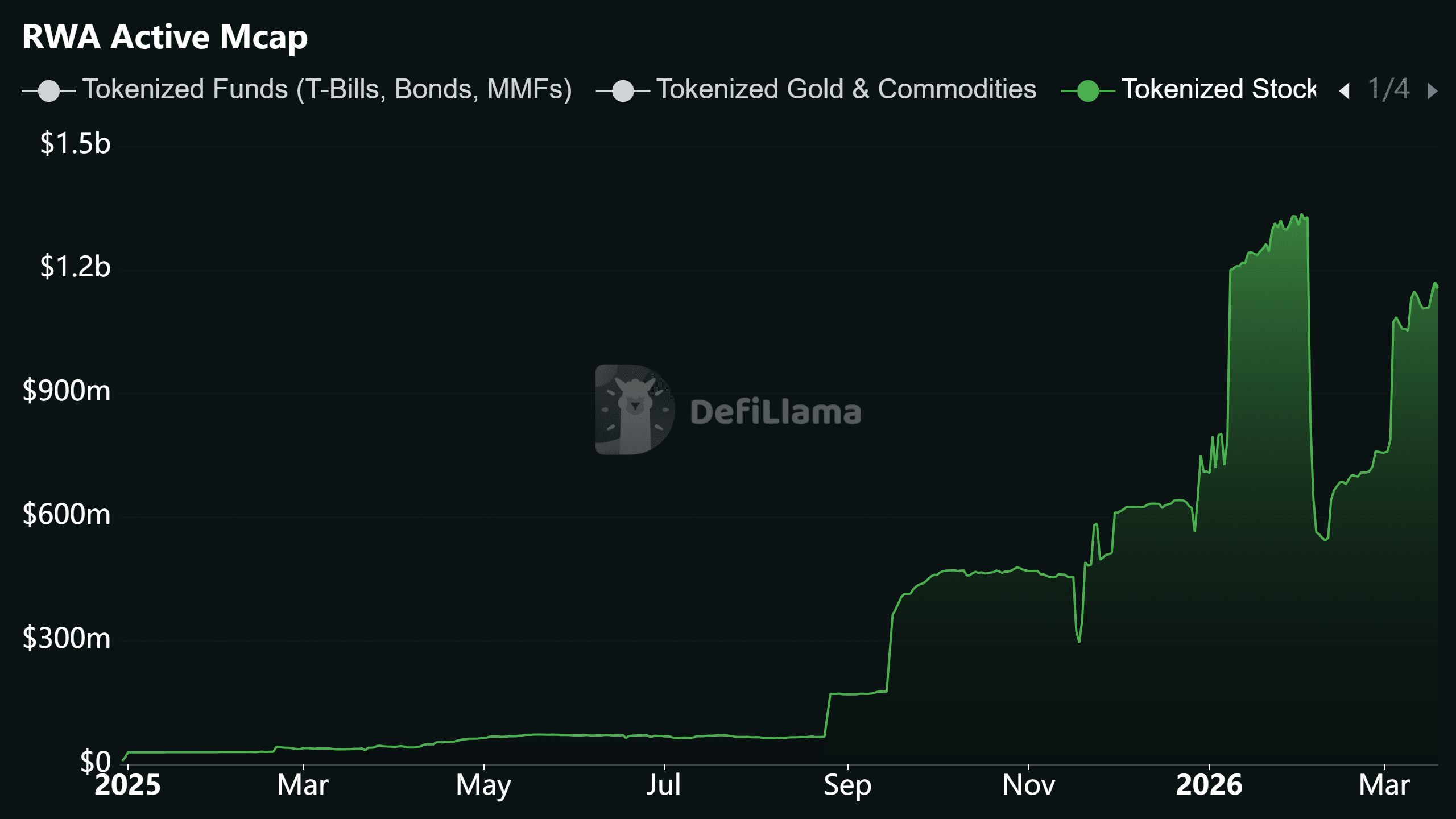
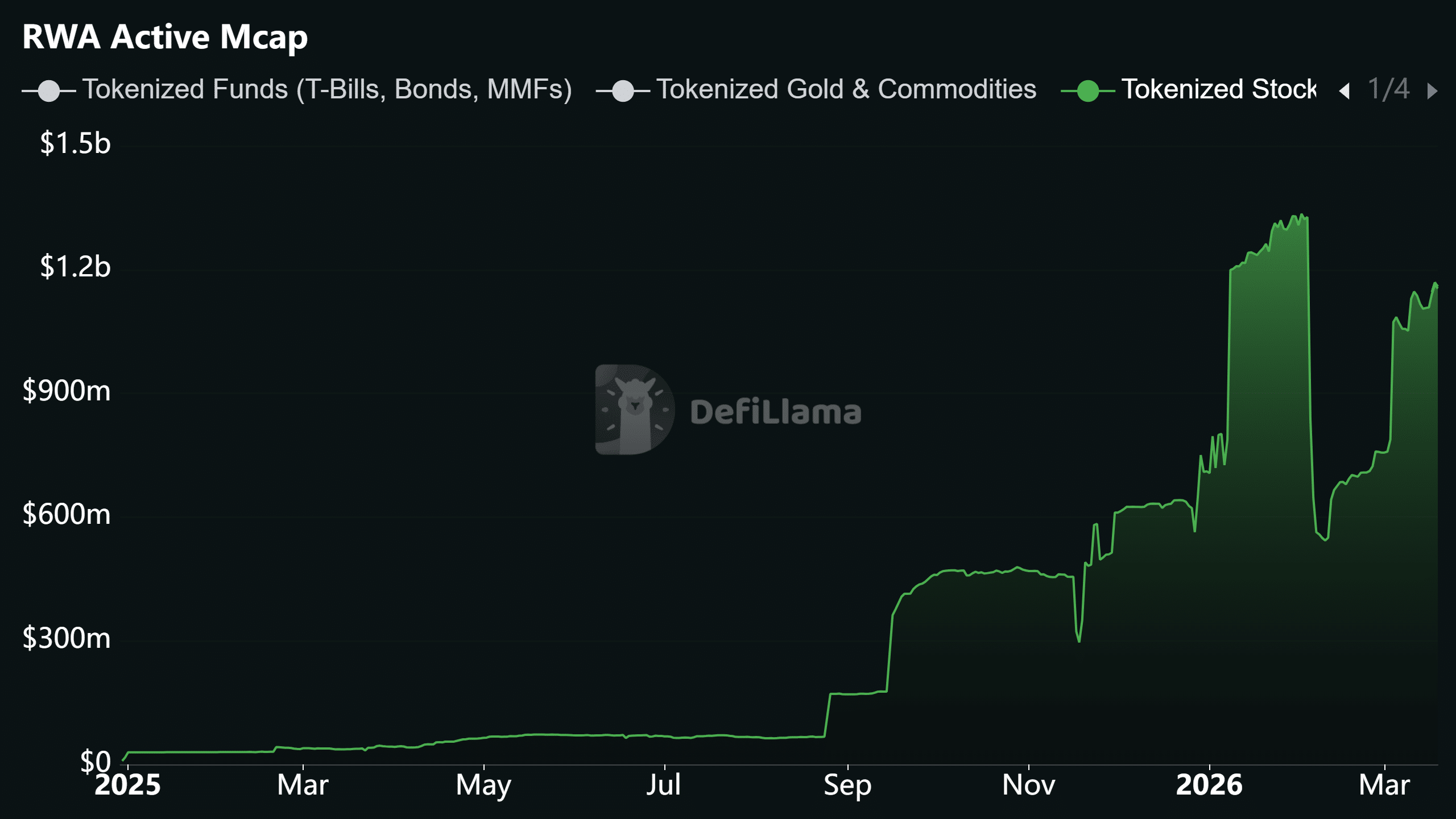
Source: DeFiLlama

Final Summary

  • The approval of Nasdaq’s tokenized securities trading is a major unfolding disruption that would force other traditional players to pivot, per an ETF expert.
  • SEC clarified that Nasdaq’s tokenized stocks and ETFs will offer similar rights as traditional securities.

Pertanyaan Terkait

QWhat is the significance of the SEC's approval for Nasdaq's pilot program?

AThe SEC's approval allows Nasdaq to proceed with its pilot program for trading tokenized securities, which are blockchain-based versions of stocks. This program will enable both traditional stocks and their tokenized variants to trade on the same unified platform, initially targeting high-volume ETFs and stocks like those in the Russell 1000 Index and major ETFs such as the S&P 500 and Nasdaq-100.

QAccording to ETF analyst Nate Geraci, how disruptive will tokenization be to asset management?

ANate Geraci believes tokenization will be as disruptive to asset management as ETFs were to mutual funds. He stated that it will force traditional players to 'adapt or die a slow death,' indicating a significant transformation in the industry.

QHow do Nasdaq's tokenized securities differ from current offerings like xStocks from Kraken and Backed Finance?

AUnlike current offerings such as leveraged derivatives that grant holders no legal rights, Nasdaq's tokenized securities are designed to have rights similar to those of investors holding traditional shares. The SEC requires that tokenized shares must be fungible, share the same CUSIP number and trading symbol, and afford shareholders the same rights and privileges as traditional securities.

QWhat is the end goal of Nasdaq's tokenization plans, as mentioned in the article?

AThe end goal of Nasdaq's tokenization plans is to ensure 24/7 trading and target large offshore users to gain access to the U.S. equity market. This initiative aims to expand market accessibility and provide continuous trading opportunities.

QWhat is the current market size of the tokenized segment, and how much growth was seen in Q1 2026?

AThe tokenized segment has crossed $1 billion in market size. In Q1 2026 alone, over $300 million in market capitalization was added, indicating significant growth and appetite for these products.

Bacaan Terkait

RUU Kejelasan Mencapai Titik Kritis, Persimpangan Jalan Regulasi Kripto AS

Titik Kritis untuk RUU CLARITY: Amerika di Persimpangan Regulasi Kripto Pada musim semi 2026, regulasi aset kripto AS berada di titik balik sejarah. RUU *CLARITY Act* menghadapi tenggat kritis: jika tidak disetujui Komite Perbankan Senat sebelum akhir April, peluang penerapannya pada 2026 akan turun drastis dan mungkin tertunda hingga 4 tahun. RUU ini, bersama *GENIUS Act* yang mengatur stableket, akan membentuk masa depan industri. *GENIUS Act* telah menetapkan kerangka ketat untuk stableket, menuntut kepatuhan AML/CFT, cadangan 100%, dan pengawasan federal. Ini akan memicu konsolidasi pasar, menguntungkan penerbit besar dan patuh seperti USDC dan USAT (varian Tether yang patuh), sementara mempersulit pemain kecil. Inti perdebatan adalah soal imbal hasil (*yield*) stableket. Bankir tradisional memperingatkan risiko aliran dana besar-besaran, tetapi laporan penasihat ekonomi Gedung Putih menyatakan dampaknya pada pinjaman bank minimal, justru melindungi kepentingan konsumen. Kompromi politik yang dipelopori Senator Tillis dan Alsobrooks berusaha menemukan jalan tengah, dengan membedakan imbal hasil berbasis aktivitas dan pasif. Namun, isu seperti wewenang Federal Reserve, kepatuhan AML untuk DeFi, dan konflik kepentingan pejabat pemerintah masih menjadi hambatan. Jika *CLARITY Act* lolos, AS akan bersaing dengan kerangka regulasi Eropa (MiCA) dan menarik aliran modal institusional besar. Jika gagal, kepemimpinan regulasi global akan dipegang Eropa dan pusat kripto lain seperti Hong Kong dan Singapura. Kepatuhan (*compliance*) akan menjadi kompetensi inti dalam era baru aset kripto yang semakin terlembaga.

marsbit10j yang lalu

RUU Kejelasan Mencapai Titik Kritis, Persimpangan Jalan Regulasi Kripto AS

marsbit10j yang lalu

Trading

Spot
Futures
活动图片