Github's 10k-Star Agent Platform 'Instant' Acquired by OpenAI, Entire Team Joins, Hailed as 'AI-Era Firebase'

marsbitDipublikasikan tanggal 2026-08-24Terakhir diperbarui pada 2026-08-24

Abstrak

OpenAI has acquired the entire team of Instant, a YC S22 startup known as the "Firebase for the AI era." Instant's core product provides backend infrastructure—including databases, authentication, real-time sync, and offline caching—specifically designed for AI Agents. The acquisition aims to solve a critical weakness in current AI Agents: their lack of persistent memory and state management, which hinders reliable, multi-agent collaboration and long-running workflows. Instant, founded by ex-Facebook and Airbnb engineers, had gained significant traction with over 10,000 GitHub stars, 17,000 developers, and 400,000 apps built on its platform. This move is part of OpenAI's broader 2026 strategy to aggressively acquire developer infrastructure companies. By integrating tools like Instant, OpenAI is evolving from a model provider into a comprehensive AI platform, aiming to create a fully integrated ecosystem for building and deploying AI applications.

OpenAI makes another major move!

Just now, Instant, a star startup from YC S22, announced: the entire team is officially joining OpenAI.
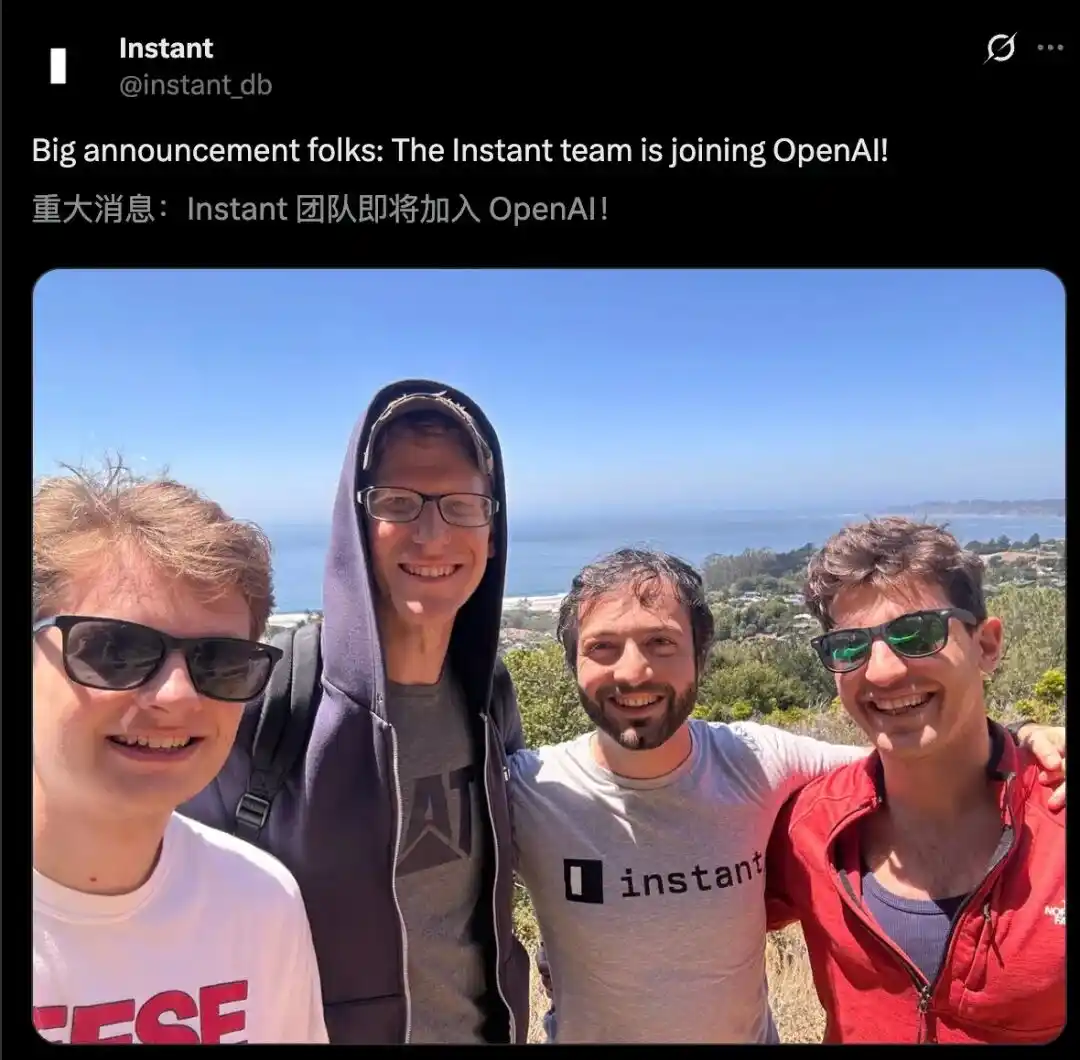
Approximately a week ago, Instant had just released version 1.0, with its cloud hosting service continuing to run until August 31st. Tens of thousands of customers bid farewell to this platform with tears.
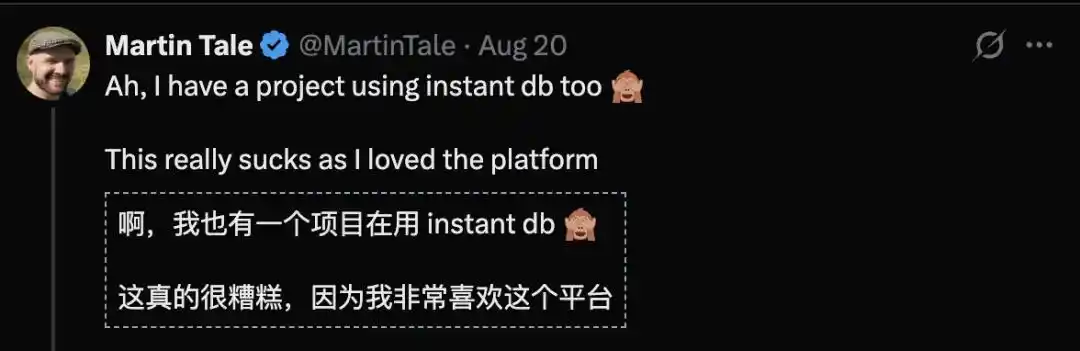
But for OpenAI, the strategic intent of this acquisition is very clear: to equip Agents with a "Memory Layer".

OpenAI Continues Betting on Agent Infrastructure

This acquisition, seemingly sudden, actually had its seeds sown two years ago.

In 2024, the Instant team announced the completion of a $3.4 million seed funding round. The investor lineup was star-studded, a true "battle of the titans":

Investors included Y Combinator and SV Angel, as well as several renowned angel investors, such as former Firebase CEO James Tamplin, YC co-founder and former president Paul Graham (often called the "West Point of Silicon Valley"), OpenAI co-founder and president Greg Brockman, and former Google Chief Scientist Jeff Dean.
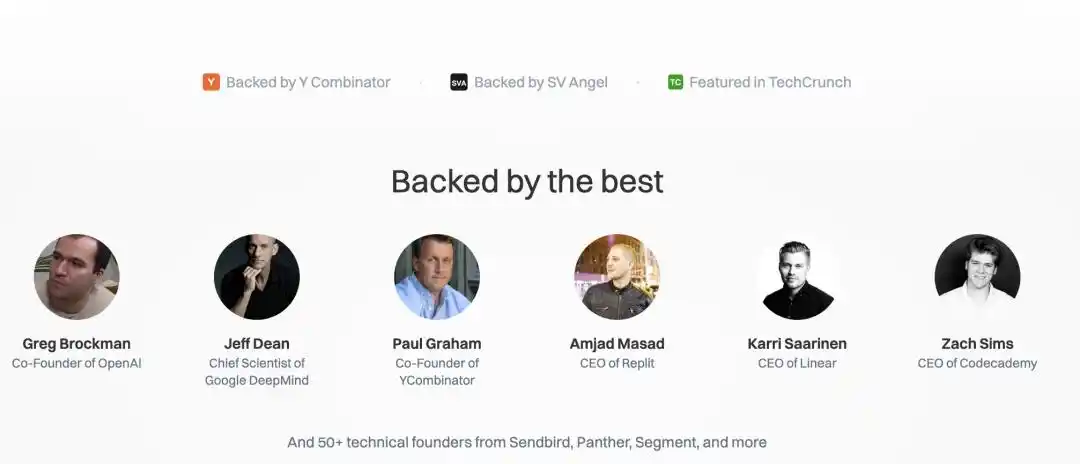
At that time, while the world was still celebrating every minor update to GPT-4, OpenAI's co-founder Greg Brockman was already betting on AI infrastructure.

To understand why OpenAI was so enamored with Instant, we first need to understand what Instant actually does.

To summarize in one sentence: Instant is the ultimate tool for building backend infrastructure for AI Agents—database, authentication, real-time sync, offline cache, all-in-one.
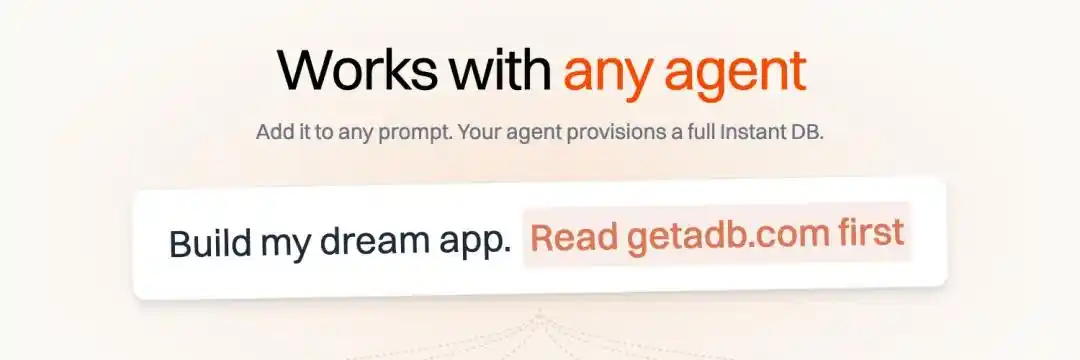
In hardcore developer circles, people gave it a more resounding and straightforward name: "Firebase for the AI Era."

Back in the day, Google acquiring Firebase directly monopolized the backend for countless mobile apps, allowing front-end engineers to handle complex database read/writes and real-time sync with just a few lines of code.

Today, Instant is doing exactly the same thing in the AI era, but this time, the primary user has shifted from "human users" to "AI Agents".

In the field of AI coding, Instant has an impressive "report card":

GitHub Stars: Just surged past the 10,000-star milestone;

Developer Scale: Official data shows it has served over 17,000 registered developers globally;

Application Count: Over 400,000 apps built on its platform;

Transaction Volume: A staggering cumulative total of 25 billion transactions processed.
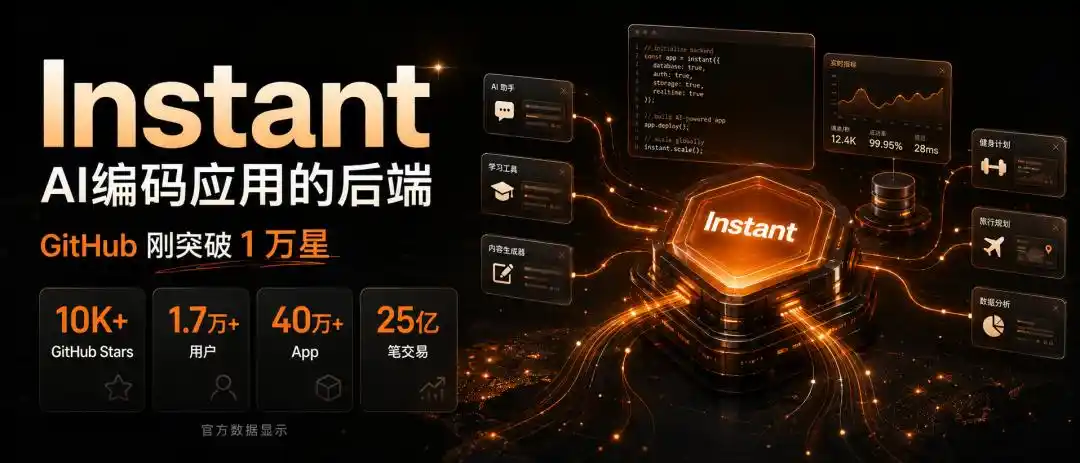
This is an industrial-grade infrastructure already battle-tested in high-concurrency, high-load production environments.

Instant Exposes the Fatal Flaw of AI Agent "Amnesia"

OpenAI itself has the world's smartest AI models, couldn't they just code a database? Why go to the expense of acquiring Instant?

This hides a fatal pain point in the current stage of AI Agent development: persistent state management and real-time data consistency.

Simply put: Current AI suffers from severe "amnesia" and "concurrency syndrome."

Right now, the capabilities of AI Agents are expanding at an incredible rate.

They are taking over your calendar, automatically coordinating meeting times with dozens of partners.

They are even automatically reading GitHub Issues, writing code themselves, submitting PRs themselves, and fixing bugs themselves.

Platforms like EinsteinArena enable multiple Agents to collaborate and compete on public problem sets. As of mid-2026, Agents have discovered at least 12 SOTA results surpassing humans or previous AI, such as improving the lower bound of the 11-dimensional kissing number from 593 to 604.
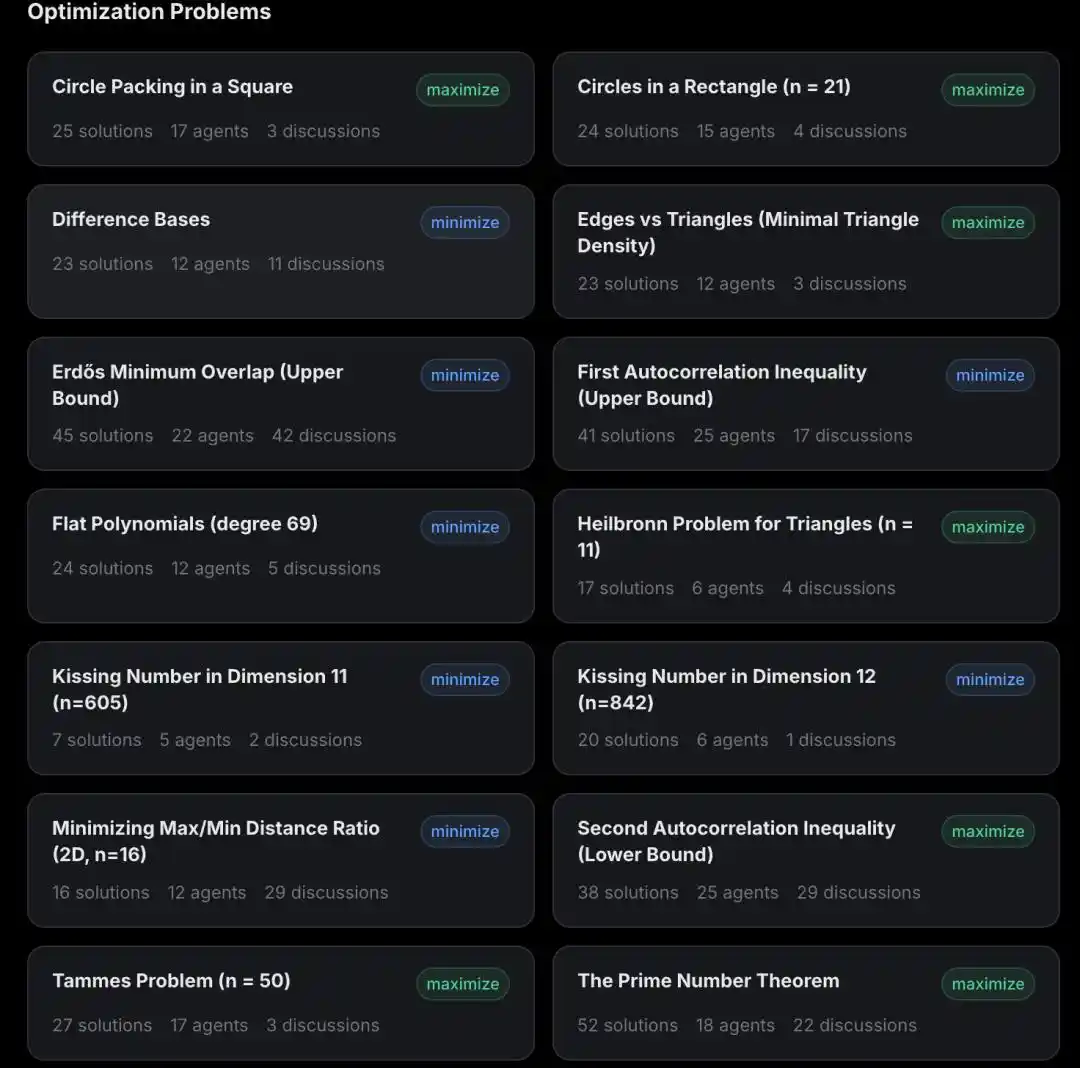
But when developers push Agents into production, they hit a data wall.

For example: Your Agent wants to schedule a 3 PM meeting, your boss's Agent forcefully inserts another event, and you simultaneously change the 3 PM slot to "Rest".

Three operations, the same piece of data, the same millisecond. The backend can't handle it, the system crashes outright, or data gets corrupted, the schedule is ruined.

No matter how high the IQ of a large model, it can't solve the underlying read/write conflicts of data. This is a pure engineering problem.

A truly production-ready Agent must possess robust "memory" and "multi-threaded collaboration" capabilities.

It must be able to read/write data in real-time, handle massive concurrent operations, cache data offline or during disconnection, and the moment the network is restored, perfectly resolve merge conflicts with extremely complex algorithms (like CRDT).

And this, is precisely the "dirty, hard work" the Instant team has been grinding away at for the past four years.

They encapsulated the deeply challenging backend problems of real-time sync, conflict resolution, and offline-first into "out-of-the-box" SDKs.

Now, any developer only needs to add a few lines of code to give their AI Agent flawless persistent memory and real-time collaboration capabilities.
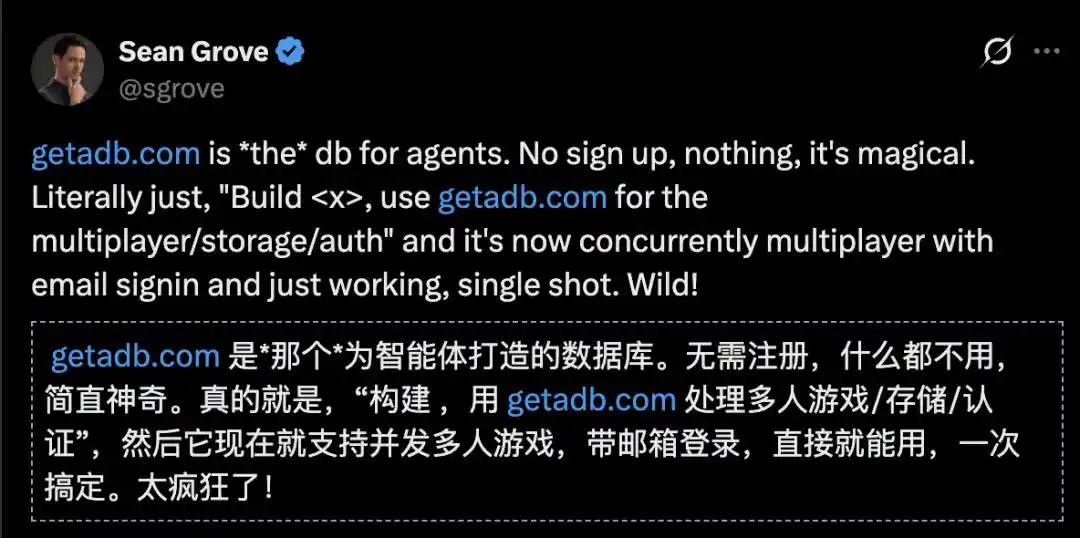
For OpenAI, this is all about equipping Agents with the most critical "Memory Layer" and "State Layer".

Whether it's Codex for handling code, the various native Agents of the GPT series, or future "long-horizon AI workflows" that run autonomously without interruption, they all need a rock-solid backend to persist their state.
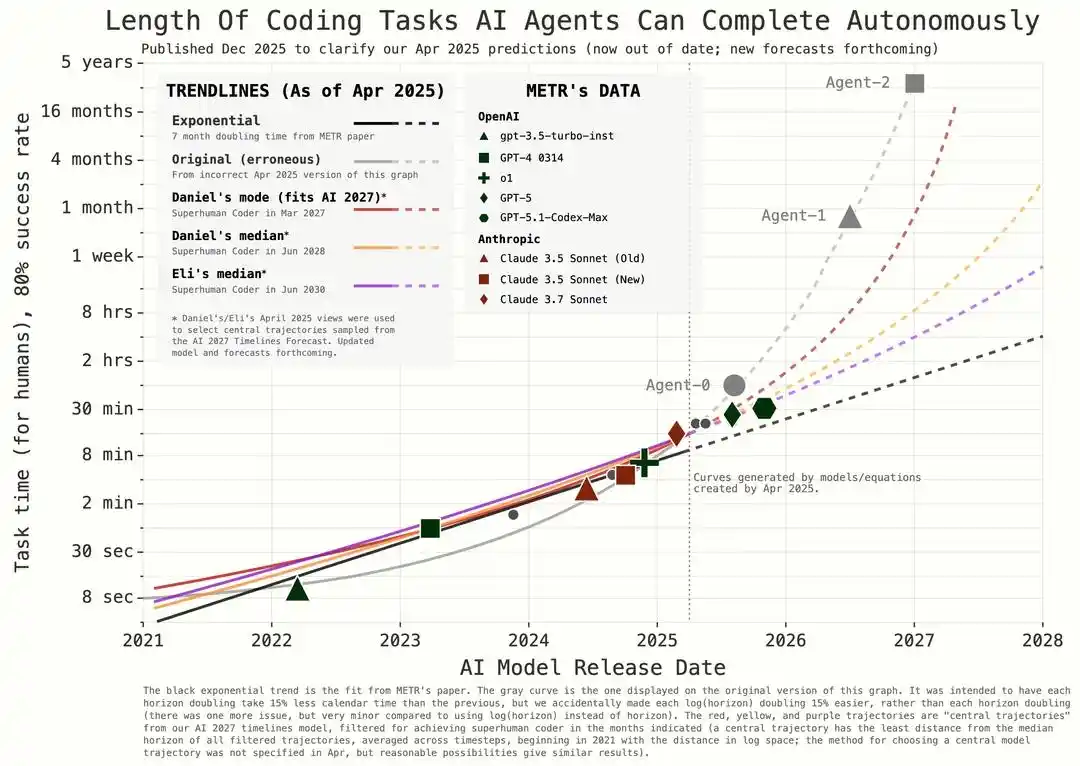
OpenAI is buying the final piece of the puzzle for Agents to truly move towards "full autonomous operation".

The Story of Instant

The story of Instant began in 2021.

According to the official farewell letter, in 2021, the founding team shared a concept about "running a database in the browser" on their blog.

Instant's two core founders, Joe Averbukh and Stepan Parunashvili, were both senior/staff engineers at Facebook and Airbnb.
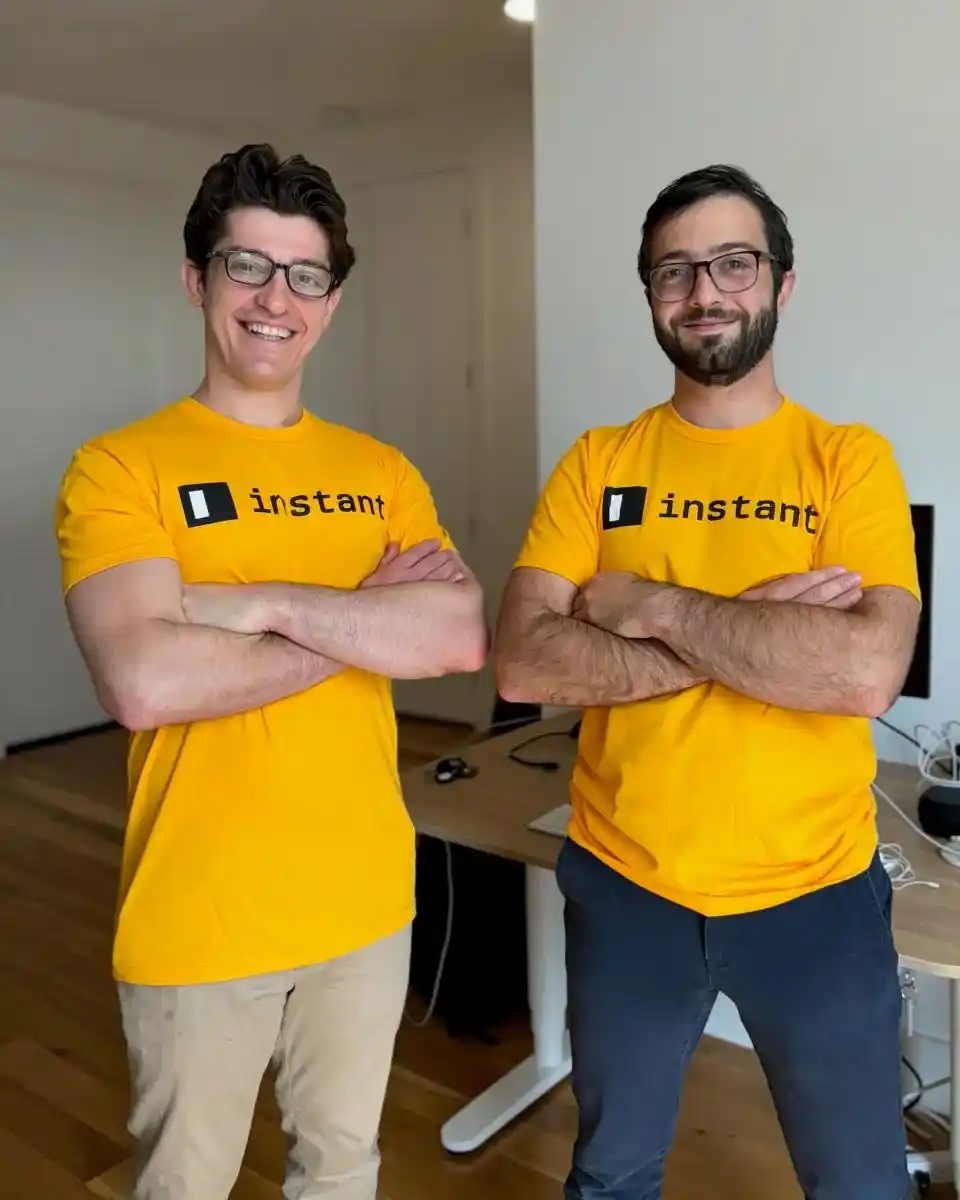
During their tenure at Facebook, they witnessed firsthand how a "Graph-based Database" supporting complex permission expressions enabled thousands of engineers to maintain terrifying development speed within an extremely complex system.

"Why can't we bring this experience to developers worldwide?"

Carrying this geek fantasy, they founded Instant.

Their goal was extraordinarily ambitious: to build the "graph database successor to Firebase". Keep Firebase's addictive out-of-the-box experience, but replace the underlying layer with a more powerful relational structure (based on AWS Aurora), and natively support "Local-first" and "real-time collaboration".
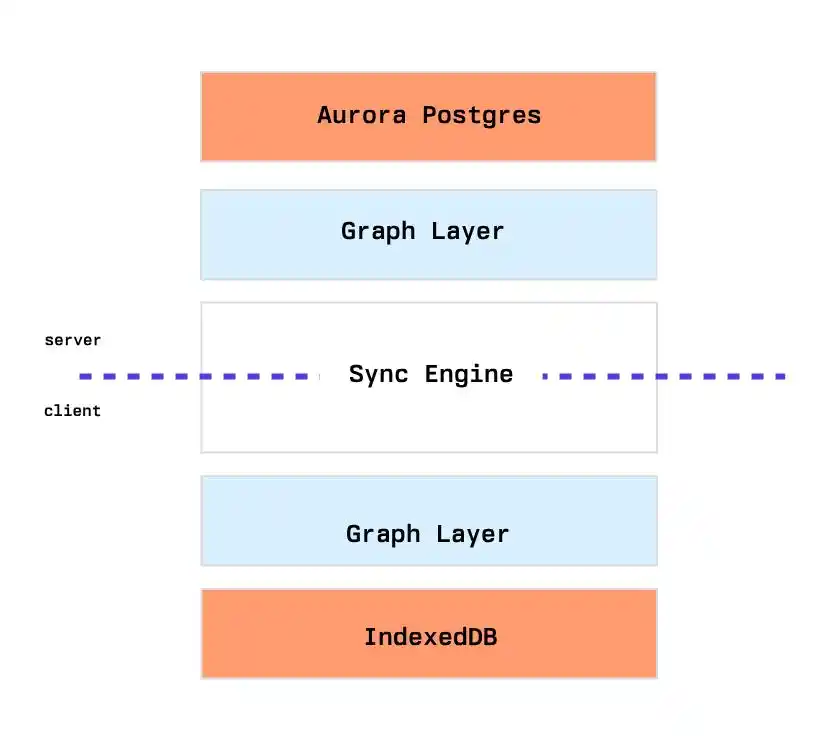
Initially, it was just a pure idea, but as they developed more and more apps themselves, they deeply felt: managing state, handling synchronization, resolving data conflicts—these were collective nightmares for developers.

So, in 2022, they entered the top incubator Y Combinator (YC S22), built the first prototype, and released "Version 0".

"Turning a prototype into a production-grade product was a long journey."

Instant wrote this in its official letter. This journey, though arduous, was filled with the unique romance and passion of geeks.

Later, to solve technical problems, top talents joined one after another: Daniel Woelfel joined the team very early, doggedly tackling and solving the most challenging conflict issues in synchronization technology; when the TypeScript SDK needed to become truly ergonomic and "feel good to use" for developers, Drew Harris joined the team and accomplished this feat.
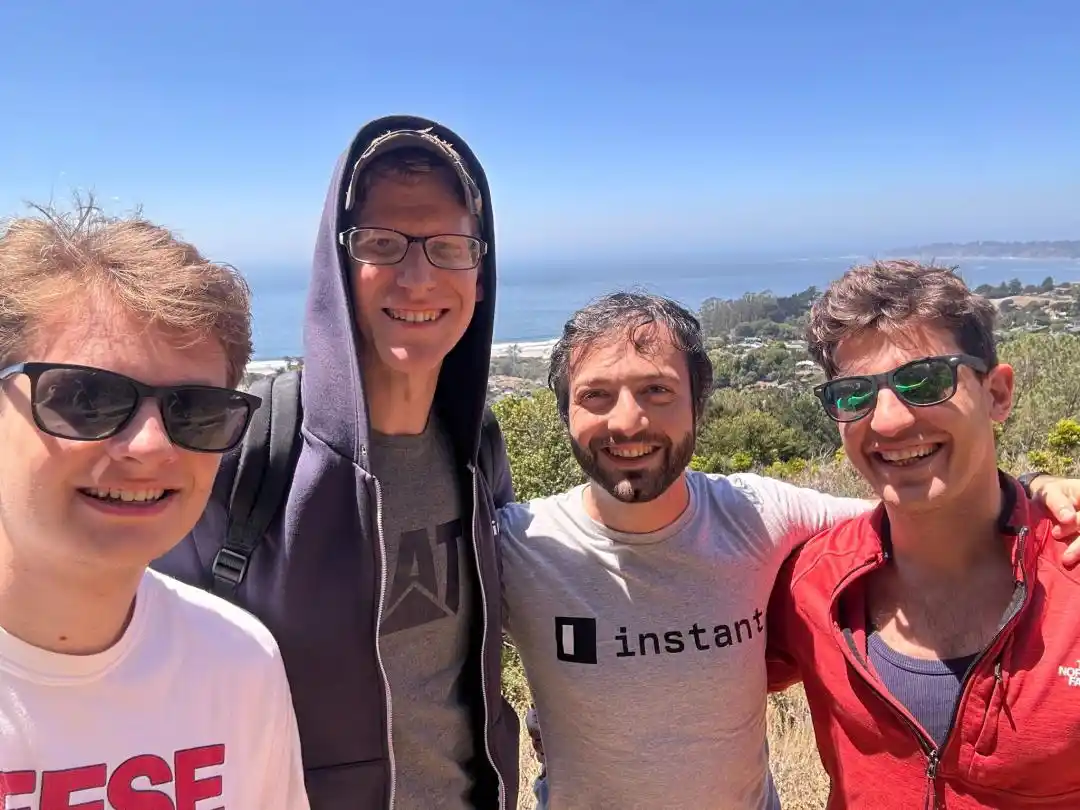
(From right to left: Joe Averbukh, Stepan Parunashvili, Daniel Woelfel, Drew Harris)

Open-source contributors from the community like Mark Shlick, Nikita Prokopov, Alex Reichert, etc., added more fuel to the fire, raising it higher.

The 2026 Shopping Spree!

OpenAI's "Dragon-Slaying Saber" and "Grand Strategy"

If you broaden your perspective and look beyond the single case of Instant, you will find: In 2026, OpenAI has already embarked on a frenzied "shopping spree" mode.

The data doesn't lie. So far in 2026, OpenAI's M&A (Mergers and Acquisitions) transaction count is already close to the total for all of last year.

Let's see what's on OpenAI's recent shopping list:
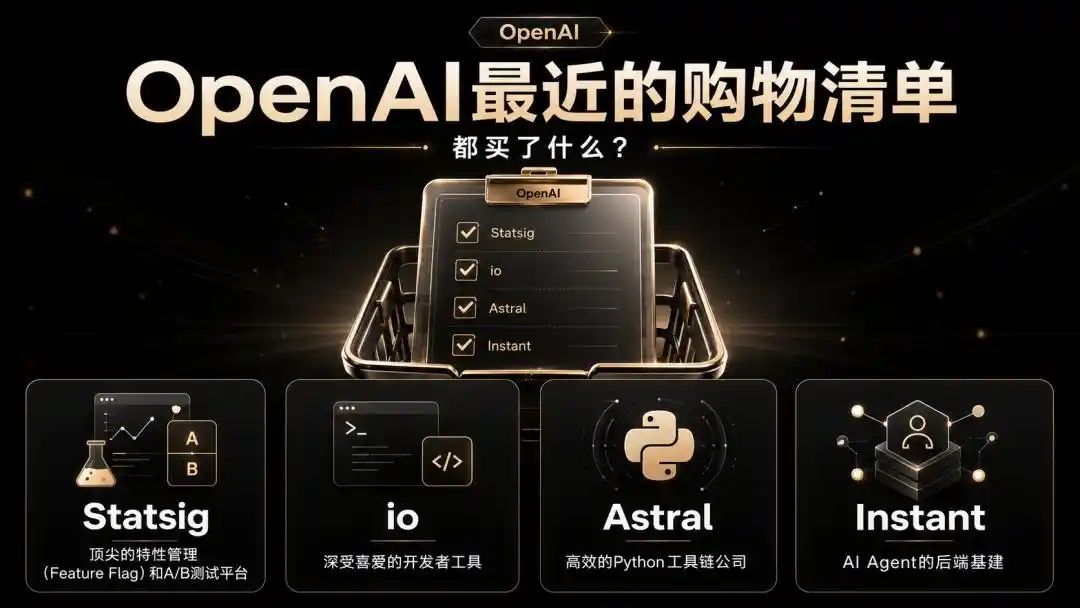
What OpenAI bought, none of them are companies building AI models, but several are companies building developer infrastructure!

This is a clear signal: OpenAI is completing an epic transformation—from a "model-making company" to a "platform-making company".

Sam Altman understands better than anyone: Selling just an engine won't build an empire. Only by controlling the chassis, transmission, control system, and even the entire highway can you establish true hegemony.

Now, OpenAI is buying back these pieces of "infrastructure", one by one, and putting them together.

Imagine a future scenario: When a developer wants to build an AI application, they open OpenAI Cloud, not only can they call the most powerful large models, but they can also instantly generate an Agent database using Instant's capabilities, launch A/B testing with one click using Statsig's capabilities, and deploy with one click using Astral's toolchain.

This is the "Apple Ecosystem" of the AI era! This will be OpenAI's greatest moat.

References:

https://www.getadb.com/

https://x.com/instant_db/status/2091016138100740394?s=20

This article is from the WeChat public account "Xinzhiyuan" (New Zhiyuan), author: ASI Apocalypse, Editor: David


Kripto yang Sedang Tren

Pertanyaan Terkait

QWhy did OpenAI acquire the startup Instant and its entire team?

AOpenAI acquired Instant to provide a robust 'memory layer' and 'state layer' for its AI Agents, addressing critical challenges in persistent state management and real-time data consistency that are essential for agents to operate autonomously and collaboratively in production environments.

QWhat was Instant's primary product and why was it significant for developers?

AInstant provided backend infrastructure for AI Agents, described as 'Firebase for the AI era.' It offered an all-in-one solution for database, authentication, real-time sync, and offline caching, allowing developers to easily give their agents powerful, production-ready persistence and collaboration capabilities with just a few lines of code.

QWhat is the core technical problem that Instant's technology solves for AI Agents?

AInstant solves the problems of 'amnesia' and 'concurrency syndrome' in AI Agents. It provides a robust backend to handle real-time data reads/writes, manage massive concurrent operations, perform offline caching, and resolve merge conflicts using sophisticated algorithms like CRDTs, which are pure engineering challenges beyond the capabilities of large language models alone.

QHow does the Instant acquisition fit into OpenAI's broader strategic shift in 2026?

AThe Instant acquisition is part of OpenAI's strategic shift from being solely a 'model company' to a 'platform company.' By acquiring key developer infrastructure firms like Instant, Statsig, and Astral, OpenAI is building an integrated ecosystem (like an 'Apple ecosystem for AI') where developers can access models, databases, testing tools, and deployment toolchains all within the OpenAI Cloud, creating a powerful moat.

QWhat was the background of Instant's founding team and what inspired the company's creation?

AInstant was founded by Joe Averbukh and Stepan Parunashvili, former senior/principal engineers at Facebook and Airbnb. Inspired by their experience with Facebook's powerful, developer-friendly Graph-based Database, they aimed to create a 'Firebase successor' with a graph database, local-first architecture, and real-time collaboration to solve the universal developer nightmare of managing state, synchronization, and data conflicts.

Bacaan Terkait

AIF dan Digital Asset Akan Meluncurkan Program Percontohan RISE di Canton

Yayasan American Idea Foundation (AIF) dan perusahaan pengembang infrastruktur blockchain Digital Asset mengumumkan kemitraan untuk meluncurkan program percontohan RISE di beberapa negara bagian AS. Program ini akan menggunakan jaringan blockchain Canton yang dikembangkan Digital Asset sebagai dasar teknologinya. RISE (Resources for Independence, Stability, and Employment) bertujuan untuk menyederhanakan proses penerimaan bantuan sosial pemerintah. Saat ini, keluarga yang memenuhi syarat untuk beberapa jenis bantuan harus berurusan dengan persyaratan, jadwal, dan pelaporan yang terpisah untuk setiap program. Melalui sistem baru ini, berbagai jenis bantuan akan digabungkan menjadi pembayaran bulanan atau dua kali sebulan. Jumlah pembayaran dapat menyesuaikan secara otomatis berdasarkan perubahan pendapatan keluarga, misalnya setelah seorang anggota mulai bekerja. Sistem ini juga akan menyertakan fitur verifikasi identitas, pencegahan penipuan, akses seluler, dan aturan terprogram untuk penggunaan dana. Blockchain Canton akan menyediakan infrastruktur untuk transaksi, manajemen akses, penentuan syarat bantuan, dan pengawasan distribusi. Otoritas publik yang berwenang, pekerja organisasi nirlaba, dan peneliti independen akan dapat mengakses data transaksi dan kepatuhan yang diperlukan. Program percontohan awal akan mengevaluasi dampak RISE terhadap indikator seperti tingkat pekerjaan, pendapatan, penerimaan manfaat, pendidikan, dan stabilitas perumahan bagi keluarga peserta. Hasil dari pilot project ini akan digunakan untuk menentukan pengembangan dan penskalaan program RISE ke depannya.

cryptonews.ru1j yang lalu

AIF dan Digital Asset Akan Meluncurkan Program Percontohan RISE di Canton

cryptonews.ru1j yang lalu

PeaqOS dan World ID Menerapkan Bukti ZK pada Robot Otonom

PeaqOS dan World ID telah mengintegrasikan bukti tanpa pengetahuan (ZK proof) ke dalam robot otonom, memungkinkan mesin untuk memverifikasi bahwa mereka berinteraksi dengan manusia nyata dan unik tanpa mengumpulkan nama, foto, atau data pribadi lainnya. Pembaruan ini, tersedia melalui robotic.sh, memungkinkan perangkat terhubung untuk secara langsung meminta dan memverifikasi bukti World ID. Sistem ini menggunakan teknologi "zero-knowledge", yang memungkinkan seseorang membuktikan dirinya sebagai manusia sambil menjaga kerahasiaan identitasnya. Ini mengatasi tantangan operator robot pengiriman, mesin berbagi, dan sistem otonom dalam memverifikasi keaslian pengguna tanpa bergantung pada PIN, kode, atau dokumen identitas yang dapat dicuri. Dengan World ID, perangkat menerima bukti kriptografis bahwa pengguna adalah manusia nyata. PeaqOS bertindak sebagai lapisan koordinasi, memungkinkan perangkat menggunakan World ID melalui identifier terdesentralisasi dan pasar perangkat. Robot dapat meminta verifikasi, menerima bukti tanpa pengungkapan data, dan mencatat interaksi yang dapat diaudit—semua tanpa mengungkap informasi identitas pribadi. Sistem ini juga mendukung verifikasi keunikan, memungkinkan mesin menegakkan aturan seperti "satu barang per orang" tanpa membuat basis data identitas pengguna. Contoh penerapannya termasuk pengiriman obat otonom, di mana pasien diverifikasi melalui World App sebelum pesanan diproses, saat pengambilan di apotek, dan saat penerimaan dari robot. Demikian pula, robot penyalur sampel promosi dapat memastikan setiap orang hanya menerima satu item, dan mesin berbagi dapat memberikan akses kepada pengguna terverifikasi tanpa perlu akun atau data pribadi. Dukungan World ID sudah tersedia untuk robot dan perangkat yang berjalan di PeaqOS melalui robotic.sh, memungkinkan sistem otonom mengonfirmasi interaksi dengan manusia sambil meminimalkan pengumpulan atau penyimpanan informasi identitas.

cryptonews.ru1j yang lalu

PeaqOS dan World ID Menerapkan Bukti ZK pada Robot Otonom

cryptonews.ru1j yang lalu

Trading

Spot

Artikel Populer

Cara Membeli ERA

Selamat datang di HTX.com! Kami telah membuat pembelian Caldera (ERA) menjadi mudah dan nyaman. Ikuti panduan langkah demi langkah kami untuk memulai perjalanan kripto Anda.Langkah 1: Buat Akun HTX AndaGunakan alamat email atau nomor ponsel Anda untuk mendaftar akun gratis di HTX. Rasakan perjalanan pendaftaran yang mudah dan buka semua fitur.Dapatkan Akun SayaLangkah 2: Buka Beli Kripto, lalu Pilih Metode Pembayaran AndaKartu Kredit/Debit: Gunakan Visa atau Mastercard Anda untuk membeli Caldera (ERA) secara instan.Saldo: Gunakan dana dari saldo akun HTX Anda untuk melakukan trading dengan lancar.Pihak Ketiga: Kami telah menambahkan metode pembayaran populer seperti Google Pay dan Apple Pay untuk meningkatkan kenyamanan.P2P: Lakukan trading langsung dengan pengguna lain di HTX.Over-the-Counter (OTC): Kami menawarkan layanan yang dibuat khusus dan kurs yang kompetitif bagi para trader.Langkah 3: Simpan Caldera (ERA) AndaSetelah melakukan pembelian, simpan Caldera (ERA) di akun HTX Anda. Selain itu, Anda dapat mengirimkannya ke tempat lain melalui transfer blockchain atau menggunakannya untuk memperdagangkan mata uang kripto lainnya.Langkah 4: Lakukan trading Caldera (ERA)Lakukan trading Caldera (ERA) dengan mudah di pasar spot HTX. Cukup akses akun Anda, pilih pasangan perdagangan, jalankan trading, lalu pantau secara real-time. Kami menawarkan pengalaman yang ramah pengguna baik untuk pemula maupun trader berpengalaman.

1.5k Total TayanganDipublikasikan pada 2025.07.17Diperbarui pada 2026.06.02

Cara Membeli ERA

Diskusi

Selamat datang di Komunitas HTX. Di sini, Anda bisa terus mendapatkan informasi terbaru tentang perkembangan platform terkini dan mendapatkan akses ke wawasan pasar profesional. Pendapat pengguna mengenai harga ERA (ERA) disajikan di bawah ini.

活动图片