Once-Popular Web3 Enters Wave of Layoffs

marsbitDipublikasikan tanggal 2026-08-03Terakhir diperbarui pada 2026-08-03

Abstrak

The once-hot Web3 industry is experiencing a severe wave of layoffs. While many companies attribute job cuts to AI-driven restructuring, the primary reason is often financial pressure. The Web3 sector, at the intersection of tech and finance, has been hit particularly hard. Employees at major cryptocurrency exchanges report sudden, impersonal layoffs—often with system access revoked overnight—and minimal or no severance. Common tactics include setting impossible performance targets or terminating employees for minor policy violations. The working atmosphere has become toxic, marked by intense monitoring, excessive meetings, and management obsessed with control and internal politics rather than product innovation. The industry's core business model is collapsing. Exchange revenue from trading fees and listing charges has plummeted due to a decline in quality projects and retail investor exodus. Events like the massive forced liquidation on October 10th further shattered confidence. Competition from on-chain derivatives platforms and prediction markets is intensifying the downturn. As layoffs continue, displaced workers struggle to find new opportunities. Many transition to the AI sector, but face significant bias from traditional finance and even some AI firms, which view crypto industry experience with suspicion. The current downturn appears more structural than cyclical, driven by unsustainable practices, internal strife, and a failure to innovate, raising questions about...

Original Author: Jialiu

"AI is the main reason for our layoffs." This is almost the primary explanation given by all companies for layoffs today.

In the first half of 2026, nearly 140,000 people were laid off in the US tech industry. Amazon cut 9% of its employees, and Meta cut 10%. Their reasons for the layoffs were almost identical: AI is changing everything, and the companies must streamline.

In fact, over 56% of layoff events in 2026 explicitly cited AI, automation, or machine learning as the cause. AI has been the top reason for layoffs in US companies for four consecutive months. Ironically, nearly 60% of companies admit that they package layoffs or hiring slowdowns as "AI-driven" when the real reason is financial pressure.

The AI shockwave is not confined to Silicon Valley; it is reshaping the employment structure of almost all industries. As an intersection of technology and finance, the Web3 industry has been particularly hard hit. The industry's large-scale layoffs have persisted for over half a year and have been exceptionally intense and rapid.

Starting this year, especially in recent months, news about staff cuts, team reorganizations, and personnel movements surrounding major trading platforms has densely appeared on X, Reddit, Xiaohongshu, Maimai, and in coffee chats among practitioners. Once-dominant BitMEX has almost faded from the mainstream view, and smaller platforms are exiting or scaling back business lines. With talent and attention now being drained by the AI industry, layoffs in the Web3 industry seem almost inevitable.

The Sword of Damocles Has Finally Fallen

Kevin received his termination notice just three days before his Last Day.

Kevin had worked at a major internet company for several years before being attracted by the high salaries and narrative of the Web3 industry, jumping ship to join a leading trading platform. He later found out that his departure had been decided over a month earlier.

During that time, he hardly felt any signals of impending layoffs. All work proceeded normally, meetings went on as usual, messages were replied to. It wasn't until HR approached him that the reality hit—there was no reasonable justification, no claims of poor performance, but the sword of Damocles still fell on Kevin.

In hindsight, the only possible signal was that two out of their original ten-member team had left before him. At the time, the narrative was "not a good fit" or "found an easier job elsewhere." "Looking back now, that was probably when they started pushing them out," Kevin told Zhangsheng BeatZ.

The layoffs at Richard's smaller trading platform were even more extreme. After being a full-time dad for nine years, he returned to the workforce and found a job at a relatively small crypto trading platform. But he, along with many colleagues, was soon laid off.

According to him, one morning he turned on his computer as usual to start work, only to find his system access had been revoked. He initially thought it was a technical glitch until he opened the work group chat and saw about forty colleagues asking the same question: "Why can't I log in either?" No one knew what was happening. Panic spread through the chat like water. A few hours later, they received a cold termination notice in their personal emails, effective immediately.

What chilled Richard even more was another incident. Shortly before being laid off, his manager had hinted that a developer colleague under him "might need to be adjusted." Richard was trying to help this colleague stay, even rearranging work responsibilities to prove the person was indispensable. Before he could submit his plan, both of them ended up being laid off.

Another former employee at a crypto trading platform, Xiaoyu, described a similar layoff scene to Zhangsheng BeatZ. At her previous company, the first step of layoffs was mass deactivation of employees' Slack accounts and cutting off email access. "Whenever we saw someone suddenly disappear from Slack, we would immediately rush into private channels, scrambling to send our phone numbers and LinkedIn links," Xiaoyu said, "because we didn't know who would be next. We all wanted to stay connected while we still could."

"When the layoff finally hit me, my manager sent me a Slack message asking if I had time for a call," Xiaoyu said. "Before I could even reply, all my permissions were revoked."

Layoffs Strike Like a Tornado

Kevin revealed that in the months after he left, layoffs in his team continued, and now only two people remain. His former trading platform cut about 10% of its staff every quarter, accumulating to 40% over a year.

Coinbase announced global layoffs of about 700 people in May, officially labeling it an "AI-native reorganization," roughly a 14% cut. However, according to information obtained by Zhangsheng BeatZ from informed sources, the impact on Coinbase's India office far exceeded that number. A former employee claimed that about 90% of the India office staff left, affecting all business units, not just sales. Only a handful of engineers considered top-tier were invited to relocate to Canada to continue working.

Reportedly, the main reasons for the massive layoffs at the India office were high costs and the significant time difference with the US. Coinbase paid India's SDE2 (mid-level engineers) around 7.5 million rupees, equivalent to about 110,000 Canadian dollars, similar to the salary level of mid-level engineers in Canada. At most high-paying product companies, salaries for architects in India are even higher than their EU counterparts.

Many trading platforms have been exposed for abruptly closing employee system access on the same day after failed negotiations over severance packages with HR. And the recently shuttered platform BitMart saw entire departments cut starting in May.

Moreover, many platforms chose to conduct concentrated layoffs at specific times, not by coincidence. According to Zhangsheng BeatZ, the period around June 30th was a peak for industry layoffs. The reason is simple: new financial statements are due in July, and these numbers are shown to investors. Cutting a batch of people and reducing expenses immediately improves the profit and loss statement. For trading platform management, layoffs aren't just about cost reduction; they're a form of financial narrative management. In front of investors, a streamlined statement is more persuasive than any explanation.

It's not just Kevin and Richard's platforms; almost the entire Web3 industry is undergoing massive layoffs, with only a minority offering reasonable and satisfactory severance packages.

The interviewees mentioned earlier encountered similar situations: platforms cut off communication and access with incredible speed. "All contact information is on those systems. Without that access, we don't even have a channel to fight for our rights."

Zhangsheng BeatZ learned from informed sources that operations and product roles, working in offline or overseas offices, still received normal handover time and compensation during layoffs. "But many technical staff are remote, so they just fire them, quickly fire them. It doesn't really affect the company."

This is because many IT staff are located domestically, while the trading platforms are registered overseas. "You're not physically there, and the cost for an individual to pursue action is very high. It's just a bit of money, not enough to disrupt life, so most people don't want to or can't bother to fight it."

Even with a few days' buffer, employees faced difficult situations. When HR communicated the offboarding procedures to Kevin, they asked him to fill in the reason for leaving in the system and persuaded him not to choose "company termination."

"They would say if you choose company termination, the background check won't pass, they'll say bad things about you. So they pressure you to choose personal reasons for leaving." Choosing personal reasons means the company doesn't need to pay any additional compensation.

Kevin ultimately received no severance pay; the company only settled his salary and overtime up to his last working day. Reflecting later, Kevin realized there had been signals he hadn't interpreted correctly at the time. For instance, his work rapport with his direct manager started becoming strained; he could clearly feel the manager liked him less. But in an organization running at high speed every day, these subtle changes are easily overlooked until the final moment arrives.

During large-scale layoff periods, major trading platforms are trying every trick to make layoffs not look like layoffs.

For example, Zhangsheng BeatZ also learned from many interviewees that before employees join, leading trading platforms send out company-provided computers. These computers have strict monitoring systems installed internally, capable of tracking employee keyboard input frequency and mouse clicks, and this data is incorporated into performance evaluations.

Reportedly, an employee at one platform was fired the day after watching a drama on iQiyi for a while using the company-issued computer.

Another common tactic is setting nearly impossible KPIs for employees. After the evaluation period ends, employees are terminated citing "poor performance" or "not meeting company requirements." This way, layoffs are packaged as compliant performance-based elimination, and the company avoids paying extra compensation.

A former employee of a trading platform revealed on X that during one layoff period, the platform held regular "Web3 industry knowledge" tests, making them mandatory KPI assessments. Employees who failed the exam also faced the risk of immediate dismissal.

This massive wave of layoffs hit swiftly and violently like a tornado. But under the long-term pressure of intense surveillance, everyone tacitly agreed not to mention the elephant in the room.

Under the Storm's Gaze, A Chilling Silence Prevails

Compared to those cleanly laid off, the survivors aren't necessarily luckier.

Xiaoyu said after each round of layoffs, the survivors actually envy the colleagues who have already left because at least their fate is sealed. Those remaining live in constant fear every day, not knowing if they'll be next. Since the layoffs began, she could clearly feel work morale becoming extremely negative, permeated by an unspeakable sense of apathy and lack of motivation.

Richard also mentioned the subtle change in work atmosphere during the layoff period. Previously, the work rhythm was tight, intense, with rapid product iterations, but most of the time people were busy with real work—product updates and feature development. The current busyness is entirely different, more about satisfying management's fabricated requirements. The company intensified assessment mechanisms, requiring punctual check-ins, and meeting frequency became higher than before.

The trading platform's "stand-up meeting" culture was pushed to extremes during layoffs. The original intent of stand-ups is to have quick meetings; standing makes people uncomfortable, so they keep it brief. But according to Richard, at his platform, this efficiency tool turned into a drain: two stand-up meetings a day, yet no one knew which direction the product was actually heading.

The project manager changed three times in six months, and the product management team was eventually almost empty. Many had ongoing projects, but because key personnel were suddenly fired, sometimes just minutes before a meeting, work had to stop abruptly.

According to Richard, his platform even had outsourced teams, and the salaries of these outsourced personnel were significantly higher than those of regular employees. It wasn't until Richard later spoke face-to-face with two colleagues that he learned an executive had withheld salary increases for employees for two years.

Richard believes management doesn't care about cost control because their real concern isn't technology or product, but power and control.

Kevin's feelings echoed this. He increasingly felt his platform resembled a sluggish state-owned enterprise. Amid frequent security incidents across the crypto trading industry, the platform's tech team didn't gain more resources; instead, they became a state of nervous apprehension:不求有功,但求无过 (Not seeking merit, only seeking to avoid blame).

"No one dares to take risks anymore. Everyone just wants to avoid mistakes in their own work. The whole place feels like a state-owned enterprise," Kevin said.

Even before being laid off, John, who grew up abroad, had long lost patience with such a work environment.

From the moment he joined, he distinctly felt the company's "Chinese culture" was particularly strong. Chat records, JIRA, meeting minutes—almost everything was in Chinese. Foreign employees who weren't fluent in Chinese felt excluded. The work atmosphere was extremely strict, fast-paced, with quarterly performance reviews.

With everyone in different time zones, being online at irregular hours was commonplace. John mentioned his team's weekly stand-up was scheduled for Sunday night. "My weekend plans always ended early." His QA testing colleague was in a US time zone and often sent messages around 11 PM.

"We were always on call 24/7," John said, often seeing colleagues submit code at 2 AM on Saturdays. "There's simply no work-life balance here. The rhythm of life here is more like work, life, then more work."

Deep Palaces and Political Maneuvering, Inner Circle and Expendables

Richard joined the company at its peak and witnessed its entire decline. What struck him most was the "political maneuvering" among the platform's management, more naked and chaotic than typical office politics.

Partners at his company developed a severe trust crisis due to government investigations and potential lawsuits. One side's CTO/CFO felt deceived by another partner or didn't receive due support when facing government issues. Eventually, the partners split.

So, one side took the core team and a senior employee to form a "board," establishing a new company as the actual developer of the old product. Partners once called friends turned into client relationships within a month. By February, the new company was pushing business at a pace of two new products per week. All this happened around the time Richard resigned.

Grassroots employees in this high-level power struggle had neither the right to know nor a choice. They were casualties of internal conflict and turmoil.

In the Web3 industry, many project founders, even trading platform CEOs, are merely frontmen. This is an open secret within the industry, tacitly understood by almost all practitioners. The real decision-makers often hide behind the scenes, and the primary quality needed by those in front isn't innovation or technology, but loyalty.

"Toxic culture is transmitted top-down. People who survive in this system are mostly like that. If you can climb up, you'll inevitably be shaped into this by the environment. If you're not like that, you won't get promoted," Kevin analyzed. "Those promoted are almost always the type skilled in political maneuvering, adept at upward management, and aggressive towards subordinates."

Those deemed not part of the inner circle are systematically removed by higher-ups using various methods. First, they're excluded from meetings, key decisions bypass them. Then they're transferred to peripheral roles, away from core business. Next, they no longer need to submit weekly reports, and new tasks aren't assigned. By the time replacements are already arranged, they finally realize they've been sidelined.

"So the entire system is very toxic," Kevin said. "You can check Glassdoor; people generally think colleagues are great, willing to support each other, good personalities. But the system itself is like a deep palace. You can't say the wrong thing in front of superiors, and you have to watch your wording."

When the Nest Overturns, No Egg Remains Intact

"I think the entire Crypto business model has already collapsed," Kevin said.

A trading platform's past core revenue relied on two things: trading fees and token listing revenue. When the market was hot, new projects flooded in, retail traders swarmed, fees and listing charges soared, and teams expanded. "But now all projects seeking listings have been proven; they're all here to make money and then leave."

The issue of listing fees is equally severe. According to Kevin, platforms charge projects extremely high fees. A small project might have to pay hundreds of thousands of dollars just for listing, while its market cap post-listing might only be tens of millions. "Trading platforms are eating the entire ecosystem to extinction. On one hand, the cost of starting a project in crypto is too high; on the other hand, retail investors aren't buying anymore." In his view, it's a downward spiral: project quality declines, more projects crash on listing, retail exits, trading volume shrinks, fee revenue decreases, and listing fees are forced higher.

The rise of on-chain derivatives platforms like Hyperliquid puts centralized exchanges in an even more passive position. The most profitable derivative trading segment for centralized exchanges no longer has to happen solely within their own systems.

Market-level shocks are also accelerating this spiral decline.

Several interviewees independently mentioned the negative, far-reaching impact on industry confidence from the massive, industry-wide liquidation event on October 10th last year. All leveraged positions with multiples over 2x were force-liquidated that day, retail investors were wiped out, and confidence has yet to recover.

When the nest overturns, no egg remains intact; no one escapes unscathed. The trading platforms'困境 (predicament) ripples outward across the entire industry.

John told Zhangsheng BeatZ that many mid-sized Web3 institutions with assets under management between $100 million and $500 million are shutting down, as old fundraising and DeFi yield strategies become increasingly difficult to sustain. Since last summer, cryptocurrency liquidity has dried up "very severely." Essentially, all altcoins launched in early 2025 are trending toward zero, with extremely low book values. Over-the-counter trading volume is dismal. Apart from RWA-related business, there's almost nothing worth doing in market making. A friend of John's working on crypto-neutral strategies at a market maker told him that even after improving strategies to increase market share and profit per trade, the company's overall profit still dropped significantly, generally shrinking to about 30% of the original. John's friend was eventually laid off due to company cost-cutting.

It's not just market makers and quant firms. Kevin mentioned in the interview that currently, Web3 VCs are very cautious in investment amounts and number of deals, basically in a state of not investing. Even when they do, amounts are significantly lower than before. "VC investment this cycle has shrunk by 80%. Almost no one is investing in crypto anymore. So when the next bull market comes, there won't be many good projects to offer retail investors through listings."

Project teams are in equally tough situations. Kevin's assessment is: "Except for some projects with Web2 revenue on the B2B side, the vast majority of projects have no B2B revenue and no consumer revenue."

Crypto is Like a Roach Motel

A wise bird chooses its tree to roost in, but for those laid off from crypto trading platforms, the problem isn't about choosing a tree, but whether there are any trees left to choose.

After leaving the trading platform, Kevin went to an AI-related startup. He's not alone. According to Zhangsheng BeatZ, the vast majority of practitioners leaving the Web3 industry have flocked to the AI industry. This isn't hard to understand: AI is the hottest sector currently, with active funding, abundant positions, and crypto and AI share many commonalities in channels and attributes, both emphasizing growth, user acquisition, and global operations. Many skills are directly transferable.

Richard's disappointment with the Web3 industry is more profound. In his view, the platform he worked for was filled from top to bottom with incompetent people, from partner infighting to grassroots employee slacking. "Even today, people in the crypto circle are still a bunch of self-righteous, arrogant individuals." He later also shifted to the AI industry, completely leaving the crypto world.

In contrast, few can transition into traditional industries. A small portion of technically solid trading system and risk control talent entered traditional market makers and quant firms. Some operations, BD, and compliance personnel took advantage of active Hong Kong and US stock markets to move into the traditional brokerage system, but these are minorities. The outcome for most laid-off from trading platforms is flowing to the next tier of smaller platforms.

Because traditional industries' discrimination against the Web3 industry is deeper than many imagine.

Zhangsheng BeatZ learned from traditional finance HR departments that during recruitment, when they see candidates still employed at Web3 companies on their resumes, they are directly screened out. In the stereotype of many traditional finance practitioners, the crypto industry is like a giant "roach motel," implying regulatory gray areas, speculative culture, and unverifiable performance. People from here carry inherent sin in their eyes.

Even within the AI industry, similar prejudices exist. Some serious AI companies focused on large models and infrastructure also hold reservations about candidates with Web3 backgrounds. In their view, Web3 "growth" is more built on speculation and narrative than real technical barriers. An operations person from a trading platform and an operations person from ByteDance have vastly different perceived value in the eyes of an AI company's HR.

This might be the most profound cost borne by Web3 practitioners who have experienced layoffs.

This Winter is Colder Than Before

Every industry has cycles. But this winter for the Web3 industry might be different from the past.

Compared to before, the competitive landscape in the cryptocurrency field has completely changed. Prediction markets like Polymarket and Kalshi, retail brokerage trading—all are competing for the same pool of retail investors' money. US retail investor funds are flowing into AI stocks and prediction markets, not back into crypto.

Some practitioners even believe the current situation is worse than the 2022 crypto winter. At least in 2022, retail was still present. Now, the October 10th massive liquidation washed away the last leveraged retail traders.

Judging whether an industry is young or old isn't just about its revenue, but what it fights for.

Even in this "shrinking volume" market, the mutual struggle and dirty tricks among trading platforms haven't stopped. According to Zhangsheng BeatZ's sources, some platforms' HR departments even list "poaching talent from competitors with high salaries" as a KPI metric, hiring them for a few months before firing them under various pretexts. This disrupts competitors' team rhythm and acquires intelligence and client resources, treating the poached individuals as disposable tools.

This reminds the author of the food delivery wars in the internet industry a few years ago, where the smartest people spent hundreds of billions in profits on mutual attrition. In two quarters, China's internet giants—Alibaba, Meituan, JD.com—burned over 220 billion RMB (about $31 billion USD) on food delivery subsidies, close to the total global corporate spending on generative AI for an entire year.

Today's crypto trading platforms are replaying the same script. The entire industry pie is shrinking, retail is leaving, trading volume is萎缩 (dwindling), yet platforms are still poaching, publicly bickering, and engaging in attrition battles over the existing share.

In the past, we often attributed trading platform layoffs to Web3's cyclical nature and the AI industry's impact. As mentioned at the article's beginning, over half of 2026's tech layoffs cited AI as the reason, but nearly 60% of companies admit the real cause is actually financial pressure.

The Web3 industry is no exception.

Charging projects hundreds of thousands in listing fees; listing a large number of low-quality tokens, causing retail to lose repeatedly in crashes; eroding employee trust and creativity with opaque performance reviews and surveillance systems; during a downturn, not thinking about new business models but instead spending resources poaching from competitors.

If today's Web3 winter isn't the fate of cycles, then whose fault is the decline of the Web3 industry?

This article thanks Kevin, Richard, Xiaoyu, John, and other interviewees for sharing the real experiences of trading platform practitioners. For anonymity, their real names, platforms, specific positions, and tenure have been withheld.


Kripto yang Sedang Tren

Pertanyaan Terkait

QAccording to the article, what is the primary stated reason companies give for layoffs in 2026, and what is the suggested true underlying cause?

AThe primary stated reason companies give for layoffs in 2026 is AI, automation, or machine learning. However, the article suggests that the true underlying cause for nearly sixty percent of companies is financial pressure, with AI being used as a convenient narrative.

QDescribe two specific, abrupt methods mentioned in the article for how employees at crypto exchanges were notified or experienced their layoffs.

A1. Richard and his colleagues found their system access and work accounts (like Slack) suddenly disabled without prior notice, only receiving a cold dismissal email in their personal inboxes hours later. 2. For another employee, '小鱼', her manager messaged her on Slack asking for a call, but before she could reply, all her system permissions were revoked.

QWhat operational and cultural problems did the interviewees (like Kevin and John) describe within the crypto exchanges that contributed to a toxic work environment?

AInterviewees described several problems: a 'toxic culture' of intense power struggles and political maneuvering among management; a lack of work-life balance with 24/7 on-call expectations and meetings scheduled at odd hours (e.g., Sunday nights); an oppressive atmosphere of constant employee monitoring and fear due to layoffs; and a shift from product-focused work to busywork designed to meet arbitrary managerial demands.

QWhat are the two main sources of revenue for centralized crypto exchanges mentioned in the article, and why is this business model under strain?

AThe two main sources of revenue are trading fees and listing fees charged to projects. The model is under strain because listing fees have become prohibitively high for projects, the quality of listed tokens has declined leading to losses for retail investors, and trading volume has shrunk as散户 (retail investors) have left the market, especially after events like the major liquidation on October 10th.

QWhat challenges do former Web3/crypto exchange employees face when trying to find new jobs in other industries, according to the article?

AFormer Web3 employees face significant stigma and discrimination when job hunting in traditional industries like finance, and even within some AI companies. HR departments in traditional finance often directly reject resumes with current Web3 experience, viewing the industry as a 'cockroach hotel' associated with regulatory gray areas and speculative culture. Their skills and experience are often seen as less valuable compared to candidates from mainstream tech companies.

Bacaan Terkait

Perusahaan Penambangan Bitcoin Trump Laporkan Kerugian USD 57 Juta

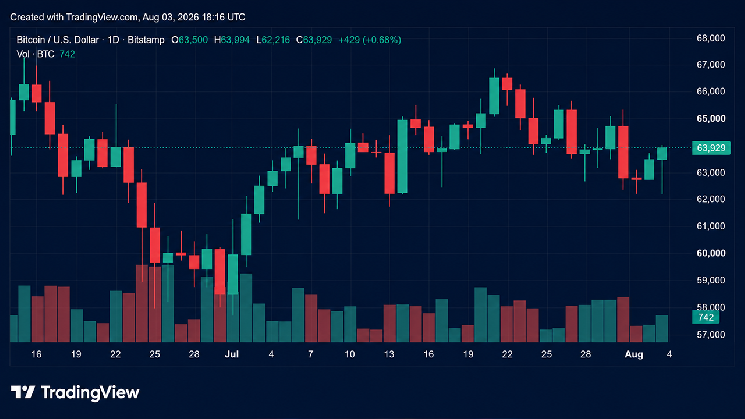
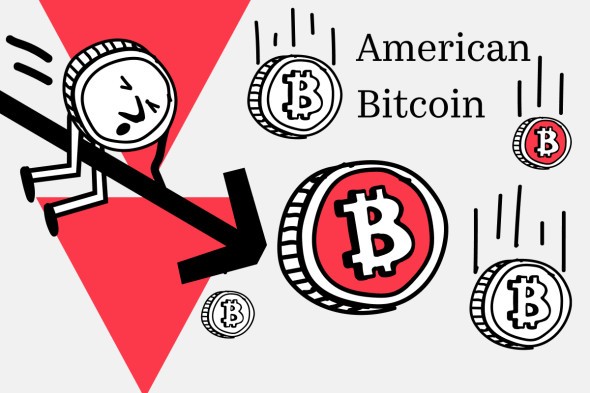
Perusahaan pertambangan American Bitcoin, yang didirikan bersama oleh putra mantan Presiden AS Donald Trump, Eric Trump, melaporkan kerugian bersih sebesar $57,2 juta untuk kuartal kedua tahun 2026. Kerugian utamanya disebabkan oleh penurunan nilai Bitcoin yang mereka pegang. Meskipun produksi Bitcoin naik 8% menjadi 932 BTC, meningkatkan cadangan mereka menjadi 8.002 BTC, biaya produksi per Bitcoin sekitar $36.500 lebih tinggi dibandingkan harga pasar sekitar $63.000 pada awal Agustus. Sekitar 3.090 BTC dari aset mereka digadaikan kepada produsen peralatan pertambangan Bitmain. Operasi pertambangan dilakukan melalui kerja sama dengan Hut 8, yang memegang 80% saham American Bitcoin. Saham perusahaan (ABTC) telah anjlok lebih dari 90% sejak penawaran publik perdana (IPO) pada September 2025. Media Forbes sebelumnya menyelidiki bahwa perusahaan diduga menggunakan nama Trump untuk menarik investor alih-alih fokus pada operasi pertambangan yang efisien, klaim yang dibantah keras oleh Eric Trump. Untuk konteks, perusahaan pemegang Bitcoin korporat terbesar dunia, MicroStrategy pimpinan Michael Saylor, juga melaporkan kerugian besar ($8,2 miliar) pada kuartal yang sama karena alasan yang serupa, yaitu penurunan nilai Bitcoin. Eric Trump sebelumnya menyamakan visi American Bitcoin dengan MicroStrategy sebagai cara memberikan akses pasar modal ke Bitcoin dan menyebut diri sebagai "Bitcoin maximalist".

cryptonews.ru25m yang lalu

Perusahaan Penambangan Bitcoin Trump Laporkan Kerugian USD 57 Juta

cryptonews.ru25m yang lalu

Prediksi untuk Agustus 2026 untuk Pasar Kripto: Makroekonomi Akan Menentukan Segalanya

Proyeksi Happy Coin News untuk pasar kripto Agustus 2026, disiapkan dengan bantuan AI Gemini, menunjukkan bulan ini akan memperkuat fase transformasi struktural. Narasi spekulatif masa lalu mulai digantikan oleh integrasi institusional yang pragmatis. Lingkungan makroekonomi akan menjadi penentu utama. Dengan suku bunga acuan AS yang tetap tinggi (3,50–3,75%) dan inflasi yang bertahan, arus modal ritel ke aset digital berisiko tinggi diperkirakan sangat terbatas. Likuiditas yang terbatas dan imbal hasil instrumen konservatif yang menarik akan mengkonsolidasi kendali pasar di tangan pemain institusional. Transisi regulasi juga menjadi kunci. Di Uni Eropa, periode transisi untuk Regulasi MiCA resmi berakhir pada 1 Juli 2026, mewajibkan kepatuhan penuh. Sementara itu, kerangka FIT21 di AS akan terus membentuk aturan yang jelas. Cerminan dari kondisi ini terlihat pada dominasi Bitcoin yang tetap kuat di level 56,35%, sementara "musim altcoin" berskala luas belum terwujud, dengan Altcoin Season Index masih di sekitar 40. Pertumbuhan altcoin di akhir musim panas diprediksi selektif, dengan likuiditas terkonsentrasi pada proyek-proyek infrastruktur AI, DeFi generasi baru, dan yang paling dominan: tokenisasi aset riil (RWA). Fondasi hukum baru mendorong tren RWA ini secara signifikan. Integrasi antara keuangan tradisional dan blockchain juga akan memperketat persyaratan keamanan dan penyimpanan aset (kustodian). Model hibrida yang menggabungkan alat keuangan tradisional dengan infrastruktur blockchain yang andal dan transparan akan semakin menggantikan platform yang tidak teregulasi.

cryptonews.ru27m yang lalu

Prediksi untuk Agustus 2026 untuk Pasar Kripto: Makroekonomi Akan Menentukan Segalanya

cryptonews.ru27m yang lalu

"Bitcoin Kit" 2013 Bangun, Pindahkan 500 BTC di Tengah Meningkatnya Kekhawatiran terhadap Coldcard

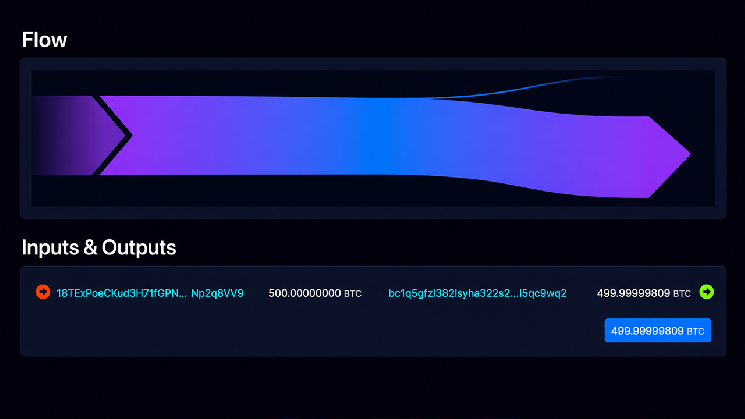
«Paus Bitcoin» 2013 bangun dari tidur, memindahkan 500 BTC di tengah kekhawatiran akan kerentanan Coldcard. Baru-baru ini, dilaporkan kerentanan pada firmware dan generator angka acak perangkat keras dompet Coldcard telah menyebabkan pencurian sekitar 1.431,97 BTC. Antara 30 Juli dan 1 Agustus, 306 BTC dipindahkan dari dompet yang lama tidak aktif, didorong oleh kekhawatiran kerentanan ini. Tren ini berlanjut pada Senin, ketika 500 BTC senilai $31,32 juta dipindahkan dari alamat yang tidak aktif sejak 6 Desember 2013. Bitcoin pertama kali menembus $1.000 pada akhir 2013, jadi 500 BTC ini awalnya bernilai sekitar $521.000. Alamat penerima baru (tipe P2WPKH) tidak dikaitkan dengan bursa, kustodian, atau entitas teridentifikasi mana pun yang diketahui. Bagi pengguna Bitcoin awal, dompet yang tidak tersentuh selama lebih dari satu dekade mewakili prinsip penyimpanan mandiri. Kerentanan Coldcard secara langsung menantang filosofi ini, mengancam kendali eksklusif atas kunci privat mereka. Pemindahan 500 BTC ini tampaknya lebih merupakan respons keamanan daripada keputusan perdagangan. Dengan lebih dari 1.400 BTC sudah dicuri dan ratusan lagi dipindahkan secara proaktif sejak akhir Juli, banyak pemegang lama dihadapkan pada pilihan: mempercayai keamanan dompet generasi lama atau memindahkan dana sebelum orang lain melakukannya untuk mereka. Aktivitas blockchain menunjukkan bahwa bagi beberapa pemegang tertua, prioritasnya kini adalah melindungi modal, bukan berspekulasi.

cryptonews.ru27m yang lalu

"Bitcoin Kit" 2013 Bangun, Pindahkan 500 BTC di Tengah Meningkatnya Kekhawatiran terhadap Coldcard

cryptonews.ru27m yang lalu

Trading

Spot

Artikel Populer

Apa Itu GROK AI

Grok AI: Merevolusi Teknologi Percakapan di Era Web3 Pendahuluan Dalam lanskap kecerdasan buatan yang terus berkembang dengan cepat, Grok AI menonjol sebagai proyek yang patut diperhatikan yang menjembatani domain teknologi canggih dan interaksi pengguna. Dikembangkan oleh xAI, sebuah perusahaan yang dipimpin oleh pengusaha terkenal Elon Musk, Grok AI berupaya untuk mendefinisikan ulang cara kita berinteraksi dengan kecerdasan buatan. Seiring dengan berkembangnya gerakan Web3, Grok AI bertujuan untuk memanfaatkan kekuatan AI percakapan untuk menjawab pertanyaan kompleks, memberikan pengguna pengalaman yang tidak hanya informatif tetapi juga menghibur. Apa itu Grok AI? Grok AI adalah chatbot AI percakapan yang canggih yang dirancang untuk berinteraksi dengan pengguna secara dinamis. Berbeda dengan banyak sistem AI tradisional, Grok AI menerima berbagai pertanyaan yang lebih luas, termasuk yang biasanya dianggap tidak pantas atau di luar respons standar. Tujuan inti proyek ini meliputi: Penalaran yang Andal: Grok AI menekankan penalaran akal sehat untuk memberikan jawaban logis berdasarkan pemahaman kontekstual. Pengawasan yang Dapat Diskalakan: Integrasi bantuan alat memastikan bahwa interaksi pengguna dipantau dan dioptimalkan untuk kualitas. Verifikasi Formal: Keamanan adalah hal yang utama; Grok AI menggabungkan metode verifikasi formal untuk meningkatkan keandalan output-nya. Pemahaman Konteks Panjang: Model AI unggul dalam mempertahankan dan mengingat riwayat percakapan yang luas, memfasilitasi diskusi yang bermakna dan sadar konteks. Ketahanan Adversarial: Dengan fokus pada peningkatan pertahanannya terhadap input yang dimanipulasi atau berbahaya, Grok AI bertujuan untuk mempertahankan integritas interaksi pengguna. Intinya, Grok AI bukan hanya perangkat pengambilan informasi; ini adalah mitra percakapan yang imersif yang mendorong dialog yang dinamis. Pencipta Grok AI Otak di balik Grok AI tidak lain adalah Elon Musk, seorang individu yang identik dengan inovasi di berbagai bidang, termasuk otomotif, perjalanan luar angkasa, dan teknologi. Di bawah naungan xAI, sebuah perusahaan yang fokus pada kemajuan teknologi AI dengan cara yang bermanfaat, visi Musk bertujuan untuk membentuk kembali pemahaman tentang interaksi AI. Kepemimpinan dan etos dasar sangat dipengaruhi oleh komitmen Musk untuk mendorong batasan teknologi. Investor Grok AI Meskipun rincian spesifik mengenai investor yang mendukung Grok AI masih terbatas, secara publik diakui bahwa xAI, inkubator proyek ini, didirikan dan didukung terutama oleh Elon Musk sendiri. Usaha dan kepemilikan Musk sebelumnya memberikan dukungan yang kuat, lebih lanjut memperkuat kredibilitas dan potensi pertumbuhan Grok AI. Namun, hingga saat ini, informasi mengenai yayasan investasi tambahan atau organisasi yang mendukung Grok AI tidak tersedia secara mudah, menandai area untuk eksplorasi potensial di masa depan. Bagaimana Grok AI Bekerja? Mekanisme operasional Grok AI sama inovatifnya dengan kerangka konseptualnya. Proyek ini mengintegrasikan beberapa teknologi mutakhir yang memfasilitasi fungsionalitas uniknya: Infrastruktur yang Kuat: Grok AI dibangun menggunakan Kubernetes untuk orkestrasi kontainer, Rust untuk kinerja dan keamanan, dan JAX untuk komputasi numerik berkinerja tinggi. Ketiga elemen ini memastikan bahwa chatbot beroperasi secara efisien, dapat diskalakan dengan efektif, dan melayani pengguna dengan cepat. Akses Pengetahuan Real-Time: Salah satu fitur pembeda Grok AI adalah kemampuannya untuk mengakses data real-time melalui platform X—sebelumnya dikenal sebagai Twitter. Kemampuan ini memberikan AI akses ke informasi terbaru, memungkinkannya untuk memberikan jawaban dan rekomendasi yang tepat waktu yang mungkin terlewat oleh model AI lainnya. Dua Mode Interaksi: Grok AI menawarkan pengguna pilihan antara “Mode Menyenangkan” dan “Mode Reguler.” Mode Menyenangkan memungkinkan gaya interaksi yang lebih bermain dan humoris, sementara Mode Reguler fokus pada memberikan respons yang tepat dan akurat. Fleksibilitas ini memastikan pengalaman yang disesuaikan yang memenuhi berbagai preferensi pengguna. Intinya, Grok AI menggabungkan kinerja dengan keterlibatan, menciptakan pengalaman yang kaya dan menghibur. Garis Waktu Grok AI Perjalanan Grok AI ditandai oleh tonggak penting yang mencerminkan tahap pengembangan dan penerapannya: Pengembangan Awal: Fase dasar Grok AI berlangsung selama sekitar dua bulan, di mana pelatihan awal dan penyempurnaan model dilakukan. Rilis Beta Grok-2: Dalam kemajuan signifikan, beta Grok-2 diumumkan. Rilis ini memperkenalkan dua versi chatbot—Grok-2 dan Grok-2 mini—masing-masing dilengkapi dengan kemampuan untuk chatting, coding, dan penalaran. Akses Publik: Setelah pengembangan beta, Grok AI menjadi tersedia untuk pengguna platform X. Mereka yang memiliki akun yang diverifikasi dengan nomor telepon dan aktif selama setidaknya tujuh hari dapat mengakses versi terbatas, membuat teknologi ini tersedia untuk audiens yang lebih luas. Garis waktu ini mencakup pertumbuhan sistematis Grok AI dari awal hingga keterlibatan publik, menekankan komitmennya untuk perbaikan berkelanjutan dan interaksi pengguna. Fitur Utama Grok AI Grok AI mencakup beberapa fitur kunci yang berkontribusi pada identitas inovatifnya: Integrasi Pengetahuan Real-Time: Akses ke informasi terkini dan relevan membedakan Grok AI dari banyak model statis, memungkinkan pengalaman pengguna yang menarik dan akurat. Gaya Interaksi yang Beragam: Dengan menawarkan mode interaksi yang berbeda, Grok AI memenuhi berbagai preferensi pengguna, mengundang kreativitas dan personalisasi dalam berkomunikasi dengan AI. Dasar Teknologi yang Canggih: Pemanfaatan Kubernetes, Rust, dan JAX memberikan proyek ini kerangka kerja yang solid untuk memastikan keandalan dan kinerja optimal. Pertimbangan Diskursus Etis: Penyertaan fungsi penghasil gambar menunjukkan semangat inovatif proyek ini. Namun, hal ini juga menimbulkan pertimbangan etis seputar hak cipta dan penggambaran yang menghormati tokoh-tokoh yang dikenali—diskusi yang sedang berlangsung dalam komunitas AI. Kesimpulan Sebagai entitas perintis di bidang AI percakapan, Grok AI mencakup potensi untuk pengalaman pengguna yang transformatif di era digital. Dikembangkan oleh xAI dan didorong oleh pendekatan visioner Elon Musk, Grok AI mengintegrasikan pengetahuan real-time dengan kemampuan interaksi yang canggih. Ini berupaya untuk mendorong batasan apa yang dapat dicapai oleh kecerdasan buatan sambil tetap fokus pada pertimbangan etis dan keselamatan pengguna. Grok AI tidak hanya mewujudkan kemajuan teknologi tetapi juga mewakili paradigma percakapan baru di lanskap Web3, menjanjikan untuk melibatkan pengguna dengan pengetahuan yang mahir dan interaksi yang menyenangkan. Seiring proyek ini terus berkembang, ia berdiri sebagai bukti apa yang dapat dicapai di persimpangan teknologi, kreativitas, dan interaksi yang mirip manusia.

758 Total TayanganDipublikasikan pada 2024.12.26Diperbarui pada 2024.12.26

Apa Itu GROK AI

Apa Itu ERC AI

Euruka Tech: Gambaran Umum tentang $erc ai dan Ambisinya di Web3 Pendahuluan Dalam lanskap teknologi blockchain dan aplikasi terdesentralisasi yang berkembang pesat, proyek-proyek baru muncul dengan frekuensi tinggi, masing-masing dengan tujuan dan metodologi yang unik. Salah satu proyek tersebut adalah Euruka Tech, yang beroperasi di domain cryptocurrency dan Web3 yang luas. Fokus utama Euruka Tech, khususnya tokennya $erc ai, adalah untuk menghadirkan solusi inovatif yang dirancang untuk memanfaatkan kemampuan teknologi terdesentralisasi yang terus berkembang. Artikel ini bertujuan untuk memberikan gambaran komprehensif tentang Euruka Tech, eksplorasi tujuannya, fungsionalitas, identitas penciptanya, calon investor, dan signifikansinya dalam konteks yang lebih luas dari Web3. Apa itu Euruka Tech, $erc ai? Euruka Tech dicirikan sebagai proyek yang memanfaatkan alat dan fungsionalitas yang ditawarkan oleh lingkungan Web3, dengan fokus pada integrasi kecerdasan buatan dalam operasinya. Meskipun rincian spesifik tentang kerangka proyek ini agak samar, proyek ini dirancang untuk meningkatkan keterlibatan pengguna dan mengotomatiskan proses di ruang crypto. Proyek ini bertujuan untuk menciptakan ekosistem terdesentralisasi yang tidak hanya memfasilitasi transaksi tetapi juga menggabungkan fungsionalitas prediktif melalui kecerdasan buatan, sehingga penamaan tokennya, $erc ai. Tujuannya adalah untuk menyediakan platform intuitif yang memfasilitasi interaksi yang lebih cerdas dan pemrosesan transaksi yang efisien dalam lingkup Web3 yang terus berkembang. Siapa Pencipta Euruka Tech, $erc ai? Saat ini, informasi mengenai pencipta atau tim pendiri di balik Euruka Tech masih tidak ditentukan dan agak tidak jelas. Ketidakhadiran data ini menimbulkan kekhawatiran, karena pengetahuan tentang latar belakang tim sering kali penting untuk membangun kredibilitas dalam sektor blockchain. Oleh karena itu, kami telah mengkategorikan informasi ini sebagai tidak diketahui sampai rincian konkret tersedia di domain publik. Siapa Investor Euruka Tech, $erc ai? Demikian pula, identifikasi investor atau organisasi pendukung untuk proyek Euruka Tech tidak disediakan dengan mudah melalui penelitian yang tersedia. Aspek yang sangat penting bagi pemangku kepentingan atau pengguna potensial yang mempertimbangkan keterlibatan dengan Euruka Tech adalah jaminan yang datang dari kemitraan keuangan yang mapan atau dukungan dari perusahaan investasi yang terkemuka. Tanpa pengungkapan tentang afiliasi investasi, sulit untuk menarik kesimpulan komprehensif tentang keamanan finansial atau keberlangsungan proyek. Sesuai dengan informasi yang ditemukan, bagian ini juga berada pada status tidak diketahui. Bagaimana Euruka Tech, $erc ai Bekerja? Meskipun kurangnya spesifikasi teknis yang mendetail untuk Euruka Tech, penting untuk mempertimbangkan ambisi inovatifnya. Proyek ini berusaha memanfaatkan kemampuan komputasi kecerdasan buatan untuk mengotomatiskan dan meningkatkan pengalaman pengguna dalam lingkungan cryptocurrency. Dengan mengintegrasikan AI dengan teknologi blockchain, Euruka Tech bertujuan untuk menyediakan fitur seperti perdagangan otomatis, penilaian risiko, dan antarmuka pengguna yang dipersonalisasi. Esensi inovatif dari Euruka Tech terletak pada tujuannya untuk menciptakan koneksi yang mulus antara pengguna dan kemungkinan luas yang ditawarkan oleh jaringan terdesentralisasi. Melalui pemanfaatan algoritma pembelajaran mesin dan AI, proyek ini bertujuan untuk meminimalkan tantangan bagi pengguna baru dan menyederhanakan pengalaman transaksional dalam kerangka Web3. Simbiosis antara AI dan blockchain ini menggarisbawahi signifikansi token $erc ai, yang berdiri sebagai jembatan antara antarmuka pengguna tradisional dan kemampuan canggih dari teknologi terdesentralisasi. Garis Waktu Euruka Tech, $erc ai Sayangnya, sebagai akibat dari informasi yang terbatas mengenai Euruka Tech, kami tidak dapat menyajikan garis waktu yang mendetail tentang perkembangan utama atau tonggak dalam perjalanan proyek ini. Garis waktu ini, yang biasanya sangat berharga dalam memetakan evolusi suatu proyek dan memahami trajektori pertumbuhannya, saat ini tidak tersedia. Ketika informasi tentang peristiwa penting, kemitraan, atau penambahan fungsional menjadi jelas, pembaruan pasti akan meningkatkan visibilitas Euruka Tech di dunia crypto. Klarifikasi tentang Proyek “Eureka” Lainnya Penting untuk dicatat bahwa banyak proyek dan perusahaan berbagi nomenklatur serupa dengan “Eureka.” Penelitian telah mengidentifikasi inisiatif seperti agen AI dari NVIDIA Research, yang fokus pada pengajaran robot tugas kompleks menggunakan metode generatif, serta Eureka Labs dan Eureka AI, yang meningkatkan pengalaman pengguna dalam analitik pendidikan dan layanan pelanggan, masing-masing. Namun, proyek-proyek ini berbeda dari Euruka Tech dan tidak boleh disamakan dengan tujuan atau fungsionalitasnya. Kesimpulan Euruka Tech, bersama dengan token $erc ai-nya, mewakili pemain yang menjanjikan namun saat ini masih samar dalam lanskap Web3. Meskipun rincian tentang pencipta dan investor masih belum diungkapkan, ambisi inti untuk menggabungkan kecerdasan buatan dengan teknologi blockchain tetap menjadi titik fokus yang menarik. Pendekatan unik proyek ini dalam mendorong keterlibatan pengguna melalui otomatisasi canggih dapat membedakannya seiring dengan kemajuan ekosistem Web3. Seiring dengan terus berkembangnya pasar crypto, pemangku kepentingan harus memperhatikan kemajuan seputar Euruka Tech, karena pengembangan inovasi yang terdokumentasi, kemitraan, atau peta jalan yang terdefinisi dapat menghadirkan peluang signifikan di masa depan. Saat ini, kami menunggu wawasan yang lebih substansial yang dapat mengungkap potensi Euruka Tech dan posisinya dalam lanskap crypto yang kompetitif.

730 Total TayanganDipublikasikan pada 2025.01.02Diperbarui pada 2025.01.02

Apa Itu ERC AI

Apa Itu DUOLINGO AI

DUOLINGO AI: Mengintegrasikan Pembelajaran Bahasa dengan Inovasi Web3 dan AI Dalam era di mana teknologi membentuk kembali pendidikan, integrasi kecerdasan buatan (AI) dan jaringan blockchain menandai batasan baru untuk pembelajaran bahasa. Masuklah DUOLINGO AI dan cryptocurrency terkaitnya, $DUOLINGO AI. Proyek ini bercita-cita untuk menggabungkan kekuatan pendidikan dari platform pembelajaran bahasa terkemuka dengan manfaat teknologi Web3 yang terdesentralisasi. Artikel ini menggali aspek-aspek kunci dari DUOLINGO AI, menjelajahi tujuannya, kerangka teknologi, perkembangan sejarah, dan potensi masa depan sambil mempertahankan kejelasan antara sumber daya pendidikan asli dan inisiatif cryptocurrency independen ini. Gambaran Umum DUOLINGO AI Pada intinya, DUOLINGO AI berusaha untuk membangun lingkungan terdesentralisasi di mana pelajar dapat memperoleh imbalan kriptografi untuk mencapai tonggak pendidikan dalam kemahiran bahasa. Dengan menerapkan kontrak pintar, proyek ini bertujuan untuk mengotomatiskan proses verifikasi keterampilan dan alokasi token, sesuai dengan prinsip Web3 yang menekankan transparansi dan kepemilikan pengguna. Model ini menyimpang dari pendekatan tradisional dalam akuisisi bahasa dengan sangat bergantung pada struktur tata kelola yang dipimpin oleh komunitas, memungkinkan pemegang token untuk menyarankan perbaikan pada konten kursus dan distribusi imbalan. Beberapa tujuan notable dari DUOLINGO AI meliputi: Pembelajaran Gamified: Proyek ini mengintegrasikan pencapaian blockchain dan token non-fungible (NFT) untuk mewakili tingkat kemahiran bahasa, mendorong motivasi melalui imbalan digital yang menarik. Penciptaan Konten Terdesentralisasi: Ini membuka jalan bagi pendidik dan penggemar bahasa untuk berkontribusi pada kursus mereka, memfasilitasi model pembagian pendapatan yang menguntungkan semua kontributor. Personalisasi Berbasis AI: Dengan menggunakan model pembelajaran mesin yang canggih, DUOLINGO AI mempersonalisasi pelajaran untuk beradaptasi dengan kemajuan belajar individu, mirip dengan fitur adaptif yang ditemukan di platform yang sudah mapan. Pencipta Proyek dan Tata Kelola Hingga April 2025, tim di balik $DUOLINGO AI tetap anonim, praktik yang umum dalam lanskap cryptocurrency terdesentralisasi. Anonimitas ini dimaksudkan untuk mempromosikan pertumbuhan kolektif dan keterlibatan pemangku kepentingan daripada fokus pada pengembang individu. Kontrak pintar yang diterapkan di blockchain Solana mencatat alamat dompet pengembang, yang menandakan komitmen terhadap transparansi terkait transaksi meskipun identitas penciptanya tidak diketahui. Menurut peta jalannya, DUOLINGO AI bertujuan untuk berkembang menjadi Organisasi Otonom Terdesentralisasi (DAO). Struktur tata kelola ini memungkinkan pemegang token untuk memberikan suara pada isu-isu penting seperti implementasi fitur dan alokasi kas. Model ini sejalan dengan etos pemberdayaan komunitas yang ditemukan dalam berbagai aplikasi terdesentralisasi, menekankan pentingnya pengambilan keputusan kolektif. Investor dan Kemitraan Strategis Saat ini, tidak ada investor institusi atau modal ventura yang dapat diidentifikasi secara publik yang terkait dengan $DUOLINGO AI. Sebaliknya, likuiditas proyek ini terutama berasal dari bursa terdesentralisasi (DEX), menandai kontras yang tajam dengan strategi pendanaan perusahaan teknologi pendidikan tradisional. Model akar rumput ini menunjukkan pendekatan yang dipimpin oleh komunitas, mencerminkan komitmen proyek terhadap desentralisasi. Dalam whitepapernya, DUOLINGO AI menyebutkan pembentukan kolaborasi dengan “platform pendidikan blockchain” yang tidak ditentukan yang bertujuan untuk memperkaya penawaran kursusnya. Meskipun kemitraan spesifik belum diungkapkan, upaya kolaboratif ini menunjukkan strategi untuk menggabungkan inovasi blockchain dengan inisiatif pendidikan, memperluas akses dan keterlibatan pengguna di berbagai jalur pembelajaran. Arsitektur Teknologi Integrasi AI DUOLINGO AI menggabungkan dua komponen utama yang didorong oleh AI untuk meningkatkan penawaran pendidikannya: Mesin Pembelajaran Adaptif: Mesin canggih ini belajar dari interaksi pengguna, mirip dengan model kepemilikan dari platform pendidikan besar. Ia secara dinamis menyesuaikan kesulitan pelajaran untuk mengatasi tantangan spesifik pelajar, memperkuat area yang lemah melalui latihan yang ditargetkan. Agen Percakapan: Dengan menggunakan chatbot bertenaga GPT-4, DUOLINGO AI menyediakan platform bagi pengguna untuk terlibat dalam percakapan yang disimulasikan, mendorong pengalaman pembelajaran bahasa yang lebih interaktif dan praktis. Infrastruktur Blockchain Dibangun di atas blockchain Solana, $DUOLINGO AI memanfaatkan kerangka teknologi yang komprehensif yang mencakup: Kontrak Pintar Verifikasi Keterampilan: Fitur ini secara otomatis memberikan token kepada pengguna yang berhasil melewati tes kemahiran, memperkuat struktur insentif untuk hasil pembelajaran yang nyata. Lencana NFT: Token digital ini menandakan berbagai tonggak yang dicapai pelajar, seperti menyelesaikan bagian dari kursus mereka atau menguasai keterampilan tertentu, memungkinkan mereka untuk memperdagangkan atau memamerkan pencapaian mereka secara digital. Tata Kelola DAO: Anggota komunitas yang memiliki token dapat terlibat dalam tata kelola dengan memberikan suara pada proposal kunci, memfasilitasi budaya partisipatif yang mendorong inovasi dalam penawaran kursus dan fitur platform. Garis Waktu Sejarah 2022–2023: Konseptualisasi Landasan untuk DUOLINGO AI dimulai dengan pembuatan whitepaper, menyoroti sinergi antara kemajuan AI dalam pembelajaran bahasa dan potensi terdesentralisasi dari teknologi blockchain. 2024: Peluncuran Beta Peluncuran beta terbatas memperkenalkan penawaran dalam bahasa-bahasa populer, memberikan imbalan kepada pengguna awal dengan insentif token sebagai bagian dari strategi keterlibatan komunitas proyek. 2025: Transisi DAO Pada bulan April, peluncuran mainnet penuh terjadi dengan peredaran token, mendorong diskusi komunitas mengenai kemungkinan ekspansi ke bahasa Asia dan pengembangan kursus lainnya. Tantangan dan Arah Masa Depan Hambatan Teknis Meskipun memiliki tujuan ambisius, DUOLINGO AI menghadapi tantangan signifikan. Skalabilitas tetap menjadi perhatian yang berkelanjutan, terutama dalam menyeimbangkan biaya yang terkait dengan pemrosesan AI dan mempertahankan jaringan terdesentralisasi yang responsif. Selain itu, memastikan penciptaan konten berkualitas dan moderasi di tengah penawaran terdesentralisasi menimbulkan kompleksitas dalam mempertahankan standar pendidikan. Peluang Strategis Melihat ke depan, DUOLINGO AI memiliki potensi untuk memanfaatkan kemitraan mikro-credentialing dengan institusi akademis, menyediakan validasi keterampilan bahasa yang diverifikasi oleh blockchain. Selain itu, ekspansi lintas rantai dapat memungkinkan proyek ini untuk menjangkau basis pengguna yang lebih luas dan ekosistem blockchain tambahan, meningkatkan interoperabilitas dan jangkauannya. Kesimpulan DUOLINGO AI mewakili perpaduan inovatif antara kecerdasan buatan dan teknologi blockchain, menghadirkan alternatif yang berfokus pada komunitas untuk sistem pembelajaran bahasa tradisional. Meskipun pengembangannya yang anonim dan model ekonomi yang muncul membawa risiko tertentu, komitmen proyek terhadap pembelajaran gamified, pendidikan yang dipersonalisasi, dan tata kelola terdesentralisasi menerangi jalan ke depan untuk teknologi pendidikan di ranah Web3. Seiring kemajuan AI dan evolusi ekosistem blockchain, inisiatif seperti DUOLINGO AI dapat mendefinisikan ulang bagaimana pengguna terlibat dengan pendidikan bahasa, memberdayakan komunitas dan memberikan imbalan atas keterlibatan melalui mekanisme pembelajaran yang inovatif.

774 Total TayanganDipublikasikan pada 2025.04.11Diperbarui pada 2025.04.11

Apa Itu DUOLINGO AI

Diskusi

Selamat datang di Komunitas HTX. Di sini, Anda bisa terus mendapatkan informasi terbaru tentang perkembangan platform terkini dan mendapatkan akses ke wawasan pasar profesional. Pendapat pengguna mengenai harga AI (AI) disajikan di bawah ini.

活动图片