AI PC Battle: Bet on the Toll Booth, Not the Camp

marsbitDipublikasikan tanggal 2026-06-04Terakhir diperbarui pada 2026-06-04

Abstrak

**Title:** The AI PC Battle: Don't Bet on Sides, Bet on the Tollbooth **Summary:** The AI PC competition is moving beyond simple "x86 vs. Arm" narratives. The core investment thesis should focus on identifying which players can sustain margins, cash flow, and pricing power throughout the upgrade cycle, rather than backing a particular architecture. The opportunity is analyzed in three layers: 1. **The Advanced Foundry Tollbooth:** TSMC is positioned to collect "tolls" regardless of which chip designer wins, due to its dominant ~70% share in advanced semiconductor manufacturing, which is essential for high-end AI PC chips. 2. **Compute & Platform Spillover:** AMD represents an offensive in the x86 CPU+GPU space, while NVIDIA leverages its GPU and CUDA software stack dominance. Both benefit from the demand for increased local AI compute. 3. **Architecture Diffusion & Turnaround Plays:** ARM and Intel offer potential for significant upside (elasticity), but investments here require stricter discipline due to higher execution risks and competitive challenges. The industry is transitioning from concept to shipment validation. While short-term forecasts for AI PC adoption have been revised down slightly due to tariffs and procurement delays, the long-term trend towards AI becoming a standard PC feature remains intact. The key driver for upgrade cycles will be whether compelling enterprise applications (e.g., privacy-sensitive computing, low-latency inference) emerge beyon...

Roger Lee|BIT U.S. Stock Market Special Analyst

With 21 years of experience in investment banking, asset management, and financial institutions, I have long focused on AI industry chain research, U.S. stock market macro liquidity, and options strategy research.

NVIDIA and MediaTek entering the AI PC arena, on the surface, means consumer PCs have a new chipset combination. In essence, it signifies that the Windows on-device AI ecosystem is moving from isolated trials into a phase of multi-player competition. My assessment is that this war should not be oversimplified into a religious "x86 vs. Arm" allegiance; what truly warrants study is who can weather the replacement cycle and consistently secure gross margins, cash flow, and pricing power within the supply chain.

I view the AI PC opportunity in three layers:

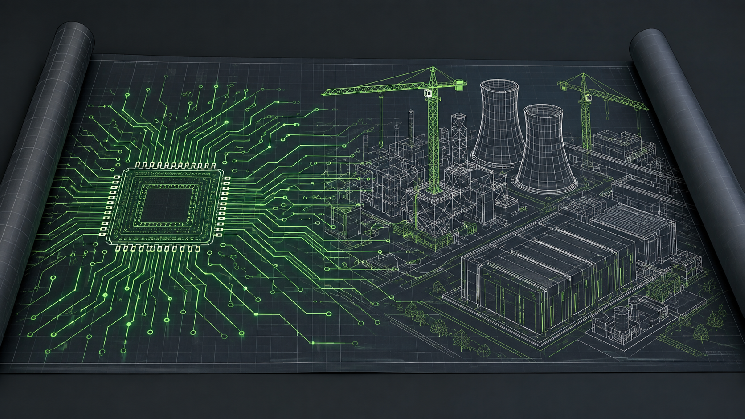
  • The first layer is the advanced process toll booth. Whoever wins, TSMC is more likely to collect the toll.
  • The second layer is the spillover of computing power and platforms. AMD and NVDA represent the offensive of x86 and the extension of GPU software stacks, respectively.
  • The third layer is architecture proliferation and contrarian plays. Both ARM and INTC have potential upside, but position discipline must be stricter.

I. Industry Assessment: AI PCs Transition from Concept to Shipment Validation Phase

Gartner once forecasted in 2024 that AI PC shipments would reach 114.225 million units in 2025, accounting for 43% of the PC market. After updating in 2025, and influenced by tariff and procurement timing disruptions, the forecast was revised down to 77.792 million units, representing 31% market share, but it still expects shipments to reach 143.113 million units in 2026 with a penetration rate of 54.7%. This data suggests to me not that "AI PC demand is disproven," but that short-term timing will fluctuate, while the long-term direction toward becoming standard equipment remains unchanged.

From an investment perspective, the real challenge for AI PCs is not "whether there is an NPU," but whether users are willing to upgrade their machines for the local AI experience. If the application layer remains limited to meeting transcripts, image generation, and simple assistants, the replacement elasticity will be lower than the most optimistic market expectations. However, if the enterprise side begins to adopt privacy computing, low-latency inference, and local knowledge base deployment as standard configurations, the AI PC narrative will shift from a consumer electronics story to an enterprise IT refresh story.

II. Competitive Landscape: Chipmakers Fight, TSMC Collects Tolls

The surface-level narrative of AI PCs is Arm challenging x86, but I am more concerned with where the profit pools migrate. NVIDIA excels in GPU and AI software stacks, AMD excels in x86 CPU and GPU combinations, Qualcomm excels in low power and communications, and Intel excels in installed base ecosystems and enterprise channels. Each has its strengths, but the commonality is clear: high-end chips cannot avoid advanced processes.

TrendForce disclosed that global foundry revenue in Q2 2025 was approximately $41.7 billion, with TSMC holding a 70.2% share. Global foundry revenue in Q4 2025 was approximately $46.3 billion, with TSMC's share around 70.4%. This means that as long as AI PCs, AI servers, mobile APs, and edge AI chips continue to compete for advanced process capacity, TSMC is not merely a cyclical stock but more like the toll gate for the entire AI hardware era.

I do not believe every new product launch is worth chasing. However, I believe that every time competition within the supply chain intensifies, one should ask this counter-question: If the winner is still uncertain, who can charge all potential winners? In the AI PC line, my answer remains advanced processes, packaging, key IP, and platform software, rather than simply betting on any single architecture slogan.

III. Stock Ranking: Core Holdings Look to TSM, Offensive Plays Look to AMD, Contrarian/Upside Plays Look to Intel/ARM

Semiconductor stocks have already priced in AI PCs, on-device AI, and compute spillover to some extent over the past year. Yahoo Finance daily price data shows that within the sample period, AMD, Intel, ARM, and TSM have all demonstrated strong elasticity, but they represent different risk-return profiles. My approach is not to buy all AI PC-related stocks together, but to stratify them based on certainty, valuation discipline, and position in the supply chain.

My core conclusion is simple: This is not a war where you must only bet on the winner; it is a war where you should bet on the toll booth, the platform, and companies with certain cash flows. If the market prices in all the hype on news release days, I prefer to wait. If a pullback restores the risk-reward profile of good companies to a reasonable range, I would first look at TSM and AMD, and only then consider the elastic opportunities with ARM and Intel.

IV. Risk Disclosure

The risks on this theme cannot be ignored:

First, AI PC applications may fall short of expectations, leading to a weaker replacement cycle than imagined.

Second, if Windows on Arm compatibility improvements progress too slowly, the narratives for Qualcomm and new entrants will be dampened.

Third, tariffs, pauses in corporate procurement, and macro uncertainty will affect PC demand.

Fourth, if there is a temporary mismatch between supply and demand for advanced processes, TSMC may also experience valuation contraction.

Fifth, valuations across the entire AI chain are high; once U.S. stock market risk appetite declines, the most elastic stocks often correct the fastest.

Therefore, I prefer to treat AI PCs as a long-term industrial migration trend rather than a short-term news-driven trade. The truly professional approach is not to buy the hype on launch day, but to buy the ecosystem, the toll booths, and the companies that can consistently deliver cash flows after the hype subsides.

This report was prepared by a special analyst. The views expressed herein are solely those of the author and do not represent the views of the BIT platform. This material is for reference only and does not constitute investment advice.


Kripto yang Sedang Tren

Pertanyaan Terkait

QWhat does the author suggest is the core investment strategy for AI PC, rather than betting on the winner of the CPU architecture war?

AThe author suggests investing in 'toll booths' – companies like TSMC that benefit from advanced process technology and are essential to all competitors, regardless of who wins. The strategy is to focus on companies that can generate sustainable profits, cash flow, and have pricing power in the supply chain.

QHow does the author categorize the investment opportunities within the AI PC landscape?

AThe author categorizes the opportunities into three layers: 1) The advanced process 'toll booth' (TSMC). 2) The computing power and platform spillover, represented by AMD (x86 offensive) and NVIDIA (GPU software stack extension). 3) Architecture diffusion and potential turnaround plays, like ARM and Intel, which offer more risk/return volatility.

QWhat is the key challenge for AI PC adoption according to the analysis?

AThe key challenge is whether users are willing to upgrade their PCs for local AI experiences. If applications are limited to meeting summaries, image generation, and simple assistants, upgrade demand will be lower than optimistic expectations. True growth depends on enterprise adoption for private computing, low-latency inference, and local knowledge base deployments.

QWhy is TSMC described as the 'toll booth' for the AI hardware era?

ABecause TSMC holds a dominant ~70% market share in advanced semiconductor foundry processes. As AI PC, server, and edge AI chips compete for cutting-edge manufacturing, TSMC becomes a necessary passage for all major players, allowing it to collect consistent revenue regardless of which specific architecture or company succeeds.

QWhat are the main risks associated with the AI PC investment theme as outlined in the article?

AThe main risks include: 1) AI PC applications falling short of expectations, weakening the upgrade cycle. 2) Slow improvement in Windows on Arm compatibility hindering new entrants. 3) Tariffs, corporate procurement pauses, and macroeconomic uncertainty affecting PC demand. 4) Potential valuation contraction for TSMC due to temporary supply-demand mismatch in advanced processes. 5) High valuations across the AI chain making stocks vulnerable to a broader market risk-off sentiment.

Bacaan Terkait

Bitcoin Mungkin Belum Selesai Mengalami Kapitulasi - Mengapa Dasar Harga $50.000 Masih Berpeluang

Bitcoin (BTC) saat ini menghadapi ujian teknis dan makroekonomi yang signifikan. Aset kripto ini telah mencatatkan tiga kuartal kerugian berturut-turut, sebuah tren yang terakhir terlihat pada pasar bearish 2022. Lebih dari 50% pasokan Bitcoin yang beredar saat ini berada dalam posisi rugi (underwater). Yang menarik, pemegang jangka panjang (long-term holders/LTHs), yang menguasai 78% pasokan beredar, justru menunjukkan ketahanan dengan terus mengakumulasi aset dan tidak menjual selama pelemahan ini. Pasokan LTH bahkan mencapai rekor tertinggi pada Juni, menunjukkan pola yang berbeda dari siklus sebelumnya di mana penyerahan (capitulation) LTH biasanya menandai titik terendah pasar. Namun, tekanan dari lingkungan makroekonomi bisa menjadi ujian terberat. Ekspektasi pasar terhadap kebijakan Federal Reserve telah bergeser, dengan probabilitas kenaikan suku bunga pada bulan September meningkat. Hal ini mengindikasikan kondisi keuangan yang lebih ketat di masa mendatang. Secara historis, pasar bearish Bitcoin pada 2018 dan 2022 tidak mencapai dasar hingga mencatatkan sembilan bulan penurunan berturut-turut. Siklus saat ini baru mencapai tujuh bulan. Jika pola ini berlanjut, fase capitulation mungkin belum selesai. Titik terendah yang berkelanjutan baru akan terbentuk setelah LTH mulai menyerah, dan potensi pergerakan menuju level $50.000 pada akhir kuartal ketiga masih mungkin terjadi sebelum pembentukan dasar pasar yang sebenarnya.

ambcrypto1j yang lalu

Bitcoin Mungkin Belum Selesai Mengalami Kapitulasi - Mengapa Dasar Harga $50.000 Masih Berpeluang

ambcrypto1j yang lalu

Menghitung Mundur Q-Day: Akankah Komputasi Kuantum Mengakhiri Mata Uang Kripto?

**Ringkasan: Ancaman Komputasi Kuantum terhadap Dunia Kripto dan Upaya Menghadapinya** Komputasi kuantum, yang diwakili oleh algoritme seperti Shor, berpotensi meruntuhkan fondasi kriptografi kunci publik (seperti ECC dan RSA) yang menjadi tulang punggung blockchain dan cryptocurrency. Momen ketika hal ini menjadi kenyataan dikenal sebagai "Q-Day", diprediksi terjadi sekitar tahun 2035–2045. Menggunakan ketidaksetaraan Mosca (X + Y > Z), terlihat bahwa proses migrasi ke sistem tahan-kuantum harus dimulai sekarang, mengingat data sensitif hari ini dapat dikumpukan dan dipecahkan di masa depan. Solusi praktis yang sedang dikembangkan adalah **Kriptografi Pasca-Kuantum (PQC)**, yaitu algoritme yang berjalan di komputer klasik namun tahan terhadap serangan kuantum. NIST telah menstandarisasi algoritme inti seperti ML-KEM, ML-DSA, dan SLH-DSA. Strategi migrasi melibatkan **penerapan hybrid** (menggabungkan algoritme lama dan baru) dan meningkatkan **kelincahan kriptografi** sistem. **Dampak pada Blockchain** bersifat sistemik. Bitcoin menghadapi risiko tinggi pada aset di alamat lama yang kunci publiknya sudah terpapar di chain, serta tantangan teknis (seperti pembengkakan ukuran tanda tangan) dan **tantangan politik** yang kompleks terkait bagaimana menangani aset warisan (legacy) yang tidak bermigrasi. Ethereum, dengan strategi "Lean", berencana melakukan migrasi bertahap di seluruh lapisan (eksekusi, konsensus, data) dengan memanfaatkan **abstraksi akun** dan **lapisan-2** sebagai tempat uji coba. Kesimpulannya, komputasi kuantum bukanlah "hari kiamat" bagi cryptocurrency, melainkan **ujian tekanan ekstrem** yang memaksa seluruh ekosistem untuk bermigrasi. Bitcoin diuji pada konsensus sosial dan tata kelola propertinya, sementara Ethereum diuji pada kompleksitas rekayasa seluruh tumpukan teknologinya. Jendela waktu untuk melakukan transisi yang terkoordinasi dengan baik diperkirakan hanya tersisa **5-8 tahun**, sehingga persiapan dan aksi kolaboratif dari seluruh pemangku kepentingan (pengembang, bursa, dompet, dan pengguna) sangat mendesak.

marsbit7j yang lalu

Menghitung Mundur Q-Day: Akankah Komputasi Kuantum Mengakhiri Mata Uang Kripto?

marsbit7j yang lalu

Trading

Spot

Artikel Populer

Cara Membeli CAMP

Selamat datang di HTX.com! Kami telah membuat pembelian Camp Network (CAMP) menjadi mudah dan nyaman. Ikuti panduan langkah demi langkah kami untuk memulai perjalanan kripto Anda.Langkah 1: Buat Akun HTX AndaGunakan alamat email atau nomor ponsel Anda untuk mendaftar akun gratis di HTX. Rasakan perjalanan pendaftaran yang mudah dan buka semua fitur.Dapatkan Akun SayaLangkah 2: Buka Beli Kripto, lalu Pilih Metode Pembayaran AndaKartu Kredit/Debit: Gunakan Visa atau Mastercard Anda untuk membeli Camp Network (CAMP) secara instan.Saldo: Gunakan dana dari saldo akun HTX Anda untuk melakukan trading dengan lancar.Pihak Ketiga: Kami telah menambahkan metode pembayaran populer seperti Google Pay dan Apple Pay untuk meningkatkan kenyamanan.P2P: Lakukan trading langsung dengan pengguna lain di HTX.Over-the-Counter (OTC): Kami menawarkan layanan yang dibuat khusus dan kurs yang kompetitif bagi para trader.Langkah 3: Simpan Camp Network (CAMP) AndaSetelah melakukan pembelian, simpan Camp Network (CAMP) di akun HTX Anda. Selain itu, Anda dapat mengirimkannya ke tempat lain melalui transfer blockchain atau menggunakannya untuk memperdagangkan mata uang kripto lainnya.Langkah 4: Lakukan trading Camp Network (CAMP)Lakukan trading Camp Network (CAMP) dengan mudah di pasar spot HTX. Cukup akses akun Anda, pilih pasangan perdagangan, jalankan trading, lalu pantau secara real-time. Kami menawarkan pengalaman yang ramah pengguna baik untuk pemula maupun trader berpengalaman.

708 Total TayanganDipublikasikan pada 2025.08.27Diperbarui pada 2026.06.02

Cara Membeli CAMP

Diskusi

Selamat datang di Komunitas HTX. Di sini, Anda bisa terus mendapatkan informasi terbaru tentang perkembangan platform terkini dan mendapatkan akses ke wawasan pasar profesional. Pendapat pengguna mengenai harga CAMP (CAMP) disajikan di bawah ini.

活动图片