Crypto Market Structure Bill: Democrat Senators Push For Bipartisan Authorship

bitcoinistDipublikasikan tanggal 2025-09-21Terakhir diperbarui pada 2025-09-21

Abstrak

After the Senate Banking Committee advanced the GOP-led legislation on the crypto market structure, a growing number of Democratic senators...

Trusted Editorial content, reviewed by leading industry experts and seasoned editors. Ad Disclosure

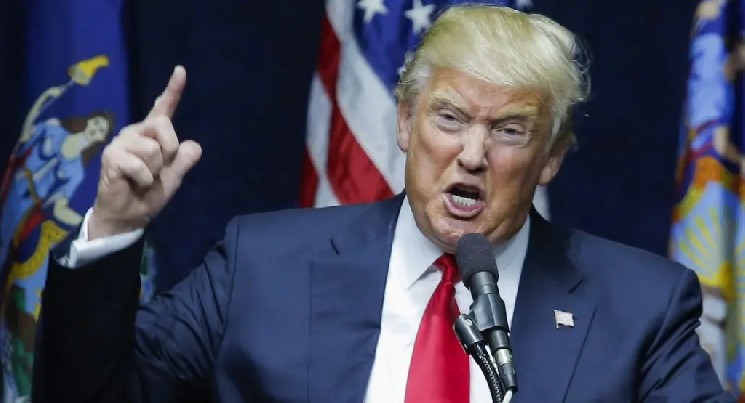
After the Senate Banking Committee advanced the GOP-led legislation on the crypto market structure, a growing number of Democratic senators have stepped forward to demand the chance to actively contribute to one of the most potentially important digital asset regulations. This development comes as the crypto regulatory framework remains center stage in the US Congress, following President Donald Trump’s adoption of a crypto-friendly administrative stance.

Crypto Structure Bill Gathers Traction

Notably, the present crypto market structure bill is led by Republican senators, including Senate Banking Chair Tim Scott (R-S.C.), along with Cynthia Lummis (R-Wyo.), Bill Hagerty (R-Tenn.), and Bernie Moreno (R-Ohio). The updated discussion draft of the “Responsible Financial Innovation Act of 2025” was released in early September, introducing some key changes that sparked public interest. ‘

One of these changes is the proposal of a joint regulatory committee involving the Securities and Exchange Commission (SEC) and the Commodity Futures Trading Commission (CFTC), as well as 14 non-government members from across the industry, academia, user base, and the National Institute of Science and Technology.

However, on September 9, popular crypto critic and Democrat Senator Elizabeth Warren (D-MA) shared heavy criticism of the GOP-led bill, citing a lack of sufficient consultation with Democrats or disclosure of industry feedback. She argues that partisanship and lack of transparency threaten both the integrity and effectiveness of the legislation. Following this development, the Democrats have since released their own version of the cryptocurrency regulatory framework, backing their call for bipartisan authorship.

The Demand For Shared Authorship

In a statement released on September 19, this group of 12 Democratic senators reaffirmed their desire to be more than bystanders in the crypto structure bill. Senators Ruben Gallego (D-AZ), Mark Warner (D-VA), Kirsten Gillibrand (D-NY), Cory Booker (D-NJ), Catherine Cortez Masto (D-NV), Ben Ray Luján (D-NM), John Hickenlooper (D-CO), Raphael Warnock (D-GA), Adam Schiff (D-CA), Andy Kim (D-NJ), Lisa Blunt Rochester (D-DE), and Angela Alsobrooks (D-MD) together called for a bipartisan authorship process matching the norm for legislation of this scale.

The statement read:

Last week, we released a framework on market structure legislation, highlighting our desire to work on this issue. As we stated then, digital assets are a $4 trillion global market that will require a considered and bipartisan approach to regulation.

We hope our Republican colleagues will agree to a bipartisan authorship process, as is the norm for legislation of this scale. Given our shared interest in moving forward quickly on this issue, we hope they will agree to reasonable requests to allow for true collaboration.

The Democratic proposed framework centers around seven key pillars, including clarifying regulatory jurisdiction, integrating digital-asset issuers and trading platforms into oversight, combating illicit finance and corruption, promoting fair regulation, and closing gaps in how non-security digital assets are regulated.

At press time, the total crypto market cap remains valued at $4.03 trillion following a 0.34% gain in the past day.

Crypto
Total crypto market valued at $3.99 trillion on the daily chart | Source: TOTAL chart on Tradingview.com
Featured image from Flickr, chart from Tradingview
Editorial Process for bitcoinist is centered on delivering thoroughly researched, accurate, and unbiased content. We uphold strict sourcing standards, and each page undergoes diligent review by our team of top technology experts and seasoned editors. This process ensures the integrity, relevance, and value of our content for our readers.

Semilore Faleti works as a crypto-journalist at Bitconist, providing the latest updates on blockchain developments, crypto regulations, and the DeFi ecosystem. He is a strong crypto enthusiast passionate about covering the growing footprint of blockchain technology in the financial world.

Bacaan Terkait

Anda Akan Terkejut Betapa Berbedanya Arsitektur WeChat dan Telegram

**Ringkasan Perbandingan Arsitektur WeChat vs. Telegram** Pada kuartal kedua 2026, WeChat mencapai 1,428 miliar pengguna bulanan. Sebagai platform digital utama, arsitektur WeChat berbeda tajam dengan Telegram dalam beberapa aspek kunci: **Penyimpanan Data:** * **Telegram:** Menyimpan percakapan secara tak terbatas di cloud dengan sinkronisasi otomatis di semua perangkat. Versi desktop dapat berjalan mandiri. * **WeChat:** Riwayat chat disimpan secara lokal di perangkat. Transfer ke perangkat baru memerlukan migrasi manual via kode QR, dan versi desktop selalu membutuhkan konfirmasi dari ponsel. **Fitur Komentar & Diskusi:** * **Telegram:** Komentar di channel terintegrasi langsung dalam antarmuka yang sama melalui grup diskusi terpisah. * **WeChat:** Komentar di artikel akun resmi dimoderasi terlebih dahulu dan tidak memiliki sistem diskusi otomatis yang terikat ke artikel tertentu. **Platform Pengembang:** * **Telegram:** Bot API bersifat terbuka, gratis, dan dokumentasinya tersedia untuk publik. * **WeChat:** Mini-program beroperasi dalam ekosistem tertutup, memerlukan verifikasi, sertifikasi berbayar, dan seringkali lisensi bisnis untuk akses API. **Batas Pengiriman File:** * **Telegram:** Batas unggah 2 GB (umum) dan 4 GB (Premium), tanpa batas kecepatan. * **WeChat:** Batas umum 200 MB untuk file dalam chat. File lebih besar memerlukan "File Transfer Assistant" dan memiliki masa simpan terbatas di server. **Sistem Pembayaran & Ekosistem:** * **WeChat:** WeChat Pay terintegrasi sangat dalam di kehidupan sehari-hari di Tiongkok, menggantikan uang tunai di banyak aspek. * **Telegram:** Tidak memiliki sistem pembayaran fiat terintegrasi skala serupa. Fungsi keuangan lebih banyak melalui bot pihak ketiga dan berfokus pada pembayaran crypto. **Analisis Keamanan (Sudut Pandang AI):** Perbandingan juga menyoroti perbedaan dalam enkripsi. Telegram menawarkan enkripsi end-to-end untuk "Secret Chats", sementara WeChat tidak. Integrasi yang sangat erat antara chat dan pembayaran di WeChat (tanpa enkripsi end-to-end) dapat memperluas permukaan serangan. Misalnya, otoritas Singapura mencatat ratusan kasus penipuan terkait WeChat pada awal 2025. **Kesimpulan:** Kedua platform merepresentasikan filosofi berbeda: WeChat dibangun sebagai ekosistem tertutup yang terintegrasi sangat dalam dengan ekonomi nyata, sedangkan Telegram berfokus pada protokol terbuka, penyimpanan data fleksibel, dan hambatan rendah bagi pengembang. Pilihan arsitektur ini menentukan audiens dan skenario penggunaan masing-masing platform.

cryptonews.ru1j yang lalu

Anda Akan Terkejut Betapa Berbedanya Arsitektur WeChat dan Telegram

cryptonews.ru1j yang lalu

Trading

Spot
活动图片