Billionaire Behind Bars: China’s Second-Richest Man Jailed For $5 Million Crypto Scam

bitcoinistDipublikasikan tanggal 2024-08-26Terakhir diperbarui pada 2024-08-27

Abstrak

Yang Bin, the former second-richest man in China, has been sentenced to six years in a Singapore prison for operating...

Yang Bin, the former second-richest man in China, has been sentenced to six years in a Singapore prison for operating a multi-million-dollar Ponzi scheme disguised as a crypto investment operation.

The 61-year-old Chinese-Dutch national, pleaded guilty to eight charges that ranged from conspiring to engaged in a fraudulent scheme, operating without a valid work permit, and was fined S$16,000 on Aug. 26.

According to local media reports, Yang’s fraudulent activity, operating under the name A&A Blockchain Innovation, attracted more than 700 investors that lost some S$1.1 million out of a supposed S$6.7 million invested between May 2021 and February 2022.

The company purported to own 300,000 cryptocurrency mining machines that would afford investors daily returns of 0.5%. However, no such machines actually existed. Instead Yang used the money from new investors to pay returns to earlier investors, a hallmark of a Ponzi scheme.

A History Of Fraud

This is not the first instance of legal hassles that Yang has been facing. He was sentenced to 18 years in prison by a Chinese court in 2003 for tax evasion and underwent part of his sentence before being released in 2016.

Total crypto market cap at $2.19 trillion on the daily chart: TradingView.com

His troubles first began in 2002 when he was appointed by North Korea to supervise economic development in the Sinŭiju Special Administrative Region; a short time later, Chinese authorities placed him under house arrest on charges of tax evasion.

Sophisticated Crypto Scheme With Bogus Returns

Yang’s latest scam is an app that depicted fake returns to investors in which the system was centralized, allowing for random figures input by the system manager to show fake returns of real money.

It was said by deputy public prosecutor Wong Shiau Yin that Yang had a major role in the operation and did not make any restitution for the victims. It was also stated that the enforcement authorities had recovered S$100,000 from Yang’s residence, and he had admitted that the money belonged to the investors.
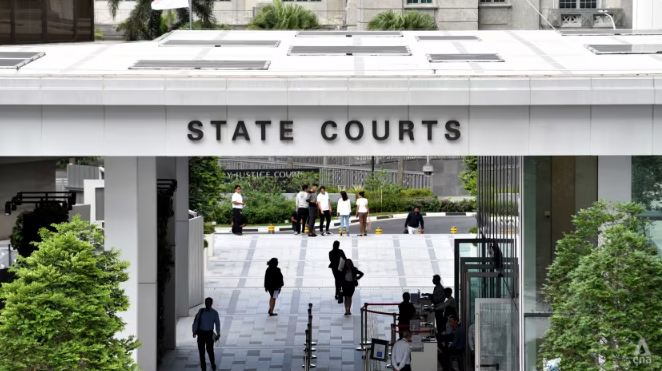
The State Courts in Singapore. (File Photo: CNA/Jeremy Long)

Related Reading: Bitcoin Maxi, CEO Expects ‘$0.01 Million’ As Threshold For BTC ‘Sale’ – Details

Locked Up

District Judge Brenda Chua sent Yang to jail for six years, taking into account he was higher in culpability compared to his co-accused, whose legal proceedings are ongoing.

Meanwhile, Yang’s lawyer, Teo Choo Kee, managed to lower his sentence a tad by putting across his point to the court that his client was due for a slightly less punishment on the account of his early guilty plea and cooperation with the police.

While talking about the monetary terms, the judge said that the sums involved were substantial and the victim’s grievances were years long, and no restitution has been made to date.

Yang’s punishment became the loud warning for all who had put their money into unregulated and fraudulent schemes with cryptocurrencies. This has also been a lesson to investors that, with the industry’s progressing and growing pace, they need to take special care and be extremely cautious before investing any kind of fund these days.

Featured image from Kohn, Kohn & Colapinto, chart from TradingView
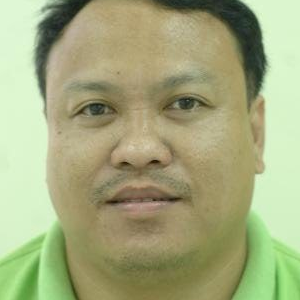
Christian Encila

Christian Encila

Christian, a journalist and editor with leadership roles in Philippine and Canadian media, is fueled by his love for writing and cryptocurrency. Off-screen, he's a cook and cinephile who's constantly intrigued by the size of the universe.

Bacaan Terkait

Mengapa Asuransi DeFi Tidak Laku?

"DeFi Asuransi: Mengapa Tidak Ada yang Membelinya?" Asuransi DeFi dirancang untuk menghilangkan perantara dengan pembayaran klaim otomatis melalui kontrak pintar. Namun, pada kenyataannya, hampir tidak ada yang membelinya. Alasan utamanya adalah biaya premi yang terlalu tinggi. Premi asuransi bisa mencapai 1.5%–6%, yang secara signifikan menggerus keuntungan tahunan dari platform seperti Aave atau Compound (biasanya 3%-4%). Akibatnya, laba bersih pengguna menjadi sangat rendah, bahkan bisa negatif. Risiko di DeFi juga sangat terkait. Satu insiden keamanan (seperti peretasan protokol atau kegagalan oracle) dapat mempengaruhi banyak platform sekaligus. Kolam asuransi DeFi saat ini, dengan total aset hanya sekitar puluhan juta dolar, tidak cukup untuk menanggung kerugian besar seperti peretasan miliaran dolar. Selain itu, model keputusan klaim seperti di Nexus Mutual, di mana pemegang token memutuskan klaim, dapat menciptakan bias untuk menolak pembayaran. Kapasitas asuransi seluruh industri sangat kecil dibandingkan dengan total aset terkunci di DeFi yang mencapai ratusan miliar dolar. Solusi yang muncul berfokus pada pencegahan (seperti program bug bounty) dan mencoba menarik modal reasuransi tradisional, mengakui bahwa dana di dalam ekosistem saja tidak cukup. Intinya, asuransi DeFi saat ini menghadapi paradoks: semua orang butuh perlindungan, tetapi biayanya membuatnya tidak menarik, dan tidak ada yang bisa memaksa pengguna untuk membelinya, sehingga meninggalkan pasar rentan terhadap risiko sistemik.

marsbit3j yang lalu

Mengapa Asuransi DeFi Tidak Laku?

marsbit3j yang lalu

Dompet Cardano Dihantam Eksploitasi SecondFi Akibat Cacat Kunci Pribadi Picu Peringatan Keamanan

SecondFi, sebelumnya terkait dengan merek dompet Yoroi, menangguhkan layanannya setelah cacat kritis dalam perangkat lunak pembuatan dompet berbasis web mereka melaporkan mengekspos kunci privat dan mengakibatkan pencurian ADA besar. Insiden ini memicu peringatan mendesak bagi pengguna yang terdampak, namun sumber yang divalidasi menegaskan satu poin penting: ini bukanlah peretasan terhadap protokol blockchain Cardano itu sendiri. Kerentanan terletak pada proses pembuatan kunci privat di perangkat lunak dompet web SecondFi. Perkiraan awal menyebutkan 16 juta ADA dicuri dari 374 dompet, bernilai sekitar $2,4 juta. Firma keamanan SlowMist memperingatkan dampak totalnya bisa melebihi 129 juta ADA (lebih dari $20 juta). Jaringan Cardano sendiri tidak diretas; masalahnya terlokalisir pada perangkat lunak SecondFi. Peringatan keselamatan terkuat bagi pengguna yang terdampak adalah untuk TIDAK memulihkan frase seed yang telah dikompromikan ke dalam dompet lain, karena kunci privatnya sendiri mungkin telah bocor. Pengguna juga diperingatkan terhadap tautan pemulihan tidak resmi atau platform pengembalian dana pihak ketiga yang sering muncul pasca-eksploitasi. Insiden ini menjadi pengingat bahwa keamanan blockchain tidak berakhir di lapisan protokol. Proses pembuatan dompet, antarmuka berbasis browser, dan penanganan frase seed bisa menjadi titik kegagalan kritis. Fokus saat ini adalah membantu pengguna terdampak menghindari eksposur lebih lanjut sementara cakupan akhir insiden dikonfirmasi.

bitcoinist3j yang lalu

Dompet Cardano Dihantam Eksploitasi SecondFi Akibat Cacat Kunci Pribadi Picu Peringatan Keamanan

bitcoinist3j yang lalu

Trading

Spot
活动图片