OpenAI Buys Tens of Thousands of Macs for Reinforcement Training! NVIDIA's Job Gets Snatched by Apple

marsbitPublié le 2026-08-31Dernière mise à jour le 2026-08-31

Résumé

OpenAI is reported to have purchased tens of thousands of Mac mini and Mac Studio computers for reinforcement learning tasks, specifically to train "computer-use agents." This surge in demand from AI companies like Anthropic as well has made Mac Apple's fastest-growing product line. Apple is promoting its hardware's suitability for local AI processing, highlighting advantages like the unified memory architecture of M-series chips and robust cooling in desktop Macs. However, this unexpected enterprise demand has led to supply shortages for high-end configurations. Nvidia has taken notice, launching its DGX Spark desktop AI computer as a direct competitor. While Apple has begun building internal servers with its chips for AI tasks, it currently does not sell them, relying instead on partners to expand its enterprise reach.

OpenAI has been exposed for frantically purchasing Macs, buying tens of thousands at a time.

They accidentally bought out the stock and are trying every means to acquire more.

They don't want MacBook laptops, specifically buying Mac mini and Mac Studio models without screens or keyboards.

So the question arises: What kind of AI business can't be handled by NVIDIA GPUs and Google TPUs, but must use Macs?
Using Tens of Thousands of Macs for Reinforcement Learning, AI Giants Are Doing It Too

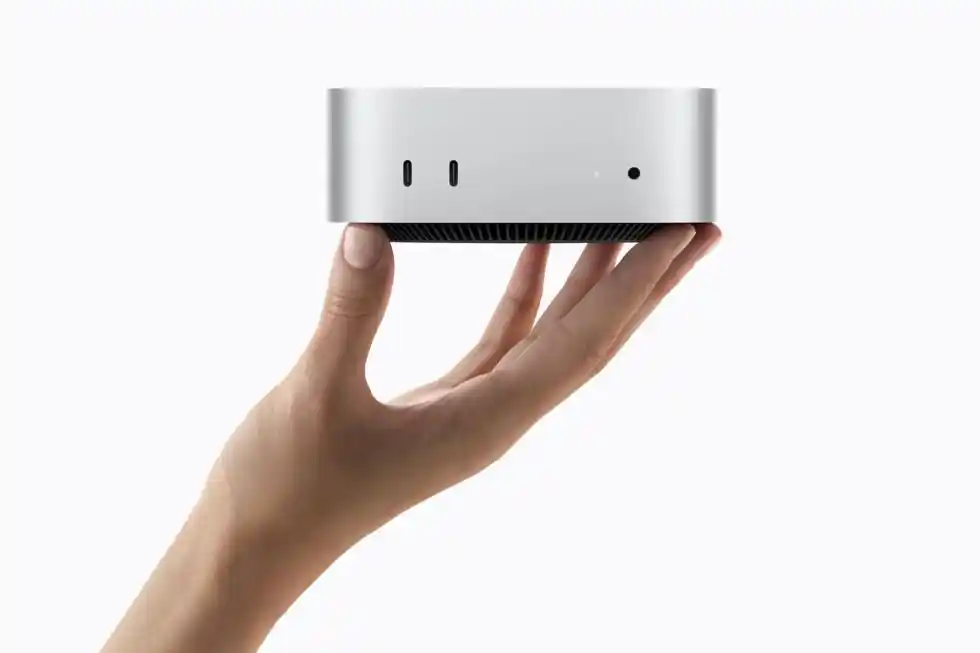
According to The Information, OpenAI has purchased tens of thousands of Mac mini and Mac Studio units specifically for reinforcement learning.

Not just OpenAI, Anthropic is also renting Mac minis through Amazon Web Services (AWS) for similar tasks.
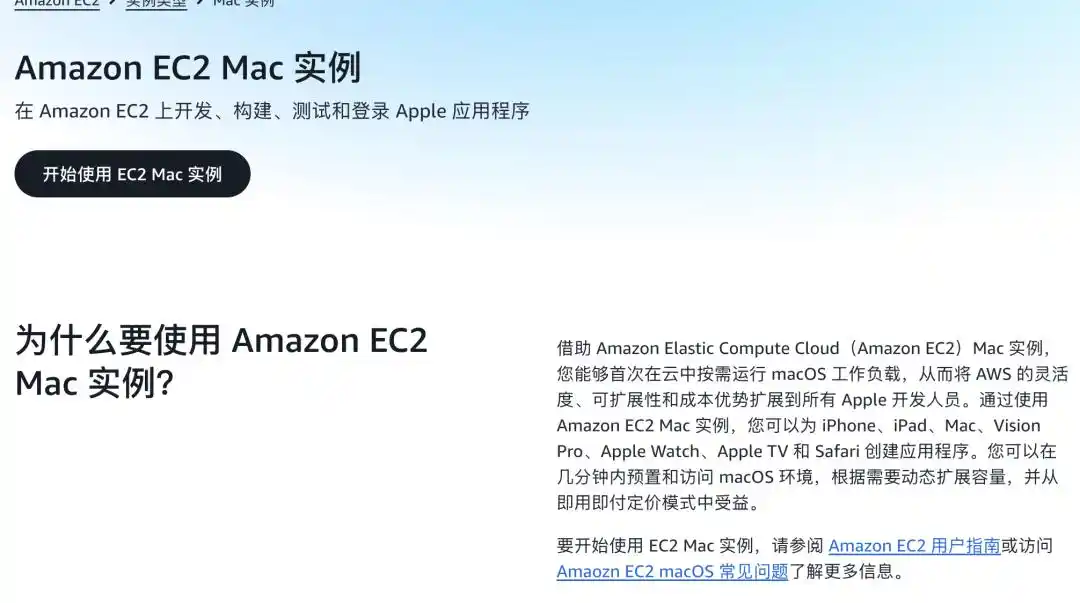
These Macs are used to train "computer-use agents," AI systems capable of autonomously operating computers to complete multi-step tasks like editing test code, automatically organizing email inboxes, and summarizing documents.

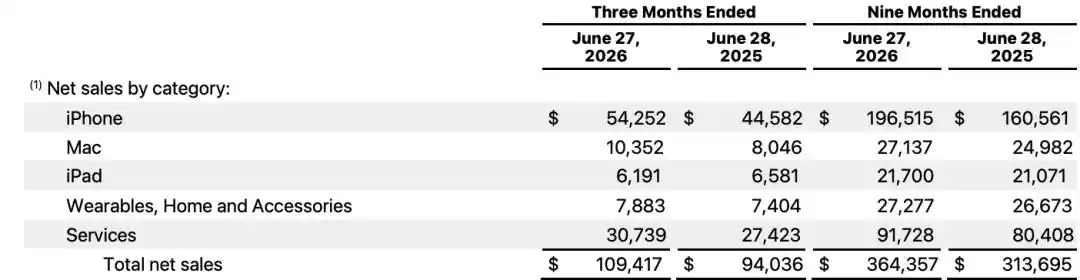
This frenzy is directly reflected in Apple's financial reports.

In the most recent quarter, Mac sales grew nearly 29% year-over-year, reaching $10.3 billion, outpacing the growth of iPhone, iPad, and all other Apple product lines. Mac became Apple's fastest-growing business.
On June 23rd, Apple Park hosted an event called "Business at the Park." This is uncommon in Apple's history, as the company has traditionally focused on the consumer market and rarely held events specifically for enterprise clients.

Executives from Disney and Ford attended the event, along with Anthropic co-founder Jared Kaplan. Apple's outgoing CEO Tim Cook and incoming CEO John Ternus were also present.

According to one attendee, Apple repeatedly emphasized at the event that its hardware is very suitable for handling AI tasks locally, with the Mac mini being the focus of the entire event.

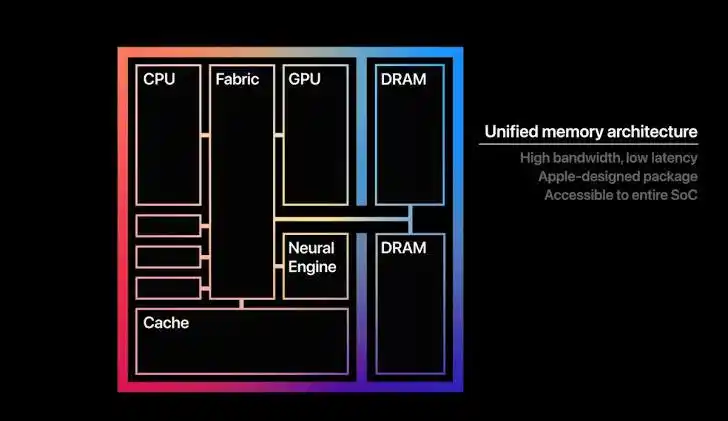
AI training has long been dominated by NVIDIA GPUs, but Macs have been purchased on a large scale for this specific reinforcement learning niche due to their unified memory architecture.

NVIDIA GPU VRAM and system memory are separate, and data transfer between them creates bottlenecks. Apple's M-series chips use a single, shared memory pool where the CPU and GPU directly access the same memory, providing performance advantages when handling AI workloads.
Furthermore, unlike slim MacBooks, the Mac mini and Mac Studio are equipped with dedicated cooling systems, preventing thermal throttling during prolonged, complex AI tasks. This is crucial for reinforcement learning training sessions that can last for hours or even days.

Apple is also promoting the EXO Labs open-source software project, which can cluster multiple Macs together to run trillion-parameter AI models locally.
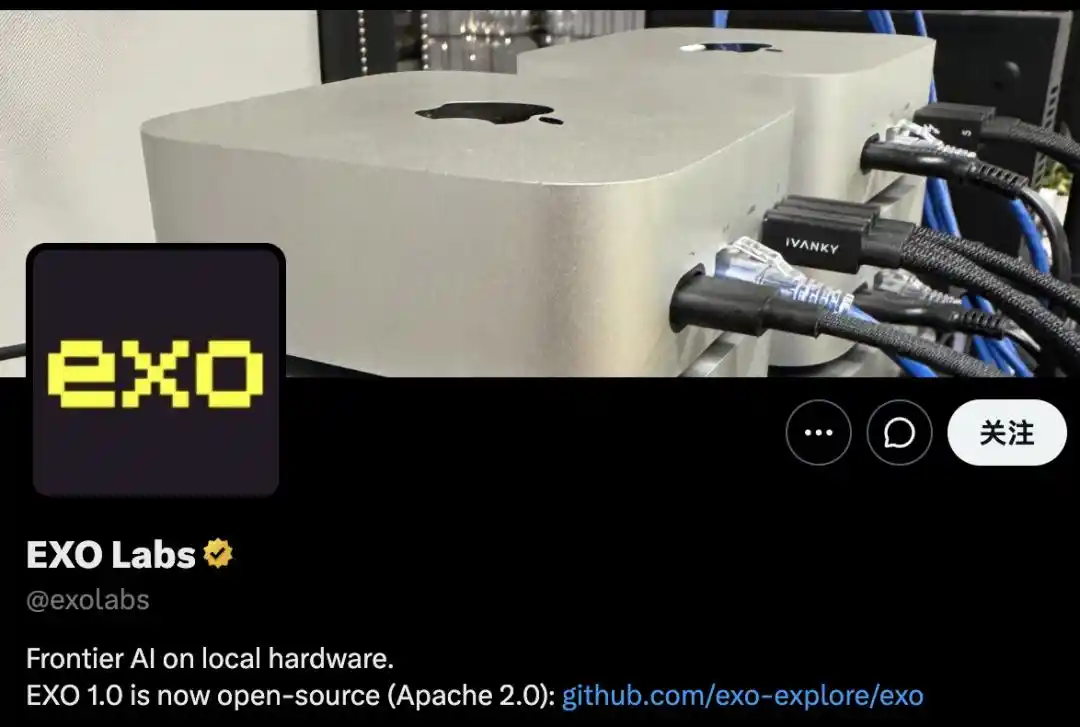
Apple's newly released Mac Studio also specifically highlights clustering capabilities, where multiple Mac Studios can be daisy-chained to form a more powerful system for running cutting-edge models.

The timing of this new product launch is also unusual. Apple typically updates its Mac lineup in October or November each year for the holiday season, but this time it was moved up to August.
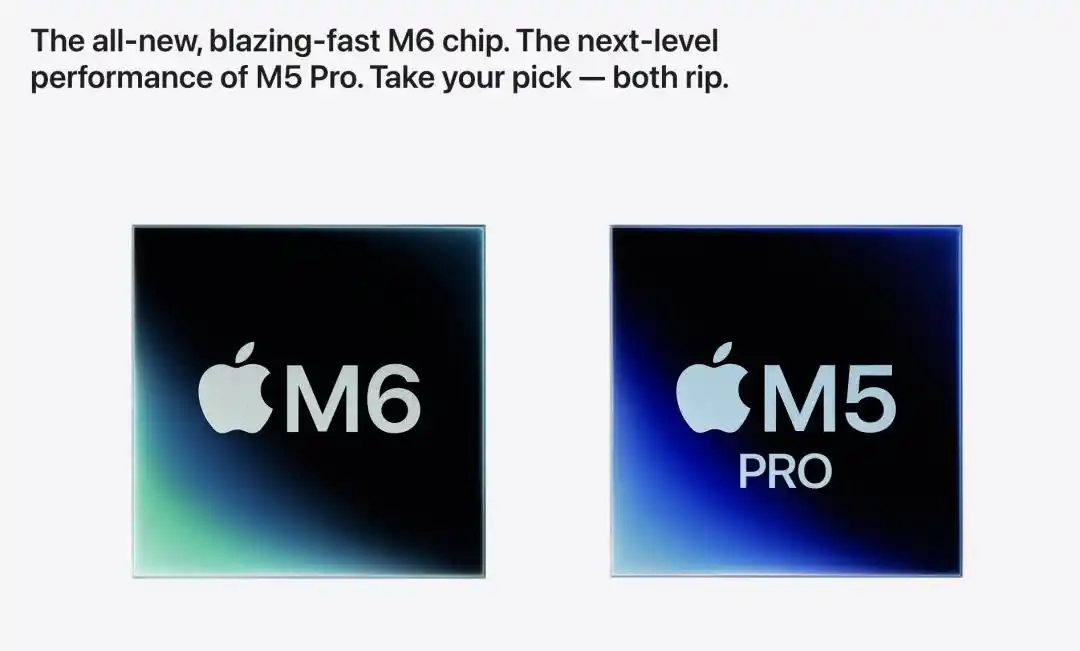
NVIDIA Has Taken Notice, Apple Scrambles to Respond

The rise of Macs in the local AI space has already caught NVIDIA's attention.

According to an insider who discussed the competitive landscape with NVIDIA executives, NVIDIA views Apple as its biggest competitor in the local AI domain.

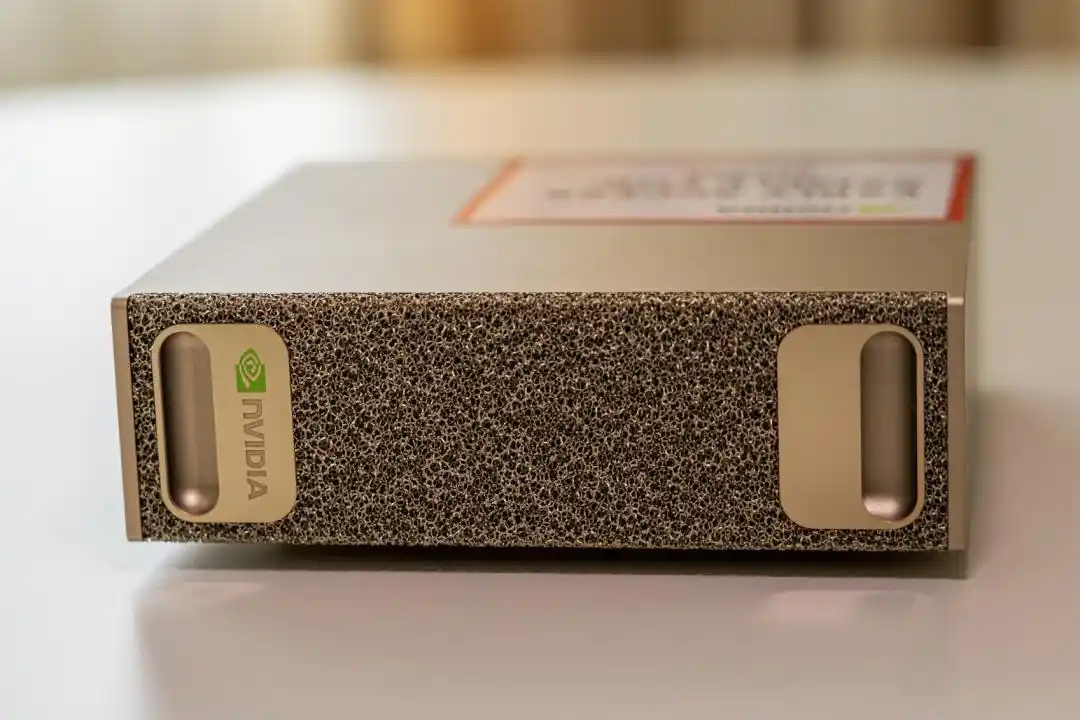
Late last year, NVIDIA released the DGX Spark, an AI desktop computer with a design similar to the Mac mini, directly targeting this market.
On Apple's side, they face the practical problem of supply keeping up with demand.

The massive demand for memory chips from AI data centers has led to a historic industry-wide shortage, from which Apple has not been spared.

The higher-spec configurations of Mac mini and Mac Studio, most attractive to AI developers, have been out of stock for months.

Todd Dailey, former AI Products Enterprise Marketing Manager at Apple, revealed that over the past year, due to constrained Mac supply, some enterprises have started looking for alternatives, with NVIDIA's DGX Spark frequently mentioned as an option—and it's currently available.

Dailey left Apple in April this year and is now an independent AI consultant. He also revealed that the Mac's popularity in the enterprise AI market was completely accidental, not part of Apple's proactive planning. Apple does not have a dedicated engineering team for enterprise clients nor any staff focused on developer relations.

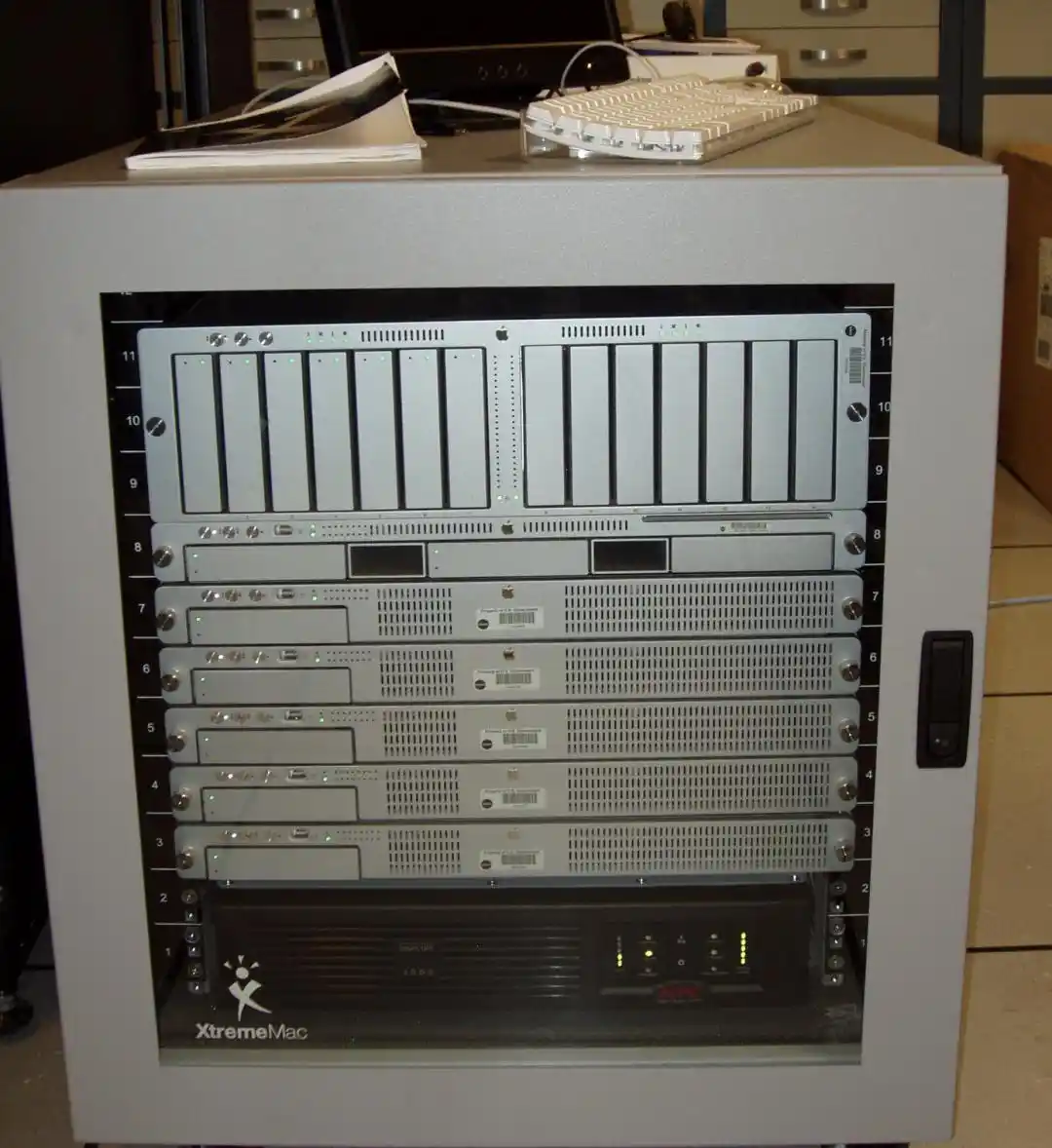
The last time Apple sold a server product was the Xserve, discontinued in 2011. The server operating system based on macOS also ceased development in 2022.
However, some have already sensed the opportunity.

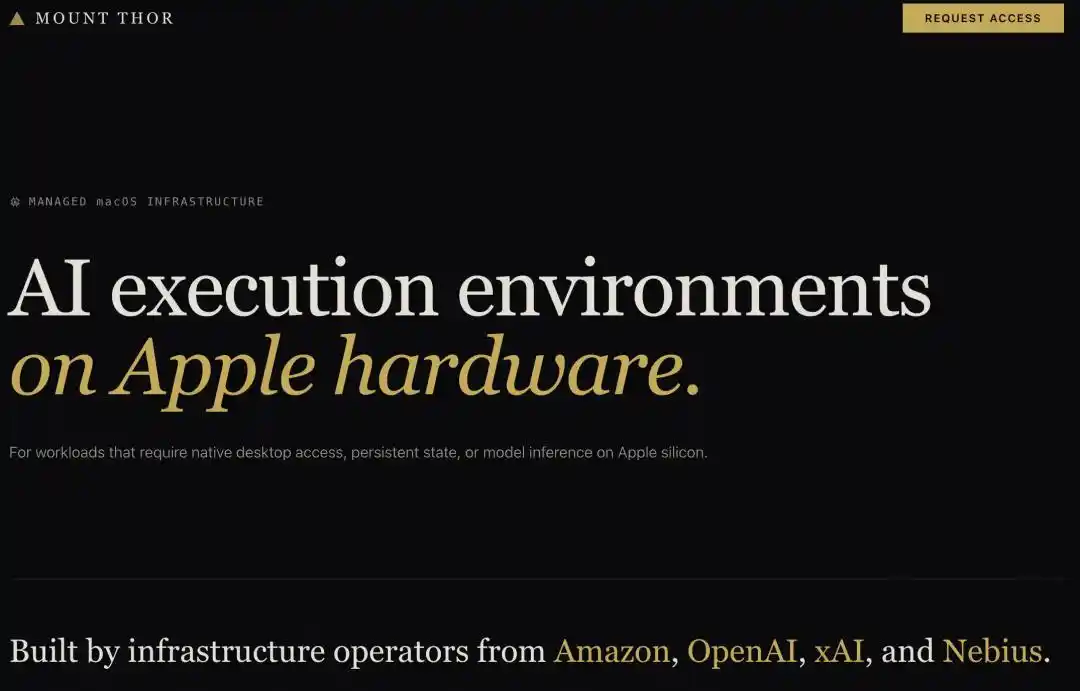
Former OpenAI Compute Infrastructure employee Peter Voell founded Mount Thor, a cloud computing company based on Apple hardware, currently still in stealth mode. Its website describes the product as an "Apple hardware-based AI execution environment."

Apple is also pinning its hopes on partners like Mount Thor and webAI to push Macs deeper into the enterprise market.
Apple has finally started using Mac chips to build its own servers. However, these servers are for internal use only, powering the Private Cloud Compute service to handle AI tasks beyond the capabilities of iPhones or Macs.

Some enterprise customers have inquired whether Apple would sell access to these servers, but Apple has so far refused.

Reference links:[1]https://www.theinformation.com/articles/apple-stumbled-ai-hardware-success-mac[2]https://www.apple.com/newsroom/2026/07/apple-reports-third-quarter-results/

This article is from the WeChat public account "QbitAI," author: Focus on Cutting-edge Technology


Questions liées

QWhat specific types of Macs is OpenAI reportedly purchasing in large quantities, and for what AI task?

AOpenAI is reportedly purchasing tens of thousands of Mac mini and Mac Studio units for the specific task of reinforcement learning, particularly for training 'computer-use agents' that can operate computers autonomously.

QAccording to the article, what key hardware feature of Apple's M-series chips gives Macs an advantage for certain AI workloads compared to NVIDIA GPUs?

AThe key hardware feature is the unified memory architecture. Apple's M-series chips use a single, shared memory pool that the CPU and GPU can access directly, avoiding the performance bottleneck caused by data transfer between separate GPU VRAM and system memory found in NVIDIA GPUs.

QHow did the surge in Mac purchases by AI companies like OpenAI impact Apple's financial results, as mentioned in the article?

AThe surge in Mac purchases contributed to Mac sales growing nearly 29% year-over-year in Apple's most recent quarter, reaching $10.3 billion. This made the Mac business Apple's fastest-growing product line, outpacing the growth of iPhone and iPad.

QWhat product did NVIDIA release to compete directly in the local AI hardware market targeted by devices like the Mac mini, and what is a key advantage it currently holds over Apple's offerings?

ANVIDIA released the DGX Spark, an AI desktop computer with a design similar to the Mac mini, to compete in this market. A key current advantage is that it is readily available, while high-configuration Mac mini and Mac Studio models have been out of stock for months.

QWhat was unusual about Apple's 'Business at the Park' event in June, and what was a major focus of the presentation according to a participant?

AIt was unusual because Apple has historically focused on the consumer market and rarely holds events specifically for enterprise customers. According to a participant, a major focus of the presentation was that Apple's hardware is well-suited for local AI tasks, with the Mac mini being the centerpiece of the event.

Lectures associées

a16z révèle la frénésie cryptographique en Argentine : acheter des crypto-monnaies, c’est acheter des dollars, une habitude stablecoin radicalement remodelée

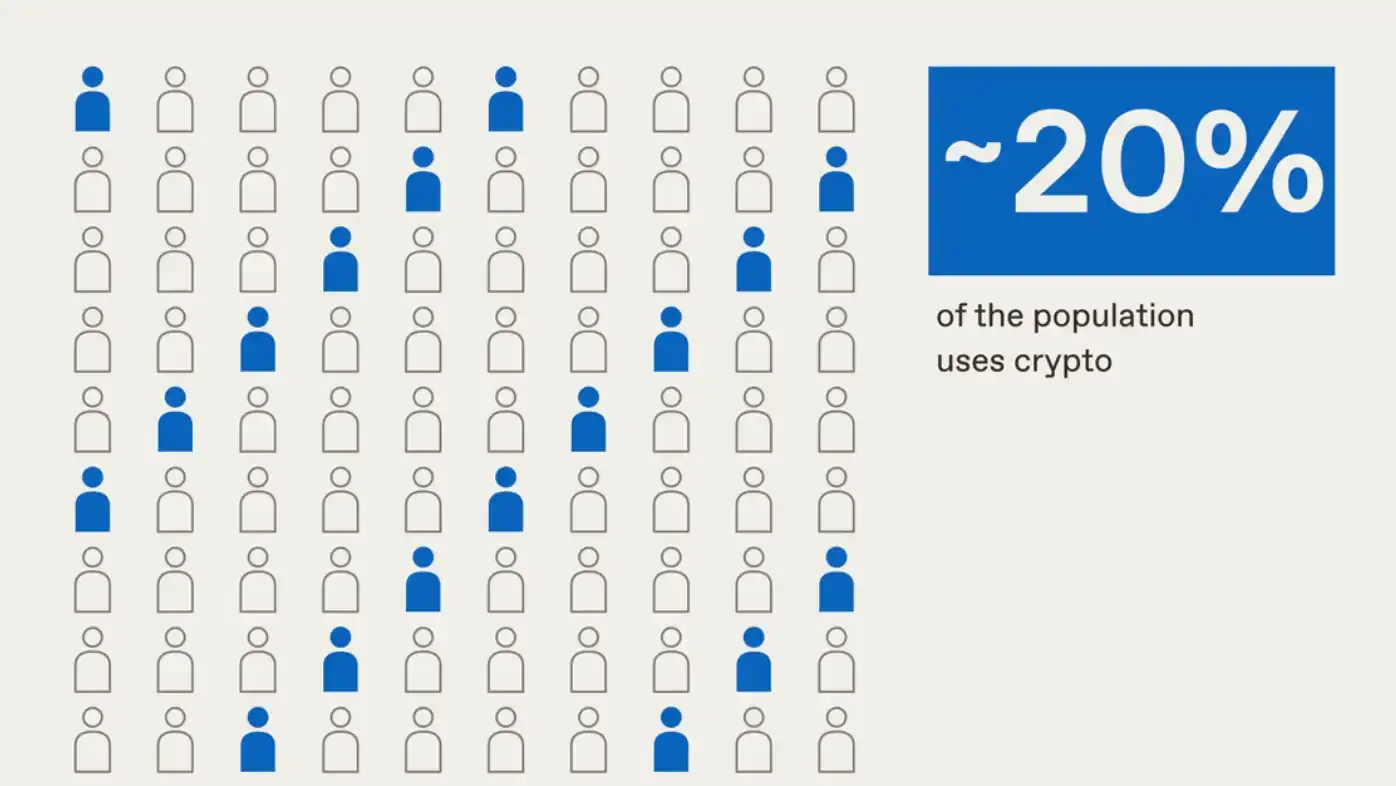
A16z révèle la frénésie cryptographique en Argentine : acheter des crypto-monnaies, c'est acheter des dollars, et les habitudes en matière de stablecoins sont profondément transformées. L'Argentine est l'un des marchés mondiaux ayant le plus haut taux d'adoption des cryptomonnaies, avec une personne sur cinq les utilisant. En 2024, les téléchargements des principales applications crypto ont presque doublé. Cette adoption s'enracine dans une méfiance historique envers le peso, exacerbée par les crises financières et les contrôles des changes. Les stablecoins liés au dollar, comme l'USDC, sont devenus une alternative pour échapper à l'inflation (289% en glissement annuel en avril 2024) et aux restrictions d'accès au dollar officiel. Les données de Deel montrent que l'utilisation des stablecoins pour les salaires des contractants a augmenté en parallèle de l'inflation. Même après l'assouplissement de la crise et la levée de la plupart des restrictions sur l'achat de dollars en 2025, l'usage ne s'est pas effondré mais stabilisé. 94% des transactions crypto en pesos se font vers des stablecoins. Alors que le prix du "dollar numérique" était bien supérieur au taux de change officiel pendant les périodes de contrôles stricts, les deux se sont largement rapprochés depuis. Malgré la baisse de l'inflation, l'adoption des portefeuilles crypto comme Lemon continue de croître. Cela suggère que les stablecoins ne sont plus seulement un outil de couverture, mais qu'ils sont en train de devenir une habitude financière durable en Argentine, offrant un moyen pratique de dollarisation et de paiement.

marsbitIl y a 15 mins

a16z révèle la frénésie cryptographique en Argentine : acheter des crypto-monnaies, c’est acheter des dollars, une habitude stablecoin radicalement remodelée

marsbitIl y a 15 mins

En hausse de 22 % en une semaine et approchant la "ligne de démarcation haussière/baissière", retour sur les trois signaux clés qui ont mis fin aux marchés baissiers du Bitcoin

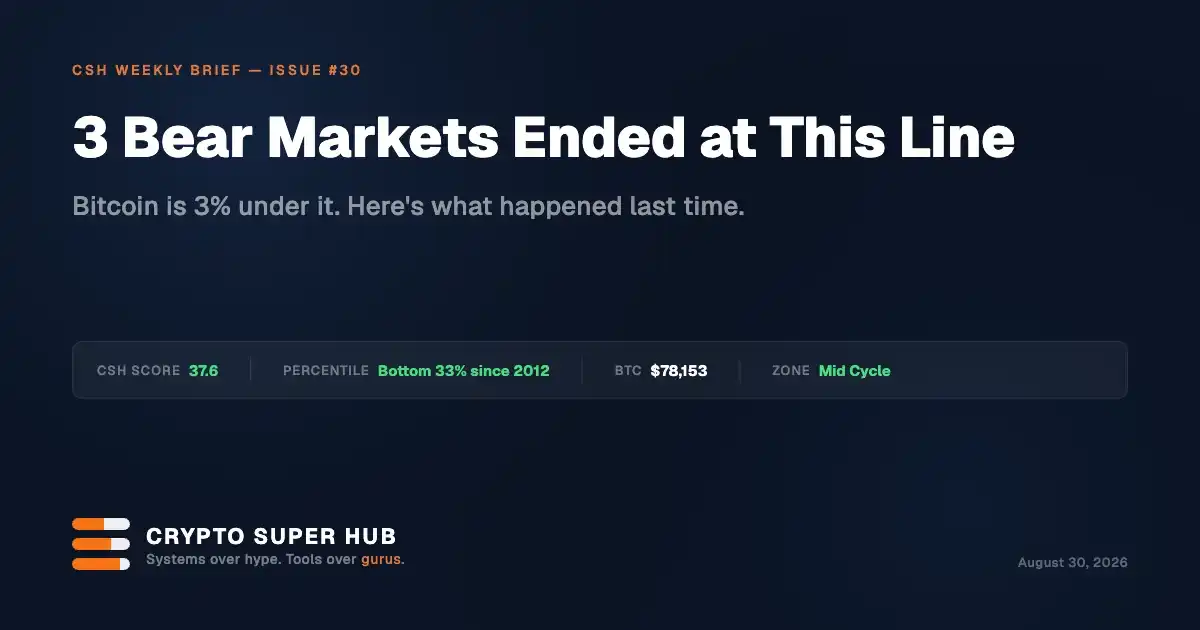
**Bitcoin approche la moyenne mobile sur 50 semaines, un seuil clé pour la fin des cycles baissiers** Le bitcoin a connu une semaine exceptionnelle, avec une hausse de 22,8%, sa meilleure performance hebdomadaire depuis mars 2023. Cette forte poussée l'a rapproché de sa moyenne mobile sur 50 semaines (MM50), actuellement aux alentours de 81 000 dollars. Historiquement, ce niveau a joué un rôle décisif. Une analyse des données depuis 2012 révèle un schéma récurrent : les trois précédents marchés baissiers (2015, 2018-19, 2022-23) se sont tous terminés par une première clôture hebdomadaire ferme au-dessus de cette MM50. Après ce signal, le prix n'est jamais revenu en dessous dans les six mois suivants, et a significativement progressé sur un an. Le signal actuel présente des similitudes avec ces vraies reprises, notamment un score de sentiment (CSH) bas remontant de 20,6 à 37,6. Cependant, un faux signal s'est produit en avril 2022, où une clôture au-dessus de la MM50 a été rapidement invalidée, menant à de nouveaux plus bas. La différence cruciale résidait dans un score de sentiment alors élevé (65,4), indiquant un marché encore "cher", contrairement à la situation actuelle. Deux éléments invitent à la prudence : 1) Ce cycle baissier est le plus léger historiquement (recul de 53% contre 75-83% auparavant). 2) Si le plus bas a été atteint le 1er juillet, seulement 60 jours se sont écoulés, un délai beaucoup plus court que lors des reprises précédentes. En conclusion, le signal final de fin de marché baissier (une clôture hebdomadaire stable au-dessus de la MM50) n'est pas encore confirmé. Mais les conditions préalables sont réunies : un creux de sentiment profond et un rebond vigoureux. Les prochaines semaines, avec notamment la décision de la Fed en septembre, seront déterminantes pour valider ou rejeter cette tentative de franchissement. Un plan d'investissement discipliné, déclenché par des règles objectives comme le score CSH, permet de se préparer aux deux scénarios.

marsbitIl y a 19 mins

En hausse de 22 % en une semaine et approchant la "ligne de démarcation haussière/baissière", retour sur les trois signaux clés qui ont mis fin aux marchés baissiers du Bitcoin

marsbitIl y a 19 mins

Trading

Spot
活动图片