Written by: Vaidik Mandloi
Compiled by: Block Unicorn
Preface
Last week, the New York Stock Exchange (NYSE) announced plans to build a blockchain-based, tokenized securities trading platform that operates around the clock (24/7). At first glance, this might seem like just another "traditional finance adopts blockchain" headline. For those who have been following the cryptocurrency space over the past few years, tokenized stocks, on-chain settlement, and stablecoin financing are already familiar concepts.
However, this announcement is not about testing new technology; it is aimed at challenging market areas that have seen little change.
Stock markets still operate with fixed trading hours and delayed settlement mechanisms, primarily because this system has effectively managed risk for decades. Trading occurs within a short time window, with clearing and settlement happening afterward. Significant amounts of capital lie idle between trading and settlement to absorb counterparty risk. While this system is stable, it is also slow, costly, and increasingly disconnected from the way global capital flows.
The NYSE's proposed solution directly challenges this structure by reimagining how markets handle time. A trading venue that never closes, settlement times closer to execution, and fewer periods where prices stop updating but risk exposure remains—all point in the same direction.
Unlike cryptocurrency markets built under different constraints, traditional stock markets can halt trading or delay settlement. In contrast, cryptocurrency markets operate continuously—pricing, execution, and settlement happen in real-time, reflecting risk instantly rather than delaying it for later processing. While this design has its own shortcomings, it eliminates the inefficiencies inherent in the time-based systems that traditional markets still rely on.
The NYSE is now attempting to integrate elements of continuous trading into a regulated environment while preserving the safeguards that maintain stock market stability. This article will delve into how the NYSE actually operates and why this is more than just a catchy headline.
Why This Isn't "Just Another Tokenization Announcement"
The focus of the NYSE announcement is not tokenization itself. Tokenized stocks have existed in various forms for years, but most have failed. What makes this announcement different is who is initiating the tokenization and which layer they are targeting.
Past attempts at tokenized stocks aimed to replicate stocks outside the core market, such as FTX's tokenized stocks, Securitize's tokenized equity products, and synthetic equity products built on protocols like Mirror and Synthetix. These products traded in different market venues, at different times, and relied on price data from markets that often closed. As a result, they struggled to gain sustained liquidity and were mostly used as niche access products rather than core market instruments.
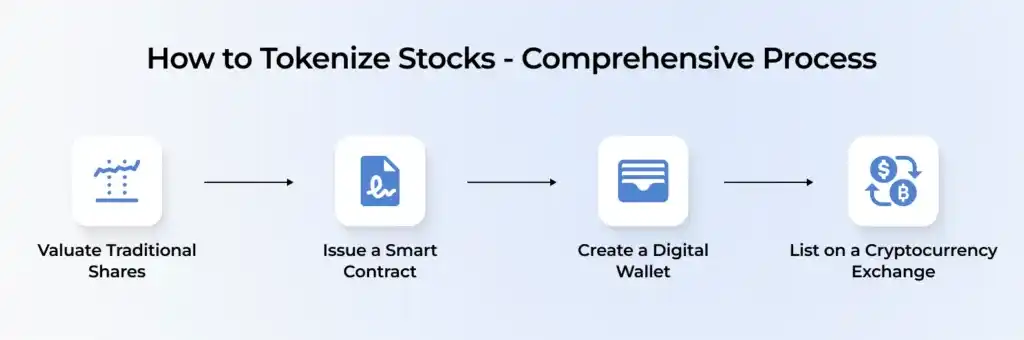
These early attempts all occurred outside the primary stock market. They did not change how stocks were issued, how trades were settled, or how risk was managed within the actual pricing system.
However, the NYSE is addressing this issue from within. Instead of launching parallel products, it is adjusting how trading and settlement occur within the regulated exchange. The securities themselves remain unchanged, but how they are traded and settled will evolve over time.
The most critical part of this announcement is the decision to combine continuous trading with on-chain settlement. Either of these changes could have been implemented separately. The NYSE could have extended trading hours without introducing blockchain, or it could have experimented with token issuance without affecting trading hours. However, the NYSE chose to bundle the two together. This indicates that the focus is not on trading convenience or user experience but on how risk exposure and capital operate when markets run continuously.
A significant portion of today's market infrastructure is built to address what is known as the "time gap." When markets close, trading stops, but positions remain open. Even though prices are no longer moving, risk and exposure persist. To manage these gaps, brokers and settlement institutions require collateral and safety buffers, which remain locked until settlement is completed. While this process is stable, its efficiency diminishes as markets trade faster, global participation increases, and more trading activity occurs outside local trading hours.
Running markets continuously and speeding up settlement can shorten this gap. Risk is addressed as it arises, rather than being deferred overnight or across days. This does not eliminate risk, but it reduces the length of time capital sits idle merely to cover temporal uncertainty. This is the problem the NYSE is trying to solve.
This is also why stablecoin-based financing fits into this model.
Today, cash and securities move through different systems, often following different timelines, leading to delays and additional coordination efforts. Using on-chain cash allows both sides of a trade to synchronize without waiting for external payment systems. Combined with continuous trading, this is crucial for global markets where information and investors are active around the clock. Prices can adjust in real-time as news breaks, rather than hours later at the next market open. However, whether this improves market performance under stress remains unclear, and this is where the true significance of these changes lies.
Changes Happening Within the Market
One simple yet important consequence of the NYSE's proposed solution lies in how trades are cleared and settled behind the scenes. Today's stock markets heavily rely on netting. Millions of trades offset each other before settlement, reducing the cash and collateral required for transactions. This works well in a system built on fixed trading hours and delayed settlement, but it also depends on time gaps to operate efficiently.
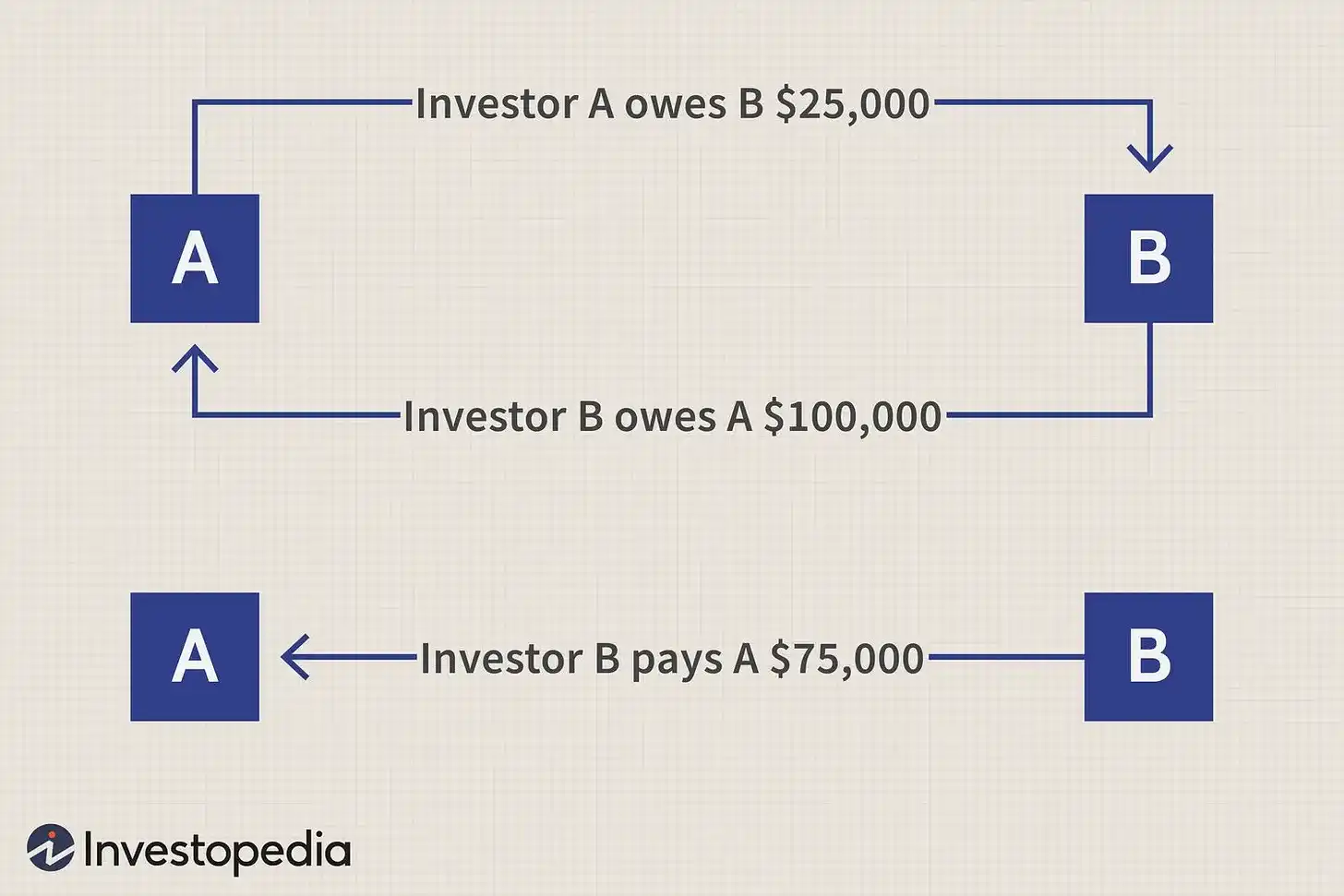
Continuous trading and faster settlement change how trades are cleared. When settlement is faster, there are fewer opportunities to offset large volumes of trading activity through end-of-day netting. This means some of the efficiencies gained from batch processing are reduced. As a result, brokers, clearing members, and liquidity providers need to manage funds and risk exposure throughout the trading day, rather than relying on overnight settlement processes to absorb and distribute risk.
Market makers and large intermediaries will be the first to adapt to this change. Under the current model, they can hold inventory and adjust positions based on predictable settlement cycles. As settlement speeds up and trading continues, positions turn over faster, and funds need to be in place more quickly. Firms that already use automation, real-time risk checks, and flexible liquidity will navigate this more easily. Others will face tighter constraints, with less time to rebalance positions or rely on overnight settlement.
Short selling and securities lending face similar pressures. Currently, borrowing stocks, locating inventory, and resolving settlement issues often involve multiple steps and time windows. When settlement deadlines are shortened, these steps compress, making it harder to extend delivery failures and causing borrowing costs and availability to adapt more quickly to market changes.
The key takeaway here is that most of the impact occurs behind the scenes. Retail users may not notice significant changes at the interface level, but institutions providing liquidity and funding positions face stricter time constraints. Some friction points are eliminated, while others become more pronounced. Time no longer covers up mistakes as it once did, and the system must remain synchronized throughout the trading day rather than adjusting after the fact.
The Second-Order Effects That Follow
Once markets no longer rely on time as a buffer, a different set of constraints comes into play. This first manifests in how capital is reused within large institutions. Today, the same balance sheet can support positions across multiple settlement cycles because, over time, obligations eventually offset each other. But as settlement cycles tighten, this reuse becomes more difficult. Capital must be in place earlier and more precisely, quietly altering internal capital allocation decisions, limiting leverage, and changing how liquidity is priced during market volatility.
Another consequence is how volatility propagates. In batch-based markets, risk often accumulates during off-hours and is released at predictable moments, such as the open or close. When trading and settlement are continuous, this clustering effect no longer applies. Price movements disperse across the entire timeframe rather than concentrating in specific windows. This does not make markets calmer, but it makes volatility harder to predict and manage, and harder to address with old strategies that rely on pauses, resets, or downtime.
This also affects coordination between different markets. Today, a significant portion of price discovery occurs not through primary stock trading venues but through futures, ETFs, and other proxy instruments, largely because the underlying markets are closed. When primary trading venues remain open and settlement speeds up, the importance of these workarounds diminishes. Arbitrage opportunities flow back to the primary markets, altering liquidity patterns for derivatives and reducing the need to hedge risk through indirect instruments.
Finally, this changes the role of the exchange itself. Exchanges are no longer just order matchers but become more involved in risk coordination. This increases the exchange's responsibility during stress events and shortens the distance between trading infrastructure and risk management.
Taken together, these effects explain why this move is critical even if it doesn't immediately change the face or feel of the market. The impact unfolds gradually, in how capital is reused, how volatility disperses over time, how arbitrage activity shifts to primary trading venues, and how balance sheets are managed under tighter constraints. These are not short-term improvements or surface-level upgrades but structural changes that reshape the system's internal incentives. Once markets begin operating this way, reversing these changes will be more difficult than adopting them in the first place.
In today's market structure, delays and multiple layers of intermediaries act as buffers when things go wrong, allowing problems to emerge later, losses to be absorbed gradually, and responsibilities to be distributed across time and institutions. But as timelines shorten, this buffering effect weakens. Funding and risk decisions move closer to execution. There is less room to hide mistakes or defer consequences, so failures appear earlier and are easier to trace.
The NYSE is testing whether a large, regulated market can operate under these conditions without relying on delayed trading to manage risk. Shorter time between trading and settlement means less room to adjust positions, disperse funds, or handle issues after the fact. This change forces problems to surface during normal trading rather than being deferred to subsequent processes, clearly exposing the market's weak points.