From Gatekeeper to Gravedigger: JPMorgan Bets on Physical Precious Metals, Shorts Dollar Credit

比推Publié le 2025-12-12Dernière mise à jour le 2025-12-12

Résumé

JPMorgan Chase, a long-standing guardian of the U.S. dollar-centric financial system, is reportedly shifting its core precious metals trading team to Singapore—a move interpreted as a strategic pivot away from Western dollar hegemony. The bank has reclassified approximately 169 million ounces of silver in COMEX vaults from “deliverable” to “non-deliverable,” effectively locking down nearly 10% of global annual supply. This signals a broader bet on physical metal accumulation and a loss of confidence in paper-based derivatives. The London and New York systems, built on leveraged paper contracts (with claims far exceeding physical metal), are showing strain. Central banks are accelerating gold repatriation, while industrial demand—especially for silver in green technology—is draining physical inventories. Extreme backwardation in silver and extended delivery wait times at the Bank of England suggest a structural rupture between paper markets and physical reality. Meanwhile, Shanghai has emerged as the world’s largest physical gold exchange, emphasizing full physical settlement and rejecting the Western paper-gold model. China’s industrial demand and central bank purchasing are pulling vast metal volumes eastward, reshaping global liquidity and pricing power. Singapore is positioning itself as a neutral hub with tax-free private vaults, attracting Western institutions like JPMorgan seeking a safe, politically acceptable base near Asian demand centers. Yet it remains caught be...

Author: sleepy.txt

Original Title: JPMorgan Defects from Wall Street: Hoarding Silver, Securing Gold, Shorting Dollar Credit


JPMorgan, the most loyal "gatekeeper" of the old dollar order, is now personally toppling the high walls it once swore to defend.

According to market rumors, in late November 2025, JPMorgan relocated its core precious metals trading team to Singapore. If the geographical move is merely superficial, then its core represents a public defection from the Western gold-power system.

Looking back over the past half-century, Wall Street was responsible for constructing a vast credit illusion with the dollar, while London, acting as the "heart" of Wall Street's gold-power empire across the Atlantic, maintained pricing dignity with deeply buried vaults. The two complemented each other, weaving an absolute control network over precious metals for the Western world. And JPMorgan was supposed to be the final, and strongest, line of defense.

Clues were scattered, the trail laid long ago. Amid the official silence and lack of comment on the rumors, JPMorgan executed a stunning asset transfer: approximately 169 million ounces of silver were quietly moved from the "deliverable" category to the "non-deliverable" category in COMEX vaults. Roughly calculated based on public data from the Silver Institute, this is equivalent to nearly 10% of the global annual supply, effectively locked away on the books.

In the brutal game of commercial competition, scale itself is the toughest attitude. This hoarded mountain of over 5,000 tons of silver is seen by many traders as筹码 (chips) prepared in advance by JPMorgan to争夺 (contend for) pricing power in the next cycle.

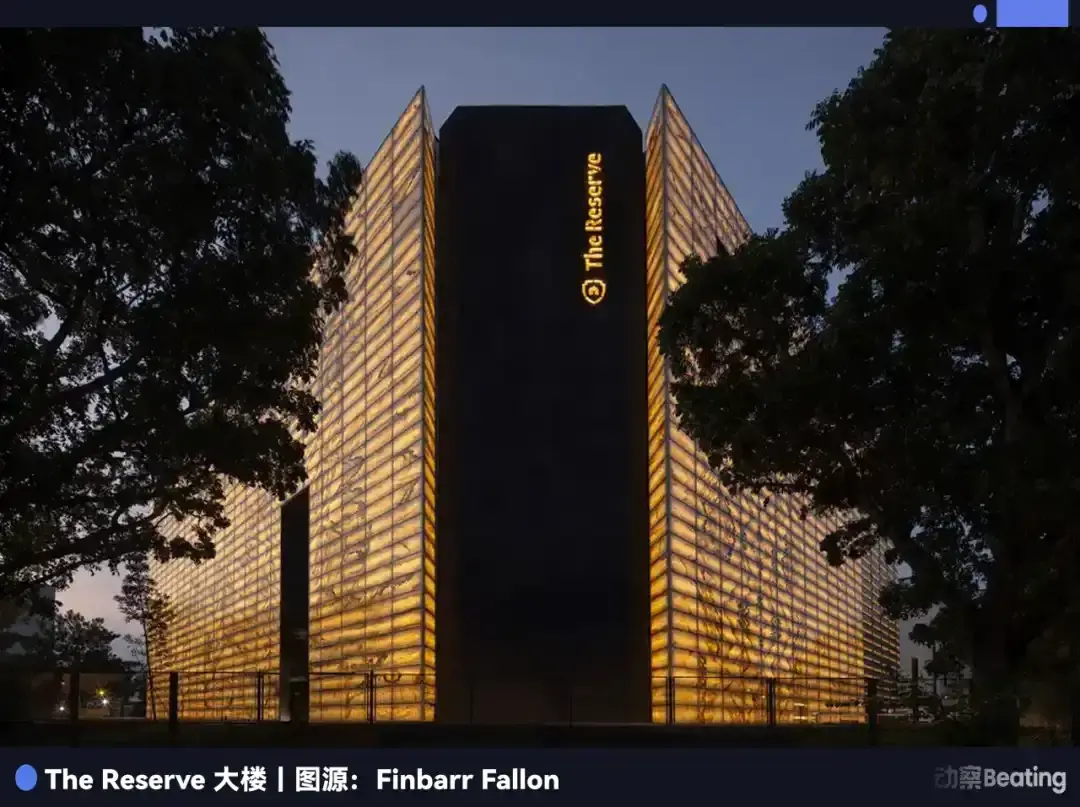
Meanwhile, thousands of kilometers away, Singapore's largest private vault, The Reserve, timely launched its second phase of expansion, pushing the total vault capacity to a level of 15,500 tonnes. This infrastructure upgrade, planned five years ago, gives Singapore sufficient底气 (confidence/backing) to承接 (receive/handle) the massive wealth flooding out from the West.

JPMorgan, with its left hand, locks down the liquidity of physical metal in the West, creating panic; with its right hand, it prepares a safe harbor in the East, ready to reap the rewards.

What prompted this giant's defection is the increasingly undeniable fragility of the London market. At the Bank of England, gold withdrawal times have stretched from days to weeks, while the silver lease rate once soared to a historical high of 30%. For those familiar with this market, this signals one thing at least: everyone is scrambling for metal, and the physical assets in the vaults are starting to look stretched thin.

The shrewdest market makers are often the vultures with the most acute sense for the smell of death.

In this winter, JPMorgan demonstrated the嗅觉 (sense of smell) of a top market maker. Its departure marks the impending end of the half-century-long "paper gold" game that turned stone into gold. When the tide goes out, only those holding tightly to their heavy physical筹码 (chips) will get a ticket to the next thirty years.

The End of Alchemy

The root of all trouble was sown half a century ago.

In 1971, when President Nixon severed the dollar's link to gold, he effectively pulled the last anchor of the global financial system. From that moment, gold was demoted from a rigidly redeemable currency to a financial asset redefined by Wall Street.

In the subsequent half-century, bankers in London and New York invented a sophisticated "financial alchemy." Since gold was no longer money, they could, like printing banknotes, create countless "contracts" representing gold out of thin air.

This is the vast derivatives empire built by the LBMA (London Bullion Market Association) and COMEX (Commodity Exchange Inc.). In this empire, leverage is sovereignty. For every bar of gold sleeping in a vault, there are 100 delivery warrants circulating in the market. And on the silver betting table, this game is even more疯狂 (crazy).

This system of "paper wealth" operated for half a century relying entirely on a fragile gentleman's agreement: the vast majority of investors were only in it for price speculation and would never actually try to take delivery of that heavy metal.

However, the designers of this game overlooked a "gray rhino" charging into the room—silver.

Unlike gold, eternally stored as wealth deep underground, silver plays the role of a "consumable" in modern industry. It is the lifeblood of photovoltaic panels and the nerves of electric vehicles. According to data from the Silver Institute, the global silver market has been in a structural deficit for five consecutive years, with industrial demand accounting for nearly 60% of total demand.
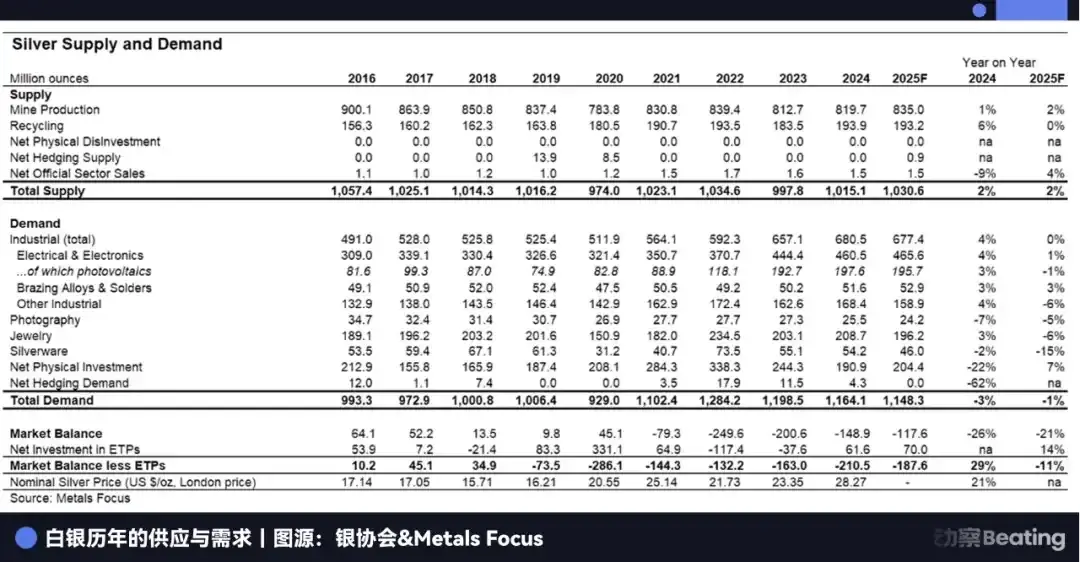
Wall Street can type out unlimited dollars, but it cannot conjure an ounce of conductive silver out of thin air.

When physical inventories are devoured by the real economy, the billions of contracts on paper become a tree without roots. By the winter of 2025, this paper-thin facade was pierced.

The first red flag was price anomalies. In normal futures logic,远期价格 (forward prices) are usually higher than现货价格 (spot prices), known as "contango." But in London and New York, the market exhibited extreme "backwardation." If you want to buy a silver contract for six months later, it's calm; but if you want to take the silver bars home now, not only do you need to pay a high premium, but you also face weeks of waiting.

Queues formed outside the Bank of England's vaults, registered silver inventories on COMEX fell below safety red lines, and the ratio of open interest to physical inventory一度 (once) soared to 244%. The market finally understood the terrifying reality: the physical metal and paper contracts were splitting into two parallel universes. The former belongs to those who own factories and vaults, the latter to speculators still asleep in the old dream.

If silver shortage is due to the吞噬 (devouring) by the industrial beast, then the outflow of gold is due to a national-level "bank run." Central banks, once the staunchest holders of dollars, are now at the front of the queue for withdrawal.

Although gold prices in 2025 were at historical highs, leading some central banks to tactically slow their purchasing pace, strategically, "buying" remains the only action. The latest data from the World Gold Council (WGC) shows that in the first 10 months of 2025, global central banks累计净购入 (cumulatively net purchased) 254 tonnes of gold.
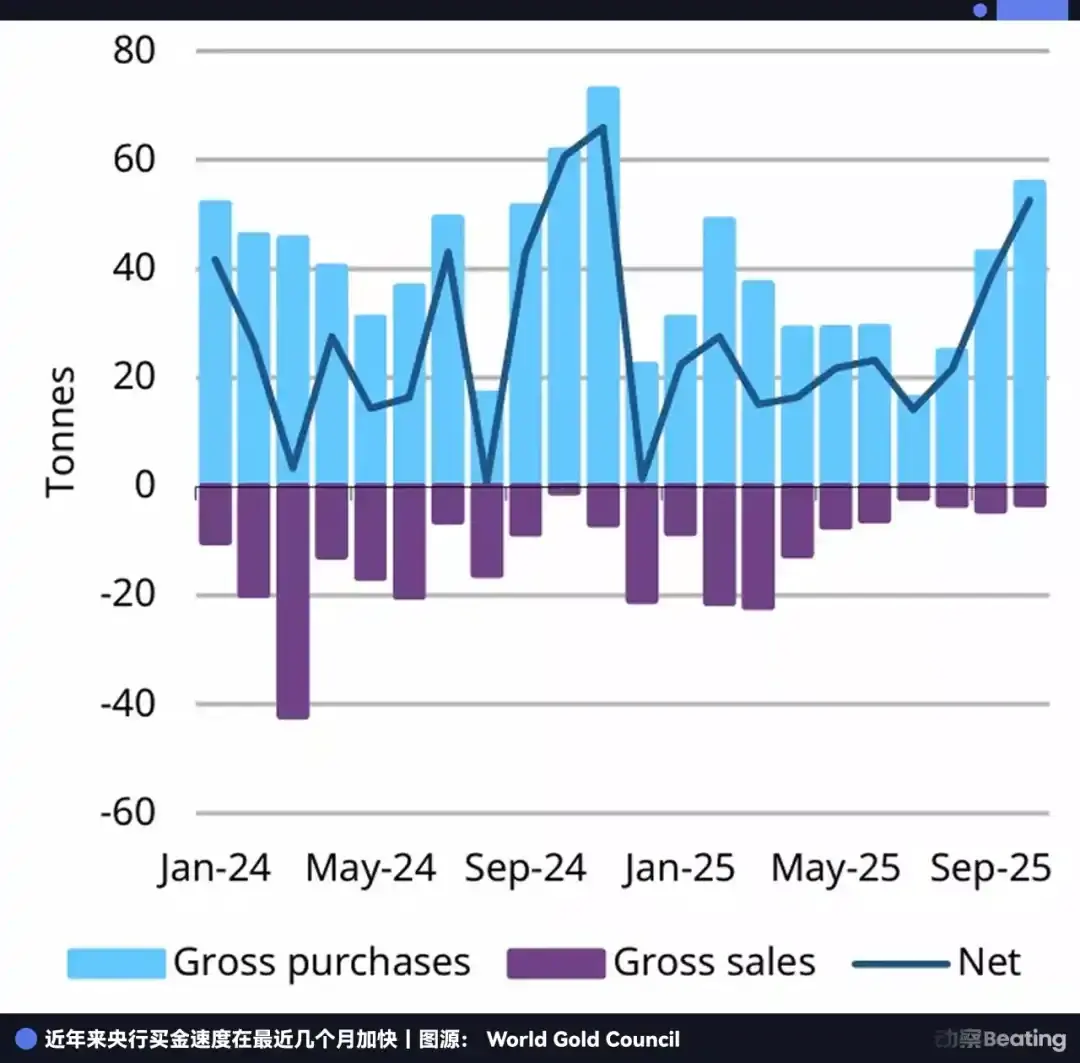
Let's look at this buyer list.

Poland, after a 5-month pause in gold buying, suddenly returned to the market in October,扫货 (sweeping up) 16 tonnes in a single month, forcefully pushing its gold reserve ratio to 26%. Brazil, increased holdings for two consecutive months, with total reserves climbing to 161 tonnes. China, having resumed increases since November 2024, has appeared on the buyer list for the 13th consecutive month.

These countries are不惜用 (not hesitating to use) precious foreign exchange to acquire heavy gold bars and ship them back home. In the past, everyone trusted U.S. Treasuries because they were "risk-free assets"; now, everyone is疯抢 (franticly grabbing) gold because it has become the only shelter against "dollar credit risk."

Although Western mainstream economists still argue, claiming the paper gold system provides efficient liquidity and the current crisis is merely a temporary logistics issue.

But paper cannot contain fire, and now paper cannot contain gold either.

When the leverage ratio reaches 100:1, and that single "1" is being坚决地 (resolutely)搬回家 (taken home) by central banks, the remaining "99" paper contracts face an unprecedented liquidity mismatch.

The London market is now trapped in a typical short squeeze困境 (dilemma). Industrial giants are scrambling for silver to保生产 (guarantee production), while central banks are死死锁住 (firmly locking up) gold as national strategic reserves. When all counterparties demand physical delivery, the pricing model built on credit fails. Whoever controls the physical metal controls the power to define price.

And JPMorgan, the former master magician most skilled at playing paper contracts, clearly saw this future earlier than anyone else.

Rather than being a殉葬者 (martyr) for the old order, it prefers to be a合伙人 (partner) in the new order. This repeat offender, fined $920 million for market manipulation over the past eight years, its departure is by no means a pang of conscience, but a precise bet on the flow of global wealth over the next thirty years.

It is betting on the collapse of the "paper contract" market. Even if it doesn't collapse immediately, that infinitely放大 (amplified) leverage will迟早 (sooner or later) be slashed, round after round. The only truly safe assets are the visible, tangible metals in the warehouse.

Defecting from Wall Street

If the paper gold and silver system is compared to a glitzy casino, then over the past decade, JPMorgan was not only the bouncer maintaining order but also the dealer most skilled at cheating.

In September 2020, to settle U.S. Department of Justice charges of manipulating the precious metals markets, JPMorgan paid a record $920 million settlement. In the thousands of pages of investigation documents disclosed by the DOJ, JPMorgan's traders were described as masters of the art of spoofing.

They habitually used an extremely cunning hunting technique: a trader would instantly place thousands of contracts on the sell side, creating the illusion of an imminent price crash, inducing panic selling by retail investors and high-frequency trading algorithms; then cancel the orders at the moment of the crash, and反过来 (conversely) voraciously吞食 (devour) the bloodied筹码 (chips) at the bottom.

According to statistics, Michael Nowak, JPMorgan's former global head of precious metals, and his team人为制造 (artificially created) instant crashes and surges in gold and silver prices tens of thousands of times over an eight-year period.

At the time, outsiders generally attributed this to Wall Street's usual greed. But five years later, with the puzzle piece of that 169 million ounces of silver inventory placed on the table, a darker interpretation began to circulate in the market.

In some readings, JPMorgan's past "market operations" can hardly be seen anymore as just trying to earn a bit more from high-frequency trading. It更像 (looks more like) a slow and prolonged accumulation of筹码 (chips). They were violently suppressing prices in the paper market, creating the错觉 (illusion) that prices were being capped, while quietly accumulating physical metal on the other end.

This former guardian of the old dollar order has now transformed into the most dangerous掘墓人 (gravedigger) of that very order.

In the past, JPMorgan was the biggest short seller in paper silver, the ceiling suppressing gold and silver prices. But now, with the physical筹码 (chips) swapped, they have overnight become the biggest long.

Market gossip is never in short supply. Rumors suggest that the recent surge in silver prices from $30 to $60 was orchestrated by JPMorgan itself. Such claims naturally lack evidence, but they suffice to indicate one thing: in many people's minds, it has shifted from being the manipulator shorting paper silver to the biggest bull in physical assets.
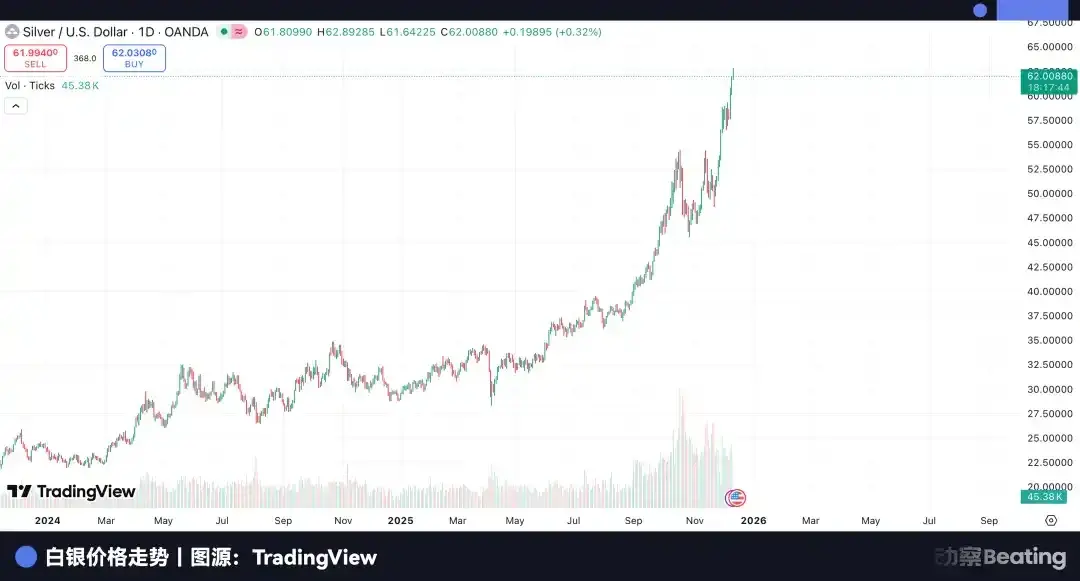
If this deduction holds true, then we are witnessing the most brilliant, yet coldest, mutiny in business history.

JPMorgan knows better than anyone that the U.S. regulatory fist is tightening inch by inch, and that life-threatening game of paper contracts has reached its end.

This also explains its particular affinity for Singapore.

In the U.S., every trade can be flagged as suspicious by AI surveillance systems; but in Singapore, in those private fortresses不属于 (not belonging to) any national central bank, gold and silver are completely depoliticized. There is no long-arm jurisdiction here, only extreme protection of private property.

JPMorgan's突围 (breakout) is by no means a solo act.

Around the same time the rumors fermented, a top-level agreement on Wall Street was quietly reached. Although there was no physical collective relocation, strategically, the giants completed a惊人的同步转向 (astonishing synchronized pivot). Goldman Sachs aggressively set its 2026 gold price target at $4,900, and Bank of America directly called for a sky-high price of $5,000.

In the era dominated by paper gold, such target prices sounded like fantasy; but if we shift our perspective back to the physical side, looking at central banks' buying节奏 (rhythm), the inventory changes in vaults, this number begins to have space for serious discussion.

Wall Street's smart money is quietly moving positions: doing less shorting of gold, adding more physical holdings; U.S. Treasuries in hand may not be fully dumped, but gold, silver, and other physical assets are being gradually stuffed into investment portfolios. JPMorgan moved the fastest and most decisively because it not only wants to survive but also to win. It doesn't want to sink with the paper gold empire; it wants to take its algorithms, capital, and technology to a place that has not only gold but also a future.

The problem is, that place already has its own master.

When JPMorgan's private jet lands at Singapore's Changi Airport, looking north, it will find a more庞大 (massive) opponent早已在那里筑起了高墙 (has long since erected high walls there).

The Tide Ebbs and Flows

While London traders were still anxious about the drying up liquidity of paper gold, thousands of kilometers away on the banks of Shanghai's Huangpu River, a massive physical gold empire had long completed its primitive accumulation.

Its name is the Shanghai Gold Exchange (SGE).

In the financial landscape dominated by the West, the SGE is an outright异类 (anomaly). It rejected the virtual game built on credit contracts prevalent in London and New York, and from its inception, adhered to a近乎偏执的铁律 (near-fanatic iron rule): physical delivery.

These four words, like a steel nail,精准地钉在了 (precisely hit) the Achilles' heel of the Western paper gold game.

In New York's COMEX, gold is often just a string of flickering numbers, with the vast majority of contracts closed out before expiration. But in Shanghai, the rules are "full amount交易 (trading)" and "集中清算 (centralized clearing)."

Every transaction here must be backed by real gold bars lying in a vault. This not only eliminates the possibility of infinite leverage but also makes "shorting gold" extremely difficult because you must first borrow real gold before you can sell it.

In 2024, the SGE delivered staggering results: annual gold trading volume reached 62,300 tonnes, a 49.9% increase from 2023; trading value soared to 34.65 trillion yuan, an increase of nearly 87%.

While the physical delivery rate on New York's COMEX is甚至不足 (even less than) 0.1%, the Shanghai Gold Exchange has become the world's largest physical gold reservoir, continuously absorbing global gold stocks.

If the inflow of gold is a national strategic reserve, then the inflow of silver is the "physiological craving" of Chinese industry.

Wall Street speculators can use paper contracts to bet on prices, but as the world's largest manufacturing base for photovoltaics and new energy, Chinese factory owners don't want contracts—they must get real silver to start production. This rigid industrial demand makes China the world's largest precious metals black hole, relentlessly吞噬着 (devouring) Western stocks.

This path of "West-to-East gold flow" is busy and隐秘 (clandestine).

Take the journey of a single bar. In Switzerland's Ticino canton, the world's largest gold refineries (like Valcambi, PAMP) are operating day and night. They are performing a special "blood exchange" task: melting down the standard 400-ounce bars shipped from London vaults, refining them, and recasting them into 1-kilogram bars of "Shanghai Gold" standard, with a purity of 99.99%.
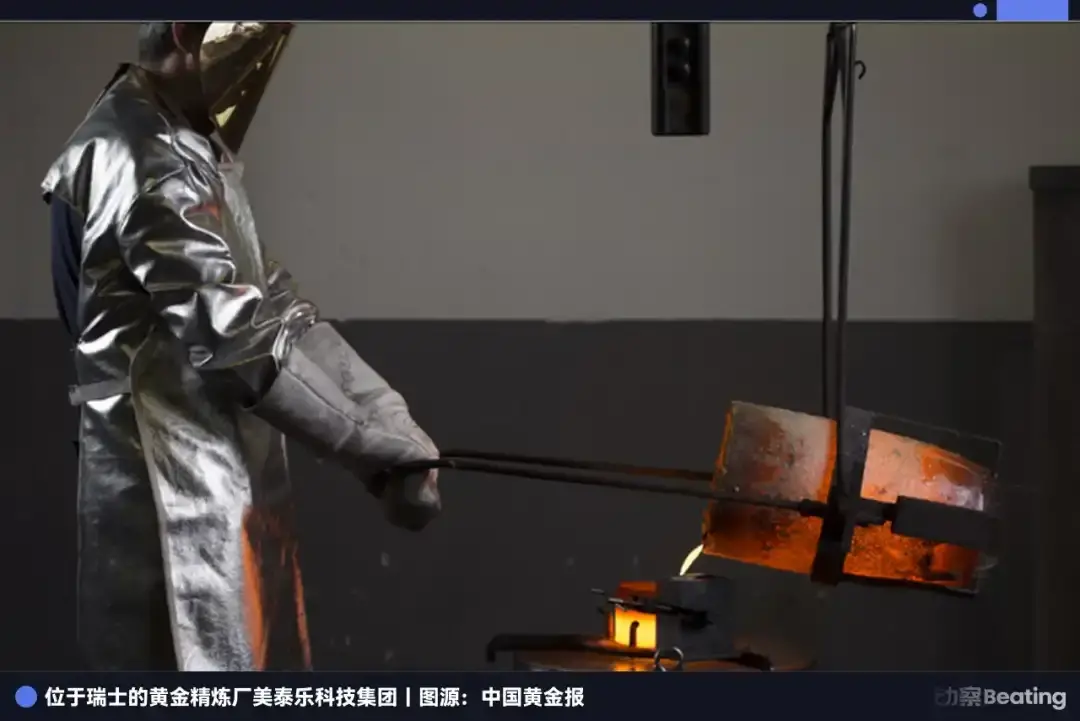
This is not just a physical reshaping but a monetary属性更迭 (attribute change).

Once these bars are melted into 1-kg规格 (specifications) and stamped with the "Shanghai Gold" mark, they are almost impossible to flow back to the London market. To send them back, they would have to be melted again and re-certified, at extremely high cost.

This means that once gold flows east, it is like river water entering the sea, never to return. The tide ebbs and flows, the waves of the mighty river never cease.

On the tarmac of major airports worldwide, armored convoys marked with Brink's, Loomis, or Malca-Amit logos are the movers of this great migration. They continuously fill Shanghai's vaults with these recast bars, becoming the physical cornerstone of the new order.

Whoever controls the physical metal controls the discourse. This is the strategic depth repeatedly emphasized by SGE's head, Yu Wenjian, in establishing the "Shanghai Gold" benchmark price.

For a long time, global gold pricing power was firmly locked into the London PM fix, because that reflected the will of the dollar. But Shanghai is trying to sever this logic.

This is a strategic hedge of the highest order. As China, Russia, Middle Eastern countries, and others begin to form an invisible "de-dollarization" alliance, they need a new common language. This language is not the Renminbi, nor the Ruble, but gold.

Shanghai is the translation center for this new language. It is telling the world: if the dollar is no longer trustworthy, then trust the real gold and silver in your own warehouse; if paper contracts can default, then trust the Shanghai rule of spot exchange.

For JPMorgan, this is both a huge threat and an opportunity that cannot be ignored.

To the West, it can no longer return, because there is only depleted liquidity and tightening regulation; to the East, it must face the behemoth that is Shanghai. It cannot directly conquer Shanghai because the rules there don't belong to Wall Street, and the walls there are too thick.

The Final Buffer Zone

If Shanghai is the "heart" of the Eastern physical asset empire, then Singapore is the "front line" in this East-West confrontation. It is not merely a geographical transit point but the last line of defense carefully chosen by Western capital in the face of the Eastern rise.

Singapore, this city-state, is投入 (investing) with near疯狂 (craziness) to build itself into the "Switzerland" of the 21st century.

Le Freeport, located next to the runways of Changi Airport, is the best window into Singapore's ambitions. This freeport with independent judicial status is, both physically and legally, a perfect "black box." Here, the movement of gold is stripped of all cumbersome administrative supervision; the entire process, from aircraft landing to bar storage, is completed in a completely closed, tax-free, and extremely private loop.

At the same time, another super vault named The Reserve has been on high alert since 2024. This fortress covering 180,000 square feet has a designed total capacity of up to 15,500 tonnes. Its selling point is not only meter-thick reinforced concrete walls but also a privilege granted by the Singapore government—complete exemption from Goods and Services Tax (GST) on Investment Precious Metals (IPM).

For market makers like JPMorgan, this is an irresistible诱惑 (temptation).
But if it were only about taxes and vaults, JPMorgan could have chosen Dubai or Zurich. Its ultimate choice of Singapore hides deeper geopolitical calculations.

On Wall Street, directly moving the business core from New York to Shanghai would be tantamount to "defecting to the enemy," which is suicidal in the current treacherous international political climate. They urgently need a pivot, a safe haven that allows them to access the vast physical market of the East while still feeling politically secure.

Singapore is the perfect choice.

It commands the Strait of Malacca, connecting dollar liquidity from London and touching the physical demand from Shanghai and India.

Singapore is not only a safe haven but also the largest transit station connecting two分裂的 (divided) worlds. JPMorgan is trying to establish a sun-never-sets trading loop here: fixing in London, hedging in New York, hoarding in Singapore.

However, JPMorgan's clever plan is not without vulnerabilities. In the competition for Asian pricing power, it cannot bypass its most formidable opponent—Hong Kong, China.

Many mistakenly believe Hong Kong has fallen behind in this round of competition, but the opposite is true. Hong Kong possesses a core王牌 (trump card) that Singapore cannot replicate: it is the only channel for the offshore flow of the Renminbi.

Through the "Gold Connect" between Hong Kong and Shanghai, the Chinese Gold & Silver Exchange Society (CGSE) is directly connected to the Shanghai Gold Exchange. This means that gold traded in Hong Kong can directly enter the delivery system of mainland China. For capital that truly wants to embrace the Chinese market, Hong Kong is not "offshore" but an extension of "onshore."

JPMorgan chose Singapore, betting on a hybrid model of "Dollar + Physical," attempting to build a new offshore center on the ruins of the old order. Meanwhile, old British banks like HSBC and Standard Chartered continue to heavily invest in Hong Kong, betting on a future of "Renminbi + Physical."

JPMorgan thought it had found a neutral safe haven, but in the meat grinder of geopolitics, there is no true "middle ground." Singapore's prosperity is essentially the result of spillover from the Eastern economy. This seemingly independent luxury yacht is already locked into the gravitational field of the Eastern continent.

As Shanghai's gravitational pull grows stronger, as the Renminbi-denominated gold landscape expands, and as China's industrial machine continues to吞噬掉 (devour) the physical silver on the market, Singapore may no longer be a neutral safe haven. JPMorgan will have to make another fateful choice.

The Cycle Restarts

There may eventually be an official explanation for the rumors about JPMorgan, but it no longer matters. In the business world,敏锐的资本 (keen capital) always senses the tremors of the crust first.

The epicenter of this tremor is not in Singapore, but deep within the global monetary system.

For the past fifty years, we grew accustomed to the "paper contract" world dominated by dollar credit. It was an era built on debt, promises, and the illusion of infinite liquidity. We thought that as long as the printing presses were running, prosperity could be perpetual.

But now, the wind has彻底变了 (completely changed).

When central banks不惜代价 (spare no cost) to bring gold back to their countries, when global manufacturing giants begin to焦虑 (anxiously) compete for the last piece of industrial silver, we see the return of an ancient order.

The world is slowly but firmly transitioning from the ethereal credit货币体系 (monetary system) back to a tangible physical asset system. In this new system, gold is the measure of credit, and silver is the measure of production capacity. One represents the bottom line of safety, the other the极限 (limit) of industry.

In this long migration, London and New York are no longer the only endpoints, and the East is no longer just a manufacturing factory. New rules of the game are being written; new centers of power are forming.

The era where Western bankers defined the value of gold and silver is slowly dying. Gold and silver remain silent, but they have answered all questions about the times.


Twitter:https://twitter.com/BitpushNewsCN

Bitpush TG Discussion Group:https://t.me/BitPushCommunity

Bitpush TG Subscription: https://t.me/bitpush

Original Link:https://www.bitpush.news/articles/7595350

Questions liées

QWhat is the significance of JPMorgan moving its core precious metals trading team to Singapore?

AJPMorgan's move to Singapore signifies a strategic shift away from the Western paper gold system, positioning itself to capitalize on the growing physical precious metals market in Asia and hedge against the perceived decline of dollar credit.

QHow did JPMorgan manipulate the silver market according to the article?

AJPMorgan's traders allegedly used spoofing techniques, placing thousands of fake sell orders to create the illusion of a price crash, inducing panic selling, then canceling the orders and buying up the cheapened assets to accumulate a massive physical silver hoard.

QWhat key difference between the Shanghai Gold Exchange (SGE) and Western exchanges like COMEX is highlighted?

AThe Shanghai Gold Exchange (SGE) mandates physical settlement for all trades, requiring real gold bars to back every transaction, unlike Western exchanges like COMEX which are dominated by paper contracts with a minuscule physical delivery rate.

QWhy is Singapore described as a strategic location for JPMorgan's new operations?

ASingapore is a strategic neutral hub with massive private vault capacity, favorable tax policies for precious metals, and a geographic position that allows access to both Western dollar liquidity and the massive physical demand from Eastern markets like China and India.

QWhat broader trend in the global monetary system does JPMorgan's action represent?

AJPMorgan's action represents a broader trend of moving away from a dollar-centric system built on credit and paper contracts and towards a new system where tangible physical assets like gold and silver are reasserting their role as stores of value and measures of credit.

Lectures associées

Pas une hausse des prix, mais une rupture d'approvisionnement ? Le pétrole a franchi un point de non-retour

L'article soutient que le marché pétrolier mondial a dépassé un « point de rupture » critique. Le problème n'est plus la hausse des prix, mais l'émergence d'un déficit physique d'approvisionnement d'environ 11 à 13 millions de barils par jour. Ce déficit se manifestera par une baisse accélérée des stocks de pétrole brut et de produits raffinés, ou par une destruction de la demande. Même si le détroit d'Ormuz rouvre, le délai de rotation des pétroliers entraînera une réduction inévitable des stocks terrestres pendant plusieurs semaines. La baisse des taux d'utilisation des raffineries amplifiera le problème en réduisant les stocks de produits finis, déclenchant un cycle auto-renforçant de hausse des prix et des marges de raffinage. Si la fermeture du détroit persiste au-delà d'avril, le marché fera face à une pénurie physique extrême, rendant les cadres de prix traditionnels obsolètes. Le rééquilibrage ne pourra se faire que par une destruction massive de la demande, probablement via des politiques gouvernementales restrictives similaires à celles des confinements COVID. Un prix de 95 dollars le baril est insuffisant ; les signaux clés à surveiller sont l'évolution des stocks et les annonces politiques. La situation géopolitique, tendue, laisse peu de place à un compromis entre les États-Unis et l'Iran.

marsbitIl y a 43 mins

Pas une hausse des prix, mais une rupture d'approvisionnement ? Le pétrole a franchi un point de non-retour

marsbitIl y a 43 mins

Vous pariez sur l'actualité, les têtes de série lisent les règles : La véritable différence cognitive des pertes sur Polymarket

Sur Polymarket, la clé du succès ne réside pas seulement dans la prédiction correcte des événements, mais surtout dans une compréhension approfondie des règles qui régissent chaque marché. L'article illustre cela avec l'exemple d'un marché sur le dirigeant du Venezuela en 2026, où la définition précise des termes comme "officiellement en fonction" a déterminé le résultat, indépendamment de la situation politique réelle. Le mécanisme de règlement des différends de Polymarket, géré via UMA, est détaillé : toute personne peut soumettre une proposition de résultat (Propose) en misant 750 USDC. Si elle n'est pas contestée dans un délai de 2 heures, le marché est réglé. En cas de contestation (Dispute), les parties débattent pendant 48 heures sur Discord avant un vote des détenteurs de jetons UMA. Le vote, blindé puis public, nécessite un quorum de 5 millions de jetons et un consensus de 65% pour être valide. Cependant, ce système présente une faille fondamentale par rapport à un tribunal traditionnel : l'absence de séparation des pouvoirs. Les votants, qui sont aussi souvent des parieurs sur le marché, ont un conflit d'intérêts direct. Cela rend les discussions sur Discord sujettes à l'effet de troupeau et aux revirements de position, et les décisions manquent de transparence car les raisons du vote ne sont jamais divulguées, empêchant la création d'une jurisprudence. En conclusion, Polymarket est un système qui traduit la réalité en texte contractuel. L'avantage des "chefs de file" (车头) vient de leur capacité à anticiper l'écart entre l'événement réel et son interprétation selon les règles, exploitant les biais de prix créés par les malentendus et les émotions.

marsbitIl y a 2 h

Vous pariez sur l'actualité, les têtes de série lisent les règles : La véritable différence cognitive des pertes sur Polymarket

marsbitIl y a 2 h

Trading

Spot
Futures

Articles tendance

Qu'est ce que $S$

Comprendre SPERO : Un aperçu complet Introduction à SPERO Alors que le paysage de l'innovation continue d'évoluer, l'émergence des technologies web3 et des projets de cryptomonnaie joue un rôle central dans la façon dont se dessine l'avenir numérique. Un projet qui a attiré l'attention dans ce domaine dynamique est SPERO, désigné comme SPERO,$$s$. Cet article vise à rassembler et à présenter des informations détaillées sur SPERO, afin d'aider les passionnés et les investisseurs à comprendre ses fondations, ses objectifs et ses innovations dans les domaines du web3 et de la crypto. Qu'est-ce que SPERO,$$s$ ? SPERO,$$s$ est un projet unique dans l'espace crypto qui cherche à tirer parti des principes de décentralisation et de la technologie blockchain pour créer un écosystème qui favorise l'engagement, l'utilité et l'inclusion financière. Le projet est conçu pour faciliter les interactions entre pairs de nouvelles manières, offrant aux utilisateurs des solutions et des services financiers innovants. Au cœur de SPERO,$$s$, l'objectif est d'autonomiser les individus en fournissant des outils et des plateformes qui améliorent l'expérience utilisateur dans l'espace des cryptomonnaies. Cela inclut la possibilité de méthodes de transaction plus flexibles, la promotion d'initiatives dirigées par la communauté et la création de voies pour des opportunités financières via des applications décentralisées (dApps). La vision sous-jacente de SPERO,$$s$ tourne autour de l'inclusivité, visant à combler les lacunes au sein de la finance traditionnelle tout en exploitant les avantages de la technologie blockchain. Qui est le créateur de SPERO,$$s$ ? L'identité du créateur de SPERO,$$s$ reste quelque peu obscure, car il existe peu de ressources publiques fournissant des informations détaillées sur son ou ses fondateurs. Ce manque de transparence peut découler de l'engagement du projet envers la décentralisation—une éthique que de nombreux projets web3 partagent, privilégiant les contributions collectives plutôt que la reconnaissance individuelle. En centrant les discussions autour de la communauté et de ses objectifs collectifs, SPERO,$$s$ incarne l'essence de l'autonomisation sans désigner des individus spécifiques. Ainsi, comprendre l'éthique et la mission de SPERO reste plus important que d'identifier un créateur unique. Qui sont les investisseurs de SPERO,$$s$ ? SPERO,$$s$ est soutenu par une diversité d'investisseurs allant des capital-risqueurs aux investisseurs providentiels dédiés à favoriser l'innovation dans le secteur crypto. L'objectif de ces investisseurs s'aligne généralement avec la mission de SPERO—priorisant les projets qui promettent des avancées technologiques sociétales, l'inclusivité financière et la gouvernance décentralisée. Ces fondations d'investisseurs s'intéressent généralement à des projets qui non seulement offrent des produits innovants, mais qui contribuent également positivement à la communauté blockchain et à ses écosystèmes. Le soutien de ces investisseurs renforce SPERO,$$s$ en tant que concurrent notable dans le domaine en rapide évolution des projets crypto. Comment fonctionne SPERO,$$s$ ? SPERO,$$s$ utilise un cadre multifacette qui le distingue des projets de cryptomonnaie conventionnels. Voici quelques-unes des caractéristiques clés qui soulignent son unicité et son innovation : Gouvernance décentralisée : SPERO,$$s$ intègre des modèles de gouvernance décentralisée, permettant aux utilisateurs de participer activement aux processus de décision concernant l'avenir du projet. Cette approche favorise un sentiment de propriété et de responsabilité parmi les membres de la communauté. Utilité du token : SPERO,$$s$ utilise son propre token de cryptomonnaie, conçu pour servir diverses fonctions au sein de l'écosystème. Ces tokens permettent des transactions, des récompenses et la facilitation des services offerts sur la plateforme, améliorant ainsi l'engagement et l'utilité globaux. Architecture en couches : L'architecture technique de SPERO,$$s$ supporte la modularité et l'évolutivité, permettant une intégration fluide de fonctionnalités et d'applications supplémentaires à mesure que le projet évolue. Cette adaptabilité est primordiale pour maintenir la pertinence dans le paysage crypto en constante évolution. Engagement communautaire : Le projet met l'accent sur des initiatives dirigées par la communauté, utilisant des mécanismes qui incitent à la collaboration et aux retours d'expérience. En cultivant une communauté forte, SPERO,$$s$ peut mieux répondre aux besoins des utilisateurs et s'adapter aux tendances du marché. Accent sur l'inclusion : En proposant des frais de transaction bas et des interfaces conviviales, SPERO,$$s$ vise à attirer une base d'utilisateurs diversifiée, y compris des individus qui n'ont peut-être pas engagé auparavant dans l'espace crypto. Cet engagement envers l'inclusion s'aligne avec sa mission globale d'autonomisation par l'accessibilité. Chronologie de SPERO,$$s$ Comprendre l'histoire d'un projet fournit des aperçus cruciaux sur sa trajectoire de développement et ses jalons. Voici une chronologie suggérée cartographiant les événements significatifs dans l'évolution de SPERO,$$s$ : Phase de conceptualisation et d'idéation : Les idées initiales formant la base de SPERO,$$s$ ont été conçues, s'alignant étroitement avec les principes de décentralisation et de concentration sur la communauté au sein de l'industrie blockchain. Lancement du livre blanc du projet : Suite à la phase conceptuelle, un livre blanc complet détaillant la vision, les objectifs et l'infrastructure technologique de SPERO,$$s$ a été publié pour susciter l'intérêt et les retours de la communauté. Construction de la communauté et engagements précoces : Des efforts de sensibilisation actifs ont été entrepris pour construire une communauté d'adopteurs précoces et d'investisseurs potentiels, facilitant les discussions autour des objectifs du projet et recueillant du soutien. Événement de génération de tokens : SPERO,$$s$ a organisé un événement de génération de tokens (TGE) pour distribuer ses tokens natifs aux premiers soutiens et établir une liquidité initiale au sein de l'écosystème. Lancement de la première dApp : La première application décentralisée (dApp) associée à SPERO,$$s$ a été mise en ligne, permettant aux utilisateurs d'interagir avec les fonctionnalités principales de la plateforme. Développement continu et partenariats : Des mises à jour et des améliorations continues des offres du projet, y compris des partenariats stratégiques avec d'autres acteurs de l'espace blockchain, ont façonné SPERO,$$s$ en un acteur compétitif et évolutif sur le marché crypto. Conclusion SPERO,$$s$ se dresse comme un témoignage du potentiel du web3 et de la cryptomonnaie pour révolutionner les systèmes financiers et autonomiser les individus. Avec un engagement envers la gouvernance décentralisée, l'engagement communautaire et des fonctionnalités conçues de manière innovante, il ouvre la voie vers un paysage financier plus inclusif. Comme pour tout investissement dans l'espace crypto en rapide évolution, les investisseurs et utilisateurs potentiels sont encouragés à mener des recherches approfondies et à s'engager de manière réfléchie avec les développements en cours au sein de SPERO,$$s$. Le projet illustre l'esprit d'innovation de l'industrie crypto, invitant à une exploration plus approfondie de ses nombreuses possibilités. Bien que le parcours de SPERO,$$s$ soit encore en cours, ses principes fondamentaux pourraient en effet influencer l'avenir de nos interactions avec la technologie, la finance et entre nous dans des écosystèmes numériques interconnectés.

101 vues totalesPublié le 2024.12.17Mis à jour le 2024.12.17

Qu'est ce que $S$

Qu'est ce que AGENT S

Agent S : L'avenir de l'interaction autonome dans Web3 Introduction Dans le paysage en constante évolution de Web3 et des cryptomonnaies, les innovations redéfinissent constamment la manière dont les individus interagissent avec les plateformes numériques. Un projet pionnier, Agent S, promet de révolutionner l'interaction homme-machine grâce à son cadre agentique ouvert. En ouvrant la voie à des interactions autonomes, Agent S vise à simplifier des tâches complexes, offrant des applications transformantes dans l'intelligence artificielle (IA). Cette exploration détaillée plongera dans les subtilités du projet, ses caractéristiques uniques et les implications pour le domaine des cryptomonnaies. Qu'est-ce qu'Agent S ? Agent S se présente comme un cadre agentique ouvert révolutionnaire, spécifiquement conçu pour relever trois défis fondamentaux dans l'automatisation des tâches informatiques : Acquisition de connaissances spécifiques au domaine : Le cadre apprend intelligemment à partir de diverses sources de connaissances externes et d'expériences internes. Cette approche double lui permet de construire un riche répertoire de connaissances spécifiques au domaine, améliorant ainsi sa performance dans l'exécution des tâches. Planification sur de longs horizons de tâches : Agent S utilise une planification hiérarchique augmentée par l'expérience, une approche stratégique qui facilite la décomposition et l'exécution efficaces de tâches complexes. Cette fonctionnalité améliore considérablement sa capacité à gérer plusieurs sous-tâches de manière efficace et efficiente. Gestion d'interfaces dynamiques et non uniformes : Le projet introduit l'Interface Agent-Ordinateur (ACI), une solution innovante qui améliore l'interaction entre les agents et les utilisateurs. En utilisant des Modèles de Langage Multimodaux de Grande Taille (MLLMs), Agent S peut naviguer et manipuler sans effort diverses interfaces graphiques. Grâce à ces fonctionnalités pionnières, Agent S fournit un cadre robuste qui aborde les complexités impliquées dans l'automatisation de l'interaction humaine avec les machines, préparant le terrain pour d'innombrables applications en IA et au-delà. Qui est le créateur d'Agent S ? Bien que le concept d'Agent S soit fondamentalement innovant, des informations spécifiques sur son créateur restent insaisissables. Le créateur est actuellement inconnu, ce qui souligne soit le stade naissant du projet, soit le choix stratégique de garder les membres fondateurs sous le radar. Quoi qu'il en soit, l'accent reste mis sur les capacités et le potentiel du cadre. Qui sont les investisseurs d'Agent S ? Étant donné qu'Agent S est relativement nouveau dans l'écosystème cryptographique, des informations détaillées concernant ses investisseurs et soutiens financiers ne sont pas explicitement documentées. Le manque d'aperçus publiquement disponibles sur les fondations d'investissement ou les organisations soutenant le projet soulève des questions sur sa structure de financement et sa feuille de route de développement. Comprendre le soutien est crucial pour évaluer la durabilité du projet et son impact potentiel sur le marché. Comment fonctionne Agent S ? Au cœur d'Agent S se trouve une technologie de pointe qui lui permet de fonctionner efficacement dans divers environnements. Son modèle opérationnel est construit autour de plusieurs caractéristiques clés : Interaction homme-ordinateur semblable à l'humain : Le cadre offre une planification IA avancée, s'efforçant de rendre les interactions avec les ordinateurs plus intuitives. En imitant le comportement humain dans l'exécution des tâches, il promet d'élever l'expérience utilisateur. Mémoire narrative : Utilisée pour tirer parti des expériences de haut niveau, Agent S utilise la mémoire narrative pour suivre les historiques de tâches, améliorant ainsi ses processus de prise de décision. Mémoire épisodique : Cette fonctionnalité fournit aux utilisateurs un accompagnement étape par étape, permettant au cadre d'offrir un soutien contextuel au fur et à mesure que les tâches se déroulent. Support pour OpenACI : Avec la capacité de fonctionner localement, Agent S permet aux utilisateurs de garder le contrôle sur leurs interactions et flux de travail, s'alignant avec l'éthique décentralisée de Web3. Intégration facile avec des API externes : Sa polyvalence et sa compatibilité avec diverses plateformes IA garantissent qu'Agent S peut s'intégrer sans effort dans des écosystèmes technologiques existants, en faisant un choix attrayant pour les développeurs et les organisations. Ces fonctionnalités contribuent collectivement à la position unique d'Agent S dans l'espace crypto, alors qu'il automatise des tâches complexes en plusieurs étapes avec un minimum d'intervention humaine. À mesure que le projet évolue, ses applications potentielles dans Web3 pourraient redéfinir la manière dont les interactions numériques se déroulent. Chronologie d'Agent S Le développement et les jalons d'Agent S peuvent être encapsulés dans une chronologie qui met en évidence ses événements significatifs : 27 septembre 2024 : Le concept d'Agent S a été lancé dans un document de recherche complet intitulé “Un cadre agentique ouvert qui utilise les ordinateurs comme un humain”, présentant les bases du projet. 10 octobre 2024 : Le document de recherche a été rendu publiquement disponible sur arXiv, offrant une exploration approfondie du cadre et de son évaluation de performance basée sur le benchmark OSWorld. 12 octobre 2024 : Une présentation vidéo a été publiée, fournissant un aperçu visuel des capacités et des caractéristiques d'Agent S, engageant davantage les utilisateurs et investisseurs potentiels. Ces jalons dans la chronologie illustrent non seulement les progrès d'Agent S, mais indiquent également son engagement envers la transparence et l'engagement communautaire. Points clés sur Agent S Alors que le cadre Agent S continue d'évoluer, plusieurs attributs clés se distinguent, soulignant sa nature innovante et son potentiel : Cadre innovant : Conçu pour offrir une utilisation intuitive des ordinateurs semblable à l'interaction humaine, Agent S propose une approche nouvelle de l'automatisation des tâches. Interaction autonome : La capacité d'interagir de manière autonome avec les ordinateurs via une interface graphique signifie un bond vers des solutions informatiques plus intelligentes et efficaces. Automatisation des tâches complexes : Avec sa méthodologie robuste, il peut automatiser des tâches complexes en plusieurs étapes, rendant les processus plus rapides et moins sujets aux erreurs. Amélioration continue : Les mécanismes d'apprentissage permettent à Agent S de s'améliorer grâce à ses expériences passées, améliorant continuellement sa performance et son efficacité. Polyvalence : Son adaptabilité à travers différents environnements d'exploitation comme OSWorld et WindowsAgentArena garantit qu'il peut servir un large éventail d'applications. Alors qu'Agent S se positionne dans le paysage Web3 et crypto, son potentiel à améliorer les capacités d'interaction et à automatiser les processus représente une avancée significative dans les technologies IA. Grâce à son cadre innovant, Agent S incarne l'avenir des interactions numériques, promettant une expérience plus fluide et efficace pour les utilisateurs à travers divers secteurs. Conclusion Agent S représente un saut audacieux en avant dans le mariage de l'IA et de Web3, avec la capacité de redéfinir notre interaction avec la technologie. Bien qu'il soit encore à ses débuts, les possibilités de son application sont vastes et convaincantes. Grâce à son cadre complet abordant des défis critiques, Agent S vise à mettre les interactions autonomes au premier plan de l'expérience numérique. À mesure que nous plongeons plus profondément dans les domaines des cryptomonnaies et de la décentralisation, des projets comme Agent S joueront sans aucun doute un rôle crucial dans la façon dont la technologie et la collaboration homme-machine évolueront à l'avenir.

739 vues totalesPublié le 2025.01.14Mis à jour le 2025.01.14

Qu'est ce que AGENT S

Comment acheter S

Bienvenue sur HTX.com ! Nous vous permettons d'acheter Sonic (S) de manière simple et pratique. Suivez notre guide étape par étape pour commencer votre parcours crypto.Étape 1 : Création de votre compte HTXUtilisez votre adresse e-mail ou votre numéro de téléphone pour ouvrir un compte sur HTX gratuitement. L'inscription se fait en toute simplicité et débloque toutes les fonctionnalités.Créer mon compteÉtape 2 : Choix du mode de paiement (rubrique Acheter des cryptosCarte de crédit/débit : utilisez votre carte Visa ou Mastercard pour acheter instantanément Sonic (S).Solde :utilisez les fonds du solde de votre compte HTX pour trader en toute simplicité.Prestataire tiers :pour accroître la commodité d'utilisation, nous avons ajouté des modes de paiement populaires tels que Google Pay et Apple Pay.P2P :tradez directement avec d'autres utilisateurs sur HTX.OTC (de gré à gré) : nous offrons des services personnalisés et des taux de change compétitifs aux traders.Étape 3 : stockage de vos Sonic (S)Après avoir acheté vos Sonic (S), stockez-les sur votre compte HTX. Vous pouvez également les envoyer ailleurs via un transfert sur la blockchain ou les utiliser pour trader d'autres cryptos.Étape 4 : tradez des Sonic (S)Tradez facilement Sonic (S) sur le marché Spot de HTX. Il vous suffit d'accéder à votre compte, de sélectionner la paire de trading, d'exécuter vos trades et de les suivre en temps réel. Nous offrons une expérience conviviale aux débutants comme aux traders chevronnés.

1.3k vues totalesPublié le 2025.01.15Mis à jour le 2025.03.21

Comment acheter S

Discussions

Bienvenue dans la Communauté HTX. Ici, vous pouvez vous tenir informé(e) des derniers développements de la plateforme et accéder à des analyses de marché professionnelles. Les opinions des utilisateurs sur le prix de S (S) sont présentées ci-dessous.

活动图片