U.S. Department of Energy Will Start Comment Period on Miner Survey Proposal

CoinDeskPolicyPublié le 2024-02-29Dernière mise à jour le 2024-03-01

Résumé

The comment period comes as the result of an agreement after crypto industry participants sued the DOE.

The Energy Information Administration, a division within the Department of Energy, said it would solicit feedback on its crypto miner survey after coming to an agreement with the Texas Blockchain Council and Riot Platforms (RIOT).

According to the agreement, the EIA will publish a notice proposing its planned miner survey, taking comments for 60 days. The notice will replace the previous survey, which was issued under emergency status.

The survey, which asked miners questions about their energy usage, was originally published earlier this month, with EIA giving mining firms just a few weeks to respond or face fines. It was

Advertisement
Advertisement

The Texas Blockchain Council and Riot sued, securing a temporary restraining order last week. A hearing scheduled for earlier this week was canceled after the parties announced they had reached an agreement.

The EIA will "destroy any information that it has already received," the agreement said, as well as any other information it receives from the emergency survey.

"Defendants agree that in considering the comments submitted in response to the New Federal Register Notice, EIA will also consider any comments submitted in response to the February 9 Notice as if they had been submitted in response to the New Federal Register Notice," the filing said.

The agency may still choose to issue the survey after the comment period ends, according to the filing.

The Department of Energy will also pay the plaintiffs' attorneys' fees, totaling just under $2,200.

Edited by Stephen Alpher.

Lectures associées

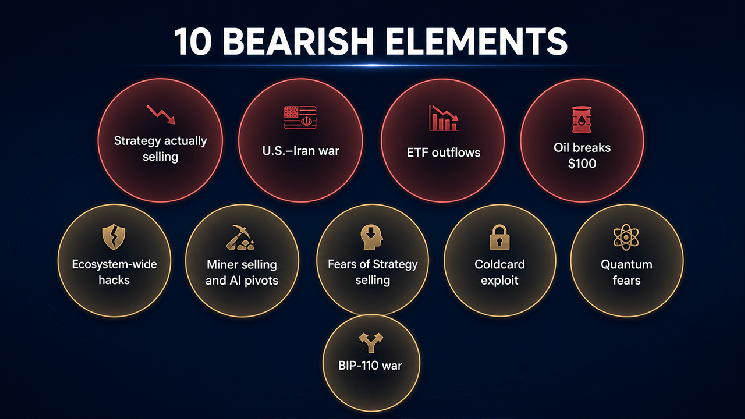
En 2026, le bitcoin a subi 10 coups baissiers, mais a connu le marché baissier le plus doux

En octobre, le Bitcoin a atteint un sommet à 126 000 dollars avant d'entamer une chute prolongée, se stabilisant entre 63 000 et 65 400 dollars en août. Bien que ce repli de près de 50% ait causé des pertes, il constitue le marché baissier le moins sévère de l'histoire du BTC, loin des corrections de 75-80% observées par le passé. L'actif a résisté à un contexte macroéconomique difficile en 2026, marqué par des tensions géopolitiques et la volatilité des prix du pétrole, sans subir de panique massive. Un changement notable est venu de l'entreprise Strategy, un acheteur historique, qui a commencé à vendre une partie de ses BTC. La demande institutionnelle via les ETF spot américains a aussi connu un long épisode de sorties de fonds, avant un léger reflux à la fin de l'été. Le réseau Bitcoin a fait face à des pressions internes, notamment un échec de la chaîne alternative BIP-110. Les mineurs, confrontés à une économie moins rentable, ont vendu une partie de leurs réserves et diversifié leurs activités. Un piratage majeur du portefeuille matériel Coldcard, ayant conduit au vol d'environ 2 000 BTC, a ébranlé la confiance, tandis que les progrès en calcul quantique ont relancé les débats sur la sécurité à long terme. Malgré cet ensemble de chocs — ventes corporates, retraits des ETF, pressions des mineurs, géopolitique, conflits communautaires et failles de sécurité — le Bitcoin a maintenu un seuil de support clé autour de 60 000 dollars. Une liquidité plus profonde, des produits d'investissement régulés et une base d'investisseurs à long terme semblent aider le marché à absorber les chocs. La résilience actuelle ne garantit pas que le creux est atteint, mais cette correction modérée au regard de son histoire suggère un marché en maturation. Les mois à venir révèleront si le niveau des 60 000 dollars constitue un solide plancher.

cryptonews.ruIl y a 1 h

En 2026, le bitcoin a subi 10 coups baissiers, mais a connu le marché baissier le plus doux

cryptonews.ruIl y a 1 h

Trading

Spot
活动图片