Bitcoin Cash, a spin-off from the oldest digital asset, has struggled to find a market since launching in 2017. But it’s been on a roll this month: since the start of June, Bitcoin Cash (BCH) is up 98%, jumping from $113 to $224.
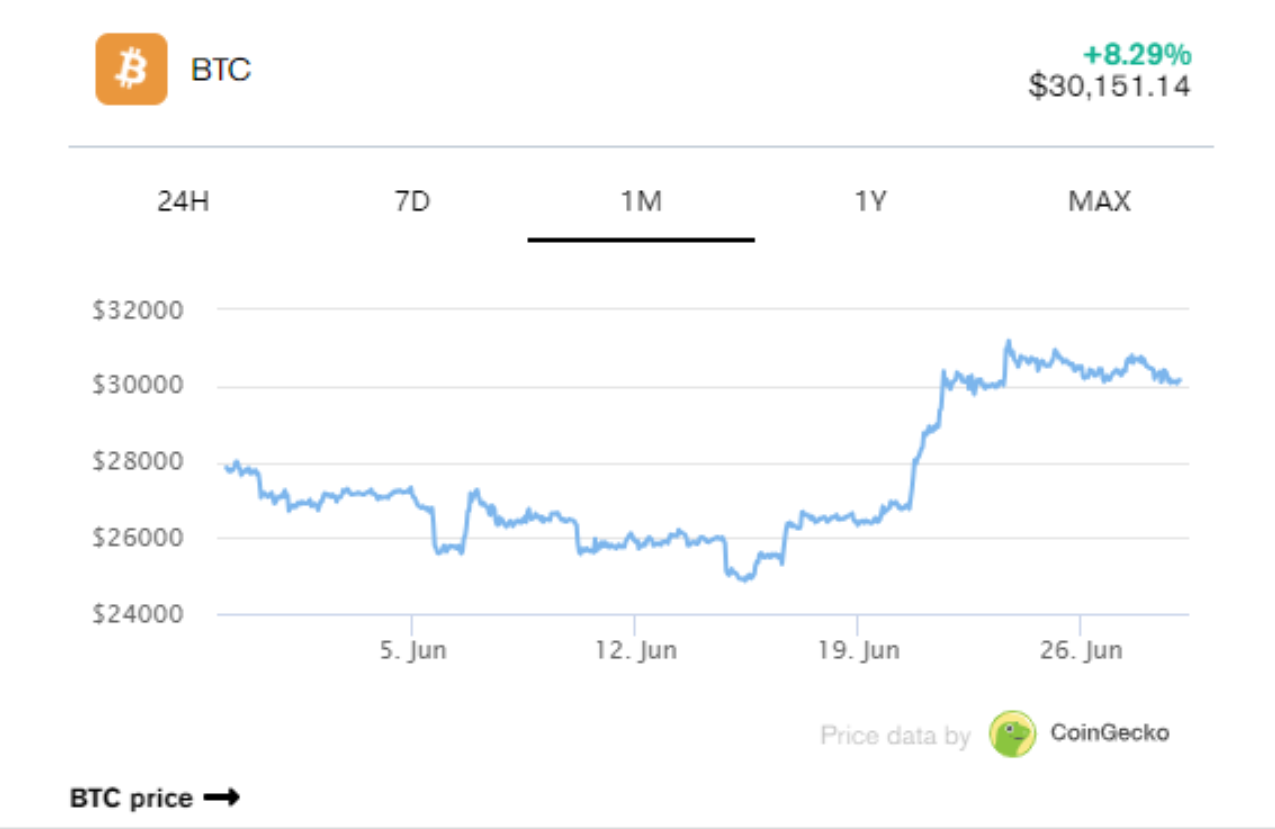
The slightly obscure digital asset—one of many cryptocurrency “forks”—is following Bitcoin, like many other coins and tokens which have surged in price since the biggest digital asset experienced a run. But BCH is doing by far the best.
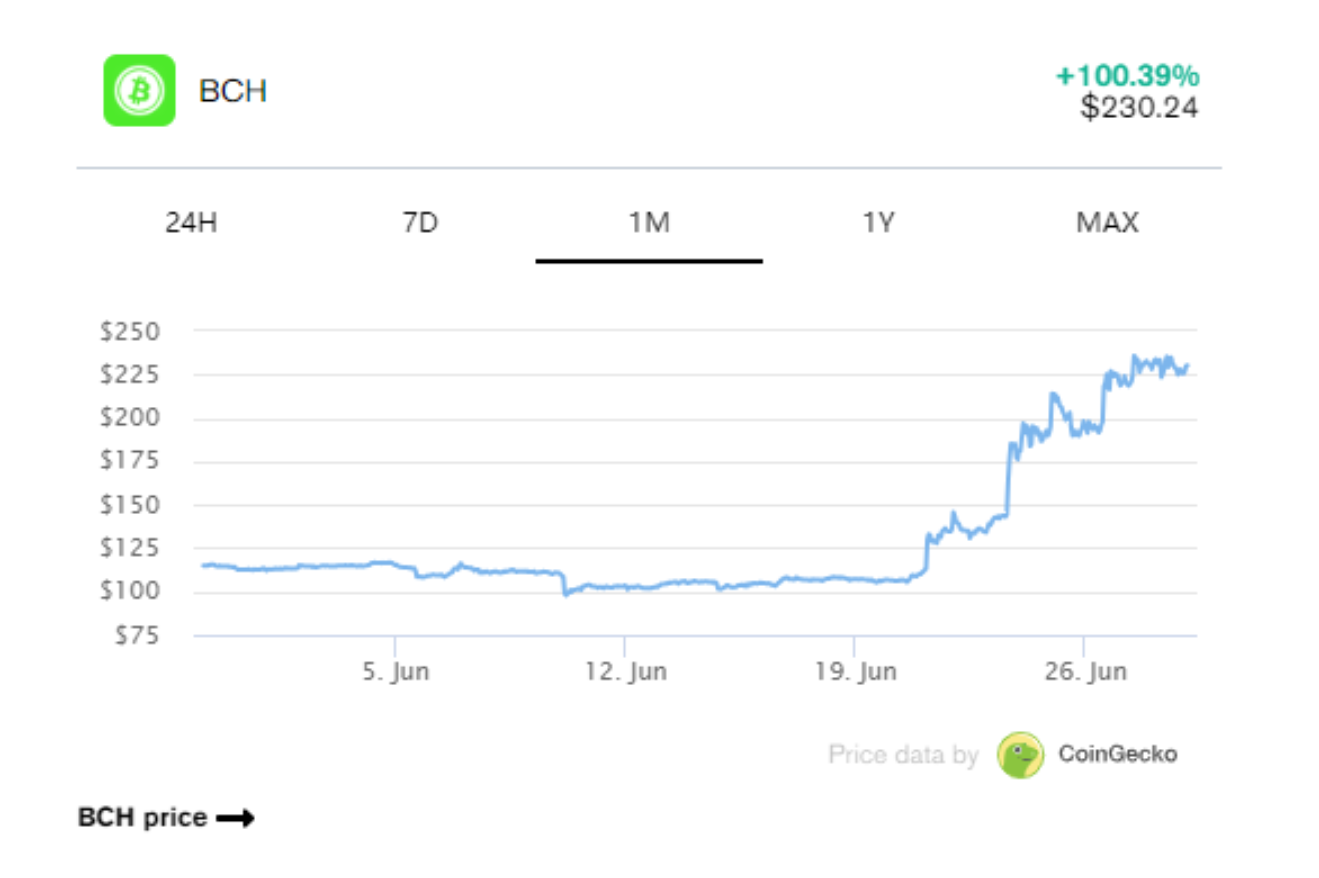
What’s the reason? The coin is one of the lucky four chosen for EDX Markets, a new crypto exchange backed by major Wall Street players Charles Schwab, Citadel Securities, and Fidelity Digital Assets.
EDX, which launched last week, decided to let its traders—institutional investors only—start off with Bitcoin, Ethereum, Litecoin, and Bitcoin Cash.
The reason is simple: regulatory clarity.
“These specific cryptocurrencies are generally perceived as commodities by regulatory bodies, which significantly mitigates potential legal challenges,” Sei Labs co-founder Jeff Feng told Decrypt.
Youwei Yang, Chief Economist at BTCM, added that the four assets are “widely regarded as digital commodities, making them relatively safe” from the U.S. Securities and Exchange Commission because they are made with electricity—a commodity.
In perhaps its toughest regulatory crackdown yet, the SEC has gone after a number of major crypto brands for allegedly flogging unregistered securities. Earlier this month, it went after Coinbase for allegedly offering and selling unregistered securities via its staking service. It also targeted Binance, the world’s biggest exchange, with a massive lawsuit for allegedly “operating as a fking [sic] unlicensed securities exchange in the U.S.A. bro,” according to the SEC.
In February, it hit Kraken with a $30 million fine for allegedly failing to register the offer and sale of its crypto asset staking-as-a-service program.
These regulatory enforcements are all because SEC Chairman Gary Gensler thinks—and has said for years—that most cryptocurrencies are unregistered securities.
But he has made it clear that Bitcoin is a commodity. He has been less clear on Ethereum, but the Commodities and Futures Trading Commission (CTFC) has said the asset is a commodity.
And Bitcoin Cash and Litecoin are both Bitcoin forks—new cryptocurrencies that emerged from the asset’s original code—meaning they are likely to have the same status in the eyes of regulators.
Greg Moritz, Co-Founder at the crypto hedge fund AltTab Capital, said that “none have been listed by the SEC as unregistered securities,” adding that all four assets are established and have history, “key factors in the decision-making process of EDX’s backers.”
EDX Markets CEO Jamil Nazarali also said that he felt “very comfortable” that the four assets weren’t securities.
For now, these four “old school” cryptocurrencies will give “old school” investors a taste of the crypto world. But things could change, Feng noted. “As regulations evolve and the understanding of different cryptocurrencies becomes more nuanced, we could anticipate exchanges like EDX broadening their offerings,” he added.