Artículos Relacionados con Succession

El Centro de Noticias de HTX ofrece los artículos más recientes y un análisis profundo sobre "Succession", cubriendo tendencias del mercado, actualizaciones de proyectos, desarrollos tecnológicos y políticas regulatorias en la industria de cripto.

IOSG Founder: Please Tell Vitalik the Truth, May the OGs Who Enjoyed the Industry's Dividends Illuminate the Young

**Summary: An Urgent Call for Leadership and Renewal in Web3** In a candid and urgent article, the founder of IOSG Ventures voices deep concerns about the current state and future of the Web3 ecosystem, framing it as a critical turning point. The author's recent experience at a global tech conference highlighted a concerning trend: many former crypto professionals are now rebranding as founders in AI, biotech, and robotics, representing a "great self-rescue" but also a potential exodus. Key problems identified include a broken feedback loop within the ecosystem, a mass departure of developers to AI, and a severe lack of positive societal recognition for Web3, making it difficult for practitioners to take pride in their work. The author expresses worry that Ethereum, despite its foundational role, missed crucial windows for building mainstream applications by over-focusing on technical narratives like ZK and L2 during the last bull market. A significant concern is that **Vitalik Buterin might be living in an information bubble**, shielded from the community's real struggles by those with vested interests, hindering necessary reforms. The piece draws a stark contrast between U.S. and Chinese "OGs" (industry veterans). While many American OGs continue to reinvest their wealth and efforts into building the ecosystem, the author observes that a significant portion of Chinese OGs have cashed out or pivoted to other sectors like AI, leaving the Asian Web3 ecosystem with a severe funding crisis and weakened "blood-making" capacity. The central appeal is a call to action. The author urges **OGs who have benefited from the industry's growth to "light the way" for the next generation** through mentorship, grants, and direct support—not just large investments, but practical help like referrals, mailing list access, or small grants. Buterin is asked to re-engage with the grassroots, break out of his information bubble, and lead the community through this challenging bear market, which is described as the best time to build the next foundational product. For current builders and founders, the advice is to find their "why," build alliances for mutual support, continue learning (including about AI), and maintain personal well-being without letting token prices define self-worth. The author concludes that the industry's survival depends not on any single leader, but on every remaining believer becoming a "lighthouse" to guide others, ensuring the ecosystem has a future worth building for.

链捕手Hace 2 días 00:24

IOSG Founder: Please Tell Vitalik the Truth, May the OGs Who Enjoyed the Industry's Dividends Illuminate the Young

链捕手Hace 2 días 00:24

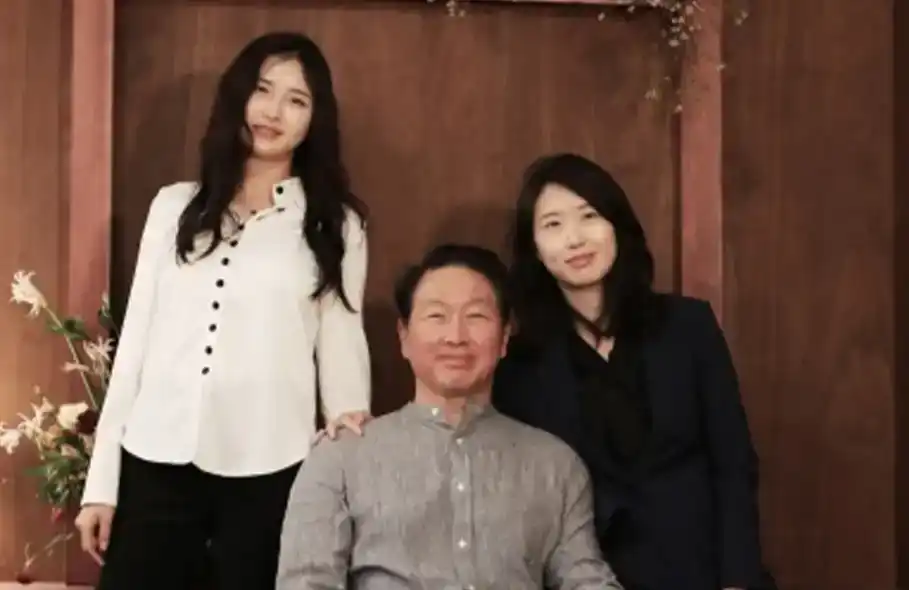
SK Hynix's Trillion-Won Empire: The Successors

"SK Hynix's Trillion-Won Empire and Its Heirs" explores the unconventional succession narrative within SK Group, South Korea's second-largest conglomerate, following SK Hynix's dramatic market rise. Unlike traditional chaebol scripts prioritizing the eldest son, ownership, and political marriages, Chairman Choi Tae-won's three children from his first marriage are charting distinct paths. The eldest daughter, Choi Yun-jeong, is considered the most visible candidate. With a background in biology, consulting, and a PhD, she holds executive roles at SK Bioscience and SK Inc.'s growth strategy unit, focusing on biopharma and new businesses. Her marriage is to an AI infrastructure entrepreneur, not a traditional chaebol heir. The second daughter, Choi Min-jeong, took a unique route by voluntarily serving as a South Korean naval officer, including a tour in the Gulf of Aden. She later worked on policy and strategy for SK Hynix in Washington D.C. before co-founding an AI-driven healthcare startup in San Francisco. She married a former U.S. Marine Corps officer, connecting the family to U.S. defense and policy networks. The son, Choi In-geun, who has Type 1 diabetes, followed a more classic preparatory path with a physics degree and a stint at SK E&S but left to join McKinsey's Seoul office. He remains publicly silent and holds no SK shares, defying the traditional "crown prince" archetype. Their paths unfold against the backdrop of their parents' high-profile, contentious divorce and a record-setting asset division lawsuit. The article argues that as SK Hynix becomes a geopolitical asset in the AI era, the conventional rules of chaebol inheritance are changing. The heirs are being groomed not simply to take over, but to navigate a complex global landscape defined by AI, biotech, geopolitics, and policy, forging legitimacy through their own expertise and networks rather than birth order alone.

marsbit05/12 04:01

SK Hynix's Trillion-Won Empire: The Successors

marsbit05/12 04:01

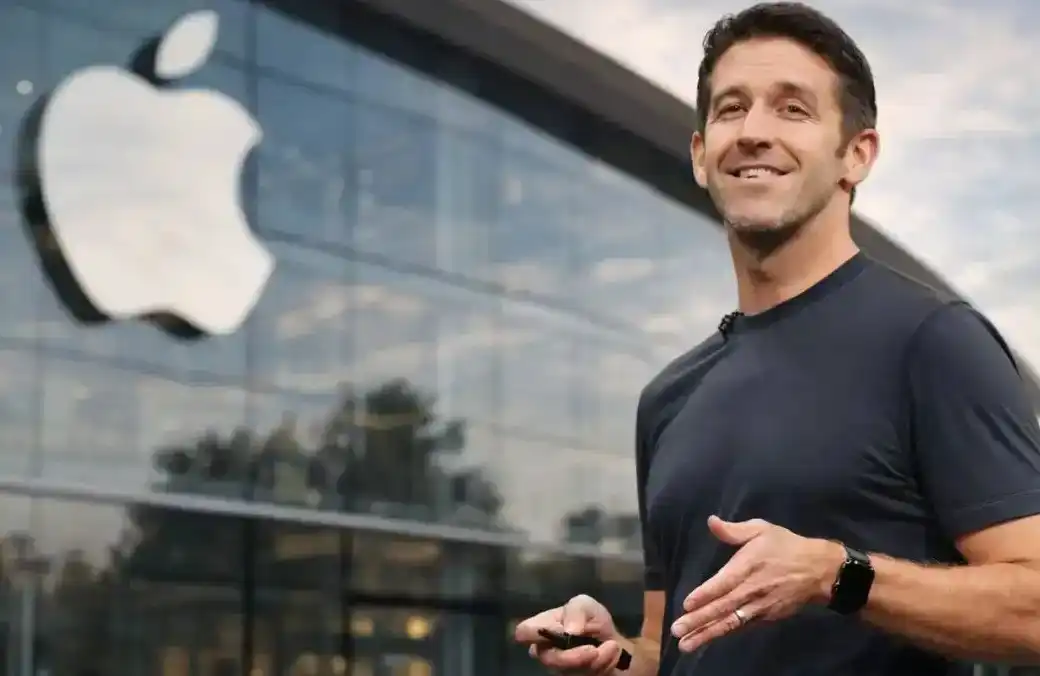
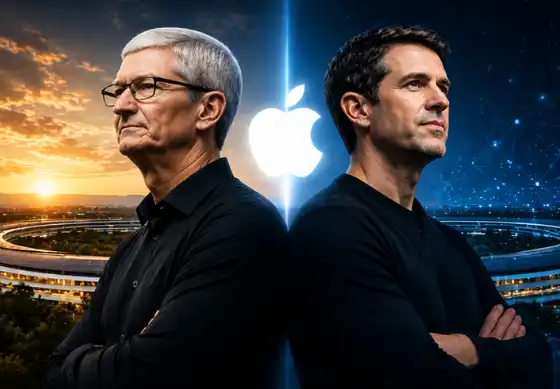
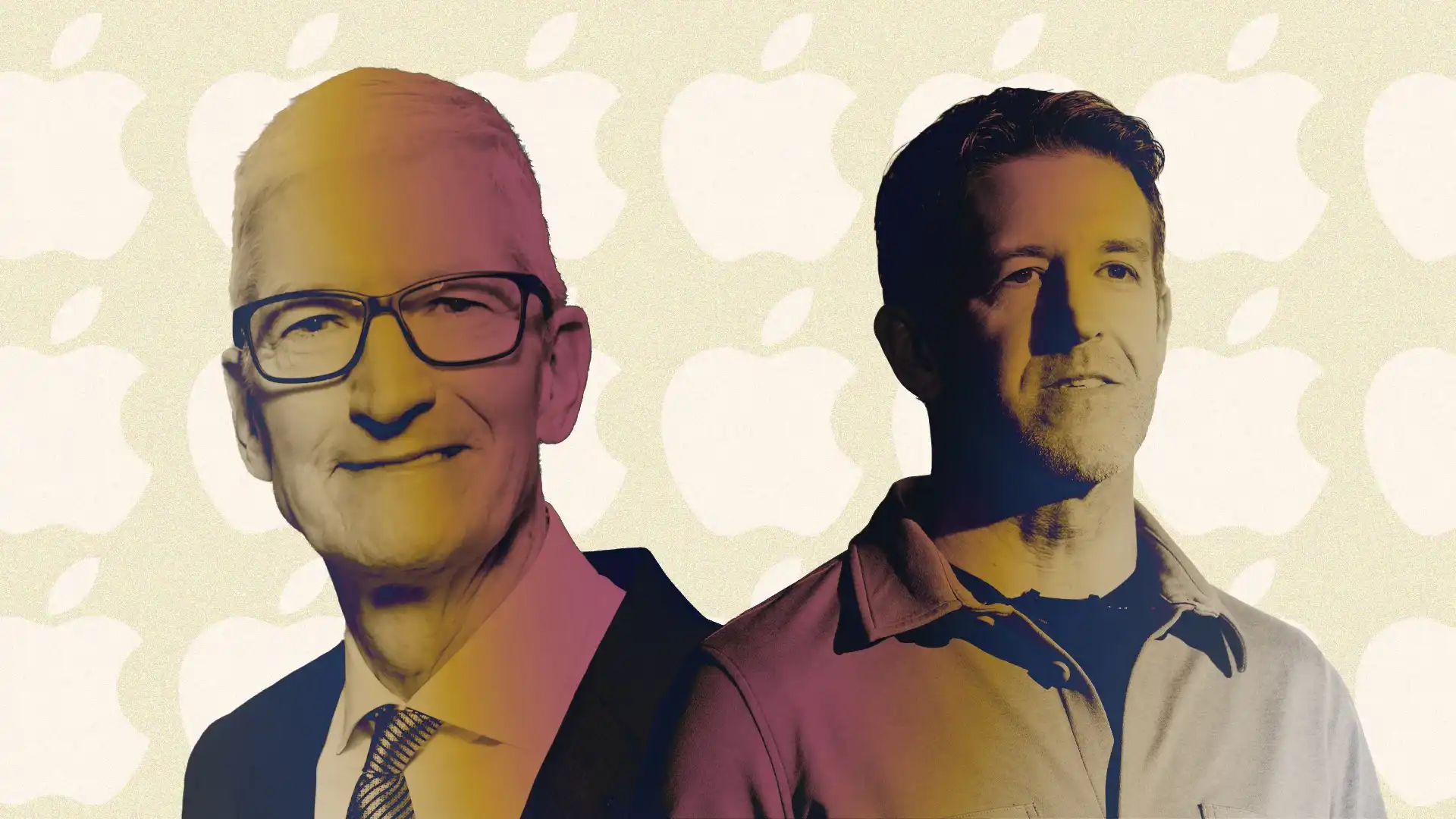
Cook's Curtain Call and Ternus Takes the Helm: The Disruption and Reboot of Apple's 4 Trillion Dollar Empire

Tim Cook has officially announced he will step down as CEO of Apple in September, transitioning to executive chairman after a 15-year tenure during which he grew the company’s market value from around $350 billion to nearly $4 trillion. He will be succeeded by John Ternus, a 50-year-old hardware engineering veteran who has been groomed for the role through increasing public visibility and internal responsibility. Ternus’s appointment signals a strategic shift toward hardware and engineering leadership, with Johny Srouji—head of Apple Silicon—taking on an expanded role as Chief Hardware Officer. This consolidation aims to strengthen Apple’s core technological capabilities. However, Cook’s departure highlights a significant unresolved issue: Apple’s delayed and fragmented approach to artificial intelligence. Despite early efforts, such as hiring John Giannandrea from Google in 2018, Apple’s AI initiatives—particularly around Siri—have struggled with internal restructuring and reliance on external partnerships, including with Google. The transition comes at a critical moment as Apple faces paradigm shifts with the rise of artificial general intelligence (ASI). The company’s closed ecosystem of hardware, software, and services—once a major advantage—now presents challenges in adapting to an AI-centric world where intelligence may matter more than the device itself. Ternus must quickly articulate a clear AI strategy, possibly starting at WWDC, to reassure markets and redefine Apple’s role in a new technological era. His task is not only to maintain Apple’s operational excellence but also to reinvigorate its capacity to innovate and lead in the age of AI.

marsbit04/22 00:08

Cook's Curtain Call and Ternus Takes the Helm: The Disruption and Reboot of Apple's 4 Trillion Dollar Empire

marsbit04/22 00:08

Iran's New Supreme Leader's Shadow Business Empire: Oil, Real Estate, and Financial Undercurrents

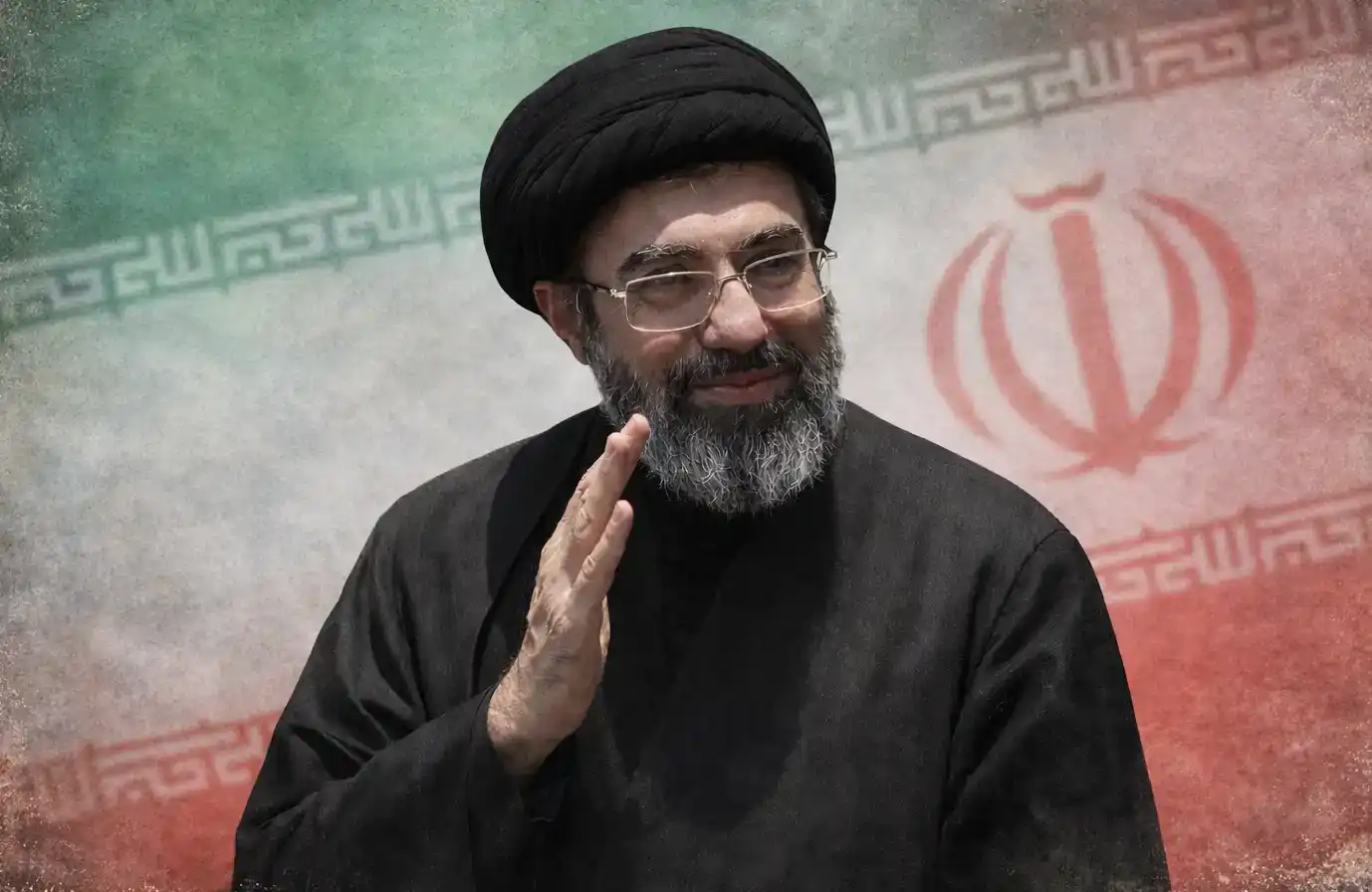
Iran's Assembly of Experts appointed Mojtaba Khamenei, son of the assassinated Supreme Leader Ali Khamenei, as the country's third Supreme Leader amid external threats and internal power struggles. Despite his low public profile and lack of elected or official roles, Mojtaba has long been a central figure in Iran’s power structure, acting as a key advisor and gatekeeper to his father. The U.S. and Israel have expressed strong opposition to his appointment, with former President Trump dismissing him as insignificant. However, Mojtaba has deep ties with the Islamic Revolutionary Guard Corps (IRGC) and played a role in suppressing the 2009 Green Movement protests. A Bloomberg investigation revealed Mojtaba’s hidden global business empire, allegedly funded by Iranian oil revenues and managed through intermediaries. His financial network includes real estate in London, Dubai, Frankfurt, and Mallorca, as well as cryptocurrency transactions. Iranian businessman Ali Ansari is identified as a key figure holding assets on his behalf, though Ansari faces international sanctions for corruption and ties to the IRGC. Mojtaba’s succession has sparked domestic criticism over concerns of hereditary rule and his lack of religious credentials. President Masoud Pezeshkian’s temporary enhanced powers have done little to stabilize the situation, as the IRGC remains influential in shaping leadership decisions. Iran now faces intensified internal divisions and external pressures under its new leader.

marsbit03/09 09:30

Iran's New Supreme Leader's Shadow Business Empire: Oil, Real Estate, and Financial Undercurrents

marsbit03/09 09:30

活动图片