Can Apple Continue to Grow in the AI Era Without Cook?

marsbitPublicado a 2026-04-22Actualizado a 2026-04-22

Resumen

Apple has named John Ternus, a 25-year company veteran and current head of hardware engineering, as its next CEO, effective September 1. He succeeds Tim Cook, who transitions to executive chairman. Ternus is characterized as a "systems-oriented" leader—a collaborative, decisive insider known for his deep understanding of Apple's products and unique functional organizational structure. His career highlights include pragmatically updating the Mac Mini without costly redesigns, playing a key role in developing AirPods amidst internal tensions, and leading the transition of Macs to Apple's own silicon. However, he is not seen as a high-risk visionary like Steve Jobs or a supply-chain innovator like Cook. Ternus takes charge as Apple faces significant challenges: the need to find its next major product beyond the iPhone and to catch up in the AI era, where competitors are ahead in conversational AI, and Siri is considered outdated. The central question is whether he can leverage Apple's hardware strength to build a new platform advantage or if the company will primarily optimize its existing ecosystem. His success hinges on making bold strategic bets in a shifting technological landscape.

Editor's Note: After Steve Jobs and Tim Cook, Apple has finally welcomed its third truly "epoch-defining successor." Unlike the distinct labels of the first two (one defined products, the other reshaped the supply chain), John Ternus's rise to power seems more like a continuation of internal logic: a "systemic figure" familiar with the organization, understanding of products, and capable of driving decisions within a complex structure.

This article traces John Ternus's growth path within Apple. From the pragmatic updates of the Mac Mini, to the "decentralized coordination" in the development of AirPods, and then to driving the transition to in-house Mac chip development, Ternus's role has never been about standing in the spotlight to define the vision, but rather ensuring the system operates efficiently.

From a broader perspective, Ternus's appointment marks Apple's transition from the combined phase of "product vision + supply chain execution" into a cycle that requires redefining the growth engine. As a typical engineer-type executive, he stands out for his execution capabilities, internal collaboration skills, and deep understanding of the product ecosystem; his decision-making logic is also consistent—prioritizing ecosystem value over the profit of a single product.

Ternus's strength lies in his profound understanding of Apple's internal mechanisms and his ability to "get things done" within a functional organization; his uncertainty lies in whether he can propose a sufficiently clear and bold product direction on top of the existing system.

Meanwhile, in the new generation of computing interfaces represented by conversational AI, Apple is gradually falling behind its competitors, and Siri's capability gap is continuously widening. The shift in technological paradigms is weakening its past hardware-centric advantage foundation.

Therefore, the key to this succession is not whether he can maintain existing achievements, but whether he can achieve a breakthrough: whether Ternus possesses product insight similar to Jobs or system reconstruction capabilities like Cook remains an open question. The article implies that Apple's current constraint is not at the execution level but in directional choices: in the AI era, whether hardware advantages can once again translate into platform advantages will determine whether this "engineer-type CEO" can truly open the next cycle.

In this sense, this handover is more like a path choice: whether to continue optimizing the existing product and ecosystem or to reinvest in yet-to-be-clear technological directions.

The answer may soon emerge.

Below is the original text:
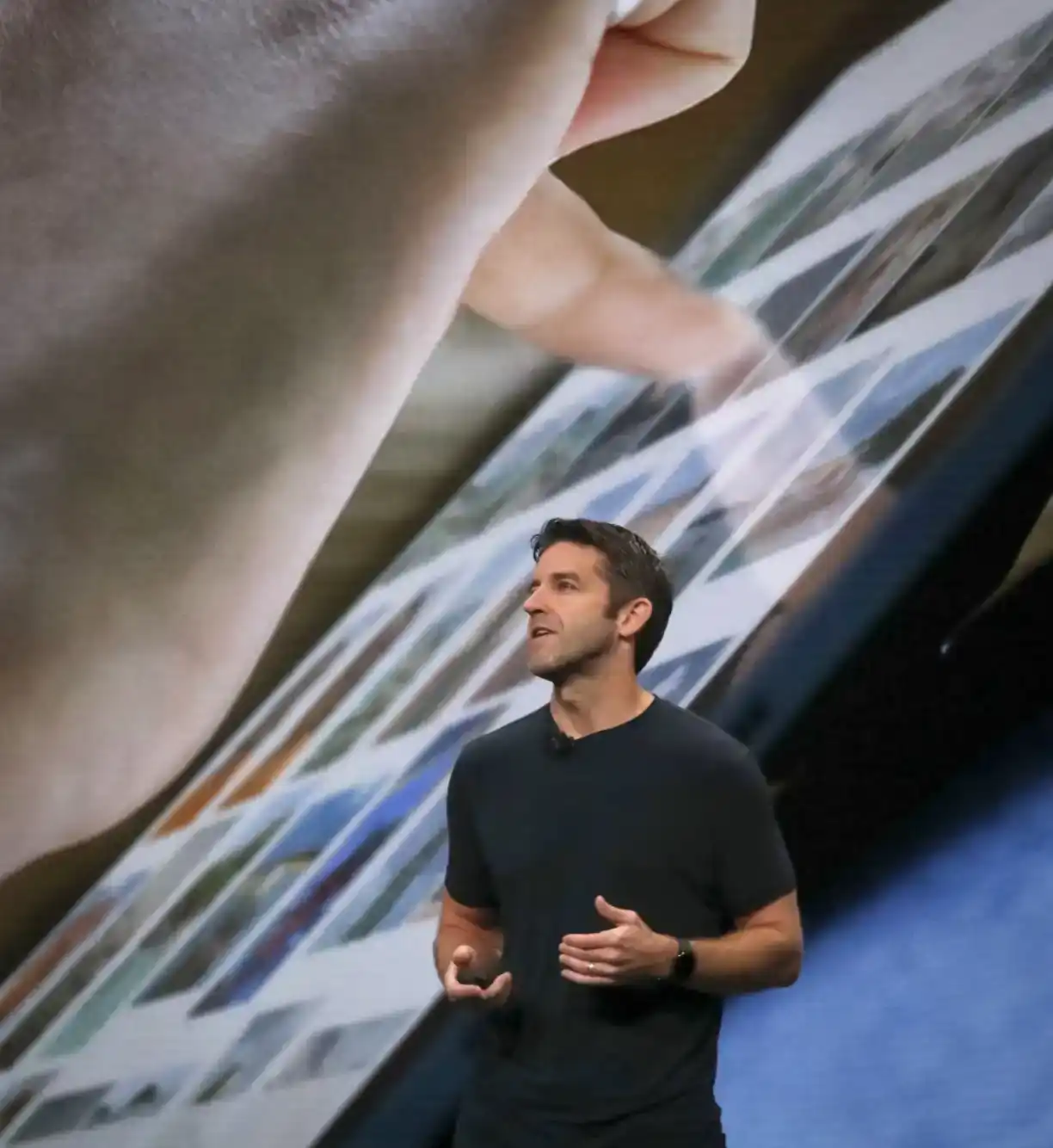
The Mac Mini was long overdue for an update, and John Ternus hoped he wouldn't have to go through design maestro Jony Ive again.

Years ago, before Ternus was chosen to lead one of the world's largest and most influential companies, he was in charge of Apple's Mac hardware division. This was just one of the many stages in his ascent within the relatively closed company, during which he gradually learned to navigate its unique and complex internal politics.

At the time, the AI wave that would later make the Mac Mini hugely popular was still years away, but software developers urgently needed a new version with updated chips. Redesigning the Mini's casing, however, might have required involving Ive's industrial design team, causing additional delays.

According to insiders, after judging that the product did not require major design changes, Ternus decisively pushed for the update. He did not focus much on the product's profit potential but rather on its value to Apple's overall ecosystem. This is just one of many examples showcasing his decisive decision-making, deep understanding of Apple's culture and products, and his ability to get things done within the company.
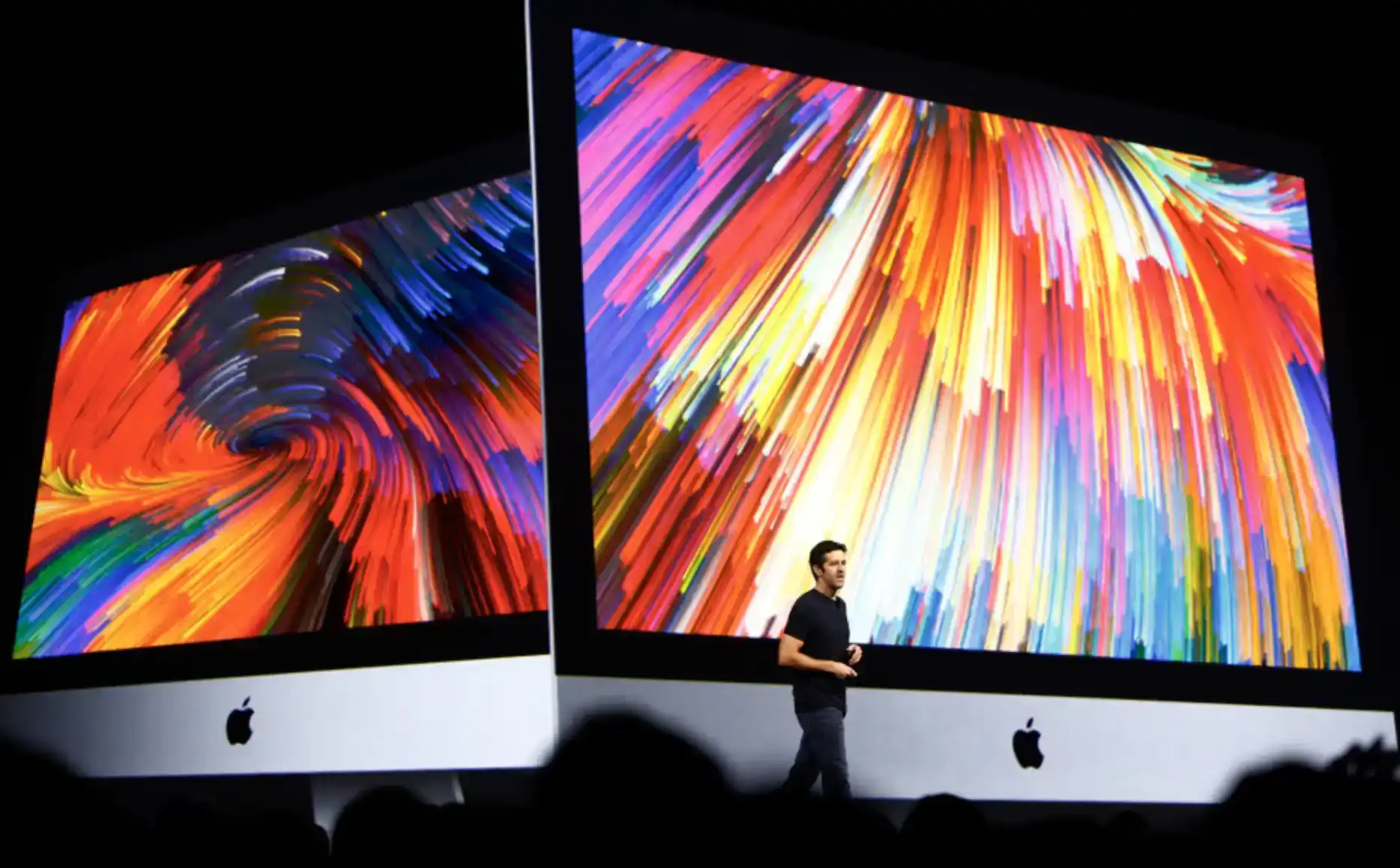
Apple announced on Monday that these qualities, honed over his 25-year career, have propelled Ternus to the company's top position. He will officially assume the role on September 1st, instantly becoming one of the world's most watched corporate leaders. Long-time Apple CEO Tim Cook will transition to the role of Executive Chairman.

Ternus will take over from two corporate legends. Steve Jobs created the most profitable product in history—the iPhone; and Cook extracted trillions of dollars in value from this smartphone through the supply chain system he built and the continuous launch of services and peripheral products.

Similar to when Cook succeeded Jobs, Ternus remains a relatively low-profile figure to the outside world. If Jobs was the product visionary and Cook the supply chain expert, then Ternus is more like a hardware genius somewhere between the two.

With a background in mechanical engineering, Ternus most recently oversaw all hardware engineering for Apple's products. He takes the helm at a critical juncture in Apple's history. Currently, Apple remains at the peak of iPhone sales with the lineup of new models launched last fall, but the company also faces a conundrum—how to find the next blockbuster product.

Additionally, Apple must reinvent itself for the AI era. Over the past few decades, Apple defined how people interact with computing on the desktop and mobile, but now, on the new generation of computing platforms represented by human-like conversational chatbots, the company has fallen behind competitors. Apple's own Siri (expected to receive an "AI brain" upgrade this year) appears quite "primitive" in comparison.
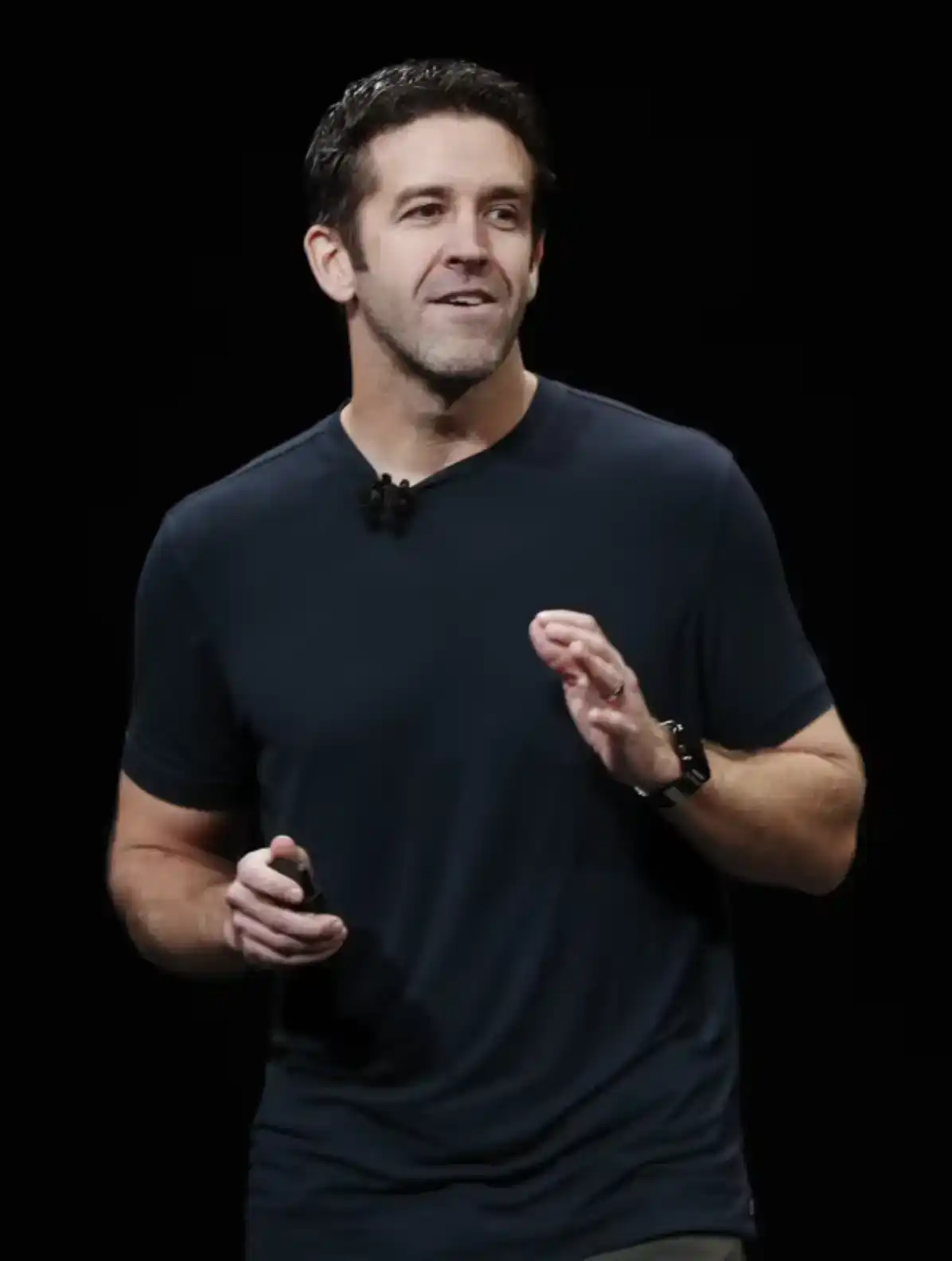
If you ask any Apple employee about Ternus, the answer is almost unanimous: he is a very easy person to get along with. Those who have worked with him describe him as an excellent collaborator who inspires high loyalty in teams; he is calm and rational, and has made almost no enemies in a company historically known for tense internal relationships and strong personalities.

Employees also mention his strong ability to drive items forward in meetings, always focusing the discussion on key points; at the same time, he prefers to communicate directly with frontline employees who are more familiar with product details, rather than through managers who may know less about the specifics.

Outside of Apple, Ternus enjoys driving his Porsche on race tracks, such as Laguna Seca in California. Insiders say his lap times can go under 1 minute 40 seconds, which is quite impressive for an amateur driver.

Ternus is tall and slender, still maintaining the physique he had as a swimmer during his studies at the University of Pennsylvania. His former teammate Andrew Berkowitz recalled: "Ternus is a really good guy." He also mentioned that the team had a tradition—running along the campus's Locust Walk in swim trunks in winter as an annual "initiation" for freshmen.

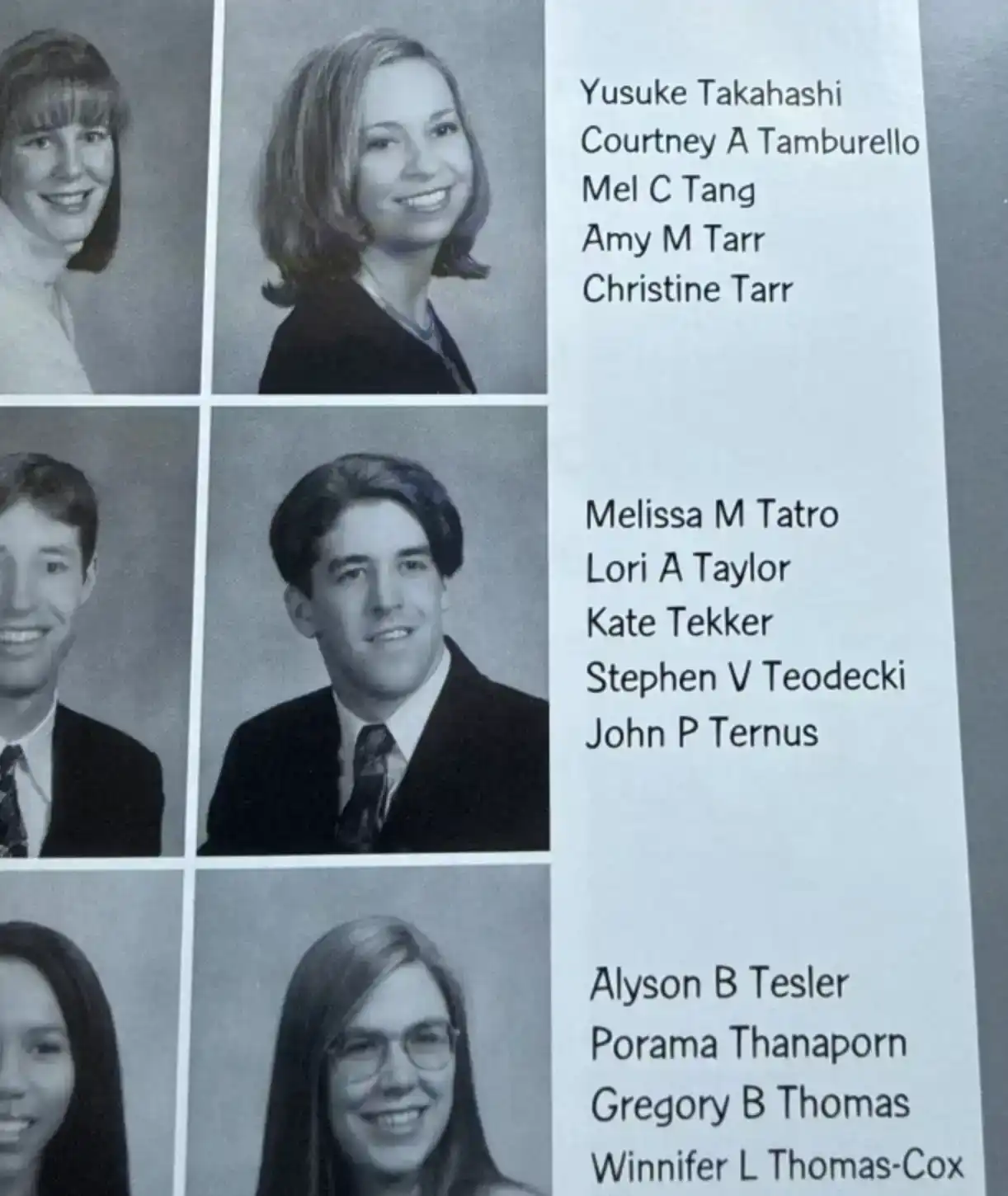
Ternus graduated in 1997, then worked at a virtual reality startup for four years before joining Apple in 2001.
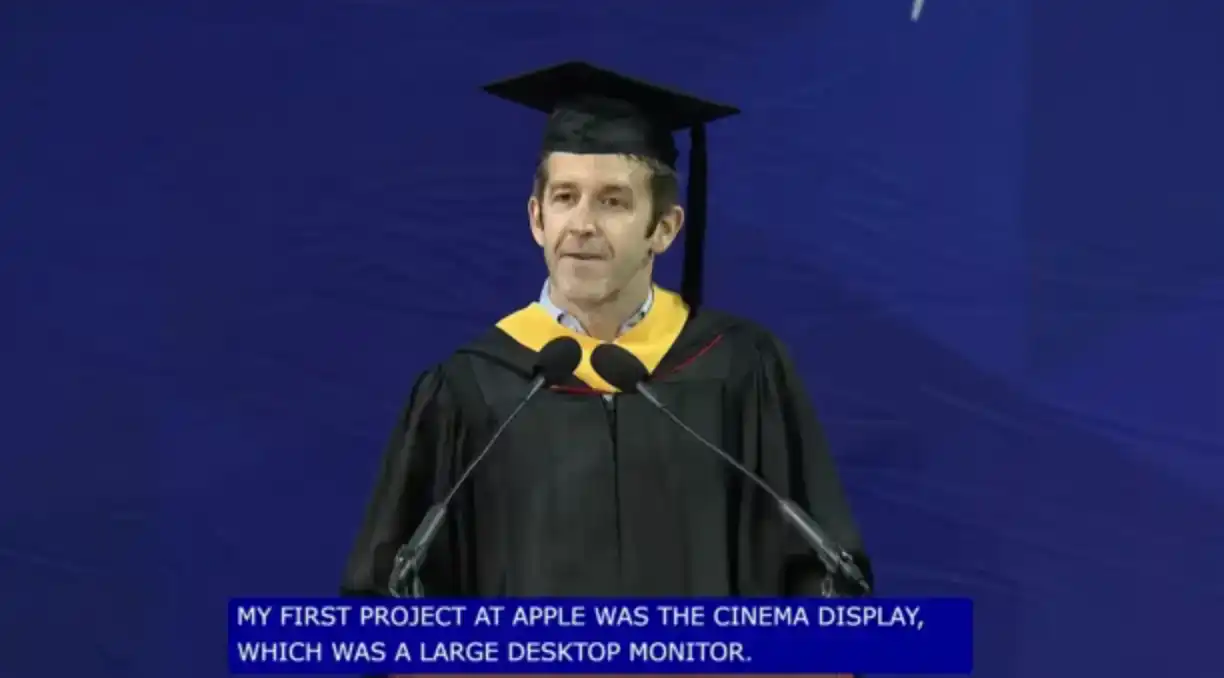
A decade ago, Ternus was one of the key executives responsible for developing AirPods. The product, now an "essential accessory" for the iPhone, had an initial development process notorious for intense internal friction—Ternus's colleagues argued fiercely over how to maintain a stable Bluetooth connection for the wireless earbuds. Ultimately, one executive was forced to leave, and another was transferred to China. Ternus, then not yet 40, managed to stay above the fray.

One of the most significant achievements during Ternus's tenure was driving the transition of Apple's Mac line from Intel chips to in-house designed chips. These chips outperformed the previous Intel solutions in both performance and power efficiency. However, the main credit for this transition usually goes to Apple's head of hardware technologies, Johny Srouji, who will take over and expand Ternus's current hardware engineering responsibilities.

Ternus's coordination skills and his long experience at Apple will be crucial in his new role. Apple's organizational structure is quite unique: unlike other large enterprises divided by business units with general managers, Apple operates on a functional model. Therefore, an "insider" familiar with all aspects of the company has a natural advantage as CEO.

However, according to insiders, Ternus is not known for "making bold moves and betting on high-risk decisions," which leaves an open question: whether he can provide the product vision that external critics believe has been lacking since Steve Jobs's passing.

Ternus is already seen as an important guardian of the company culture. He has hosted numerous internal sharing sessions to motivate employees while repeatedly emphasizing absolute secrecy regarding unreleased products—one of the core tenets established during the Jobs era.

For months, Ternus has been seen as Tim Cook's successor, reflecting Apple's efforts to ensure a smooth power transition—in contrast to the turbulent succession processes of some other established US companies in recent years.

Apple has also been intentionally increasing his public exposure recently.

When unveiling the 2025 device lineup, Ternus personally presented the new iPhone Air; soon after, he was sent to London to greet customers on the first day of sales at the UK flagship store. Last month, he was also responsible for launching the company's latest product—the more affordable MacBook Neo.

A few weeks ago, Apple held its 50th-anniversary celebration at Grand Central Terminal in New York. Only two people were the stars of the day: Cook and Ternus.


Preguntas relacionadas

QWhat are the key characteristics and strengths of John Ternus that led to his appointment as Apple's new CEO?

AJohn Ternus is described as a 'systems person' with deep internal knowledge of Apple, strong execution and internal coordination skills, and a profound understanding of the product ecosystem. His decision-making prioritizes ecosystem value over individual product profits. He is known for being a great collaborator, calm, rational, and effective at getting things done within Apple's complex functional organization.

QHow does the article characterize the challenge Ternus faces regarding Apple's position in the AI era?

AThe article states that Apple is falling behind competitors in the new computing paradigm of conversational AI and chatbots, with Siri's capabilities being significantly outpaced. The core challenge is whether Apple's hardware advantage can be transformed into a platform advantage in the AI era, requiring a clear and potentially risky new product direction.

QWhat major internal project is cited as a key achievement for John Ternus during his tenure?

AA major achievement cited for John Ternus was leading the transition of the Mac product line from Intel chips to Apple's own custom-designed silicon, which offered superior performance and power efficiency.

QHow does the article contrast John Ternus's leadership style with that of his predecessors, Steve Jobs and Tim Cook?

AThe article contrasts them by stating Steve Jobs was the product visionary who defined products, Tim Cook was the supply chain expert who optimized execution and monetization, while John Ternus is a hardware genius and 'systems person' focused on internal coordination and efficient operation within the existing ecosystem.

QWhat specific example from the Mac Mini update illustrates Ternus's decision-making philosophy?

AThe example given is Ternus's decision to update the Mac Mini without a major redesign of its外壳 (housing) to avoid delays from Jony Ive's design team. This decision was not based on the product's individual profit potential but on its value to the overall Apple ecosystem, demonstrating his pragmatic and ecosystem-focused approach.

Lecturas Relacionadas

U.S. Stock Market Trend: Nasdaq Plunges 3.5% Intraday Before a Remarkable Recovery, All Eyes on CPI Tomorrow

"US Stock Market Trends: Nasdaq Plunges 3.5% Before Dramatic Recovery, Eyes on Tomorrow's CPI" On Tuesday, US markets experienced a wild swing. The Nasdaq initially surged nearly 0.7% before plummeting to a 3.5% intraday loss following a post by Donald Trump on Truth Social. He stated that Iran had shot down a US Apache helicopter in the Strait of Hormuz and that the US "must...respond." The index, however, staged a remarkable recovery in the final two hours, closing down only 0.97%, as subsequent remarks from Trump and Vice President Vance suggested a potential Iran deal within days. The S&P 500 fell 0.26%, while the Dow Jones gained 0.17%, supported by its non-tech components. This incident marked the first loss of a US military asset since tensions with Iran escalated in late February. Despite the event, crude oil prices fell sharply (WTI -3.93%) due to expectations of a near-term deal, OPEC+ plans to increase output, and fears that strong jobs data could lead to Fed rate hikes. Market attention is now laser-focused on the May CPI data release Wednesday morning. This report is seen as critical evidence for whether hot job growth is fueling inflation and will heavily influence expectations for the Federal Reserve's upcoming meeting. A hotter-than-expected reading could trigger further sell-offs, particularly in tech, while a cooler print could spark a significant rebound. The article notes a clear sector rotation, with money flowing out of tech (Nasdaq down over 5% in a week) into defensive sectors like healthcare and consumer staples. Other assets like gold and Bitcoin also remain under pressure. The overarching sentiment is one of "war fatigue," with markets desperately awaiting concrete results from the prolonged Iran negotiations rather than reacting to each new headline.

marsbitHace 12 min(s)

U.S. Stock Market Trend: Nasdaq Plunges 3.5% Intraday Before a Remarkable Recovery, All Eyes on CPI Tomorrow

marsbitHace 12 min(s)

Second Only to GPUs and Memory: MLCCs Are Becoming the Next Billion-Dollar Windfall for AI Computing Power

After GPU and memory, MLCC (Multi-Layer Ceramic Capacitors) is emerging as the next critical component in AI compute, potentially a multi-billion-dollar market. The article highlights a significant, industry-wide price increase for MLCCs, driven not by inventory cycles but by a fundamental, structural demand surge from AI and automotive sectors. AI servers require exponentially more MLCCs than traditional servers—from 2,000 to over 350,000 units per high-end AI rack—primarily to stabilize power for increasingly powerful, low-voltage GPUs. A key AI server's MLCC cost can reach thousands of dollars, making it the third-largest cost component after GPUs and memory. This demand is compounded by the automotive shift to EVs and advanced ADAS. Supply, however, struggles to keep up. Manufacturing high-end MLCCs involves extreme precision and faces six major barriers: proprietary technology, long customer certification cycles (12-18 months for AI), high capital intensity, patent thickets, specialized talent, and massive scale. Industry capacity grows at only ~10% annually, creating a persistent supply-demand gap projected to last until 2030. Three companies dominate this high-end market. **Murata** (40% global share) is the stable leader. **Samsung Electro-Mechanics** offers the highest growth elasticity with aggressive expansion. **Taiyo Yuden** is the purest MLCC play. While their current P/E ratios appear high, they are expected to compress rapidly as earnings surge, powered by significant pricing power and operational leverage. Key risks include a potential slowdown in AI capex, high valuations, competition from Chinese manufacturers in lower tiers, yen appreciation, and consumer electronics weakness. The article concludes that MLCCs are transforming from a commoditized component into a strategic, capacity-constrained asset essential for the AI-powered future.

marsbitHace 42 min(s)

Second Only to GPUs and Memory: MLCCs Are Becoming the Next Billion-Dollar Windfall for AI Computing Power

marsbitHace 42 min(s)

The First to Bring an AI OS to 1.4 Billion People Might Actually Be WeChat?

WeChat has introduced a significant AI update, allowing mini-program developers to integrate their services with WeChat AI. Developers can choose an "automatic mode," where WeChat AI autonomously analyzes and operates mini-programs without additional coding, or a "development mode" for creating customized skills. This move effectively transforms WeChat's vast ecosystem—including millions of mini-programs, WeChat Pay, and official accounts—into an execution layer for AI. The technical documentation reveals that WeChat's approach aligns with industry standards like MCP (Model Context Protocol) and incorporates practical lessons from AI-agent development. Key design principles include a clear "attention weight" system for API calls and a "fact + action" response structure to ensure reliable operations. Unlike Apple's Siri, which struggles with third-party app integration, WeChat's centralized control over mini-program code provides a "God's-eye view," enabling seamless AI orchestration across services. This development revives the concept of "WeChat OS," where the app could function as a natural-language-operated platform for daily tasks—from booking flights to ordering food—all within a chat interface. While challenges remain in areas like payment security and user trust, WeChat's existing service network and massive user base position it uniquely to advance AI agents from conversation to actionable assistance, potentially making complex tasks feel effortless for its 1.432 billion monthly active users.

marsbitHace 1 hora(s)

The First to Bring an AI OS to 1.4 Billion People Might Actually Be WeChat?

marsbitHace 1 hora(s)

Trading

Spot
Futuros

Artículos destacados

Cómo comprar ERA

¡Bienvenido a HTX.com! Hemos hecho que comprar Caldera (ERA) sea simple y conveniente. Sigue nuestra guía paso a paso para iniciar tu viaje de criptos.Paso 1: crea tu cuenta HTXUtiliza tu correo electrónico o número de teléfono para registrarte y obtener una cuenta gratuita en HTX. Experimenta un proceso de registro sin complicaciones y desbloquea todas las funciones.Obtener mi cuentaPaso 2: ve a Comprar cripto y elige tu método de pagoTarjeta de crédito/débito: usa tu Visa o Mastercard para comprar Caldera (ERA) al instante.Saldo: utiliza fondos del saldo de tu cuenta HTX para tradear sin problemas.Terceros: hemos agregado métodos de pago populares como Google Pay y Apple Pay para mejorar la comodidad.P2P: tradear directamente con otros usuarios en HTX.Over-the-Counter (OTC): ofrecemos servicios personalizados y tipos de cambio competitivos para los traders.Paso 3: guarda tu Caldera (ERA)Después de comprar tu Caldera (ERA), guárdalo en tu cuenta HTX. Alternativamente, puedes enviarlo a otro lugar mediante transferencia blockchain o utilizarlo para tradear otras criptomonedas.Paso 4: tradear Caldera (ERA)Tradear fácilmente con Caldera (ERA) en HTX's mercado spot. Simplemente accede a tu cuenta, selecciona tu par de trading, ejecuta tus trades y monitorea en tiempo real. Ofrecemos una experiencia fácil de usar tanto para principiantes como para traders experimentados.

380 Vistas totalesPublicado en 2025.07.17Actualizado en 2026.06.02

Cómo comprar ERA

Discusiones

Bienvenido a la comunidad de HTX. Aquí puedes mantenerte informado sobre los últimos desarrollos de la plataforma y acceder a análisis profesionales del mercado. A continuación se presentan las opiniones de los usuarios sobre el precio de ERA (ERA).

活动图片












