Artículos Relacionados con Strait of Hormuz

El Centro de Noticias de HTX ofrece los artículos más recientes y un análisis profundo sobre "Strait of Hormuz", cubriendo tendencias del mercado, actualizaciones de proyectos, desarrollos tecnológicos y políticas regulatorias en la industria de cripto.


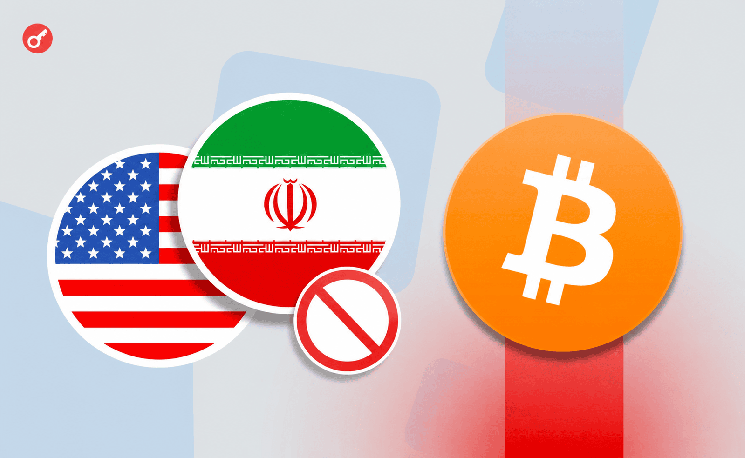
Tensions in the Strait of Hormuz Escalate, Bitcoin Plunges to $61,700 Amid Safe-Haven Selling

Bitcoin fell sharply to around $61,700 on Monday, July 13th, as geopolitical tensions in the Strait of Hormuz triggered a broad shift toward risk-off sentiment across global markets. The decline of roughly 4% mirrored weaker performances in major U.S. stock indices. Market analysts attributed the sell-off to a confluence of factors stemming from the heightened U.S.-Iran tensions. These tensions reignited inflation concerns, reduced expectations for near-term Federal Reserve rate cuts, and prompted investors to reduce exposure to risk assets like Bitcoin. Additional pressure came from slowed institutional ETF inflows, Bitcoin's failure to breach a key resistance level, and a wave of liquidations for leveraged long positions. Despite the drop, analysts largely viewed the move as a typical macro-driven correction within a healthy long-term cycle. They emphasized that Bitcoin's underlying growth trajectory remains intact. The sell-off was seen more as a liquidation event targeting over-leveraged longs rather than a structural loss of confidence. Attention now turns to the upcoming U.S. Consumer Price Index (CPI) report. A higher-than-expected inflation reading could further delay Fed rate cuts, making safer assets like bonds more attractive and continuing to pressure volatile assets like Bitcoin. The consensus is that the current volatility reflects short-term macro and geopolitical shocks, not a fundamental breakdown in Bitcoin's long-term proposition.

Foresight News07/14 08:34

Tensions in the Strait of Hormuz Escalate, Bitcoin Plunges to $61,700 Amid Safe-Haven Selling

Foresight News07/14 08:34

Market Trend (June 19): US-Iran Deal Drives Out Geopolitical Premium; Chip Stocks Soar to New Highs; Energy Sector Leads Declines

U.S. Market Trends (June 19): U.S.-Iran Deal Eases Tensions, Chip Stocks Soar, Energy Sector Leads Declines. U.S. stocks rallied on Thursday as the signing of a temporary U.S.-Iran deal in Geneva de-escalated Middle East tensions, with Saudi oil tankers transiting the Strait of Hormuz. This geopolitical relief helped markets recover from recent Fed-driven volatility. The S&P 500 rose over 1%, the Nasdaq gained nearly 2%, and the Dow Jones Industrial Average closed at another record high. The Philadelphia Semiconductor Index surged over 6% to a historic peak. Chip stocks were the standout performers. Reports of an Apple-Intel design and foundry deal for certain products, alongside mentions of potential Nvidia and SpaceX collaborations with Intel, propelled the sector. Intel surged ~10.5%, while memory chip makers like Micron also saw significant gains, highlighting sustained confidence in long-term AI capital expenditure. In contrast, the energy sector was the day's sole loser, with the S&P 500 energy sub-index declining as WTI crude fell ~2% to around $74.29/barrel. The reopening of key shipping routes erased prior geopolitical risk premiums. SpaceX extended losses for a second day on news of a potential large bond offering. Market volatility (VIX) dropped sharply, indicating a swift reversal of post-Fed jitters. Treasury yields dipped slightly but remained elevated. The focus now shifts to upcoming economic data, including next week's PCE inflation report and Micron's earnings, which will serve as a key test for the AI trade's durability.

marsbit06/19 02:05

Market Trend (June 19): US-Iran Deal Drives Out Geopolitical Premium; Chip Stocks Soar to New Highs; Energy Sector Leads Declines

marsbit06/19 02:05

活动图片