Artículos Relacionados con Elections

El Centro de Noticias de HTX ofrece los artículos más recientes y un análisis profundo sobre "Elections", cubriendo tendencias del mercado, actualizaciones de proyectos, desarrollos tecnológicos y políticas regulatorias en la industria de cripto.


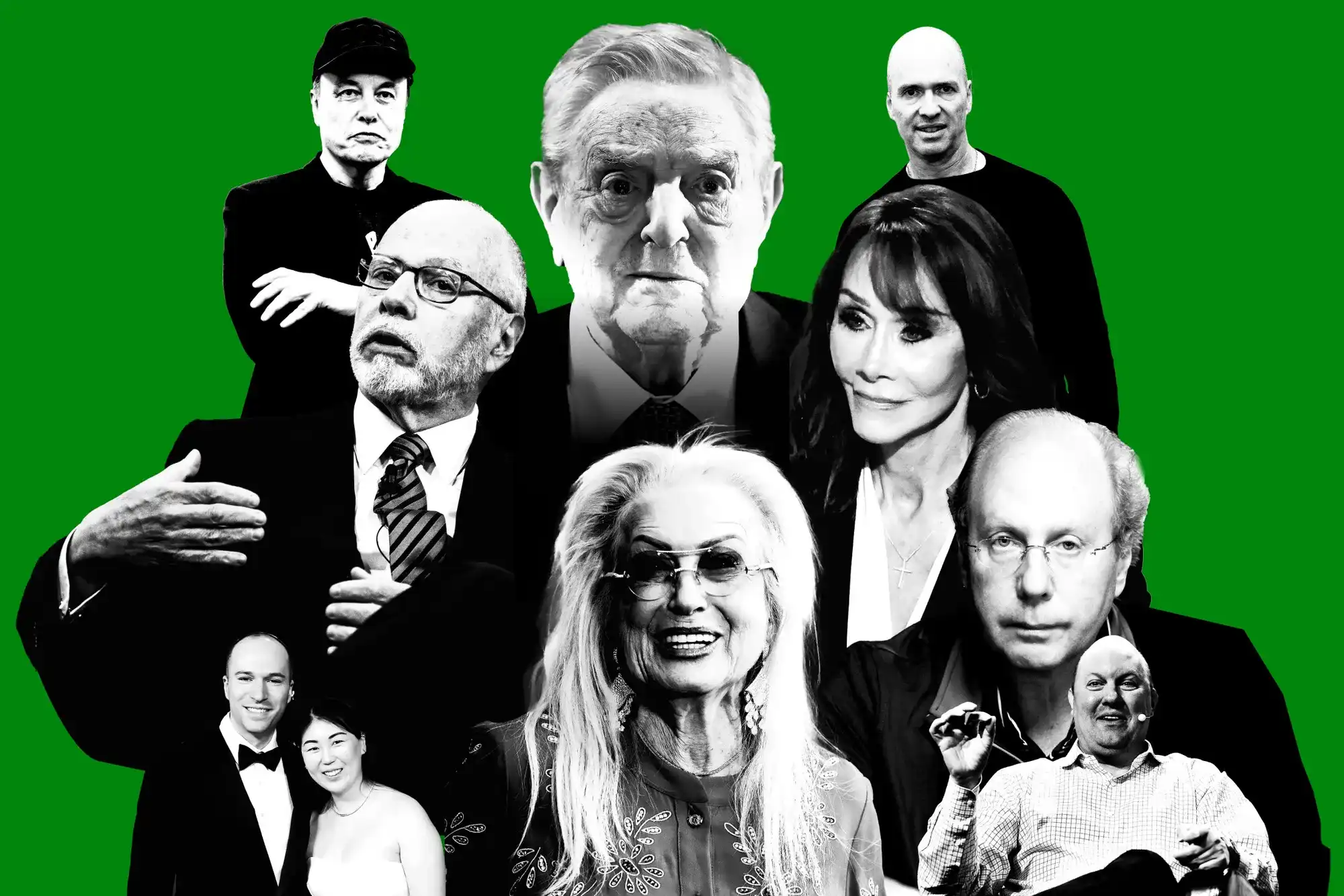
The Billionaires Behind the Most Expensive Midterm Election in History

"The Most Expensive Midterm Elections and Their Billionaire Backers" This analysis details the unprecedented scale of spending in the 2026 midterm elections, highlighting the key billionaire donors shaping the political landscape. Jeff Yass, founder of Susquehanna International Group, has contributed over $81 million, ranking third among individual donors behind George Soros ($102.6M) and Elon Musk ($84.8M). Yass is a major donor to Trump's MAGA Inc. and supports school choice and various candidates. Overall, federal committees have raised over $4.7 billion this cycle, with political ad spending projected to reach $10.8 billion. Republican-aligned groups are significantly out-raising their Democratic counterparts. "Dark money" from undisclosed sources continues to grow. The core stakes involve control of Congress and policy direction for Trump's final term. Donors are also motivated by specific issues: Sergey Brin and Chris Larsen are funding opposition to a proposed California wealth tax and supporting crypto-friendly policies. Other top donors include OpenAI's Greg Brockman and his wife Anna ($50M total to MAGA Inc. and an AI-focused PAC), Richard Uihlein ($45.3M to conservative causes), venture capitalists Marc Andreessen and Ben Horowitz (each over $44M to crypto/AI PACs and MAGA Inc.), Miriam Adelson ($42.6M to GOP leadership PACs), Paul Singer ($33.9M), and Diane Hendricks ($25.8M to MAGA Inc.). The article notes that the peak fundraising period is still ahead, with major primaries approaching.

marsbit05/11 07:19

The Billionaires Behind the Most Expensive Midterm Election in History

marsbit05/11 07:19

Polymarket Is Not an All-Powerful "Truth Machine"

Polymarket, a crypto-based betting platform, is often hailed as a "truth machine" for its ability to aggregate crowd wisdom through financial stakes. While it has demonstrated remarkable accuracy in predicting major events like the 2024 U.S. presidential election—outperforming traditional polls—its overall reliability is highly inconsistent. Analysis using the Brier score reveals that its predictive power excels in high-liquidity domains like politics and economics but falls to near-random or worse in categories like sports, culture, and tech. The platform’s growing influence is concerning as its odds are increasingly cited by major media outlets like The Wall Street Journal and CNN, lending them an air of authority. This visibility creates a feedback loop where the odds themselves can influence the outcomes they are meant to predict—a phenomenon known as endogeneity. Moreover, the market is vulnerable to manipulation by well-resourced "whales" with access to exclusive information, such as private polls or even military intelligence, as seen in cases involving bets on geopolitical events. While useful for short-term, high-stakes events, Polymarket’s predictions are often unreliable for the vast majority of its contracts due to low liquidity and wide bid-ask spreads. The danger lies not in its occasional failures, but in the unchecked trust it receives—risking a future where a handful of traders can shape perceived reality through a platform masquerading as an oracle of truth.

marsbit04/15 11:40

Polymarket Is Not an All-Powerful "Truth Machine"

marsbit04/15 11:40

活动图片