Dalio's Latest Warning: Don't Get Carried Away by AI, Real Returns on US Stocks in the Next 5-10 Years Could Be -5% to -10%

marsbitPublicado a 2026-06-17Actualizado a 2026-06-17

Resumen

Ray Dalio, founder of Bridgewater Associates, warns investors against excessive concentration in AI stocks. He argues the current market, dominated by a few AI giants, mirrors historical patterns where revolutionary new technologies lead to high risk, volatility, and uncertainty. While acknowledging AI's transformative potential, Dalio emphasizes that most investors fail at this stage of the cycle by over-concentrating in a handful of leading companies. He cites inherent risks: companies cannot accurately forecast investment needs or external shocks (e.g., monetary policy, geopolitics, taxes), face potential disruption from future technologies and international competition (notably from China), and experience significant price swings. Dalio's core advice is diversification, calling it his "Holy Grail of Investing." He presents a mathematical case that a well-diversified portfolio of 15-20 uncorrelated, good bets offers a superior risk-adjusted return compared to a concentrated position. Dalio also offers a cautious outlook, suggesting U.S. stocks may deliver real returns of -5% to -10% over the next 5-10 years based on valuation and bubble indicators. He concludes that in the face of high uncertainty, the prudent strategy is not to avoid betting entirely, but to avoid large, concentrated bets where one lacks sufficient informational edge. Instead, investors should build a strategically balanced, diversified portfolio.

Author: Ray Dalio

Compiled by: Deep Tide TechFlow

Guide: Bridgewater founder Ray Dalio posted an investment note on X, doing the math on the current market dominated by a few AI giants. His judgment is tough: high risk is a fact, low returns are an opinion—the real returns on US stocks over the next 5 to 10 years could be in the range of -5% to -10%. He's not telling you not to buy AI; he's advising you not to put all your chips on AI. This is the 'Holy Grail of Investing' he has summarized over more than 50 years, and now he's sharing it publicly with everyone.

Investment Principles: How to Play the Hand You're Dealt

This note is about how to play the game of investing in the current situation.

You can think of it like bridge, poker, backgammon, or chess. It's your turn to move, and there's a computer next to you helping you assess the situation and make suggestions. For me, investing feels like that. Whether you have that computer or not, I think you should ask yourself one question: given how the cards are laid out now, what move should I make (i.e., what are the current market's characteristics and what forces are influencing it).

I've played this game for a long time. At this stage, my goal is to pass on my way of playing and, going a step further, to create a platform where all sorts of people can use it to explore the subject of investing, however they like—to learn, to look back at what they would have done, and to do it well. I believe there are right and wrong ways to play the hand you're dealt. So when you encounter a specific situation, you should ask yourself: 'How should I bet in this situation?' and be able to give a reliable answer.

Below, I want to talk about what the market looks like to me now, and what I think should be done (which is also what I am doing).

How to Play This Round Now

What are the most critical conditions today, and how should you bet on them?

In my view—and probably in everyone's view—we are currently in a market where a very small number of companies, concentrated in a sector with astonishing new technology (mostly AI), are dominating the direction of the entire market. These companies account for a high proportion of market capitalization and have a huge impact on the market and the economy. It's the same every time this happens: the new technology sector is filled with great excitement, uncertainty, and volatility, and these emotions spread to global stock markets. Therefore, the ups and downs and uncertainty of this sector are of great significance.

Beyond that, there are several other equally important major variables, what I call the 'Five Great Forces': 1) what's happening with debt and money, 2) what's happening with political and social issues (which significantly affect taxes and other politically-driven market factors), 3) the impact of geopolitics on markets (like those wars), 4) what's happening in the natural world, and 5) what's happening with new technologies. I feed these conditions into my investment system, and it calculates how to bet on them, while I'm also thinking about what to bet on.

When considering how to bet, the most important question to ask and answer clearly is: Do you want to a) bet more heavily on the new technology than the market index (like the S&P 500) already implies, overweighting this sector or the few companies you think are best; b) maintain a weight roughly similar to the index; or c) diversify away from this concentration?

Almost everyone wants to own the best assets and is desperately trying to do so, and this new technology in front of us seems to be changing almost everything. But history tells us that at this stage of the cycle, putting a high proportion of chips on the few leading companies producing this technology has failed for the vast majority of people. There's logic behind this, and it's played out this way every time in the past. AI is indeed a unique new technology, but there have been many unique new technologies in history that can serve as references. You should look at them. If you choose to ignore them, you need a good reason explaining why this time is different.

The Risk Is Indeed High

The stories of all great new technologies in the past have played out the same way, for the same reasons. High risk combined with great uncertainty is inherent to these new technology companies. Looking back at their performance in similar situations, you'll find that even revolutionary companies that ultimately succeeded in the long run (like Microsoft and Apple) got beaten to a pulp at similar junctures. And in the present moment of a new technology company's emergence (not in hindsight), it's simply not easy to tell who will succeed and who will fail; IBM is an example. Looking at all these cases laid out, you'll understand that high uncertainty about the future is the nature of new technology companies.

For example, they either invest too much or too little. The reason is: not investing enough guarantees failure, but they can't predict the future precisely, so they can't know if they're overinvesting. Both over- and under-investing come at a cost.

They also can't accurately foresee all the changes that will affect them, including exogenous ones—monetary tightening, war, dramatic tax changes. So they all go through huge ups and downs, first exciting investors, then terrifying the faint of heart and washing them out, thereby amplifying market volatility. Digging a layer deeper: these new technologies and companies, which disrupted their predecessors, will ultimately be disrupted by newer technologies and companies themselves, in ways that are unthinkable now. We have to consider whether the same thing could happen to today's companies. The impact of quantum computing is one of the 'known knowns'. What about those not yet imagined?

What about the risk from competitors? For example, China is producing and distributing AI technology, and Chinese policymakers have a completely different view of the economy and AI. We are in a new technology war, and leaders of each country believe they must win. From China's perspective, because AI has huge productivity dividends and can raise the overall standard of living, it should be provided free or at low cost to the public. In their view, profit is less important; the overall benefits from many people using these new technologies are what matter. I expect them to compete in the international market just as they have with products like cars, solar panels, and batteries.

The current situation resembles many historical moments that can give us lessons. I can't help but think of the late Dutch Empire and the early British Empire, the period when Britain surpassed the Netherlands in shipbuilding and other important industries. Also, geopolitical conflict surrounding Taiwan, which should at least make us consider the possibility: could China use 'preventing chips from leaving Taiwan' as a tool in geopolitical competition? AI stocks face other risks, such as the risk of wealth taxes and other taxes rising—which could force people who have a lot of wealth tied up in these stocks to sell; or rising anti-AI sentiment, which could impose restrictions on companies' expansion.

I could list a bunch of other things to worry about, and I could also list an equally long list of great AI opportunities I'd like to bet on. I'm not saying how these risks will turn out, nor am I saying you shouldn't buy AI companies. I'm just saying that there is a large amount of concentrated risk in the market—that's indisputable—and you should know how to play in such a situation. Based on my research of all similar cases, and out of logic, I am confident that the risk is high, and the best way to play this situation is:

Diversification Is Good

You probably know my mantra is diversification. My 'Holy Grail of Investing' is to try to hold 15 good, uncorrelated, risk-balanced positions. To put it another way:

"A well-diversified portfolio of good bets will outperform a concentrated bet (it has a higher return-to-risk ratio and can be engineered to produce better returns at the same level of risk). The more risk is concentrated in one part of the market, the more you should diversify, especially when the market is driven by a revolutionary new technology that inherently brings great uncertainty."

This is not an opinion; it's a mathematical certainty. For example, assume a bet has a return-to-risk ratio of 0.3 (e.g., 6% return with 18% standard deviation, which is typically considered the level for stocks), and compare holding 5, 10, 15 uncorrelated bets: I can achieve the same 6% return, but the risk measured by standard deviation drops to 8%, 6%, and 5%, respectively. That is, 15 good uncorrelated investments can improve my return-to-risk ratio by 4.3 times (from 0.3 to 1.29). You can also add leverage if you wish, achieving much higher returns at the same level of risk. This is a fact.

My confidence comes from backtesting, from the real returns I've delivered over more than 50 years of investing, and from the largely solid logic: a well-diversified set of bets, adjusted to one's desired level of volatility, will produce much better returns over time than the concentrated bets most investors prefer. To be more specific, good diversification can give you a better risk-return ratio than any concentrated bet; adjusting it to your desired risk level allows you to achieve higher returns at that risk level than with any other approach.

Because I've made this method public, it has now become my 'no longer so secret' recipe for success. But I rarely encounter people who think about investment strategy this way—that is, few people think about portfolio construction, about how a well-structured, well-diversified portfolio of bets would perform compared to a concentrated position in a few stocks in a great transformative industry. Most people only think about whether these stocks, this industry, will go up, and how to bet. The performance gap between those who think about portfolio construction and those who don't is huge. I'll have a chance to explain this more fully later.

Based on all of the above, in my view, pondering how to play the current hand should lead one to ask oneself: How large should my concentrated positions be? And then, diversify.

Returns Appear Low

High risk is an indisputable fact. Next, I'll give you an opinion that could be wrong: expected returns are low. This judgment comes from my analysis of valuations and the readings of my bubble indicators—over the next 5 to 10 years, the real returns on stocks look to be about -5% to -10%, though there is considerable uncertainty around these numbers. In my view, these stocks are very long-duration assets with significant risk because it's difficult to reliably see the distant future, and they appear both expensive and in shaky hands.

A Question from My Research Team

At a recent meeting, someone on the team asked me: Why do you think the market's current configuration is wrong? How do you know that the lack of diversification in the market today isn't for good reasons—for example, some investors believe the expected returns on AI stocks are very high; for example, when an industry accounts for such a high proportion of market capitalization, such concentration in an index is natural; or, when there is extreme enthusiasm for an industry, many investors buy these stocks without doing the smart, reliable math to figure out what future earnings will be and how those earnings should be priced?

My Answer

Prices rise for all sorts of reasons, not all of them good. Some investors watch prices and push them up because they think prices are attractive relative to fundamentals; some hold these stocks because they are convinced it's a great new technology and take rising prices as confirmation that 'these are good stocks'; and other investors hold index exposure, passively placing heavy weight on these stocks. In my opinion, you can agonize over these issues, trying to figure out what to do; or you can admit that you don't need to agonize at all because you simply don't have enough information to bet confidently. You can perfectly well say, 'I don't know enough, I won't take this bet.' And then actually not bet.

What gets people into trouble is the thought that 'I must have an opinion, and my opinion is worth something,' when the reality is more likely that you simply can't form a view reliable enough to bet on. (Note: To be clear, I'm not recommending not betting—you can't avoid betting anyway because you always have to put your money into some investment, or into cash, and most people think cash has the lowest risk, when it's actually the worst long-term investment. I recommend understanding how to diversify bets well, even if you have no tactical view on which markets are good or bad. The approach is: when you have no confident tactical judgments, hold a balanced, strategic asset allocation portfolio. But that's a topic for later.)

So I believe that knowing what you don't know, and thus deciding when not to bet, is as important as knowing what you do know and betting accordingly.

To put it more simply, I believe in this principle: since it's usually difficult to have enough information to justify concentrated bets, the best approach is to form a diversified portfolio consisting only of your most confident, uncorrelated bets, and then engineer that portfolio to your desired risk level. That's my 'Holy Grail of Investing.'

Right now, facing the current hand, I don't think anyone can know clearly enough what will happen next in this technology-driven market to make a large, concentrated bet. In my view, avoiding concentration and staying diversified is the best way to deal with this 'not knowing.' I know this contradicts the theories you read in textbooks—textbooks basically say markets are efficient, so you should 'just believe in the market.'

To summarize: We currently have an unusually concentrated market centered around a revolutionary new technology, which should precisely remind us not to confuse excitement about the new technology with the attractiveness of new technology stocks, and then throw caution to the wind to hold a bunch of high-risk, highly correlated concentrated bets—especially when we could achieve similarly attractive returns at much lower risk through smart diversification.

P.S. I won't share my holdings or tactical judgments with you, because I don't want to be your investment advisor. But I will soon share some key perspectives behind these judgments, including the readings and logic behind my bubble indicators.


Criptos en tendencia

Preguntas relacionadas

QWhat is Ray Dalio's key warning about investing in the current AI-dominated US stock market?

AHe warns investors not to be carried away by the hype. He argues that future 5-10 year real returns for US stocks could potentially be negative, in the range of -5% to -10%, and advocates for diversification over concentrated bets on AI stocks.

QAccording to Dalio, what is the 'Investment Holy Grail' he has developed over 50+ years?

AHis 'Investment Holy Grail' is to seek a well-diversified portfolio of about 15 or more good, uncorrelated bets, which can be engineered to achieve a significantly better return-to-risk ratio compared to any concentrated bet, especially in a high-risk environment.

QWhat are the main risks Dalio identifies for AI and technology stocks in the current market?

AThe main risks include: inherent high uncertainty and volatility of revolutionary new tech companies; geopolitical risks (e.g., competition from China, potential Taiwan conflict affecting chip supply); risks from changing policies (e.g., wealth taxes, anti-AI sentiment); and the historical pattern where most new tech leaders get disrupted or experience severe downturns.

QHow does Dalio respond to the argument that the market's current concentrated allocation to AI might be justified?

AHe disagrees, stating that price increases can happen for various reasons, not all good. He argues that many investors lack sufficient information to form a confident, justifiable view for a concentrated bet. Therefore, the best approach is to admit what you don't know and diversify, rather than feeling pressured to have an opinion.

QWhat is Dalio's core advice for investors facing the current 'hand' of the market?

AHis core advice is to prioritize diversification. He believes it is mathematically superior to hold a portfolio of uncorrelated good bets. Given the high concentration and uncertainty driven by revolutionary AI technology, avoiding concentrated positions and maintaining a well-diversified portfolio is the best strategy to manage the 'not knowing'.

Lecturas Relacionadas

¿Por qué está todo el mundo nervioso por la subida de tipos de Japón?

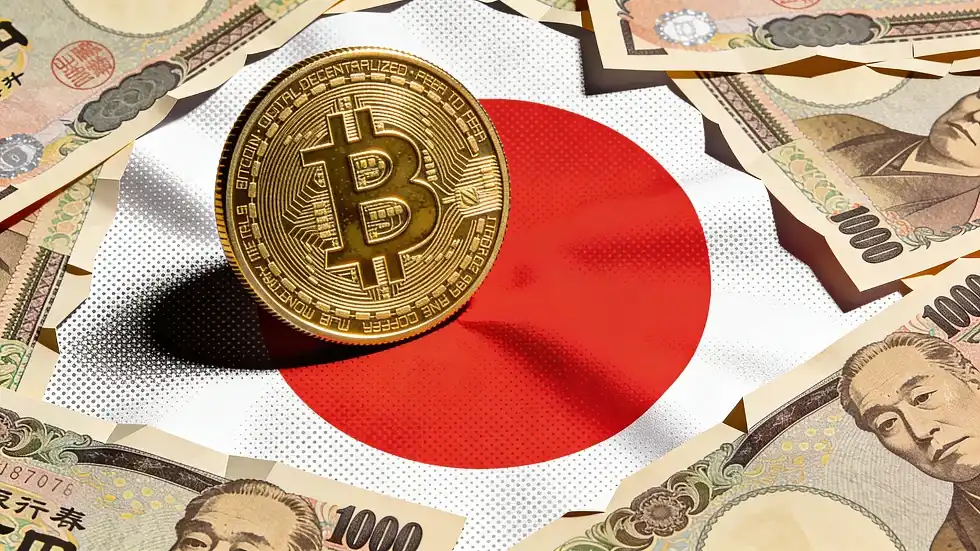
En junio de 2026, el Banco de Japón elevó los tipos de interés al 1%, su primer aumento significativo desde 1995. Aunque esta cifra sigue siendo baja comparada con Estados Unidos o Europa, marca un cambio de rumbo crucial para la economía global. Japón, tras casi tres décadas de tipos cero o negativos, había actuado como el principal centro de financiación barata del mundo. A través del conocido "carry trade del yen", los inversores internacionales tomaban préstamos en yenes de bajo coste para invertir en activos de mayor rendimiento en todo el mundo, impulsando así mercados bursátiles, bonos y bienes inmuebles a nivel global. La decisión del banco central japonés responde a un cambio estructural interno: una inflación sostenida por encima del objetivo del 2%, un crecimiento salarial notable tras décadas de estancamiento, y la presión del yen débil. Sin embargo, la preocupación global no se centra en el nivel del 1%, sino en la tendencia. Si Japón abandona permanentemente su política de dinero ultrabarato, podría desencadenar un proceso de desapalancamiento a escala mundial. Los inversores que dependían de financiación barata en yenes podrían verse forzados a revaluar sus estrategias y reducir riesgo, lo que contraería la liquidez global y afectaría a la valoración de los activos de riesgo. No obstante, la dirección final de los flujos de capital la marcará principalmente la política de la Reserva Federal de EE.UU. Mientras persista un amplio diferencial de tipos entre EE.UU. y Japón, el atractivo del dólar seguirá siendo fuerte. El verdadero punto de inflexión se produciría si la Fed inicia un ciclo de recortes mientras Japón sigue subiendo los tipos. En definitiva, el movimiento del Banco de Japón simboliza el posible fin de una era de financiación ilimitada y barata, lo que obligaría a los mercados globales a redefinir sus lógicas de inversión y riesgo.

marsbitHace 7 hora(s)

¿Por qué está todo el mundo nervioso por la subida de tipos de Japón?

marsbitHace 7 hora(s)

El Congreso Aplaza la Prohibición de la CBDC hasta 2030 mediante una Importante Ley de Reforma de Vivienda

Los legisladores han aprobado un proyecto de ley de reforma de vivienda, la "Ley del Camino a la Vivienda del Siglo XXI", que incluye una prohibición temporal hasta el 31 de diciembre de 2030 para que la Reserva Federal emita un dólar digital (CBDC). La medida, integrada en esta legislación bipartidista más amplia, define el CBDC como un activo digital denominado en dólares y accesible para todos los estadounidenses. Sus defensores argumentan que esta pausa permite más tiempo para evaluar los impactos potenciales, reflejando preocupaciones sobre privacidad, vigilancia financiera y el papel del gobierno en los pagos digitales. La prohibición se aplicaría a cualquier CBDC minorista, ya sea emitida directamente por la Fed o a través de intermediarios, aunque se contemplan excepciones para dólares digitales privados que mantengan un nivel de privacidad comparable al efectivo físico. Aunque el foco del proyecto de ley son las reformas para mejorar la vivienda asequible y la oferta, la cláusula sobre el CBDC ha captado una atención significativa en la comunidad cripto, ya que podría influir en el futuro de los pagos digitales y en el debate sobre el lugar de los activos digitales en el sistema financiero del país. El desarrollo del proceso legislativo determinará si la prohibición entra en vigor durante la próxima década.

TheNewsCryptoHace 7 hora(s)

El Congreso Aplaza la Prohibición de la CBDC hasta 2030 mediante una Importante Ley de Reforma de Vivienda

TheNewsCryptoHace 7 hora(s)

Trading

Spot
Futuros

Artículos destacados

Qué es $S$

Entendiendo SPERO: Una Visión General Completa Introducción a SPERO A medida que el panorama de la innovación sigue evolucionando, la aparición de tecnologías web3 y proyectos de criptomonedas juega un papel fundamental en la configuración del futuro digital. Un proyecto que ha llamado la atención en este campo dinámico es SPERO, denotado como SPERO,$$s$. Este artículo tiene como objetivo recopilar y presentar información detallada sobre SPERO, para ayudar a entusiastas e inversores a comprender sus fundamentos, objetivos e innovaciones dentro de los dominios web3 y cripto. ¿Qué es SPERO,$$s$? SPERO,$$s$ es un proyecto único dentro del espacio cripto que busca aprovechar los principios de descentralización y tecnología blockchain para crear un ecosistema que promueva la participación, la utilidad y la inclusión financiera. El proyecto está diseñado para facilitar interacciones entre pares de nuevas maneras, proporcionando a los usuarios soluciones y servicios financieros innovadores. En su esencia, SPERO,$$s$ tiene como objetivo empoderar a los individuos al proporcionar herramientas y plataformas que mejoren la experiencia del usuario en el espacio de las criptomonedas. Esto incluye habilitar métodos de transacción más flexibles, fomentar iniciativas impulsadas por la comunidad y crear caminos para oportunidades financieras a través de aplicaciones descentralizadas (dApps). La visión subyacente de SPERO,$$s$ gira en torno a la inclusividad, buscando cerrar brechas dentro de las finanzas tradicionales mientras aprovecha los beneficios de la tecnología blockchain. ¿Quién es el Creador de SPERO,$$s$? La identidad del creador de SPERO,$$s$ sigue siendo algo oscura, ya que hay recursos públicos limitados que proporcionan información de fondo detallada sobre su(s) fundador(es). Esta falta de transparencia puede derivarse del compromiso del proyecto con la descentralización, una ética que muchos proyectos web3 comparten, priorizando las contribuciones colectivas sobre el reconocimiento individual. Al centrar las discusiones en torno a la comunidad y sus objetivos colectivos, SPERO,$$s$ encarna la esencia del empoderamiento sin señalar a individuos específicos. Como tal, entender la ética y la misión de SPERO es más importante que identificar a un creador singular. ¿Quiénes son los Inversores de SPERO,$$s$? SPERO,$$s$ cuenta con el apoyo de una diversa gama de inversores que van desde capitalistas de riesgo hasta inversores ángeles dedicados a fomentar la innovación en el sector cripto. El enfoque de estos inversores generalmente se alinea con la misión de SPERO, priorizando proyectos que prometen avances tecnológicos sociales, inclusividad financiera y gobernanza descentralizada. Estas fundaciones de inversores suelen estar interesadas en proyectos que no solo ofrecen productos innovadores, sino que también contribuyen positivamente a la comunidad blockchain y sus ecosistemas. El respaldo de estos inversores refuerza a SPERO,$$s$ como un contendiente notable en el rápidamente evolutivo dominio de los proyectos cripto. ¿Cómo Funciona SPERO,$$s$? SPERO,$$s$ emplea un marco multifacético que lo distingue de los proyectos de criptomonedas convencionales. Aquí hay algunas de las características clave que subrayan su singularidad e innovación: Gobernanza Descentralizada: SPERO,$$s$ integra modelos de gobernanza descentralizada, empoderando a los usuarios para participar activamente en los procesos de toma de decisiones sobre el futuro del proyecto. Este enfoque fomenta un sentido de propiedad y responsabilidad entre los miembros de la comunidad. Utilidad del Token: SPERO,$$s$ utiliza su propio token de criptomoneda, diseñado para servir a diversas funciones dentro del ecosistema. Estos tokens permiten transacciones, recompensas y la facilitación de servicios ofrecidos en la plataforma, mejorando la participación y utilidad general. Arquitectura en Capas: La arquitectura técnica de SPERO,$$s$ soporta la modularidad y escalabilidad, permitiendo la integración fluida de características y aplicaciones adicionales a medida que el proyecto evoluciona. Esta adaptabilidad es fundamental para mantener la relevancia en el siempre cambiante paisaje cripto. Participación de la Comunidad: El proyecto enfatiza iniciativas impulsadas por la comunidad, empleando mecanismos que incentivan la colaboración y la retroalimentación. Al nutrir una comunidad sólida, SPERO,$$s$ puede abordar mejor las necesidades de los usuarios y adaptarse a las tendencias del mercado. Enfoque en la Inclusión: Al ofrecer tarifas de transacción bajas y interfaces amigables para el usuario, SPERO,$$s$ busca atraer a una base de usuarios diversa, incluyendo a individuos que anteriormente pueden no haber participado en el espacio cripto. Este compromiso con la inclusión se alinea con su misión general de empoderamiento a través de la accesibilidad. Cronología de SPERO,$$s$ Entender la historia de un proyecto proporciona información crucial sobre su trayectoria de desarrollo y hitos. A continuación, se presenta una cronología sugerida que mapea eventos significativos en la evolución de SPERO,$$s$: Fase de Conceptualización e Ideación: Las ideas iniciales que forman la base de SPERO,$$s$ fueron concebidas, alineándose estrechamente con los principios de descentralización y enfoque comunitario dentro de la industria blockchain. Lanzamiento del Whitepaper del Proyecto: Tras la fase conceptual, se publicó un whitepaper completo que detalla la visión, objetivos e infraestructura tecnológica de SPERO,$$s$ para generar interés y retroalimentación de la comunidad. Construcción de Comunidad y Primeras Interacciones: Se realizaron esfuerzos de divulgación activa para construir una comunidad de primeros adoptantes e inversores potenciales, facilitando discusiones en torno a los objetivos del proyecto y obteniendo apoyo. Evento de Generación de Tokens: SPERO,$$s$ llevó a cabo un evento de generación de tokens (TGE) para distribuir sus tokens nativos a los primeros seguidores y establecer liquidez inicial dentro del ecosistema. Lanzamiento de la dApp Inicial: La primera aplicación descentralizada (dApp) asociada con SPERO,$$s$ se puso en marcha, permitiendo a los usuarios interactuar con las funcionalidades centrales de la plataforma. Desarrollo Continuo y Alianzas: Actualizaciones y mejoras continuas en las ofertas del proyecto, incluyendo alianzas estratégicas con otros actores en el espacio blockchain, han moldeado a SPERO,$$s$ en un jugador competitivo y en evolución en el mercado cripto. Conclusión SPERO,$$s$ se erige como un testimonio del potencial de web3 y las criptomonedas para revolucionar los sistemas financieros y empoderar a los individuos. Con un compromiso con la gobernanza descentralizada, la participación comunitaria y funcionalidades diseñadas de manera innovadora, allana el camino hacia un paisaje financiero más inclusivo. Como con cualquier inversión en el rápidamente evolutivo espacio cripto, se anima a los potenciales inversores y usuarios a investigar a fondo y participar de manera reflexiva con los desarrollos en curso dentro de SPERO,$$s$. El proyecto muestra el espíritu innovador de la industria cripto, invitando a una exploración más profunda de sus innumerables posibilidades. Aunque el viaje de SPERO,$$s$ aún se está desarrollando, sus principios fundamentales pueden, de hecho, influir en el futuro de cómo interactuamos con la tecnología, las finanzas y entre nosotros en ecosistemas digitales interconectados.

79 Vistas totalesPublicado en 2024.12.17Actualizado en 2024.12.17

Qué es $S$

Qué es AGENT S

Agent S: El Futuro de la Interacción Autónoma en Web3 Introducción En el paisaje en constante evolución de Web3 y las criptomonedas, las innovaciones están redefiniendo continuamente cómo los individuos interactúan con las plataformas digitales. Uno de estos proyectos pioneros, Agent S, promete revolucionar la interacción humano-computadora a través de su marco agente abierto. Al allanar el camino para interacciones autónomas, Agent S tiene como objetivo simplificar tareas complejas, ofreciendo aplicaciones transformadoras en inteligencia artificial (IA). Esta exploración detallada se adentrará en las complejidades del proyecto, sus características únicas y las implicaciones para el dominio de las criptomonedas. ¿Qué es Agent S? Agent S se presenta como un marco agente abierto revolucionario, diseñado específicamente para abordar tres desafíos fundamentales en la automatización de tareas informáticas: Adquisición de Conocimiento Específico del Dominio: El marco aprende de manera inteligente a partir de diversas fuentes de conocimiento externas y experiencias internas. Este enfoque dual le permite construir un rico repositorio de conocimiento específico del dominio, mejorando su rendimiento en la ejecución de tareas. Planificación a Largo Plazo de Tareas: Agent S emplea planificación jerárquica aumentada por la experiencia, un enfoque estratégico que facilita la descomposición y ejecución eficiente de tareas intrincadas. Esta característica mejora significativamente su capacidad para gestionar múltiples subtareas de manera eficiente y efectiva. Manejo de Interfaces Dinámicas y No Uniformes: El proyecto introduce la Interfaz Agente-Computadora (ACI), una solución innovadora que mejora la interacción entre agentes y usuarios. Utilizando Modelos de Lenguaje Multimodal Grandes (MLLMs), Agent S puede navegar y manipular diversas interfaces gráficas de usuario sin problemas. A través de estas características pioneras, Agent S proporciona un marco robusto que aborda las complejidades involucradas en la automatización de la interacción humana con las máquinas, preparando el terreno para innumerables aplicaciones en IA y más allá. ¿Quién es el Creador de Agent S? Aunque el concepto de Agent S es fundamentalmente innovador, la información específica sobre su creador sigue siendo elusiva. El creador es actualmente desconocido, lo que resalta ya sea la etapa incipiente del proyecto o la elección estratégica de mantener a los miembros fundadores en el anonimato. Independientemente de la anonimidad, el enfoque sigue siendo las capacidades y el potencial del marco. ¿Quiénes son los Inversores de Agent S? Dado que Agent S es relativamente nuevo en el ecosistema criptográfico, la información detallada sobre sus inversores y patrocinadores financieros no está documentada explícitamente. La falta de información disponible públicamente sobre las bases de inversión u organizaciones que apoyan el proyecto plantea preguntas sobre su estructura de financiamiento y hoja de ruta de desarrollo. Comprender el respaldo es crucial para evaluar la sostenibilidad del proyecto y su posible impacto en el mercado. ¿Cómo Funciona Agent S? En el núcleo de Agent S se encuentra tecnología de vanguardia que le permite funcionar de manera efectiva en diversos entornos. Su modelo operativo se basa en varias características clave: Interacción Humano-Computadora: El marco ofrece planificación avanzada de IA, esforzándose por hacer que las interacciones con las computadoras sean más intuitivas. Al imitar el comportamiento humano en la ejecución de tareas, promete elevar las experiencias de los usuarios. Memoria Narrativa: Empleada para aprovechar experiencias de alto nivel, Agent S utiliza memoria narrativa para hacer un seguimiento de las historias de tareas, mejorando así sus procesos de toma de decisiones. Memoria Episódica: Esta característica proporciona a los usuarios orientación paso a paso, permitiendo que el marco ofrezca apoyo contextual a medida que se desarrollan las tareas. Soporte para OpenACI: Con la capacidad de funcionar localmente, Agent S permite a los usuarios mantener el control sobre sus interacciones y flujos de trabajo, alineándose con la ética descentralizada de Web3. Fácil Integración con APIs Externas: Su versatilidad y compatibilidad con diversas plataformas de IA aseguran que Agent S pueda integrarse sin problemas en ecosistemas tecnológicos existentes, convirtiéndolo en una opción atractiva para desarrolladores y organizaciones. Estas funcionalidades contribuyen colectivamente a la posición única de Agent S dentro del espacio cripto, ya que automatiza tareas complejas y de múltiples pasos con una intervención humana mínima. A medida que el proyecto evoluciona, sus aplicaciones potenciales en Web3 podrían redefinir cómo se desarrollan las interacciones digitales. Cronología de Agent S El desarrollo y los hitos de Agent S pueden encapsularse en una cronología que destaca sus eventos significativos: 27 de septiembre de 2024: Se lanzó el concepto de Agent S en un documento de investigación integral titulado “Un Marco Agente Abierto que Utiliza Computadoras como un Humano”, mostrando las bases del proyecto. 10 de octubre de 2024: El documento de investigación se hizo disponible públicamente en arXiv, ofreciendo una exploración en profundidad del marco y su evaluación de rendimiento basada en el benchmark OSWorld. 12 de octubre de 2024: Se publicó una presentación en video, proporcionando una visión visual de las capacidades y características de Agent S, involucrando aún más a posibles usuarios e inversores. Estos hitos en la cronología no solo ilustran el progreso de Agent S, sino que también indican su compromiso con la transparencia y el compromiso comunitario. Puntos Clave Sobre Agent S A medida que el marco Agent S continúa evolucionando, varios atributos clave destacan, subrayando su naturaleza innovadora y potencial: Marco Innovador: Diseñado para proporcionar un uso intuitivo de las computadoras similar a la interacción humana, Agent S aporta un enfoque novedoso a la automatización de tareas. Interacción Autónoma: La capacidad de interactuar de manera autónoma con las computadoras a través de GUI significa un avance hacia soluciones informáticas más inteligentes y eficientes. Automatización de Tareas Complejas: Con su metodología robusta, puede automatizar tareas complejas y de múltiples pasos, haciendo que los procesos sean más rápidos y menos propensos a errores. Mejora Continua: Los mecanismos de aprendizaje permiten a Agent S mejorar a partir de experiencias pasadas, mejorando continuamente su rendimiento y eficacia. Versatilidad: Su adaptabilidad en diferentes entornos operativos como OSWorld y WindowsAgentArena asegura que pueda servir a una amplia gama de aplicaciones. A medida que Agent S se posiciona en el paisaje de Web3 y criptomonedas, su potencial para mejorar las capacidades de interacción y automatizar procesos significa un avance significativo en las tecnologías de IA. A través de su marco innovador, Agent S ejemplifica el futuro de las interacciones digitales, prometiendo una experiencia más fluida y eficiente para los usuarios en diversas industrias. Conclusión Agent S representa un audaz avance en la unión de la IA y Web3, con la capacidad de redefinir cómo interactuamos con la tecnología. Aunque aún se encuentra en sus primeras etapas, las posibilidades para su aplicación son vastas y atractivas. A través de su marco integral que aborda desafíos críticos, Agent S tiene como objetivo llevar las interacciones autónomas al primer plano de la experiencia digital. A medida que nos adentramos más en los reinos de las criptomonedas y la descentralización, proyectos como Agent S sin duda desempeñarán un papel crucial en la configuración del futuro de la tecnología y la colaboración humano-computadora.

865 Vistas totalesPublicado en 2025.01.14Actualizado en 2025.01.14

Qué es AGENT S

Cómo comprar S

¡Bienvenido a HTX.com! Hemos hecho que comprar Sonic (S) sea simple y conveniente. Sigue nuestra guía paso a paso para iniciar tu viaje de criptos.Paso 1: crea tu cuenta HTXUtiliza tu correo electrónico o número de teléfono para registrarte y obtener una cuenta gratuita en HTX. Experimenta un proceso de registro sin complicaciones y desbloquea todas las funciones.Obtener mi cuentaPaso 2: ve a Comprar cripto y elige tu método de pagoTarjeta de crédito/débito: usa tu Visa o Mastercard para comprar Sonic (S) al instante.Saldo: utiliza fondos del saldo de tu cuenta HTX para tradear sin problemas.Terceros: hemos agregado métodos de pago populares como Google Pay y Apple Pay para mejorar la comodidad.P2P: tradear directamente con otros usuarios en HTX.Over-the-Counter (OTC): ofrecemos servicios personalizados y tipos de cambio competitivos para los traders.Paso 3: guarda tu Sonic (S)Después de comprar tu Sonic (S), guárdalo en tu cuenta HTX. Alternativamente, puedes enviarlo a otro lugar mediante transferencia blockchain o utilizarlo para tradear otras criptomonedas.Paso 4: tradear Sonic (S)Tradear fácilmente con Sonic (S) en HTX's mercado spot. Simplemente accede a tu cuenta, selecciona tu par de trading, ejecuta tus trades y monitorea en tiempo real. Ofrecemos una experiencia fácil de usar tanto para principiantes como para traders experimentados.

1.5k Vistas totalesPublicado en 2025.01.15Actualizado en 2026.06.02

Cómo comprar S

Discusiones

Bienvenido a la comunidad de HTX. Aquí puedes mantenerte informado sobre los últimos desarrollos de la plataforma y acceder a análisis profesionales del mercado. A continuación se presentan las opiniones de los usuarios sobre el precio de S (S).

活动图片