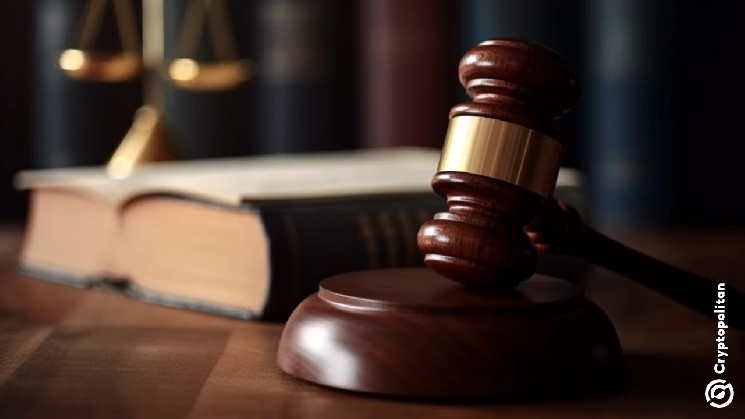
California Governor Gavin Newsom signed Senate Bill No. 822, making it the first U.S. state to protect unclaimed crypto from being automatically sold off. The new law ensures that digital assets stay in their original form instead of being converted to cash when they move into state custody.
The bill created by Senator Josh Becker and Assembly Member Valencia updates California’s unclaimed property rules to cover digital assets. It officially classifies these assets as intangible property and explains how they should be managed. The law also notes that a user’s address doesn’t need to be fully detailed; it just needs to show which state they’re from.
The bill also makes it mandatory for exchanges and custodians to alert users before unclaimed crypto gets handed to the state. They must send a notice six to twelve months in advance, clearly warning that the assets could be claimed by the state. If users confirm their address, the timer resets, giving them extra time to recover their crypto. Exchanges then have 60 days to secure the keys needed to move the assets safely.
The landmark decision from the California government comes just days after a brutal market crash of October 10, which wiped out over $19 billion from the crypto industry.
Industry response and broader policy push
Joe Ciccolo, Executive Director of the California Blockchain Advocacy Coalition, praised the law. “Earlier versions of the bill would have required exchanges, custodians, and wallet providers to forcibly liquidate customers’ digital financial assets,” he said. Ciccolo added that such liquidation “would have created taxable events for consumers without their consent.”
Besides the crypto legislation, Governor Newsom also emphasized accountability in AI development. He urged lawmakers to ensure those creating or using AI face responsibility for harm caused by the technology. Additionally, California passed new tech safety bills addressing deepfake content, social media risks, and cybersecurity coordination.
California’s decision sets a new standard for how states handle crypto. It shows that digital assets deserve the same care and protection as real money, helping build trust among users and preparing the state for a more digital future.
Also Read: Ukraine Users Ask Uniswap to Lift Geo-Blocking Restrictions