According to multiple reports, MoneyGram is rolling out a new mobile app in Colombia that lets users receive, hold and move money using USD-backed stablecoins, specifically USDC.
The service is being positioned as a hybrid: a stored-value USD balance that can be funded, received and cashed out through MoneyGram’s existing network. The launch is set to start in Colombia before a wider regional rollout.
Stablecoins Meet Money Transfer Agents
MoneyGram will use the Stellar blockchain for settlement and has partnered with Crossmint for wallet infrastructure.
Users will not be required to handle private keys or pay gas fees directly; the blockchain work is hidden behind the app.
Reports say MoneyGram already counts more than 6,000 retail locations in Colombia, giving users clear places to convert between USDC and Colombian pesos.
Say hello to a new way to receive money 💸📲
Introducing the next-generation MoneyGram® app:
🔔 Instantly receive international transfers with real-time notifications
💲 Choose to convert funds into digital dollars for stability, or withdraw cash at a MoneyGram location
🔒… pic.twitter.com/E0CIn5QTup— MoneyGram (@MoneyGram) September 17, 2025
Why Some People Might Use It
The Colombian peso has lost over 40% of its value in recent years, and that erosion of buying power is a major reason people are interested in holding value in a USD-pegged unit.
The app promises near-instant receipt of funds in the USDC balance, which could cut down on delays tied to conventional remittances.
Cash-outs to pesos will be possible at MoneyGram agents, and the company is planning card features that would let users spend in USD outside the country.
As of today, the market cap of cryptocurrencies stood at $3.41 trillion. Chart: TradingView
Regulatory Questions Remain
Reports have disclosed that regulators, KYC and AML rules will shape how the product is rolled out and used.
The legal framework for stablecoins in Colombia is still evolving, and how protections apply to stored USDC balances is not fully spelled out in public documents. That could affect limits on transfers, reporting rules and fees.
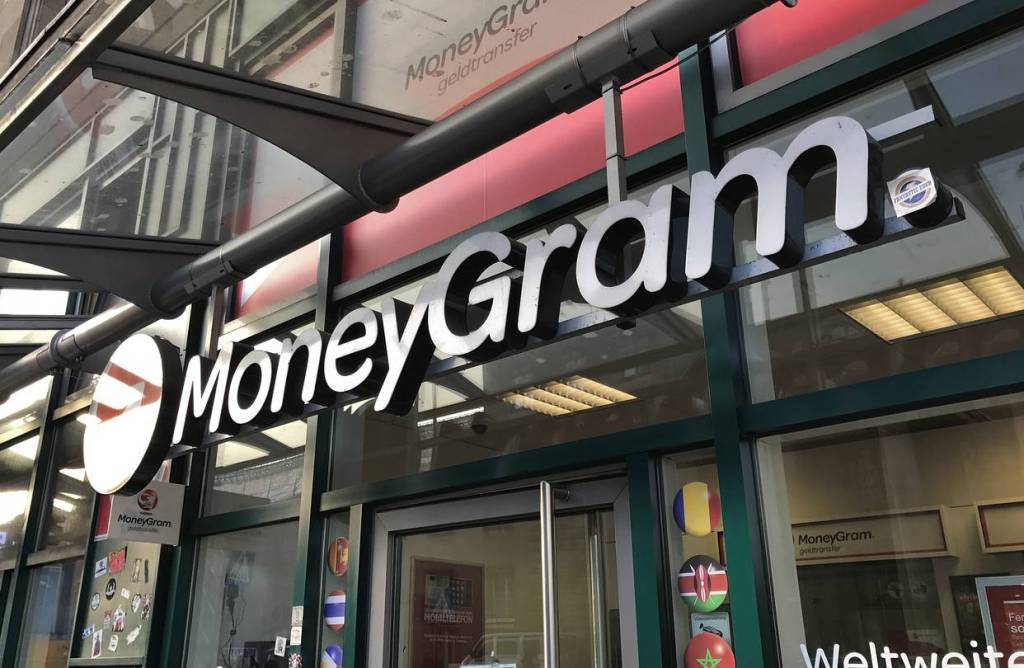
Image: European Pressphoto Agency
What Users Should Watch For
Fees for converting between USDC and pesos, agent commissions, and any withdrawal costs were not fully detailed in the initial announcements.
Liquidity and the maintenance of the USDC peg are other factors users should keep in mind. While stablecoins aim to track the US dollar, risks around backing, liquidity and market pressure can affect that peg.
MoneyGram is launching basic functions first and has said that debit card spending in USD and incentive programs for deposits are planned but not available at day one.
The firm describes the app as a way to give people more choice about how they hold and move money, without requiring deep crypto knowledge.
Featured image from PlanetofHotels.com, chart from TradingView

Related Posts