Dogecoin Price Crash Below $0.19 May Be Imminent If This Happens

bitcoinistPublicado a 2025-09-03Actualizado a 2025-09-03

Resumen

Unlike larger-cap cryptocurrencies such as Bitcoin and Ethereum, the Dogecoin price remains low and is still a long way from...

Trusted Editorial content, reviewed by leading industry experts and seasoned editors. Ad Disclosure

Unlike larger-cap cryptocurrencies such as Bitcoin and Ethereum, the Dogecoin price remains low and is still a long way from its all-time high that was reached back in 2021. Now, especially with the crypto market seeing intense selling pressure all around, the Dogecoin price is still at risk of a massive decline, and this decline could trigger the next wave of losses. A 10% loss from here will already break the support at $0.2, and a crypto analyst has predicted more downside.

Why Dogecoin Price Is At Risk Of Decline

Crypto analyst MadWhale presented an analysis of the Dogecoin price chart that shows a possible price decline from here. This is attributed to both broader development on the Dogecoin network, as well as technical analysis that continues to point toward heightened weakness on the chart.

The first of these is that Dogecoin could be seeing a cut in its issuance. The DOGE supply is unlimited, meaning that the possibilities for inflation are endless. However, if there is a cut in issuance, i.e, how much miners are paid for confirming transactions on the blockchain, then the DOGE inflation rate could be greatly reduced. This would mean less supply to the demand.

But in this case, the crypto analyst does see it as a signal that would cause investors to exist. A reason for this could be that as miner rewards reduce, then exits from the miners to other, more profitable blockchains would mean that the network security of the Dogecoin network weakens. Thus, it could mount short-term pressure on price, leading to price declines, rather than gains.

On the technical side of things, the Dogecoin price has also continued to move inside a descending channel. This has cut across several sessions, and the decline has put it on a path to testing a key support level. If the support above $0.2 fails, then a quick 15% decline could follow.

As the crypto analyst explains, there is the possibility that the crash goes deeper than expected. In any case, a 15% crash would push the Dogecoin price back below $0.19, signaling a takeover by the bears, with the next major support level sitting at $0.1845.
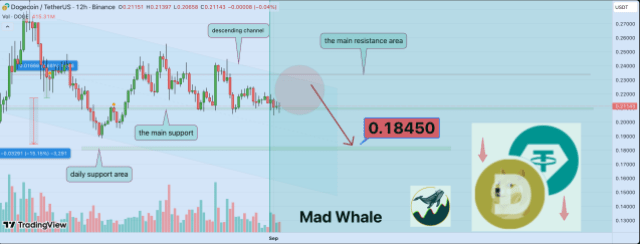
Dogecoin price
Source: TradingView

Other Things To Know About DOGE

One bullish development that has emerged for the Dogecoin price is the proposed Dogecoin treasury. Alex Spiro, popularly known for being Elon Musk’s personal attorney, plans to raise $200 million to buy DOGE, suggesting that a lot of demand could be headed DOGE’s way, which could drive the price higher.

However, looking at the on-chain activity for Dogecoin, the prospects are not too good. Data from Santiment shows that development on the network has screeched to a halt. Trading volume has also remained muted for the meme coin, with Coinglass showing an average of less than $3 billion daily across all credits.

Dogecoin price chart from TradingView.com
DOGE pushes against bearish pressure | Source: DOGEUSDT on TradingView.com
Featured image from Dall.E, chart from TradingView.com
Editorial Process for bitcoinist is centered on delivering thoroughly researched, accurate, and unbiased content. We uphold strict sourcing standards, and each page undergoes diligent review by our team of top technology experts and seasoned editors. This process ensures the integrity, relevance, and value of our content for our readers.

Scott Matherson is a leading crypto writer at Bitcoinist, who possesses a sharp analytical mind and a deep understanding of the digital currency landscape. Scott has earned a reputation for delivering thought-provoking and well-researched articles that resonate with both newcomers and seasoned crypto enthusiasts. Outside of his writing, Scott is passionate about promoting crypto literacy and often works to educate the public on the potential of blockchain.

Lecturas Relacionadas

2028, llega la RSI

[Resumen en español] La cuenta atrás para la IA autorreplicante ya tiene fecha: 2028. Jack Clark, cofundador de Anthropic, estima con un 60% de probabilidad que para finales de 2028 la Inteligencia Artificial logrará la Mejora Recursiva Autónoma (RSI), creando sistemas más inteligentes que ella misma sin intervención humana directa. Esta predicción no es aislada. Demis Hassabis, CEO de Google DeepMind, confirma que todos los laboratorios líderes trabajan intensamente en RSI. Los datos muestran una aceleración alarmante: en Anthropic, más del 80% del código ya lo escribe Claude, multiplicando por 8 la productividad de los ingenieros. Pruebas como MirrorCode demuestran que IA como Claude Opus pueden reconstruir software complejo en horas, un trabajo que lleva semanas a humanos, e incluso programar de forma autónoma durante 19 días seguidos. La curva es exponencial. Si en 2024 un modelo manejaba tareas de 4 minutos, hoy supera tests de 16 horas, agotando la capacidad de medición humana. Sam Altman, de OpenAI, considera la RSI el mayor desafío de seguridad de la próxima década y sugeriría retrasar su mega-OPV de billones de dólares si la autonomía IA se acelera. El consenso entre los líderes de IA es claro: la mejora recursiva ya está en marcha, impulsando una carrera imparable. La pregunta clave ya no es *si* ocurrirá, sino cómo estará preparada la humanidad cuando, hacia 2028, la IA empiece a reescribir su propia evolución.

marsbitHace 1 hora(s)

2028, llega la RSI

marsbitHace 1 hora(s)

La 'Caída Abrupta' del CPO: ¿Cómo Opera Exactamente Glass Bridge? Explicación Oficial de Corning

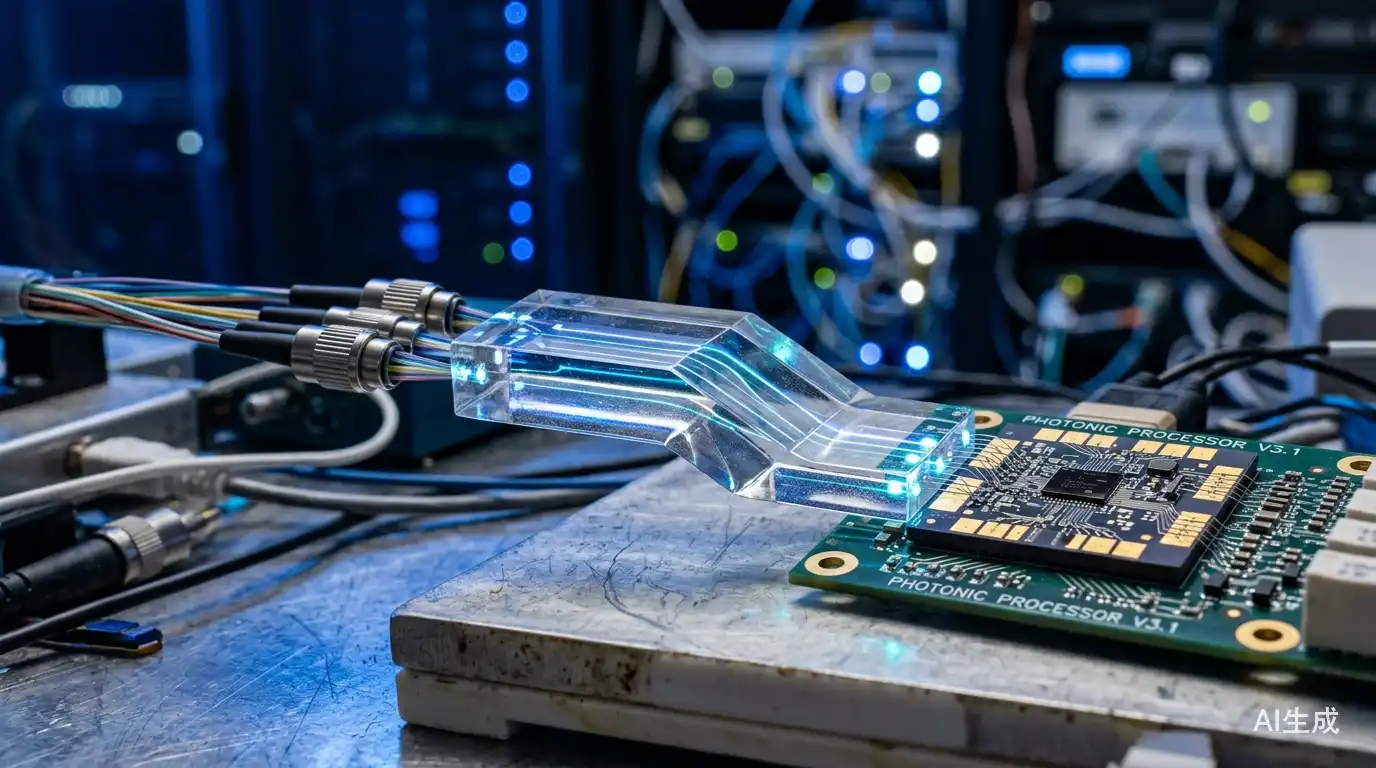
El 26 de junio, el sector CPO en el mercado A chino cayó abruptamente, con múltiples acciones como ZTT, FiberHome y Yongding tocando límite de pérdidas. La caída fue provocada por el lanzamiento de la plataforma de interconexión óptica "Glass Bridge" de Corning, presentada en una conferencia en Seúl. La tecnología utiliza guías de onda de vidrio fabricadas a nivel de oblea para lograr el acoplamiento pasivo entre fibras ópticas y chips fotónicos, simplificando significativamente la compleja alineación activa requerida en la arquitectura CPO tradicional. Esto generó preocupación en el mercado sobre una posible reducción futura en la demanda de componentes como las unidades de matriz de fibras (FAU), afectando a fabricantes intermedios. Mientras el sector CPO caía, acciones relacionadas con sustratos de vidrio, como China Glass, Dyer Laser y Red Star Development, subían fuertemente, lo que indica un desplazamiento del capital hacia la cadena de valor de materiales avanzados. Según documentos técnicos de Corning, Glass Bridge opera basándose en tres características principales: fabricación a nivel de oblea para consistencia en producción masiva, una interfaz de contacto físico TMT estandarizada y una arquitectura de conector desmontable de alta densidad. La empresa aclara que esta tecnología complementa, no reemplaza por completo, las soluciones FAU existentes, aunque está diseñada para escenarios de densidad extremadamente alta. Analistas señalan que los sustratos de vidrio son vistos como un material clave para el empaquetado avanzado de próxima generación, especialmente ante la creciente demanda de chips de IA. El evento ha desencadenado una revaluación de la cadena de valor en la interconexión óptica para IA, con el foco de la industria desplazándose gradualmente hacia los materiales especializados aguas arriba.

marsbitHace 1 hora(s)

La 'Caída Abrupta' del CPO: ¿Cómo Opera Exactamente Glass Bridge? Explicación Oficial de Corning

marsbitHace 1 hora(s)

Trading

Spot
活动图片