Insufficient Stablecoin Supervision? Nobel Economics Laureate Warns Of Potential Financial Crisis

bitcoinistPublicado a 2025-09-03Actualizado a 2025-09-03

Resumen

As stablecoin’s momentum continues to surge worldwide, 2014 Nobel Prize-winning economist Jean Tirole recently warned about the risks of a...

Trusted Editorial content, reviewed by leading industry experts and seasoned editors. Ad Disclosure

As stablecoin’s momentum continues to surge worldwide, 2014 Nobel Prize-winning economist Jean Tirole recently warned about the risks of a potential financial crisis due to the “insufficient supervision” in the sector.

Economist Warns Of Multibillion-Dollar Crisis

On Monday, Jean Tirole shared his concerns about inadequate stablecoin oversight amid the recent momentum in the sector, affirming that he was “very, very worried” about the lack of sufficient supervision and the potential hidden risks that it could entail.

In an interview with the Financial Times (FT), the professor at the Toulouse School of Economics warned of the possibility that governments could be forced into “multibillion-dollar bailouts” if the digital assets, which are considered “a perfectly safe deposit” by retail traders, unravel in a future financial crisis.

He also cautioned that backing stablecoins with US government bonds could become unpopular due to the underlying assets’ relatively low yields, noting previous cases when the returns of Treasury debt were negative for several years and payouts after inflation were even lower.

Notably, digital assets pegged to the US dollar are required to be backed on a one-to-one basis by US dollars or Treasury bills after the enactment of the Guiding and Establishing National Innovation for U.S. Stablecoins (GENIUS) Act in July.

As reported by Bitcoinist, US Treasury Secretary Scott Bessent is allegedly “betting” on the crypto industry to become a key buyer of US Treasuries in the coming years. According to a previous FT report, Bessent has signaled to Wall Street that he expects the industry to “become an important source of demand for US government bonds” as Washington seeks to bolster demand for a surge of new US government debt.

The Treasury Secretary has reportedly contacted leading stablecoin issuers, like Circle and Tether, for information, signaling the Treasury Department’s alleged plans to increase sales of short-term bills for the coming quarters. Nonetheless, the Global Chief Economist at financial services firm UBS, Paul Donovan, doesn’t believe that the sector will boost the demand for US government bonds.

Donovan considers that “stablecoins are more about redistributing the money supply,” adding that “someone selling Treasury bills to buy stablecoins, which invest the money in Treasury bills, does not change demand for U.S. debt instruments.”

Better Stablecoin Oversight Required

Following the global push for the sector, the stablecoin market has risen to over $280 billion. Last month, Goldman Sachs affirmed that the industry is “at the beginning of a stablecoin gold rush,” which could potentially bring the global market to trillions of dollars.

Tirole considers that stablecoin issuers could be “lured into the temptation” to invest in other assets that “carry higher returns and are riskier.” The higher risk would increase the chance of a potential crisis, triggering a run on the tokens.

“If it is held by retail or institutional depositors who thought it was a perfectly safe deposit, then the government will be under a lot of pressure to rescue the depositors so they don’t lose their money,” he detailed, adding that only a few uninsured depositors of traditional banks ever faced losses over the past decades.

The economist explained that the potential risks could be managed if global supervisors had enough resources and were incentivized to act carefully. However, he warned this was a “big if,” citing personal and political interests of members of “some key members of the [US] administration.”

Nonetheless, the US Treasury Secretary considers that the recent regulatory advancements are sufficient to drive the sector’s growth. “The GENIUS Act provides the fast-growing market with the regulatory clarity it needs to grow into a multitrillion-dollar industry,” Bessent said in July.
stablecoin, bitcoin, btc, btcusdt

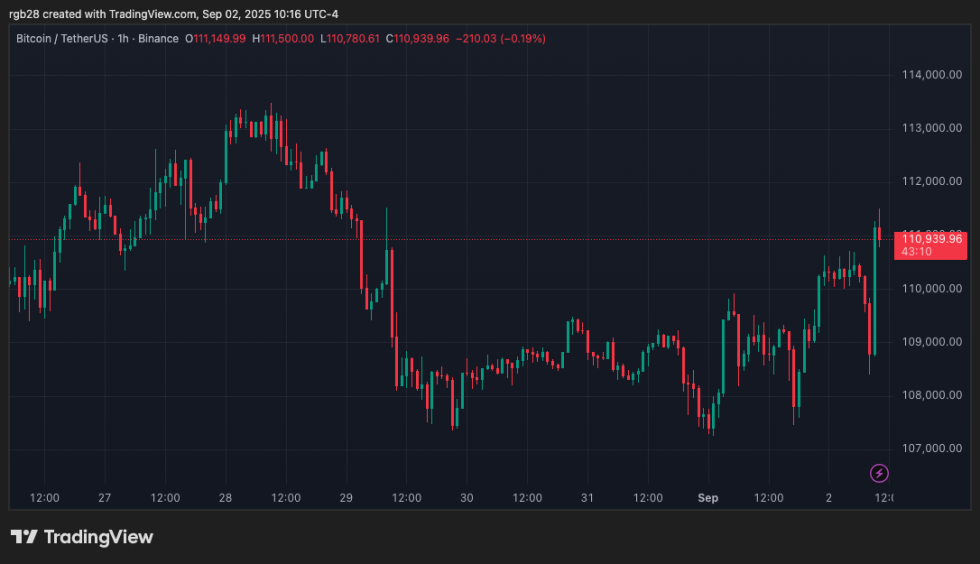
Bitcoin (BTC) trades at $110,939 in the one-week chart. Source: BTCUSDT on TradingView
Featured Image from Unsplash.com, Chart from TradingView.com
Editorial Process for bitcoinist is centered on delivering thoroughly researched, accurate, and unbiased content. We uphold strict sourcing standards, and each page undergoes diligent review by our team of top technology experts and seasoned editors. This process ensures the integrity, relevance, and value of our content for our readers.

Rubmar is a crypto enthusiast who likes learning and improving constantly. She enjoys reporting on the latest news and developments in the crypto industry. Rubmar also enjoys scrapbooking, crafting, simulation games, and watching football.

Lecturas Relacionadas

2028, llega la RSI

[Resumen en español] La cuenta atrás para la IA autorreplicante ya tiene fecha: 2028. Jack Clark, cofundador de Anthropic, estima con un 60% de probabilidad que para finales de 2028 la Inteligencia Artificial logrará la Mejora Recursiva Autónoma (RSI), creando sistemas más inteligentes que ella misma sin intervención humana directa. Esta predicción no es aislada. Demis Hassabis, CEO de Google DeepMind, confirma que todos los laboratorios líderes trabajan intensamente en RSI. Los datos muestran una aceleración alarmante: en Anthropic, más del 80% del código ya lo escribe Claude, multiplicando por 8 la productividad de los ingenieros. Pruebas como MirrorCode demuestran que IA como Claude Opus pueden reconstruir software complejo en horas, un trabajo que lleva semanas a humanos, e incluso programar de forma autónoma durante 19 días seguidos. La curva es exponencial. Si en 2024 un modelo manejaba tareas de 4 minutos, hoy supera tests de 16 horas, agotando la capacidad de medición humana. Sam Altman, de OpenAI, considera la RSI el mayor desafío de seguridad de la próxima década y sugeriría retrasar su mega-OPV de billones de dólares si la autonomía IA se acelera. El consenso entre los líderes de IA es claro: la mejora recursiva ya está en marcha, impulsando una carrera imparable. La pregunta clave ya no es *si* ocurrirá, sino cómo estará preparada la humanidad cuando, hacia 2028, la IA empiece a reescribir su propia evolución.

marsbitHace 3 hora(s)

2028, llega la RSI

marsbitHace 3 hora(s)

La 'Caída Abrupta' del CPO: ¿Cómo Opera Exactamente Glass Bridge? Explicación Oficial de Corning

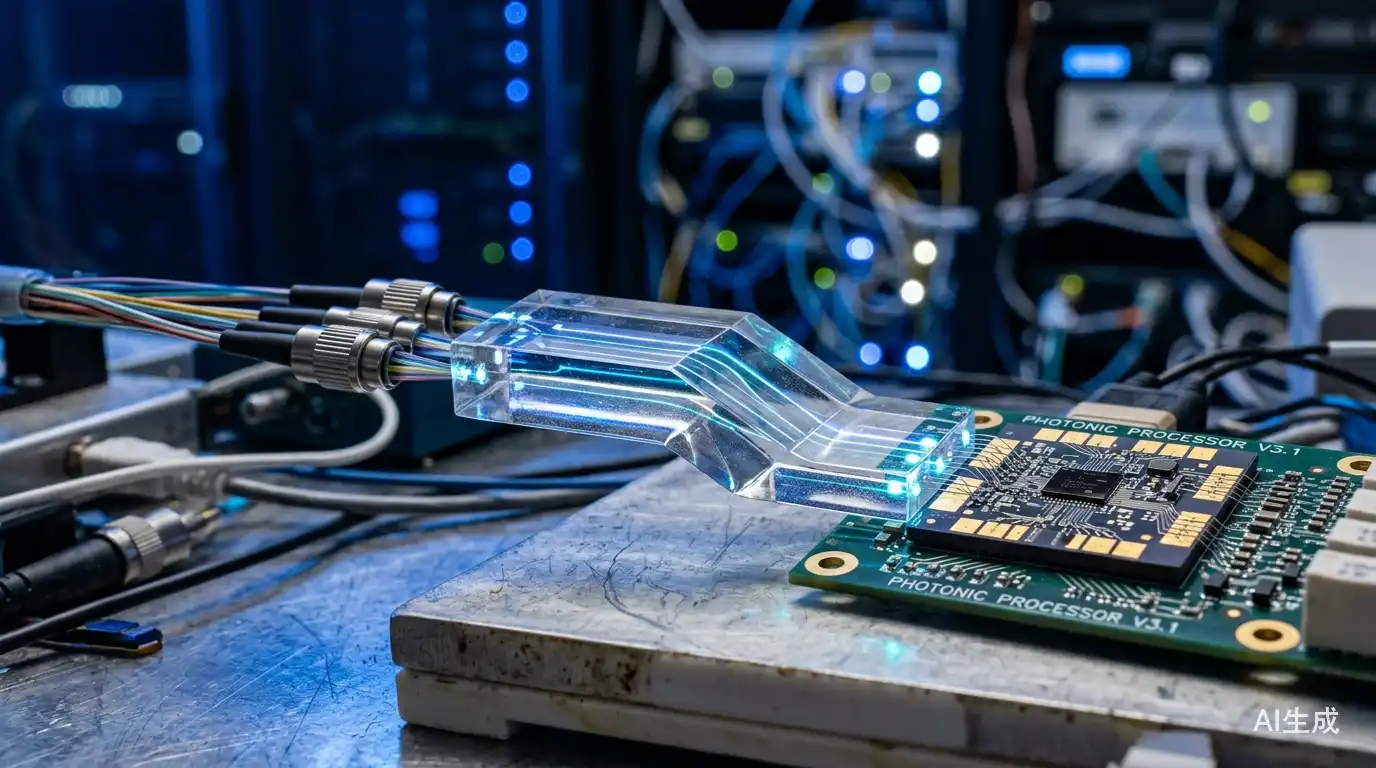
El 26 de junio, el sector CPO en el mercado A chino cayó abruptamente, con múltiples acciones como ZTT, FiberHome y Yongding tocando límite de pérdidas. La caída fue provocada por el lanzamiento de la plataforma de interconexión óptica "Glass Bridge" de Corning, presentada en una conferencia en Seúl. La tecnología utiliza guías de onda de vidrio fabricadas a nivel de oblea para lograr el acoplamiento pasivo entre fibras ópticas y chips fotónicos, simplificando significativamente la compleja alineación activa requerida en la arquitectura CPO tradicional. Esto generó preocupación en el mercado sobre una posible reducción futura en la demanda de componentes como las unidades de matriz de fibras (FAU), afectando a fabricantes intermedios. Mientras el sector CPO caía, acciones relacionadas con sustratos de vidrio, como China Glass, Dyer Laser y Red Star Development, subían fuertemente, lo que indica un desplazamiento del capital hacia la cadena de valor de materiales avanzados. Según documentos técnicos de Corning, Glass Bridge opera basándose en tres características principales: fabricación a nivel de oblea para consistencia en producción masiva, una interfaz de contacto físico TMT estandarizada y una arquitectura de conector desmontable de alta densidad. La empresa aclara que esta tecnología complementa, no reemplaza por completo, las soluciones FAU existentes, aunque está diseñada para escenarios de densidad extremadamente alta. Analistas señalan que los sustratos de vidrio son vistos como un material clave para el empaquetado avanzado de próxima generación, especialmente ante la creciente demanda de chips de IA. El evento ha desencadenado una revaluación de la cadena de valor en la interconexión óptica para IA, con el foco de la industria desplazándose gradualmente hacia los materiales especializados aguas arriba.

marsbitHace 3 hora(s)

La 'Caída Abrupta' del CPO: ¿Cómo Opera Exactamente Glass Bridge? Explicación Oficial de Corning

marsbitHace 3 hora(s)

Trading

Spot
活动图片