SHHEIKH Token Presale Phase 2 Heats Up – The Next Big Crypto Story Is Unfolding

bitcoinistPublicado a 2025-09-02Actualizado a 2025-09-03

Resumen

The crypto world has found its next breakout star—and it’s called SHHEIKH. With Phase 1 sold out in record time,...

Trusted Editorial content, reviewed by leading industry experts and seasoned editors. Ad Disclosure

The crypto world has found its next breakout star—and it’s called SHHEIKH.

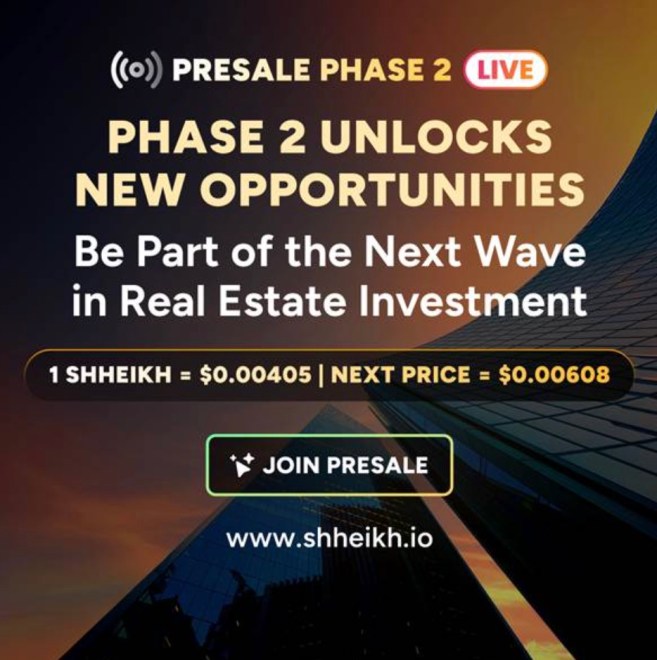
With Phase 1 sold out in record time, Phase 2 of the SHHEIKH Token presale is already making waves at $0.00405. Early investors aren’t just buying in—they’re calling it “the Solana moment of 2025.”

The Rise of SHHEIKH: From Hype to Reality
The Rise of SHHEIKH

Phase 1 was the proof. Phase 2 is the confirmation.

  • Global adoption: Investors from every major crypto market are flooding in.
  • Community strength: Telegram and X (Twitter) are surging with new holders daily.
  • Analyst spotlight: Multiple experts rank SHHEIKH as the most exciting AI-backed RWA token of the year.

This isn’t noise—it’s momentum backed by fundamentals.

What Makes SHHEIKH Different?

In a sea of speculative tokens, SHHEIKH COIN stands out with real-world value and AI innovation:

  • AI-Powered RWA Tokenization: Real estate, commodities, collectibles—all optimized through AI-driven asset strategies.
  • Investor-First Transparency: No team wallet, no hidden fees, zero tax policy.
  • Built for Scale: DeFi integration with staking, liquidity pools, and fractionalized ownership.
  • First-Mover Advantage: The world’s first AI + RWA token, built for the next blockchain growth cycle.

This is not another “pump-and-dump.” This is infrastructure for the future of wealth.

The Numbers Don’t Lie – Analysts Predict:

  • 2025: $0.10 – $0.25 (25x–60x from Phase 2 price).
  • 2026–2027: $0.40 – $0.75.
  • 2030–2031: $2 – $5 long-term projection.

Early Phase 2 buyers are positioning themselves at entry points most investors will only dream of once SHHEIKH hits major CEX listings.

Phase 2: Time-Sensitive Opportunity

Momentum is compounding—and history shows that early movers reap the biggest rewards.

  • 5% Bonus Still Active: Every Phase 2 purchase earns instant extra tokens.
  • FOMO Is Real: Thousands missed Phase 1, and they aren’t waiting again.
  • Institutional Whales: Larger investors are already positioning themselves for long-term gains.

This is the window of opportunity before the real breakout.

How to Secure Your SHHEIKH Tokens

Joining the presale is simple:

  1. Go to www.shheikh.io
  2. Connect MetaMask or Trust Wallet
  3. Buy with ETH, USDT (ERC20/BEP20), or BNB
  4. Receive your tokens + 5% bonus instantly

Final Word

Every crypto cycle has its defining project. In 2025, SHHEIKH is quickly emerging as that story.

Phase 2 is live, the momentum is undeniable, and analysts are already projecting massive upside.

The only choice now: act early—or regret later.

Website: www.shheikh.io
Whitepaper: SHHEIKH Whitepaper PDF
Telegram: https://t.me/shheikhtoken
Twitter/X: https://x.com/shheikhtoken

Editorial Process for bitcoinist is centered on delivering thoroughly researched, accurate, and unbiased content. We uphold strict sourcing standards, and each page undergoes diligent review by our team of top technology experts and seasoned editors. This process ensures the integrity, relevance, and value of our content for our readers.

Lecturas Relacionadas

2028, llega la RSI

[Resumen en español] La cuenta atrás para la IA autorreplicante ya tiene fecha: 2028. Jack Clark, cofundador de Anthropic, estima con un 60% de probabilidad que para finales de 2028 la Inteligencia Artificial logrará la Mejora Recursiva Autónoma (RSI), creando sistemas más inteligentes que ella misma sin intervención humana directa. Esta predicción no es aislada. Demis Hassabis, CEO de Google DeepMind, confirma que todos los laboratorios líderes trabajan intensamente en RSI. Los datos muestran una aceleración alarmante: en Anthropic, más del 80% del código ya lo escribe Claude, multiplicando por 8 la productividad de los ingenieros. Pruebas como MirrorCode demuestran que IA como Claude Opus pueden reconstruir software complejo en horas, un trabajo que lleva semanas a humanos, e incluso programar de forma autónoma durante 19 días seguidos. La curva es exponencial. Si en 2024 un modelo manejaba tareas de 4 minutos, hoy supera tests de 16 horas, agotando la capacidad de medición humana. Sam Altman, de OpenAI, considera la RSI el mayor desafío de seguridad de la próxima década y sugeriría retrasar su mega-OPV de billones de dólares si la autonomía IA se acelera. El consenso entre los líderes de IA es claro: la mejora recursiva ya está en marcha, impulsando una carrera imparable. La pregunta clave ya no es *si* ocurrirá, sino cómo estará preparada la humanidad cuando, hacia 2028, la IA empiece a reescribir su propia evolución.

marsbitHace 5 hora(s)

2028, llega la RSI

marsbitHace 5 hora(s)

La 'Caída Abrupta' del CPO: ¿Cómo Opera Exactamente Glass Bridge? Explicación Oficial de Corning

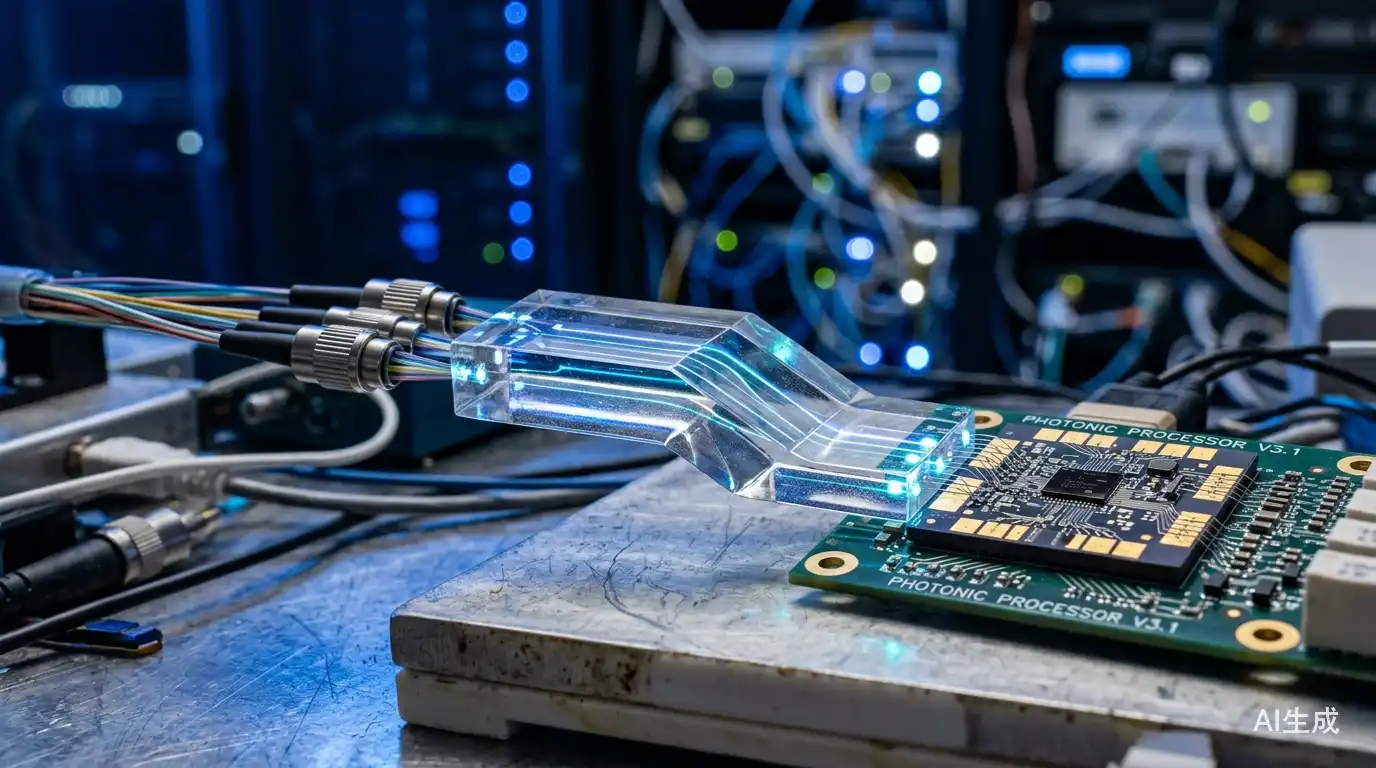
El 26 de junio, el sector CPO en el mercado A chino cayó abruptamente, con múltiples acciones como ZTT, FiberHome y Yongding tocando límite de pérdidas. La caída fue provocada por el lanzamiento de la plataforma de interconexión óptica "Glass Bridge" de Corning, presentada en una conferencia en Seúl. La tecnología utiliza guías de onda de vidrio fabricadas a nivel de oblea para lograr el acoplamiento pasivo entre fibras ópticas y chips fotónicos, simplificando significativamente la compleja alineación activa requerida en la arquitectura CPO tradicional. Esto generó preocupación en el mercado sobre una posible reducción futura en la demanda de componentes como las unidades de matriz de fibras (FAU), afectando a fabricantes intermedios. Mientras el sector CPO caía, acciones relacionadas con sustratos de vidrio, como China Glass, Dyer Laser y Red Star Development, subían fuertemente, lo que indica un desplazamiento del capital hacia la cadena de valor de materiales avanzados. Según documentos técnicos de Corning, Glass Bridge opera basándose en tres características principales: fabricación a nivel de oblea para consistencia en producción masiva, una interfaz de contacto físico TMT estandarizada y una arquitectura de conector desmontable de alta densidad. La empresa aclara que esta tecnología complementa, no reemplaza por completo, las soluciones FAU existentes, aunque está diseñada para escenarios de densidad extremadamente alta. Analistas señalan que los sustratos de vidrio son vistos como un material clave para el empaquetado avanzado de próxima generación, especialmente ante la creciente demanda de chips de IA. El evento ha desencadenado una revaluación de la cadena de valor en la interconexión óptica para IA, con el foco de la industria desplazándose gradualmente hacia los materiales especializados aguas arriba.

marsbitHace 5 hora(s)

La 'Caída Abrupta' del CPO: ¿Cómo Opera Exactamente Glass Bridge? Explicación Oficial de Corning

marsbitHace 5 hora(s)

Trading

Spot
活动图片