Hyperliquid caught between $36 support and $50 resistance: Where next?

ambcryptoPublicado a 2025-09-02Actualizado a 2025-09-03

Key Takeaways

Institutions and whales were shorting Hyperliquid with price being range-bound. Still, the altcoin’s structure was bullish, with OI and DEX showing strength.


Hyperliquid [HYPE] rose above the open price of $43 to almost $45 on the day per CoinMarketCap. The market cap maintained the $15 billion mark, with the daily drawdown less than 1%.

Since hitting the $51 mark, HYPE has reverted into a downward movement.

The decline came as whales coordinated an attack on Hyperliquid’s XPL token. This triggered liquidations that raised risk concerns for the ecosystem.

Big players going short on HYPE crypto

While Hyperliquid struggled to stay above the $40 mark, whales and institutions were shorting the altcoin. This aligned with the broader crypto market sentiment, which was seller-biased at the time of writing.

Recently, a whale shorted HYPE for a position worth about $3 million per Onchain Lens.

The positions were executed between $42.82 and $43 price range, with the whale seeing an unrealized loss of about $28,019 at press time.

hype hyperliquidhype hyperliquid

Source: Onchain Lens

On the institutions side, Abraxas Capital were betting against the market. Their sell position on HYPE was valued at $64.39 million, with a 5x leverage.

Abraxas also shorted six other cryptos with Bitcoin [BTC], Ethereum [ETH], Solana [SOL], and Sui Network [SUI] having the biggest leverage of 10x. Others were Injective [INJ] and World Liberty Finance [WLFI].

Price action in dilemma!

Hyperliquid price was in dilemma as it showed mixed signals. The altcoin had broken below a rising trendline, but still maintained a stay above the SuperTrend indicator.

Since the high on the 14th of July, when HYPE hit the $50 zone, the altcoin has traded inside a range. HYPE has failed to stay above the $50 zone with three consecutive rejections.

Prices were oscillating around the midpoint of the range between $36 and $50. However, HYPE was making higher lows in this confinement.

hypehype

Source: Trading View

The Chaikin Money Flow (CMF) further stressed on the altcoin’s weakness with -0.25 reading indicating capital outflow.

The $36 price level was the make-or-break zone for HYPE. Price could dip to the zone to initiate a stronger move that could break the $50 resistance.

Alternatively, a breakdown would invalidate the current bullish structure.

Hidden power still brewing

Onchain data displayed hidden strength despite price being in a consolidation.

Its open interest (OI) per CoinGlass was at $1.84 billion, higher than that of the last 2 days. However, this was a dip from $2.06B with the highest OI on Hyperliquid exchange.

Additionally, Hyperliquid’s hit record highs of $398 billion in DEX volume over the last month. The last 24 hours recorded about $1.20B, affirming its hidden strengths.

Hyperliquid HYPEHyperliquid HYPE

Source: Sentora

In summary, HYPE maintains a bullish outlook in the long-term, but price still confined in a range. Traders need to watch actions by the big players and price structure to gauge HYPE’s next move.


Share

Lecturas Relacionadas

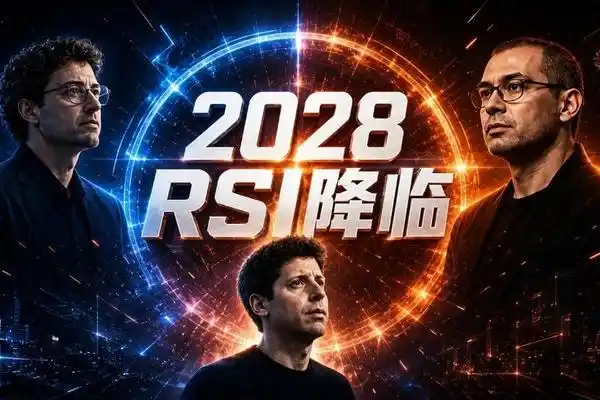
2028, llega la RSI

[Resumen en español] La cuenta atrás para la IA autorreplicante ya tiene fecha: 2028. Jack Clark, cofundador de Anthropic, estima con un 60% de probabilidad que para finales de 2028 la Inteligencia Artificial logrará la Mejora Recursiva Autónoma (RSI), creando sistemas más inteligentes que ella misma sin intervención humana directa. Esta predicción no es aislada. Demis Hassabis, CEO de Google DeepMind, confirma que todos los laboratorios líderes trabajan intensamente en RSI. Los datos muestran una aceleración alarmante: en Anthropic, más del 80% del código ya lo escribe Claude, multiplicando por 8 la productividad de los ingenieros. Pruebas como MirrorCode demuestran que IA como Claude Opus pueden reconstruir software complejo en horas, un trabajo que lleva semanas a humanos, e incluso programar de forma autónoma durante 19 días seguidos. La curva es exponencial. Si en 2024 un modelo manejaba tareas de 4 minutos, hoy supera tests de 16 horas, agotando la capacidad de medición humana. Sam Altman, de OpenAI, considera la RSI el mayor desafío de seguridad de la próxima década y sugeriría retrasar su mega-OPV de billones de dólares si la autonomía IA se acelera. El consenso entre los líderes de IA es claro: la mejora recursiva ya está en marcha, impulsando una carrera imparable. La pregunta clave ya no es *si* ocurrirá, sino cómo estará preparada la humanidad cuando, hacia 2028, la IA empiece a reescribir su propia evolución.

marsbitHace 5 hora(s)

2028, llega la RSI

marsbitHace 5 hora(s)

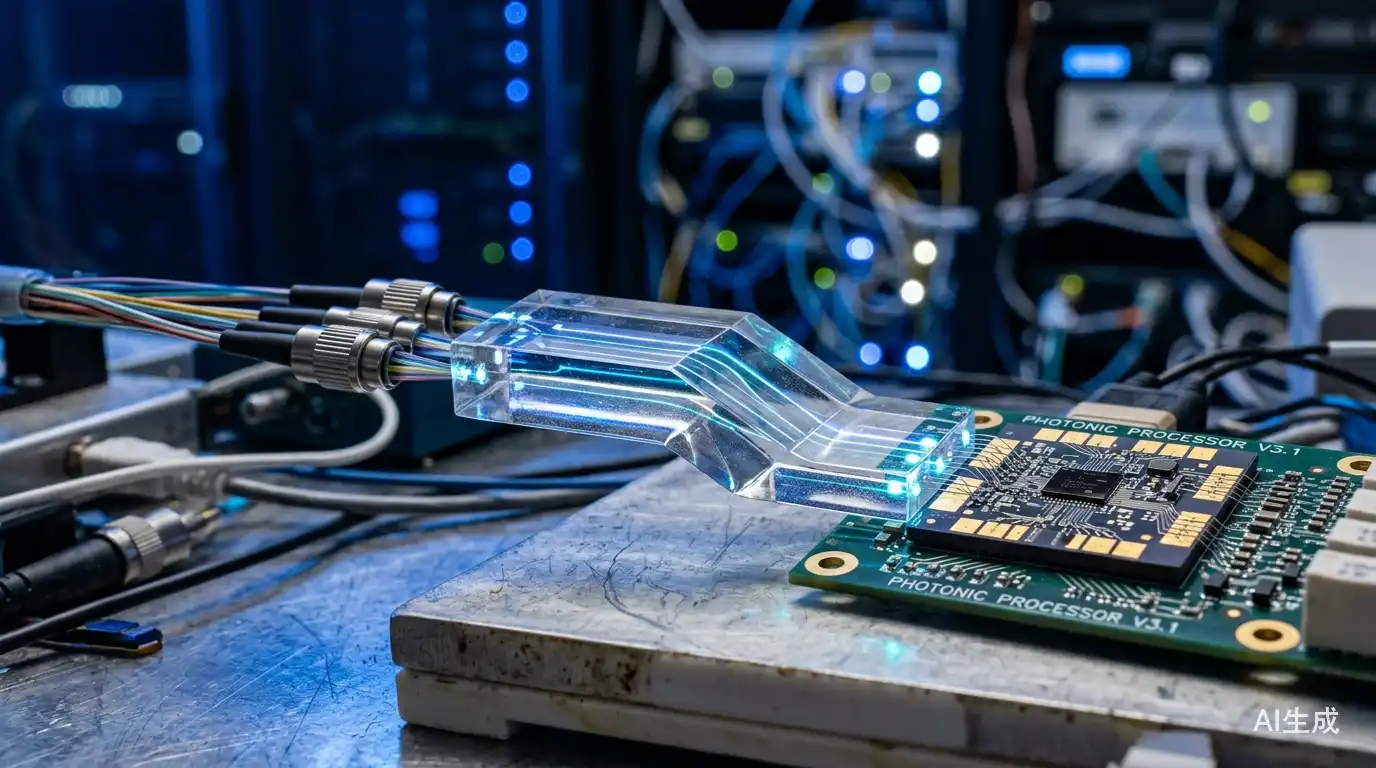
La 'Caída Abrupta' del CPO: ¿Cómo Opera Exactamente Glass Bridge? Explicación Oficial de Corning

El 26 de junio, el sector CPO en el mercado A chino cayó abruptamente, con múltiples acciones como ZTT, FiberHome y Yongding tocando límite de pérdidas. La caída fue provocada por el lanzamiento de la plataforma de interconexión óptica "Glass Bridge" de Corning, presentada en una conferencia en Seúl. La tecnología utiliza guías de onda de vidrio fabricadas a nivel de oblea para lograr el acoplamiento pasivo entre fibras ópticas y chips fotónicos, simplificando significativamente la compleja alineación activa requerida en la arquitectura CPO tradicional. Esto generó preocupación en el mercado sobre una posible reducción futura en la demanda de componentes como las unidades de matriz de fibras (FAU), afectando a fabricantes intermedios. Mientras el sector CPO caía, acciones relacionadas con sustratos de vidrio, como China Glass, Dyer Laser y Red Star Development, subían fuertemente, lo que indica un desplazamiento del capital hacia la cadena de valor de materiales avanzados. Según documentos técnicos de Corning, Glass Bridge opera basándose en tres características principales: fabricación a nivel de oblea para consistencia en producción masiva, una interfaz de contacto físico TMT estandarizada y una arquitectura de conector desmontable de alta densidad. La empresa aclara que esta tecnología complementa, no reemplaza por completo, las soluciones FAU existentes, aunque está diseñada para escenarios de densidad extremadamente alta. Analistas señalan que los sustratos de vidrio son vistos como un material clave para el empaquetado avanzado de próxima generación, especialmente ante la creciente demanda de chips de IA. El evento ha desencadenado una revaluación de la cadena de valor en la interconexión óptica para IA, con el foco de la industria desplazándose gradualmente hacia los materiales especializados aguas arriba.

marsbitHace 5 hora(s)

La 'Caída Abrupta' del CPO: ¿Cómo Opera Exactamente Glass Bridge? Explicación Oficial de Corning

marsbitHace 5 hora(s)

Trading

Spot
活动图片