Now it’s a Great Time to Buy Bitcoin, Says Michael Saylor

CryptoPotatoPublicado a 2022-06-16Actualizado a 2022-06-16

Resumen

Michael Saylor said Microstrategy will keep buying bitcoin despite extreme fear reigning in the market.

Michael Saylor – CEO and founder of the largest corporate BTC holder MicroStrategy – reiterated his bullish stance on the company’s bitcoin strategy and, once again, shook off the rumor regarding a margin call hitting some of the firm’s holdings. Saylor restated his commitment to continue purchasing bitcoin as well.

On the Bitcoin Strategy

Despite the primary cryptocurrency coming near to dip below $20,000, the ultimate BTC bull Michael Saylor still firmly believes that adopting the “bitcoin strategy” nearly two years ago was the best decision out of all the available options. In his view, the asset has performed 10x better than gold, oil, the Nasdaq index, and any other major options during that period.

In the latest interview with CNBC, Saylor said the US software intelligence firm will continue accumulating bitcoin at the current price. Claiming that BTC is a risk-off store of value in a 10-year timeframe, he considered that short-term volatility does not impact its nature. He added that within a four-year period, everyone who holds the asset in spite of market conditions would not lose money.

As such, he went on to explain that as BTC’s four-year moving average sits at precisely around the $21,000 level, the current price level is “absolutely a great buying opportunity.” As MicroStrategy continues to create positive cash flow, it will deploy the capital for bitcoin purchases, he noted.

In a tweet on Tuesday, the billionaire tweeted “stack sats and stay humble,” hinting that he may soon resume the bitcoin buying spree.

MicroStrategy holds a total of 129,218 BTC, with an average cost of approximately $30,700. As reported by CryptoPotato on Monday, when BTC plummeted to its lowest price tag since December 2020 of $23,000, its unrealized loss on bitcoin had reached $1 billion, and it’s a little bit over that since the asset is now trading lower.

On Margin Call and Debt

Saylor clarified again that the $205 million loan from Silvegate bank only accounts for a small percentage of the firm’s bitcoin-focused balance sheet, so he viewed the latest rumor of the company getting a margin call as “only mak[ing] my Twitter famous.”

“On a multi-billion-dollar balance sheet, we’ve only got a $200 million loan that we have to collateralize, and we’re 10x over-collateralized on that right now.”

Given the macroeconomic circumstance of rates hiking up, Saylor touted his early strategy of “borrowing $2.2 billion with a lending interest of 1.8% before interest rate doubles.” He added that most of them, in fact, are “unsecured debt,” with the other $500 million due in seven years. Therefore, he concluded that the company had a healthy balance sheet.


Lecturas Relacionadas

94.000 millones de yuanes, la mayor financiación de este año para robots humanoides ha aparecido

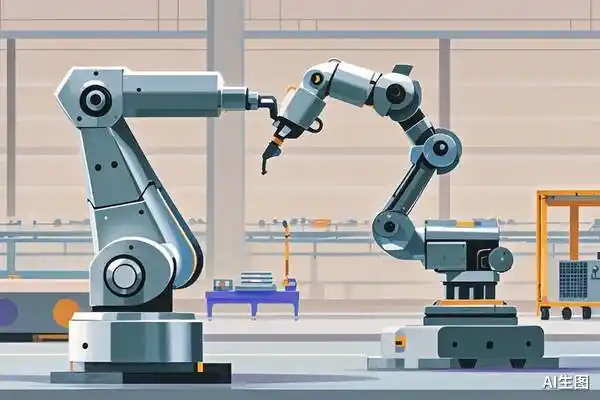
La empresa de robótica humana Neura, con sede en Múnich, ha completado una ronda de financiación Serie C de 14.000 millones de dólares (unos 94.900 millones de RMB), lo que supone la mayor inversión del año en este sector. Tras la operación, su valoración alcanza los 70.000 millones de dólares. La relevancia de esta ronda radica en la participación de inversores industriales como Schaeffler y Bosch, lo que señala un cambio estratégico: el foco pasa de la demostración tecnológica a la implementación práctica en fábricas. Neura, fundada por el experto en robótica industrial Armin Zeher, ha priorizado desde el inicio la aplicabilidad en entornos de producción real, contando ya con BMW como cliente. Otros inversores como NVIDIA, Amazon y Qualcomm aportan perspectivas complementarias en infraestructura de computación, logística y tecnología. El sector de la robótica humana está experimentando una afluencia masiva de capital, impulsada por dos factores clave: los avances en modelos de IA de gran escala, que mejoran la percepción y la toma de decisiones de los robots, y la creciente presión por la escasez y el encarecimiento de la mano de obra en la manufactura global. Actualmente, las empresas siguen dos caminos principales: los robots humanoides de propósito general (como Figure AI), con un horizonte comercial a más largo plazo, y los enfocados en escenarios industriales verticales y específicos (como Neura), que ofrecen una ruta de comercialización más rápida y definida. El campo de batalla real para estos robots ya no es el laboratorio, sino el suelo de la fábrica. Los escenarios de manufactura industrial, por su entorno estructurado y tareas repetitivas, se consideran los primeros en permitir una adopción a escala. Los entornos de trabajo peligrosos también tienen un gran potencial. Sin embargo, los principales retos para la adopción masiva ya no son puramente técnicos, sino de ingeniería y modelo comercial. Destacan los elevados costes de adaptación a cada línea de producción específica y la necesidad de desarrollar sistemas de mantenimiento y servicio locales robustos para garantizar la operación continua. La entrada de gigantes industriales históricos como inversores y la presencia inicial de robots en fábricas como las de BMW marcan un punto de inflexión: la confianza del sector se consolida y la pregunta central evoluciona de "si es posible" a "cómo hacerlo mejor, más rápido y de forma más estable".

marsbitHace 8 hora(s)

94.000 millones de yuanes, la mayor financiación de este año para robots humanoides ha aparecido

marsbitHace 8 hora(s)

Trading

Spot
Futuros
活动图片