Blockchain technology has transformed the way businesses operate by offering several effective tools for data integrity and security. Blockchain basically stands for the blocks of data that are linked together to form a chain, and each block contains a record of transactions. Once a block is attached to the chain, it cannot be altered or deleted, and thus, it highly enhances data protection and security.
In blockchain, a single entity cannot control the entire network. Instead, it is managed by participants, i.e., nodes. Blockchain technology plays a key role in maintaining transparency and trust and thus immensely helps businesses manage their transactions while ensuring data safety and integrity.
Blockchain in Supply Chain Management
Blockchain technology plays a very effective role in supply chain management by providing businesses with the tools to track their movements and keep records of every transaction. Due to the involvement of multiple parties—manufacturers and suppliers—it was very difficult for the businesses to take records of all the processes, and it was also not easy for them to trace the location of the products and their authenticity.
With the implication of blockchain technology, errors and frauds in supply chains have also been reduced to a greater extent, and the overall process has become very convenient for businesses. In this way, customers are also able to trust the products they are buying, which plays a vital role in gaining the trust of customers to overcome market competition and enhance sales.
Blockchain in Finance and Banking
Blockchain is also playing an impressive role in enhancing finance, banking and even in online casino platforms by eliminating the requirements of intermediaries in the transaction process. In the traditional system, there were many intermediaries like banks and payment processors, due to which high fees and extra charges were required for transactions.
Also, the process was quite slow, but with the use of blockchain technology, peer-to-peer transactions can be made, which are relatively faster and more secure. Bitcoin is a key application of blockchain in finance, which allows users to transfer money to one another without any need of banks or other intermediaries. It has also revolutionised how businesses handle agreements by providing the tools that automatically execute when the predefined conditions are obtained.
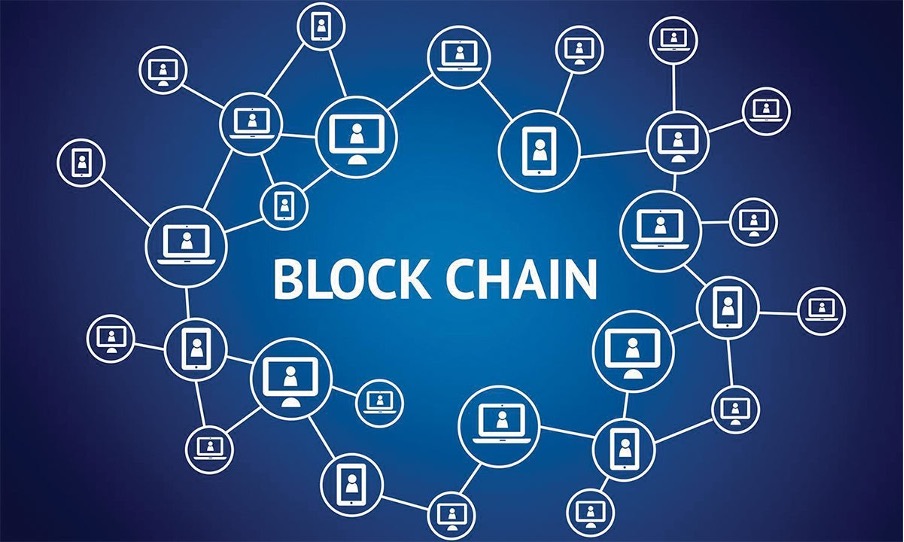
Image Source: Blockchain Technology
Blockchain in Healthcare
Blockchain also has a significant positive impact on the healthcare sector by offering various features that play a very crucial role in managing a vast amount of data related to the medical records of the patients. Blockchain provides tools to store and share medical data, which allows the healthcare provider to access the previous health records of the patient for better treatment.
The complete medical information is stored systematically and is also updated time-to-time and cannot be accessed by anyone without the consent of the patient. Thus, blockchain offers effective solutions to the issues of data safety for patients and immensely helps them in obtaining the best medical services.
Blockchain in Real Estate
Blockchain technology has come up with the best solutions to make property transactions and title transfers more convenient, transparent, and secure. With the help of this technology, the transactions can be recorded digitally, which eliminates the need for brokers, lawyers, and notaries and thus enhances the process of transferring ownership. It has transformed how the real estate industries operate and has also put a check on spam and fraud in property-related deals.

Related Posts