Dogecoin vs Shiba inu vs Mpeppe (MPEPE): Crypto Analyst Predicts The Next Major Memecoin

bitcoinistPublicado a 2024-09-06Actualizado a 2024-09-06

Resumen

The battle for supremacy in the memecoin market has been heating up, with Dogecoin (DOGE), Shiba Inu (SHIB), and now...

The battle for supremacy in the memecoin market has been heating up, with Dogecoin (DOGE), Shiba Inu (SHIB), and now Mpeppe (MPEPE) vying for dominance. While Dogecoin (DOGE) has long been the leader in the memecoin space, and Shiba Inu (SHIB) quickly rose to challenge it, a new player, Mpeppe (MPEPE), is emerging with innovative features that could give it the edge. Analysts are starting to weigh in on which memecoin will reign supreme in the next major wave of crypto adoption.

Dogecoin (DOGE): The Pioneer of Memecoins

Dogecoin (DOGE) has been the face of memecoins since its creation in 2013. What began as a joke quickly turned into a serious contender in the crypto world. Its growth has largely been driven by a strong community, celebrity endorsements like Elon Musk, and its use in online tipping and payments.

Despite its popularity, Dogecoin (DOGE) faces challenges in scaling and adding utility beyond being a meme currency. Although it continues to enjoy a loyal fan base, the question remains: can Dogecoin (DOGE) continue to innovate and maintain its top position in the rapidly evolving crypto space?

Shiba Inu (SHIB): The Dogecoin Challenger

Shiba Inu (SHIB) launched in 2020 as a direct competitor to Dogecoin (DOGE), branding itself as the “Dogecoin killer.” While its growth was explosive, largely driven by hype, Shiba Inu (SHIB) has taken significant steps to offer more utility through the ShibaSwap decentralized exchange (DEX) and the introduction of its own ecosystem of tokens, including LEASH and BONE.

Shiba Inu (SHIB)’s venture into decentralized finance (DeFi) has been a key factor in its long-term potential. However, Shiba Inu (SHIB)’s reliance on hype, along with recent price volatility, has raised concerns about its sustainability. The real test for SHIB lies in its ability to continue building meaningful utility that sets it apart from its meme roots.

Mpeppe (MPEPE): The Next Big Contender

Mpeppe (MPEPE), the latest player in the memecoin space, is rapidly gaining attention for its unique approach. Unlike Dogecoin (DOGE) and Shiba Inu (SHIB), Mpeppe (MPEPE) is integrating decentralized finance (DeFi) elements into its tokenomics. With features such as yield farming, liquidity mining, and decentralized governance mechanisms, Mpeppe (MPEPE) is not just relying on meme culture but is building an ecosystem with real financial utility.

Mpeppe (MPEPE)’s innovative blend of DeFi and meme culture is what sets it apart. The project is also looking to capitalize on the growing popularity of gaming and sports betting through its platform, offering users the chance to participate in a vibrant ecosystem where they can trade tokens, stake assets, and earn rewards.

DeFi: A Game-Changer for Mpeppe (MPEPE)

Analysts are bullish on Mpeppe (MPEPE) due to its focus on DeFi, offering users passive income through yield farming and liquidity mining. This sets it apart from Dogecoin (DOGE) and Shiba Inu (SHIB), which rely on market hype and community support. Mpeppe (MPEPE)’s decentralized governance mechanisms allow community input, making it appealing to modern crypto investors. As the next big memecoin, Mpeppe (MPEPE) is a promising project to watch.

Conclusion: Which Memecoin Will Reign Supreme?

The memecoin market is evolving, with new challengers emerging to compete with established players. Dogecoin (DOGE) and Shiba Inu (SHIB) continue to dominate, but Mpeppe (MPEPE) stands out as a potential leader in crypto adoption due to its blend of DeFi, gaming, and decentralized governance. While it remains to be seen if Mpeppe (MPEPE) can dethrone Dogecoin (DOGE) and Shiba Inu (SHIB), it is a promising project for investors looking to invest in the next big memecoin.

For more information on the Mpeppe (MPEPE) Presale: 

Visit Mpeppe (MPEPE)

Join and become a community member: 

https://t.me/mpeppecoin

https://x.com/mpeppecommunity?s=11&t=hQv3guBuxfglZI-0YOTGuQ

Bitcoinist

Bitcoinist

Bitcoinist is the ultimate news and review site for the crypto currency community!

Lecturas Relacionadas

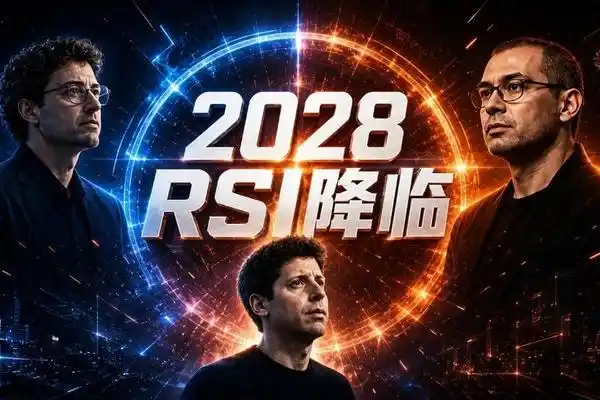
2028, llega la RSI

[Resumen en español] La cuenta atrás para la IA autorreplicante ya tiene fecha: 2028. Jack Clark, cofundador de Anthropic, estima con un 60% de probabilidad que para finales de 2028 la Inteligencia Artificial logrará la Mejora Recursiva Autónoma (RSI), creando sistemas más inteligentes que ella misma sin intervención humana directa. Esta predicción no es aislada. Demis Hassabis, CEO de Google DeepMind, confirma que todos los laboratorios líderes trabajan intensamente en RSI. Los datos muestran una aceleración alarmante: en Anthropic, más del 80% del código ya lo escribe Claude, multiplicando por 8 la productividad de los ingenieros. Pruebas como MirrorCode demuestran que IA como Claude Opus pueden reconstruir software complejo en horas, un trabajo que lleva semanas a humanos, e incluso programar de forma autónoma durante 19 días seguidos. La curva es exponencial. Si en 2024 un modelo manejaba tareas de 4 minutos, hoy supera tests de 16 horas, agotando la capacidad de medición humana. Sam Altman, de OpenAI, considera la RSI el mayor desafío de seguridad de la próxima década y sugeriría retrasar su mega-OPV de billones de dólares si la autonomía IA se acelera. El consenso entre los líderes de IA es claro: la mejora recursiva ya está en marcha, impulsando una carrera imparable. La pregunta clave ya no es *si* ocurrirá, sino cómo estará preparada la humanidad cuando, hacia 2028, la IA empiece a reescribir su propia evolución.

marsbitHace 1 hora(s)

2028, llega la RSI

marsbitHace 1 hora(s)

La 'Caída Abrupta' del CPO: ¿Cómo Opera Exactamente Glass Bridge? Explicación Oficial de Corning

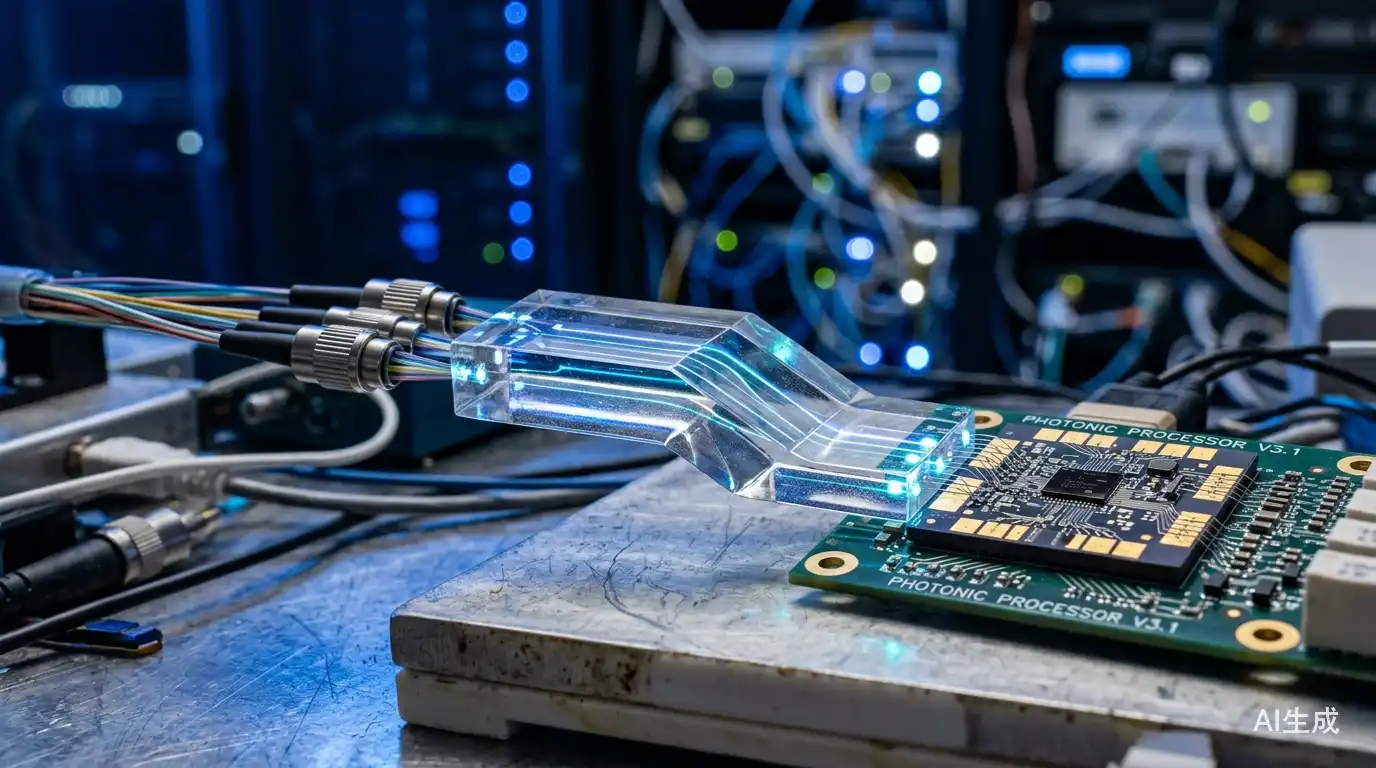
El 26 de junio, el sector CPO en el mercado A chino cayó abruptamente, con múltiples acciones como ZTT, FiberHome y Yongding tocando límite de pérdidas. La caída fue provocada por el lanzamiento de la plataforma de interconexión óptica "Glass Bridge" de Corning, presentada en una conferencia en Seúl. La tecnología utiliza guías de onda de vidrio fabricadas a nivel de oblea para lograr el acoplamiento pasivo entre fibras ópticas y chips fotónicos, simplificando significativamente la compleja alineación activa requerida en la arquitectura CPO tradicional. Esto generó preocupación en el mercado sobre una posible reducción futura en la demanda de componentes como las unidades de matriz de fibras (FAU), afectando a fabricantes intermedios. Mientras el sector CPO caía, acciones relacionadas con sustratos de vidrio, como China Glass, Dyer Laser y Red Star Development, subían fuertemente, lo que indica un desplazamiento del capital hacia la cadena de valor de materiales avanzados. Según documentos técnicos de Corning, Glass Bridge opera basándose en tres características principales: fabricación a nivel de oblea para consistencia en producción masiva, una interfaz de contacto físico TMT estandarizada y una arquitectura de conector desmontable de alta densidad. La empresa aclara que esta tecnología complementa, no reemplaza por completo, las soluciones FAU existentes, aunque está diseñada para escenarios de densidad extremadamente alta. Analistas señalan que los sustratos de vidrio son vistos como un material clave para el empaquetado avanzado de próxima generación, especialmente ante la creciente demanda de chips de IA. El evento ha desencadenado una revaluación de la cadena de valor en la interconexión óptica para IA, con el foco de la industria desplazándose gradualmente hacia los materiales especializados aguas arriba.

marsbitHace 1 hora(s)

La 'Caída Abrupta' del CPO: ¿Cómo Opera Exactamente Glass Bridge? Explicación Oficial de Corning

marsbitHace 1 hora(s)

Trading

Spot
活动图片