Ripple Seeks To Pause Fines As Legal Battle With The US SEC Continues

bitcoinistPublicado a 2024-09-06Actualizado a 2024-09-06

Resumen

In a significant turn of events, a stay of the monetary penalties has been requested by the behemoth payment firm...

In a significant turn of events, a stay of the monetary penalties has been requested by the behemoth payment firm Ripple Labs as its lengthy legal dispute with the United States Securities and Exchange Commission (SEC) continues to unfold. 

Ripple Takes Bold Step With Stay Request

On Wednesday, the Ripple team in a letter filed a demand for a stay of the monetary portion, particularly the $125 million fine of the court’s previous judgment. The plea was made in an effort by the company to postpone the financial penalties that the court had imposed pending the outcome of the case over whether or not its XRP token is considered a security on August 7, 2024.

Ripple humbly demands that the Southern District Court of New York take action on the stay motion prior to September 6, which is when the monetary portion of the judgment is now due to be paid. Meanwhile, the US SEC has already greenlighted the delay request.

The letter read:

Plaintiff, the US SEC has consented to this request and to the terms of the Proposed Order that Ripple is submitting today. The monetary portion of the judgment is currently due to be paid this coming Friday, September 6, and Ripple respectfully asks that this court act on this stay request before that date.

Specifically, this move implies that the payment company is putting the $125 million fine into an escrow account. Should the regulatory watchdog choose not to appeal the motion, the funds will be released once the deadline has been surpassed.

However, if the agency decides not to file an appeal, the funds will go to Ripple Labs. Since the SEC approved these terms, the company has insurance under this agreement.

According to the filing, the stay will be in effect under the proposed order for 30 days following the appeal period’s expiration or any appeal decision. As specified in the judgment, the SEC will receive post-judgment interest during this period.

Furthermore, the fund and any interest that arises from its deposit in the escrow account registered under the name Kellogg Hansen will be owned beneficially by Ripple, with no control over it.

Industry Response To The Motion

Ripple’s motion for stay has triggered quite a frenzy within the community regarding whether the regulatory watchdog will file for an appeal. As a result, popular lawyer James A. Murphy, also known as the MetaLawMan, has delved into the case, offering insights into the potential outcome.

According to the lawyer, the only two options at this time are either the SEC is still unsure or has decided to appeal. However, considering the development, the attorney is confident that the SEC will appeal the motion because Ripple would have been forced to pay the $125 million fine if the Commission opted not to do so.

As the legal battle intensifies, this development represents another turning point in the case that might have long-term effects on the crypto industry.

Ripple
XRP trading at $0.55 on the 1D chart | Source: XRPUSDT on Tradingview.com
Featured image from iStock, chart from Tradingview.com
Godspower Owie

Godspower Owie

Godspower Owie is my name, and I work for the news platforms NewsBTC and Bitcoinist. I sometimes like to think of myself as an explorer since I enjoy exploring new places, learning new things, especially valuable ones, and meeting new people who have an impact on my life, no matter how small. I value my family, friends, career, and time. Really, those are most likely the most significant aspects of every person's existence. Not illusions, but dreams are what I pursue.

Lecturas Relacionadas

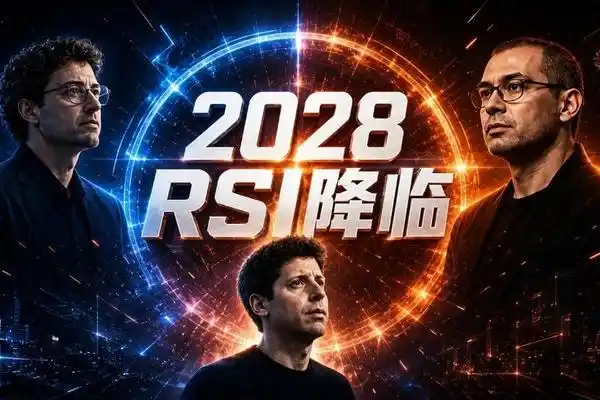
2028, llega la RSI

[Resumen en español] La cuenta atrás para la IA autorreplicante ya tiene fecha: 2028. Jack Clark, cofundador de Anthropic, estima con un 60% de probabilidad que para finales de 2028 la Inteligencia Artificial logrará la Mejora Recursiva Autónoma (RSI), creando sistemas más inteligentes que ella misma sin intervención humana directa. Esta predicción no es aislada. Demis Hassabis, CEO de Google DeepMind, confirma que todos los laboratorios líderes trabajan intensamente en RSI. Los datos muestran una aceleración alarmante: en Anthropic, más del 80% del código ya lo escribe Claude, multiplicando por 8 la productividad de los ingenieros. Pruebas como MirrorCode demuestran que IA como Claude Opus pueden reconstruir software complejo en horas, un trabajo que lleva semanas a humanos, e incluso programar de forma autónoma durante 19 días seguidos. La curva es exponencial. Si en 2024 un modelo manejaba tareas de 4 minutos, hoy supera tests de 16 horas, agotando la capacidad de medición humana. Sam Altman, de OpenAI, considera la RSI el mayor desafío de seguridad de la próxima década y sugeriría retrasar su mega-OPV de billones de dólares si la autonomía IA se acelera. El consenso entre los líderes de IA es claro: la mejora recursiva ya está en marcha, impulsando una carrera imparable. La pregunta clave ya no es *si* ocurrirá, sino cómo estará preparada la humanidad cuando, hacia 2028, la IA empiece a reescribir su propia evolución.

marsbitHace 37 min(s)

2028, llega la RSI

marsbitHace 37 min(s)

La 'Caída Abrupta' del CPO: ¿Cómo Opera Exactamente Glass Bridge? Explicación Oficial de Corning

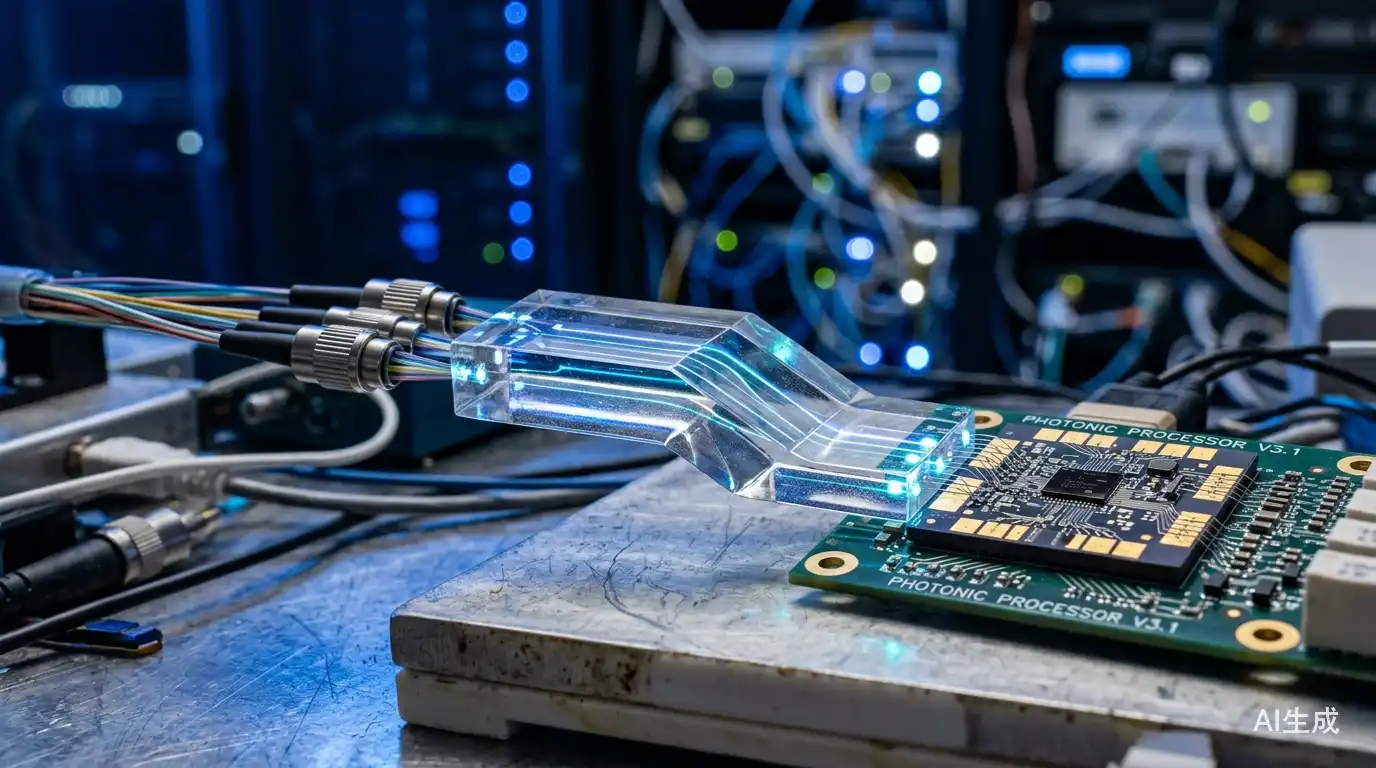
El 26 de junio, el sector CPO en el mercado A chino cayó abruptamente, con múltiples acciones como ZTT, FiberHome y Yongding tocando límite de pérdidas. La caída fue provocada por el lanzamiento de la plataforma de interconexión óptica "Glass Bridge" de Corning, presentada en una conferencia en Seúl. La tecnología utiliza guías de onda de vidrio fabricadas a nivel de oblea para lograr el acoplamiento pasivo entre fibras ópticas y chips fotónicos, simplificando significativamente la compleja alineación activa requerida en la arquitectura CPO tradicional. Esto generó preocupación en el mercado sobre una posible reducción futura en la demanda de componentes como las unidades de matriz de fibras (FAU), afectando a fabricantes intermedios. Mientras el sector CPO caía, acciones relacionadas con sustratos de vidrio, como China Glass, Dyer Laser y Red Star Development, subían fuertemente, lo que indica un desplazamiento del capital hacia la cadena de valor de materiales avanzados. Según documentos técnicos de Corning, Glass Bridge opera basándose en tres características principales: fabricación a nivel de oblea para consistencia en producción masiva, una interfaz de contacto físico TMT estandarizada y una arquitectura de conector desmontable de alta densidad. La empresa aclara que esta tecnología complementa, no reemplaza por completo, las soluciones FAU existentes, aunque está diseñada para escenarios de densidad extremadamente alta. Analistas señalan que los sustratos de vidrio son vistos como un material clave para el empaquetado avanzado de próxima generación, especialmente ante la creciente demanda de chips de IA. El evento ha desencadenado una revaluación de la cadena de valor en la interconexión óptica para IA, con el foco de la industria desplazándose gradualmente hacia los materiales especializados aguas arriba.

marsbitHace 43 min(s)

La 'Caída Abrupta' del CPO: ¿Cómo Opera Exactamente Glass Bridge? Explicación Oficial de Corning

marsbitHace 43 min(s)

Trading

Spot
活动图片