Crypto Market Likely To Experience Frustration In The Coming Weeks, Expert Warns

bitcoinistPublicado a 2024-09-05Actualizado a 2024-09-06

Resumen

Considering the recent trend in the cryptocurrency market, a crypto expert claims that the market is projected to experience frustrating...

Considering the recent trend in the cryptocurrency market, a crypto expert claims that the market is projected to experience frustrating and erratic price movements in the short term as volatility and uncertainty continue to plague the sector.

This projection suggests that the market may become more unpredictable and unstable without significant triggers, hindering both short-term and long-term investors.

Crypto Market Faces Uncertainty And Frustrating Volatility

In a pessimistic prediction, market expert and enthusiast crypto Dan has forecasted that the cryptocurrency market will likely stay volatile, frustrating investors and traders in the coming weeks. The expert warns that the sector may see an extended period of volatility, probably due to macroeconomic issues and changing investor sentiment.

According to the expert, the crypto market has drastically calmed down due to the long-term sideways movement and changes. However, it has displayed poor movements since March, failing to break through toward the upward direction on 5 distinct occasions.

After observing the trend of the moving average of the short-term and long-term Spent Output Profit Ratio (SOPR), Crypto Dan has identified a dead cross pattern, indicating a continued weakening market trend.

Crypto
SOPR trend forms a dead cross pattern | Source: CryptoQuant on X

Even though the market is currently demonstrating a waning momentum, the expert noted that a short-term rebound owning to optimistic market sentiment could be expected due to the anticipated United States rate cut scheduled for September 18. However, frustrating price swings will likely persist within the year if the crypto market fails to reverse significantly.

While it is unfortunate that frustration is projected to continue, the analyst claims it is imperative as investors wait for 2025 with great effort and patience, which is believed to be a bullish year for digital assets.

Liquidity In The Market Is Growing

The crypto market might be trending negatively, but another crypto analyst Caueconomy, has cited a substantial increase in liquidity in the sector, reflecting a stronger market participation and demand for digital assets. Caueconomy highlighted that through the popular dollar-pegged stablecoin USDT, more than $3 billion was added to the market in the last 30 days.

According to the expert, this kind of increase in capitalization indicates a larger deployment of external capital within the market, which is necessary to collateralize products and goods from the traditional market to issue additional USDT. He further noted that when stablecoins liquidity is higher, it implies a greater demand for digital assets, but this may not always happen immediately. 

Rather during this time, most of the capital dedicated to stablecoins is not yet putting buying pressure on the market. Nonetheless, this strong development might potentially hit the market at any time. “In addition, institutional investors may be buying digital assets via TWAP orders or with algorithms to reduce the impact on the short-term price,” he added.

Crypto
Overall crypto market cap at $1.958 trillion | Source: TOTAL on Tradingview.com
Featured image from Unsplash, chart from Tradingview.com
Godspower Owie

Godspower Owie

Godspower Owie is my name, and I work for the news platforms NewsBTC and Bitcoinist. I sometimes like to think of myself as an explorer since I enjoy exploring new places, learning new things, especially valuable ones, and meeting new people who have an impact on my life, no matter how small. I value my family, friends, career, and time. Really, those are most likely the most significant aspects of every person's existence. Not illusions, but dreams are what I pursue.

Lecturas Relacionadas

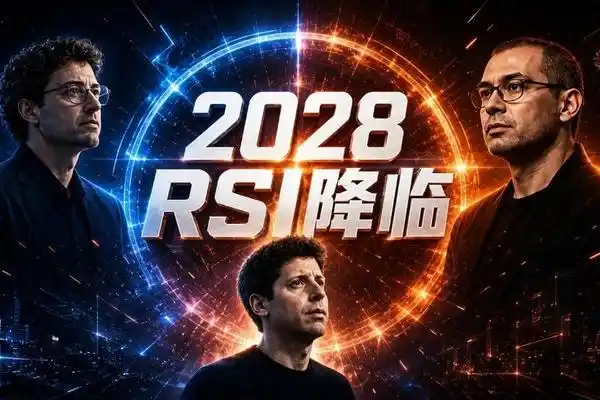
2028, llega la RSI

[Resumen en español] La cuenta atrás para la IA autorreplicante ya tiene fecha: 2028. Jack Clark, cofundador de Anthropic, estima con un 60% de probabilidad que para finales de 2028 la Inteligencia Artificial logrará la Mejora Recursiva Autónoma (RSI), creando sistemas más inteligentes que ella misma sin intervención humana directa. Esta predicción no es aislada. Demis Hassabis, CEO de Google DeepMind, confirma que todos los laboratorios líderes trabajan intensamente en RSI. Los datos muestran una aceleración alarmante: en Anthropic, más del 80% del código ya lo escribe Claude, multiplicando por 8 la productividad de los ingenieros. Pruebas como MirrorCode demuestran que IA como Claude Opus pueden reconstruir software complejo en horas, un trabajo que lleva semanas a humanos, e incluso programar de forma autónoma durante 19 días seguidos. La curva es exponencial. Si en 2024 un modelo manejaba tareas de 4 minutos, hoy supera tests de 16 horas, agotando la capacidad de medición humana. Sam Altman, de OpenAI, considera la RSI el mayor desafío de seguridad de la próxima década y sugeriría retrasar su mega-OPV de billones de dólares si la autonomía IA se acelera. El consenso entre los líderes de IA es claro: la mejora recursiva ya está en marcha, impulsando una carrera imparable. La pregunta clave ya no es *si* ocurrirá, sino cómo estará preparada la humanidad cuando, hacia 2028, la IA empiece a reescribir su propia evolución.

marsbitHace 35 min(s)

2028, llega la RSI

marsbitHace 35 min(s)

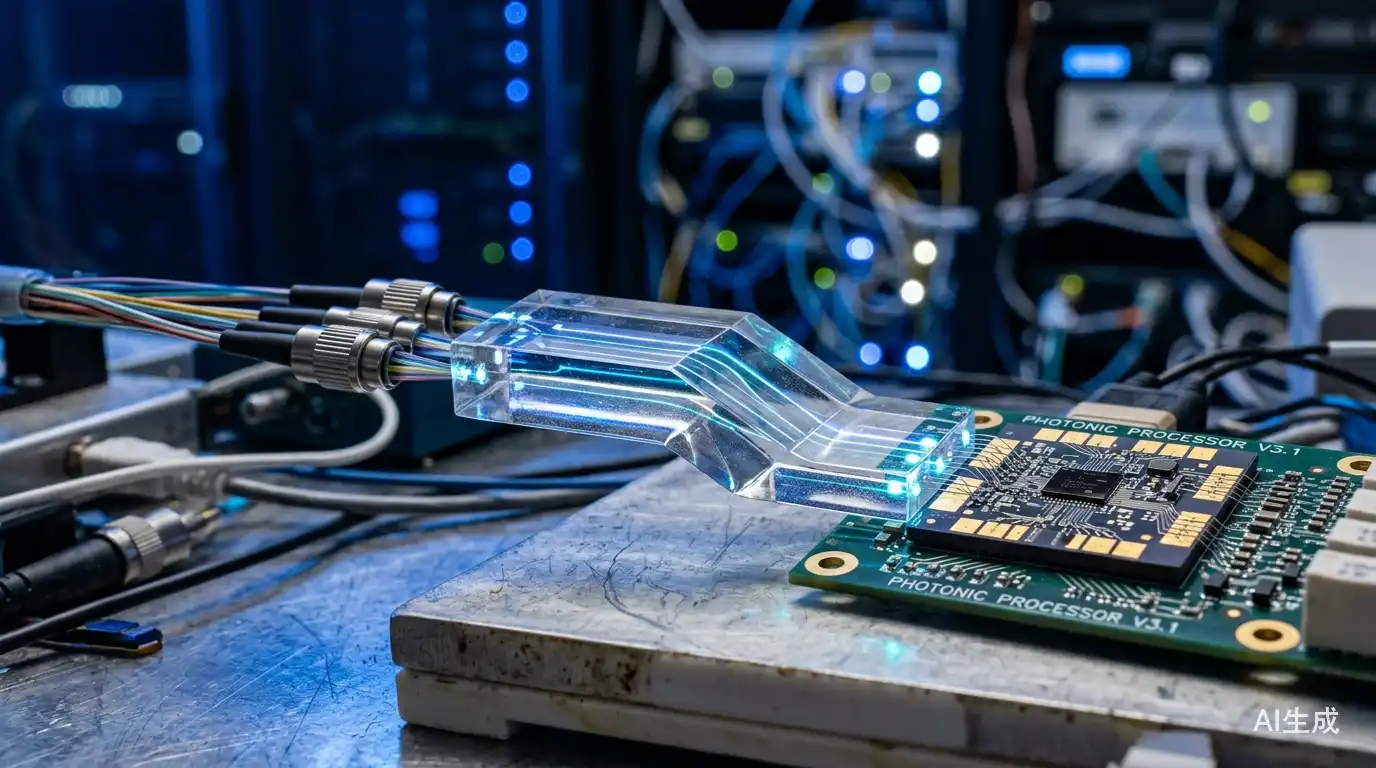
La 'Caída Abrupta' del CPO: ¿Cómo Opera Exactamente Glass Bridge? Explicación Oficial de Corning

El 26 de junio, el sector CPO en el mercado A chino cayó abruptamente, con múltiples acciones como ZTT, FiberHome y Yongding tocando límite de pérdidas. La caída fue provocada por el lanzamiento de la plataforma de interconexión óptica "Glass Bridge" de Corning, presentada en una conferencia en Seúl. La tecnología utiliza guías de onda de vidrio fabricadas a nivel de oblea para lograr el acoplamiento pasivo entre fibras ópticas y chips fotónicos, simplificando significativamente la compleja alineación activa requerida en la arquitectura CPO tradicional. Esto generó preocupación en el mercado sobre una posible reducción futura en la demanda de componentes como las unidades de matriz de fibras (FAU), afectando a fabricantes intermedios. Mientras el sector CPO caía, acciones relacionadas con sustratos de vidrio, como China Glass, Dyer Laser y Red Star Development, subían fuertemente, lo que indica un desplazamiento del capital hacia la cadena de valor de materiales avanzados. Según documentos técnicos de Corning, Glass Bridge opera basándose en tres características principales: fabricación a nivel de oblea para consistencia en producción masiva, una interfaz de contacto físico TMT estandarizada y una arquitectura de conector desmontable de alta densidad. La empresa aclara que esta tecnología complementa, no reemplaza por completo, las soluciones FAU existentes, aunque está diseñada para escenarios de densidad extremadamente alta. Analistas señalan que los sustratos de vidrio son vistos como un material clave para el empaquetado avanzado de próxima generación, especialmente ante la creciente demanda de chips de IA. El evento ha desencadenado una revaluación de la cadena de valor en la interconexión óptica para IA, con el foco de la industria desplazándose gradualmente hacia los materiales especializados aguas arriba.

marsbitHace 41 min(s)

La 'Caída Abrupta' del CPO: ¿Cómo Opera Exactamente Glass Bridge? Explicación Oficial de Corning

marsbitHace 41 min(s)

Trading

Spot
活动图片