What is the Near Protocol, and how does it work?

CointelegraphPublicado a 2022-02-18Actualizado a 2022-02-19

Resumen

Near Protocol is a DApp platform and Ethereum competitor that places a premium on the developer and user convenience.

What is Near protocol blockchain?

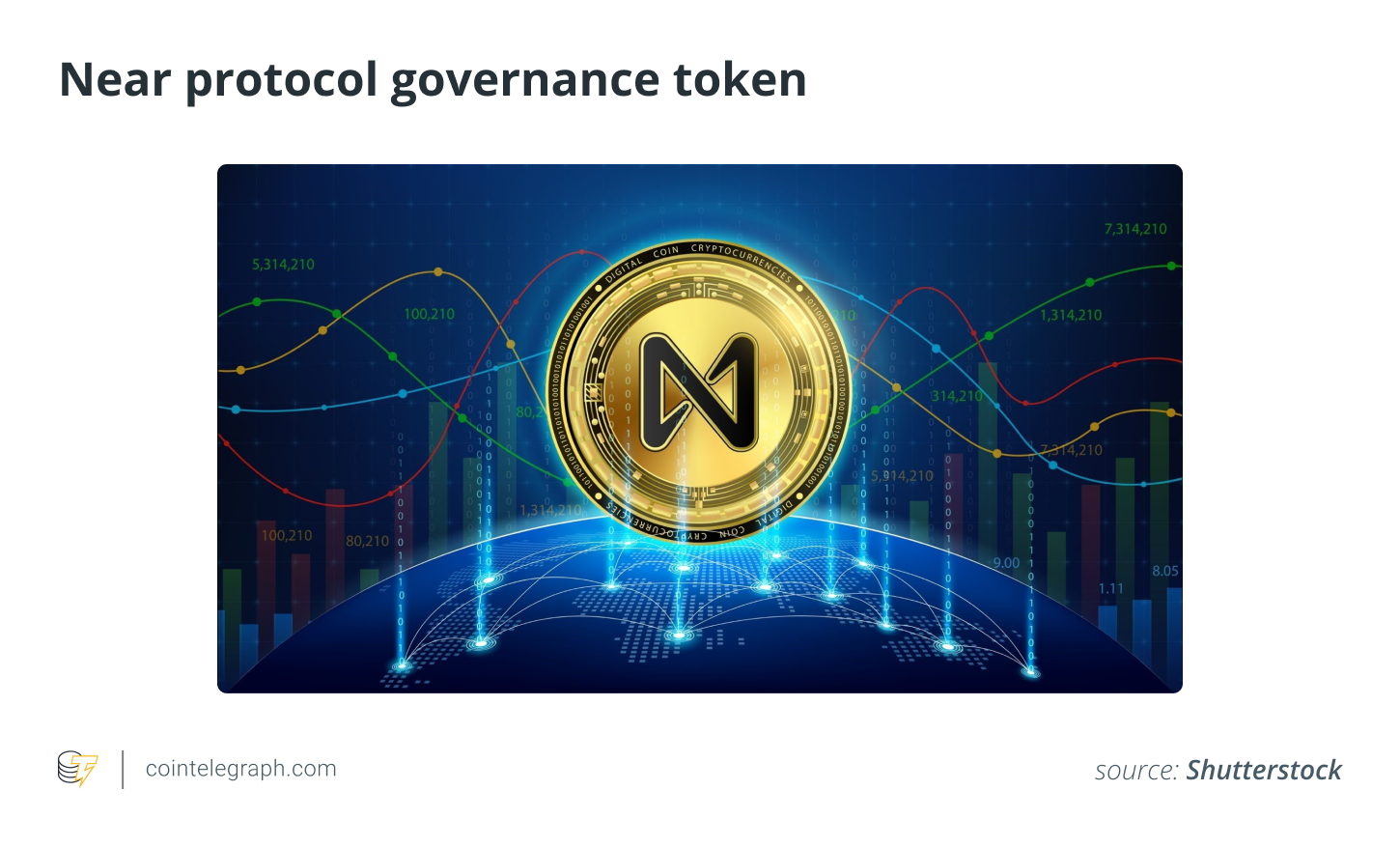
Near Protocol is a decentralized application (DApp) platform that focuses on usability among developers and users. As a competitor of Ethereum, NearProtocol is also smart-contract capable and a proof-of-stake (PoS) blockchain.

Near uses sharding technology to achieve scalability, a core aspect discussed later. The native token, NEAR, is used for transaction fees and storage on the Near crypto platform. Tokens can also be used for staking by NEAR tokenholders who wish to become transaction validators and help achieve network consensus.

Near was built by the NeaCollective and conceptualized as a community-run cloud computing platform designed to host decentralized applications. It was also built to be both developer and user-friendly, hence having features such as account names that are human-readable (instead of cryptographic wallet addresses).

How does Near Protocol work?

Decentralized applications have boomed in the crypto community, with DApps that run the gamut from games to financial services. However, it has also become apparent that scalability remains a problem in most blockchains.

The issue of scalability is common among blockchains, especially among older ones such as Bitcoin and Ethereum. The challenges are mainly brought about by blockchains' difficulty in handling large numbers of transactions at fast speeds and manageable costs.

Projects such as Near seek to address this issue by building an entirely new blockchain using a different architecture. Near’s solution to the problem was implementing sharding.

By using the sharding strategy, Near is able to break up the blockchain into smaller more manageable segments. This reduces the burden on the network by reducing computational load, resulting in an increased throughput of transactions.

As mentioned earlier, the Near protocol uses a PoS system. Nodes interested in becoming transaction validators stake their NEAR tokens to be considered for participation. Token holders may also delegate their stake to their chosen validator if they do not wish to operate a node.

Generally, validators with larger stakes hold more influence in the consensus process. Validators on Near are chosen via an auction system and are chosen at every epoch, typically a 12-hour interval.

Meanwhile, DApps can be built on Near, just like on Ethereum. This is made possible by Near’s cloud infrastructure, which combines serverless computing and decentralized data storage. Nea operates using hundreds of globally-located servers.

Unique features of Near Protocol

Sharding strategy

Nodes, in any blockchain, typically have three main functions: processing transactions, communicating valid transactions and completed blocks with each other and storing the history of the network’s transactions. As a network grows and becomes more congested, these functions become more difficult for the nodes to manage.

Nea uses a sharding approach that enables the network’s capacity to grow even as more nodes join. High network utilization results in network nodes dynamically splitting into multiple shards. Computing is then parallelized over these shards, reducing the computational load required of each node.

Through sharding, nodes are not required to run the entirety of the network’s code (which is the case with Bitcoin nodes), just the code relevant to its shards. Near Protocol assumes transactions will touch multiple shards, which is the default behavior for most smart contracts.

Focus on decentralization

To maintain true decentralization, a network should be permissionless, meaning that potential node operators should be able to join freely (as opposed to incentivizing pooling).

Near uses threshold proof-of-stake, a staking technique considered both fair and predictable. This prevents powerful validators from pooling and encourages wide-scale participation among network members.

Usability-first approach

The Near Protocol has a usability-first approach, following a “progressive security” model that allows developers to create a user experience resembling web experiences.

Near understands the need for usability first and foremost, as developers will likely only create apps that offer value and usability to their users. Near offers easy subscriptions, simple onboarding, predictable pricing and familiar usage styles to users as part of its efforts to pursue user-centricity.

Governance

Near Protocol’s governance also allows rapid protocol improvement while retaining the provision of helpful input and supervision towards the community to ensure the protocol’s independence.

A part of Near’s objectives is to retain community-led creativity through efficient execution, decision making and adequate representation within the network.
What are the projects based on Near?

Below are some of the popular projects on Near:

Mintbase

Mintbase allows users to create and sell Nearnonfungible tokens (NFTs). Assets range from crypto art to event tickets and more. Users can mint these assets as NFTs on the platform and put them up for sale via their NearNFT marketplace or other NFT marketplaces.

Minters can create a smart contract and limit minted token transferability, thereby safeguarding against fraud or illegal transfers. Mintbase focuses on supporting the creation of different digital assets, unlike other platforms that focus on just one category.

Mintbase switched from Ethereum to Near, earning NEAR yet another point on the Near vs. Ethereum debate. This switch was for no other reason than Ethereum’s ridiculously steep gas fees resulting from network congestion.

Mintbase called it quits with Ethereum when store creation fees rose to hundreds of dollars, resulting in the platform advising its users to wait for gas fees to drop before creating their stores.

Paras

Paras was designed to provide a unique solution: facilitating the validation and exchange of aging traditional collectible cards. Paras validates ownership via Near through fast inexpensive transactions.

Simply put, it’s a digital card marketplace built on Near that seeks to reduce the burden on collectors to maintain their collectibles by ensuring that these do not wear out over time. Artists and collectors are also given free access to the digital collectibles market.

NPunks

NPunks is Near Protocol’s own version of highly successful projects like CryptoPunks, Tpunks and SolPunks. Consistent with the original Punks project, 10,000 unique NPunks will have their own rarity traits. The collection will have 111 bots, 88 zombies, 24 apes and 9 aliens.

Fair participation is ensured by giving everyone the chance to buy an NPunk. Purchases are made randomly with the buyer’s identity kept secret until the transaction is completed. Users can then sell their NPunk in the secondary market after it has been minted.

Why use the Near Protocol?

Users are typically drawn to Near owing to its unique sharding technology that facilitates fast and secure transactions at lower costs. On top of this, developers choose Near to build apps that require high volumes of activity.

Likewise, Ethereum developers planning to build bridges to their application to Near can also use its layer-2 solutions. Near Protocol investors can also add it to their investment portfolio and bank on Near’s unique solution to scaling: sharding.

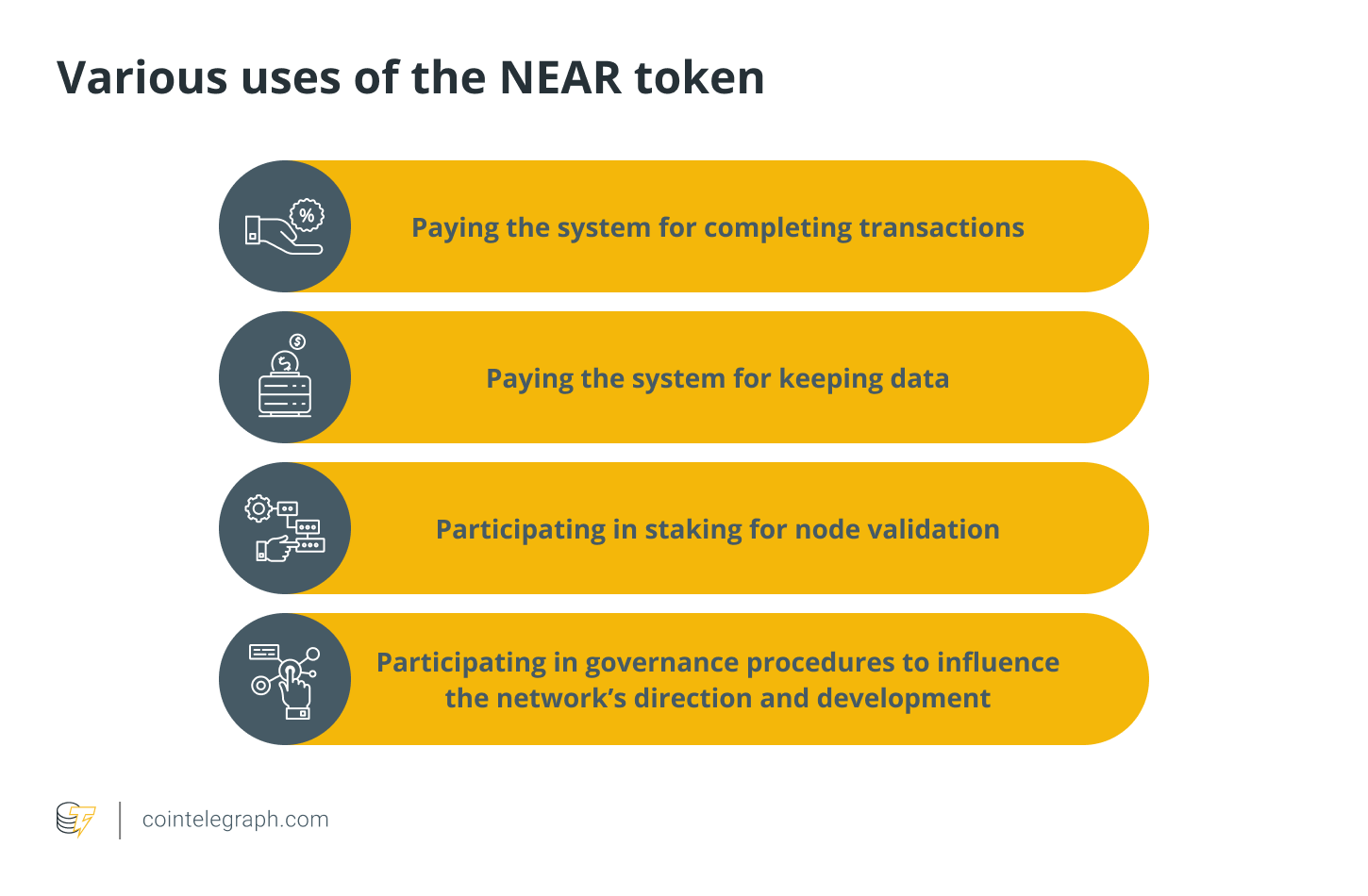
The NEAR token, Near Protocol’s native asset, has various use cases. Each token is identical to Ether (ETH) and can be used for the following:
Lecturas Relacionadas

La CPU, regresando sigilosamente al centro del escenario de la potencia computacional de IA

En los últimos tres años, la narrativa del cómputo de IA se centró casi exclusivamente en las GPU. Sin embargo, a partir de 2026, esta visión está cambiando. A medida que las cargas de trabajo de IA evolucionan desde el entrenamiento de modelos a gran escala hacia la inferencia masiva y la ejecución de agentes inteligentes, surge un nuevo cuello de botella: la orquestación, la concurrencia y el flujo de datos. El CPU está recuperando un papel central, no como proveedor principal de cómputo paralelo, sino como el "plano de control" de la infraestructura de IA. Este cambio es impulsado por la necesidad de gestionar miles de tareas ligeras, peticiones de inferencia y agentes simultáneamente, tareas para las cuales la arquitectura de GPU no está optimizada. Un ejemplo concreto: en los centros de datos de IA avanzados, como el proyecto "Fairwater" de Microsoft para OpenAI, extensos clusters de CPU son necesarios para sostener y gestionar las operaciones de los masivos clusters de GPU, manejando el flujo de datos y la planificación de tareas. Intel, con su nuevo procesador Xeon 6+ (fabricado en su proceso Intel 18A y con hasta 288 núcleos de eficiencia -E-cores), apuesta precisamente por este nicho. Su diseño prioriza la alta densidad de núcleos y la eficiencia energética para manejar cargas de trabajo de alto rendimiento y alta concurrencia propias de la inferencia y los agentes de IA. Sin embargo, el éxito de este "regreso del CPU" no está garantizado para Intel. Enfrenta una competencia multifacética: las soluciones integradas "CPU+GPU" de NVIDIA, el avance de los CPU ARM de alta densidad de AMD y Ampere, y la tendencia de los principales proveedores de nube (AWS, Google, Microsoft, Alibaba) a desarrollar sus propios CPU ARM personalizados para estos mismos workloads. En conclusión, la redefinición del CPU como el plano de control orquestador en la infraestructura de IA es una tendencia industrial clara. Que Intel, con su Xeon 6+, logre capitalizar esta oportunidad dependerá de su capacidad para competir en un panorama donde la arquitectura, el proceso de fabricación y los ecosistemas están en constante disputa.

marsbitHace 11 min(s)

La CPU, regresando sigilosamente al centro del escenario de la potencia computacional de IA

marsbitHace 11 min(s)

Tras colaborar con más de 35 proyectos DeFi, Pink Brains descubre las nuevas reglas del marketing KOL para 2026

Tras tres años trabajando con más de 35 proyectos DeFi líderes, hemos invertido el enfoque de marketing tradicional. La estrategia más efectiva no parte de la perspectiva del proyecto, sino del usuario: cómo descubre productos, cómo genera confianza y cómo se involucra realmente. Los usuarios DeFi suelen descubrir oportunidades en redes sociales como X, pero su proceso de decisión está impulsado por datos (DefiLlama, DeBank, Artemis, etc.). Por tanto, el objetivo en esta fase no es solo ser mencionado por cuentas confiables, sino que los datos fundamentales del proyecto (TVL, auditorías) sean sólidos cuando el usuario los verifique. En 2026, los usuarios se centran en temas con mecanismos verificables, no en eslóganes de marketing: * **Nuevas narrativas:** Perpetuos de RWA (activos del mundo real), "perpification", y la intersección Crypto×IA, donde importan los ingresos y el uso real (ej. Opentensor, Virtuals, Venice). * **Airdrops más exigentes:** Recompensan contribuciones genuinas (actividad sostenida, creación de contenido) con fuertes filtros anti-Sybil. * **Rendimiento real (Real Yield):** Los usuarios prefieren rendimientos generados por ingresos reales (tasas, liquidaciones) frente a los inflacionarios. Plataformas como Pendle facilitan el acceso a estas estrategias. * **Tokens con captura de valor:** Modelos donde el valor del token está vinculado directamente al uso del producto mediante recompra y quema, reparto de ingresos o deflación (ej. HYPE de Hyperliquid, VVV de Venice). * **Nuevos espacios de intercambio:** Mercados de predicción, intercambio de cartas coleccionables (ej. Collector Crypt en Solana) y GambleFi, que generan volumen y actividad verificables. **¿Qué hace que un usuario se quede?** La retención se basa en la utilidad en la vida real (ej. productos bancarios cripto), una tokenómica que refleje el valor del producto, y un soporte al cliente receptivo. Los airdrops pueden atraer, pero la retención a largo plazo requiere contribuciones auténticas. **Marketing con KOLs:** Es un error tratar a todos los KOLs por igual. Existen diferentes tipos (educadores, creadores de contenido, especialistas en airdrops, expertos verticales) para cada etapa del viaje del usuario. El contenido más efectivo es concreto y verificable (hilos paso a paso, análisis equilibrados), no genérico. Los errores comunes incluyen trabajar con creadores que no entienden el producto, contenido vacío, falta de alineación con la audiencia y dependencia excesiva de unos pocos KOLs. **Conclusión:** El plan de marketing DeFi más efectivo refleja el comportamiento real del usuario: el descubrimiento viene de voces creíbles, el interés de mecanismos verificables, y la retención de una tokenómica y un diseño de producto sólidos, no solo de mensajes de marketing. Los protocolos más exitosos son aquellos donde los KOLs generan conciencia, la investigación valida los argumentos, los usuarios comparten resultados reales y los datos en cadena demuestran un valor duradero más allá de los incentivos.

marsbitHace 29 min(s)

Tras colaborar con más de 35 proyectos DeFi, Pink Brains descubre las nuevas reglas del marketing KOL para 2026

marsbitHace 29 min(s)

Trading

Spot
Futuros

Artículos destacados

Cómo comprar NEAR

¡Bienvenido a HTX.com! Hemos hecho que comprar NEAR Protocol (NEAR) sea simple y conveniente. Sigue nuestra guía paso a paso para iniciar tu viaje de criptos.Paso 1: crea tu cuenta HTXUtiliza tu correo electrónico o número de teléfono para registrarte y obtener una cuenta gratuita en HTX. Experimenta un proceso de registro sin complicaciones y desbloquea todas las funciones.Obtener mi cuentaPaso 2: ve a Comprar cripto y elige tu método de pagoTarjeta de crédito/débito: usa tu Visa o Mastercard para comprar NEAR Protocol (NEAR) al instante.Saldo: utiliza fondos del saldo de tu cuenta HTX para tradear sin problemas.Terceros: hemos agregado métodos de pago populares como Google Pay y Apple Pay para mejorar la comodidad.P2P: tradear directamente con otros usuarios en HTX.Over-the-Counter (OTC): ofrecemos servicios personalizados y tipos de cambio competitivos para los traders.Paso 3: guarda tu NEAR Protocol (NEAR)Después de comprar tu NEAR Protocol (NEAR), guárdalo en tu cuenta HTX. Alternativamente, puedes enviarlo a otro lugar mediante transferencia blockchain o utilizarlo para tradear otras criptomonedas.Paso 4: tradear NEAR Protocol (NEAR)Tradear fácilmente con NEAR Protocol (NEAR) en HTX's mercado spot. Simplemente accede a tu cuenta, selecciona tu par de trading, ejecuta tus trades y monitorea en tiempo real. Ofrecemos una experiencia fácil de usar tanto para principiantes como para traders experimentados.

398 Vistas totalesPublicado en 2024.12.10Actualizado en 2026.06.02

Cómo comprar NEAR

Discusiones

Bienvenido a la comunidad de HTX. Aquí puedes mantenerte informado sobre los últimos desarrollos de la plataforma y acceder a análisis profesionales del mercado. A continuación se presentan las opiniones de los usuarios sobre el precio de NEAR (NEAR).

活动图片