US Charges Trio In Brutal Crypto Wrench Attack Campaign

bitcoinistPublished on 2026-05-13Last updated on 2026-05-13

Abstract

A federal grand jury in San Francisco has indicted three men from Tennessee—Elijah Armstrong, Nino Chindavanh, and Jayden Rucker—on charges including conspiracy to commit robbery and kidnapping. The group is accused of carrying out a series of violent "wrench attacks" across California between November and December last year. Posing as delivery drivers to gain entry into victims' homes, they used threats and physical violence to force the victims to surrender their cryptocurrency seed phrases, stealing at least $6.5 million. Authorities highlight that such violent crimes targeting crypto owners are becoming more common, exploiting the public visibility of on-chain wealth. The case underscores a critical vulnerability in digital asset security, as seed phrases obtained under duress grant irreversible control over wallets.

A federal grand jury in San Francisco has indicted three Tennessee men on charges that include conspiracy to commit robbery and kidnapping after prosecutors say the group carried out a series of wrench attacks — crimes where victims are physically threatened or harmed to force them to hand over crypto — stealing at least $6.5 million from victims across California.

A Violent Scheme With A Simple Disguise

Elijah Armstrong, Nino Chindavanh, and Jayden Rucker allegedly posed as delivery drivers to get inside their targets’ homes. Once in, they used threats of violence to force victims to hand over their crypto seed phrases — the recovery keys that grant full access to a digital wallet.

According to the Justice Department, the attacks took place between November 22 and December 31 last year across the Los Angeles area and the San Francisco Bay Area. Prosecutors identified at least four people targeted during that period.

One victim was forced to transfer $6.5 million in cryptocurrency to a wallet controlled by the group. That figure represents the bulk of what prosecutors say was stolen during the entire campaign.

BTCUSD now trading at $80,649. Chart: TradingView

Craig Missakian, the US Attorney for the Northern District of California, did not mince words. “These individuals, as alleged, terrorized their victims in the hopes of stealing vast sums of cryptocurrency,” he said in a statement Monday. “The scheme was not only sophisticated, it was brazen, violent, and dangerous.”

Physical Attacks On Crypto Owners Are Rising

The three men were arrested in December. Armstrong and Rucker are scheduled to appear in court Tuesday. Chindavanh is set to appear June 26. All three face charges of conspiracy to commit robbery, conspiracy to commit kidnapping, attempted robbery, and attempted kidnapping.

Reports from blockchain intelligence firm TRM Labs indicate that attacks like these have grown more common because personal data is easier than ever to find online.
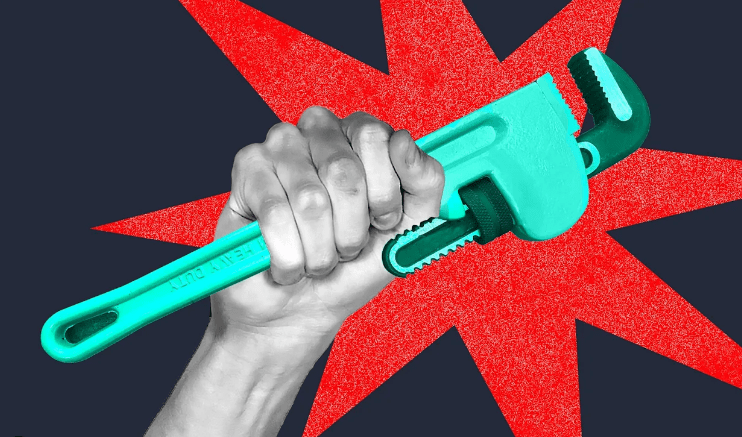
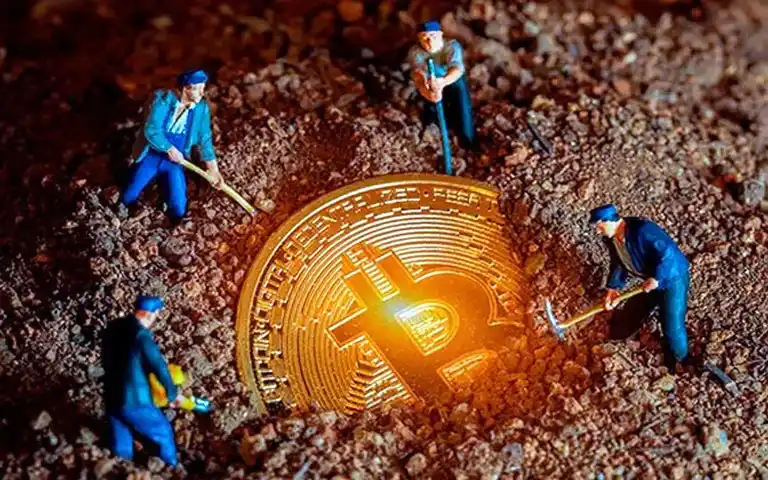
Crypto wrench attacks are turning digital wealth into a real-world target.
 Image: Yahoo News

The public nature of crypto wealth — visible on-chain to anyone who knows where to look — combined with the perceived anonymity of transactions has made holders attractive targets for criminals willing to use force.

The California cases are not isolated. French authorities charged 88 people in April in connection with similar attacks on cryptocurrency owners in that country.

Seed Phrases And The Limits Of Digital Security

Physical attacks of this kind expose a gap that no encryption can fix. A seed phrase, once spoken under duress, hands over complete control of a wallet with no way to reverse a transfer after the fact. The indictment, filed in federal court in San Francisco, was unsealed Monday.

Featured image from Pexels, chart from TradingView

Related Questions

QWhat specific charges were the three Tennessee men indicted for?

AThey were indicted on charges of conspiracy to commit robbery, conspiracy to commit kidnapping, attempted robbery, and attempted kidnapping.

QWhat was the total amount of cryptocurrency prosecutors say was stolen from the primary victim?

AProsecutors say at least $6.5 million in cryptocurrency was transferred by one victim to a wallet controlled by the group.

QAccording to the article, how did the suspects gain access to their victims' homes?

AThey allegedly posed as delivery drivers to get inside their targets' homes.

QWhat critical piece of information did the attackers force their victims to hand over to access the crypto wallets?

AThey forced victims to hand over their crypto seed phrases, which are the recovery keys that grant full access to a digital wallet.

QWhat is one reason, mentioned in the article from TRM Labs, for the rise in physical attacks against crypto owners?

AReports indicate such attacks have grown more common because personal data is easier than ever to find online, and the public nature of on-chain crypto wealth makes holders attractive targets.

Related Reads

Winter for Crypto IPOs: Consensys and Ledger Withdraw Applications

The crypto IPO window is tightening significantly in 2026, marked by prominent companies delaying or pausing their public listing plans. Following a successful 2025 "harvest year" that saw Circle, Bullish, and Gemini go public amidst a bull market, the tide has turned. Consensys, developer of MetaMask, recently postponed its IPO until at least fall 2026. Hardware wallet leader Ledger also suspended its planned US listing due to unfavorable market conditions, with Kraken having previously delayed its own plans. This shift is driven by a cooling market in 2026, characterized by a significant Bitcoin price correction, declining trading volumes, and reduced investor risk appetite for crypto stocks. The poor post-IPO performance of 2025 listings like Circle and Bullish, which saw major share price declines, has heightened investor caution. This contrasts sharply with the current AI sector, where companies like SpaceX, OpenAI, and Anthropic are commanding massive valuations and investor enthusiasm based on narratives of stable, exponential growth. Crypto companies now face pressure to transition from hype-driven models to demonstrating reliable cash flows and robust compliance. While the paused IPO plans may lead to valuation resets and affect ecosystem liquidity, they also accelerate industry consolidation toward stronger, more compliant infrastructure players. A potential recovery in Bitcoin's price and clearer regulations could reopen the IPO window in the latter half of 2026.

marsbit1h ago

Winter for Crypto IPOs: Consensys and Ledger Withdraw Applications

marsbit1h ago

ChatGPT Can Manage Your Money for You. Would You Trust It with Your Bank Account?

OpenAI has launched a personal finance tool for ChatGPT, currently in preview for US-based ChatGPT Pro users. This feature allows users to connect their bank and investment accounts (via Plaid, supporting over 12,000 institutions) directly to ChatGPT. It analyzes transactions, generates visual dashboards, and offers conversational financial advice—such as budgeting or planning for major purchases—based on the user's actual data. This move follows OpenAI's acquisitions of fintech startups Roi and Hiro Finance, signaling a strategic push into vertical "super assistant" applications, similar to its earlier health-focused feature. However, the launch has sparked significant privacy concerns. Critics question the safety of granting such sensitive financial access to an AI, especially amid ongoing lawsuits alleging OpenAI shared user chat data with third parties like Meta and Google. OpenAI emphasizes that ChatGPT only reads data (no transaction capabilities), deletes it within 30 days if disconnected, and offers opt-out options for model training. Yet, trust remains a major hurdle. The trend reflects a broader industry shift: AI companies like Anthropic and Perplexity are also targeting high-value, data-rich domains like finance and health. While technically promising, the tool operates in a regulatory gray area—it provides personalized guidance but disclaims formal financial advice or liability. Ultimately, OpenAI's challenge is convincing users to trust an AI with their most private financial information.

marsbit1h ago

ChatGPT Can Manage Your Money for You. Would You Trust It with Your Bank Account?

marsbit1h ago

Trading

Spot
Futures
活动图片