At WAIC, for the first time, I felt AI doesn't need to be that smart
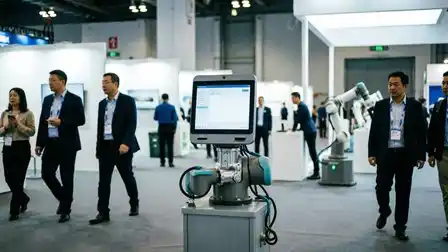
At WAIC, the author initially planned a brief visit but ended up spending nearly 20 minutes in a quiet booth featuring an AI music therapy system developed by Shanghai Music University. Unlike the bustling main hall filled with robot demos, new model launches, and crowds, this space used brainwave monitoring to generate personalized, calming music—offering a moment of peace without any mention of technical specs.
This experience highlighted a key contrast at the conference: while most exhibits focused on advancing AI's capabilities—such as agents, compute, robotics, and efficiency tools—the music therapy system stood out by addressing human emotional needs rather than productivity. The author reflects that as AI grows more powerful and integrated into devices, the industry's focus on intelligence and efficiency often overlooks deeper human concerns like anxiety, fatigue, and the need for companionship.
The article suggests that the next phase of AI should balance technological advancement with a deeper understanding of human well-being. Beyond building faster tools, there is growing potential for AI to serve as an "emotional infrastructure"—supporting mental health, elderly care, and personal connection—where true value lies not just in capability, but in meaningfully improving daily life.
marsbit5h ago