The 7 Golden Rules of Crypto Marketing

marsbitPublished on 2026-01-07Last updated on 2026-01-07

Abstract

The 7 Golden Rules of Crypto Marketing outlines a strategic shift towards conversion efficiency in 2026. The core principle is building a system that consistently transforms user trust, built through content and creators, into tangible on-chain actions like user growth, liquidity, and trading volume. The seven key rules are: 1. **Content as Infrastructure:** Prioritize deep, educational content (analyses, market commentary) that builds lasting familiarity and trust over multiple market cycles, as seen with Moonpay and Phantom. 2. **Personal Trust over Brand Accounts:** Leverage credible individuals (founders, analysts) as the primary trust vehicles, with official accounts playing a supporting role, exemplified by Kalshi and Polymarket. 3. **Targeting via On-Chain Behavior:** Use observable on-chain data to segment audiences and tailor messaging for higher conversion, a strategy effectively used by Jupiter. 4. **High-Engagement Narrative:** Focus on a single, product-aligned core narrative (e.g., Polymarket's "real-world markets") to solidify market positioning. 5. **Output-Oriented Communities:** Build communities where value is measured by members' tangible contributions (content, governance, events), enabling scalable growth as in the Solana ecosystem. 6. **Aligned Creator Incentives:** Partner with creators using performance-based models (revenue/share) to ensure quality content and long-term advocacy, even in bear markets. 7. **Financialized Marketing:** Measure a...

Written by: Abhi

Compiled by: Chopper, Foresight News

Crypto marketing in 2026 will be driven by conversion efficiency as its core. Outstanding teams are building a system that consistently transforms content, creators, and credibility into on-chain actions. When user trust can be steadily converted into tangible actions time and again, marketing effectiveness grows exponentially; conversely, if it only attracts user attention but fails to drive subsequent actions, its value diminishes continuously.
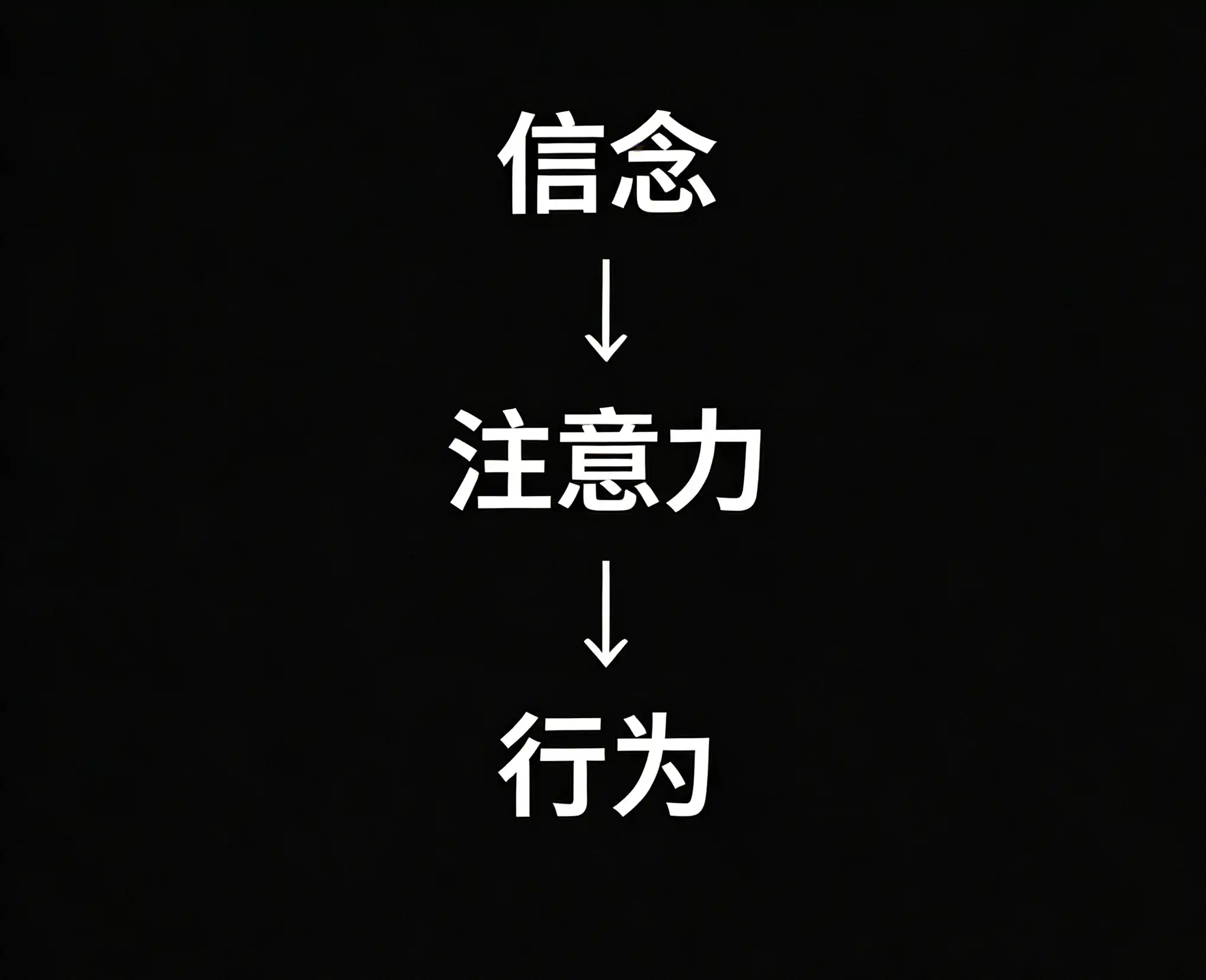
We view marketing as a quantifiable system. Our core work is tracking how content, creators, and marketing campaigns convert user trust into tangible outcomes, such as user growth, liquidity injection, increased trading volume, and improved user retention. The key to winning in 2026 marketing lies in identifying the narratives and communication channels that truly drive user on-chain behavior.

Quality Content as the Core

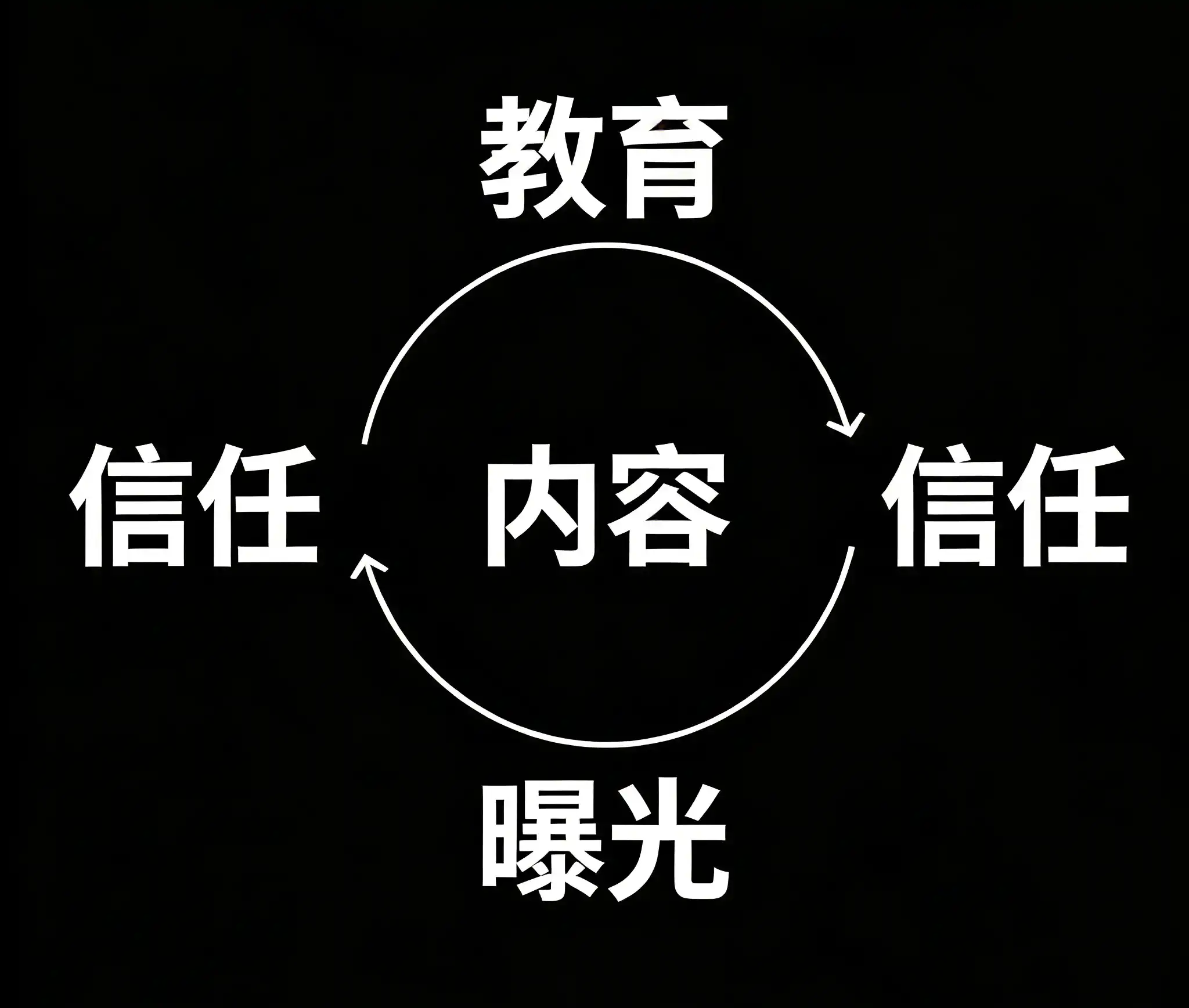
Content marketing is currently the most important yet most undervalued aspect of crypto marketing. In-depth long-form analyses, market trend commentaries, and insights from industry practitioners shape users' perceptions of a product even before they interact with it.

Top-tier teams treat content as "infrastructure." This type of content is not designed for short-term gains but is sustainable, accumulative, and explanatory. Over time, it builds user familiarity and trust across multiple market cycles.

Case Study: Moonpay and Phantom heavily rely on consistently published market commentaries and video content. Their user growth is driven by users repeatedly encountering clear explanations of how the market operates and the value it provides.
Personality Trust Above All

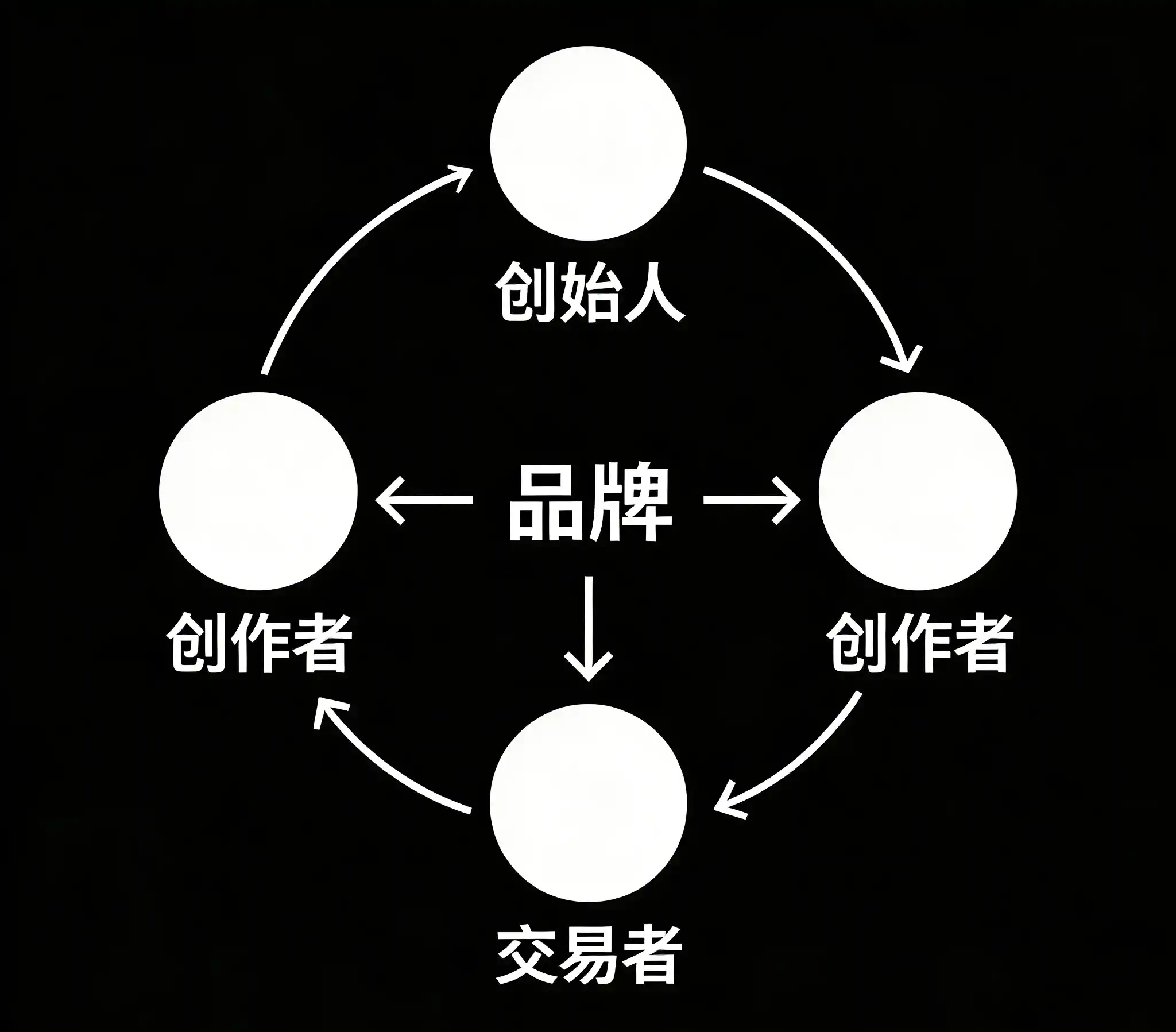
In practice, user reach and conversion in crypto are often achieved through credible individuals rather than official institutional accounts. Project founders, traders, analysts, and developers are the core carriers of user trust. The role of a brand's official account should be to support, amplify, and archive, not to lead marketing.

Teams that understand this well deliberately design communication strategies around a few core individual accounts and involve these key figures early in shaping the narrative direction and controlling the marketing tempo.

Case Study: The user growth of Kalshi and Polymarket largely did not come from brand-led marketing campaigns but from practitioners explaining the platform's market logic to the outside world through their personal accounts.
Target the Right Audience

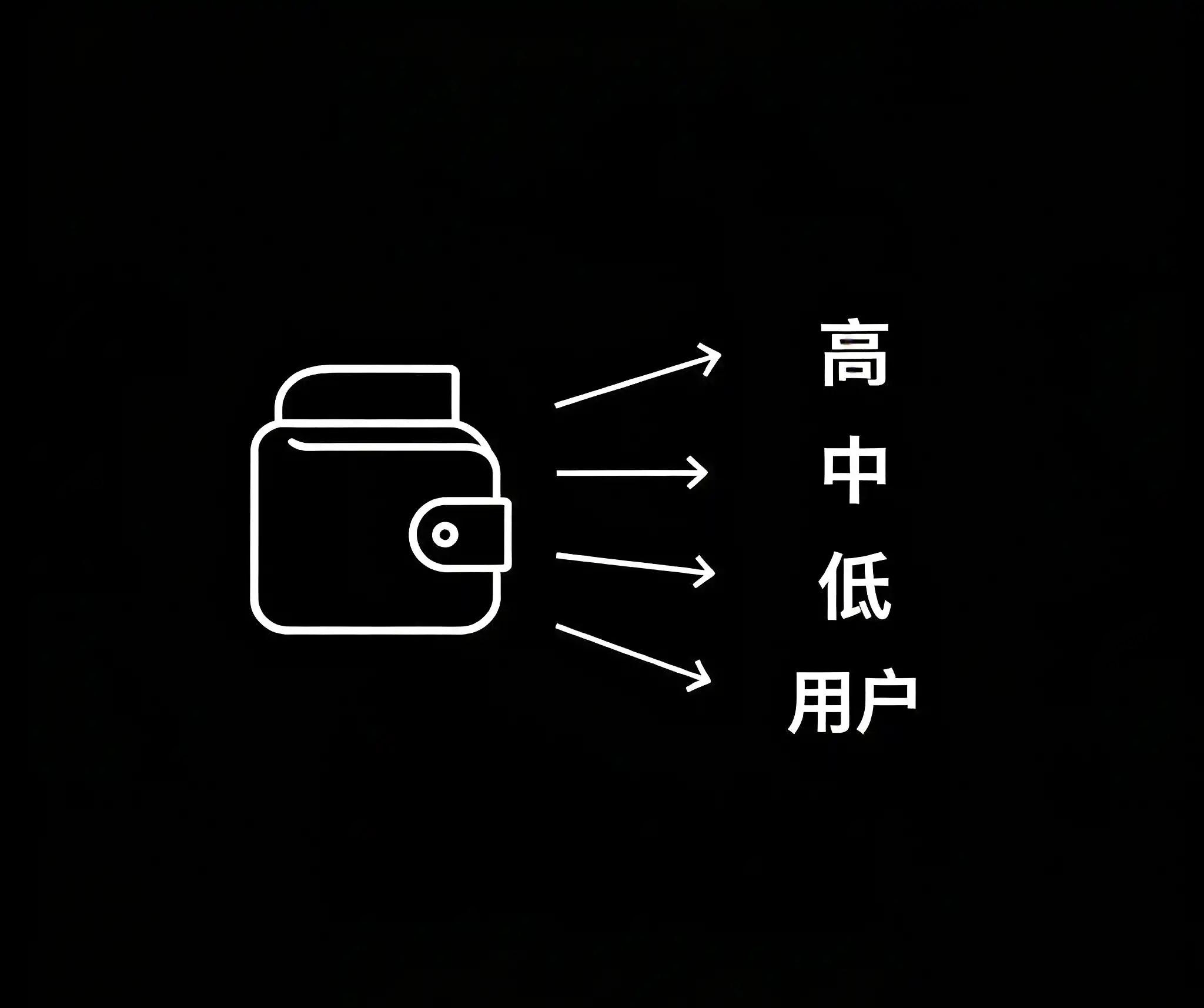
Once the foundation of trust and communication channels are built, conversion effectiveness depends on audience targeting. In 2026, the core criterion for judging audience fit is users' observable on-chain behavior. A wallet's transaction history directly reflects a user's investment intent, level of expertise, and willingness to act.

Efficient marketing systems segment users based on their on-chain behavior and then tailor marketing messages and call-to-actions accordingly. This strategy reduces marketing resource waste and increases user product engagement depth.

Case Study: Jupiter consistently designs its messaging around the behavioral characteristics of active traders. The platform pushes different narrative content and tool guidance based on how users interact with the product, ultimately achieving higher conversion and retention rates.
Craft a Sticky Narrative

Excellent teams choose a core narrative and consistently adhere to it in product design, content output, and partnership promotions. This core narrative must precisely match the product's core functionality while clearly communicating its current value. Secondary narratives are intentionally downplayed.

This strategy shortens the user's cognitive cycle and helps the product establish a solid position in the market.

Case Study: Polymarket has always operated around the core narrative of "expressing real-world information through markets." Product design and content output continuously reinforce this perception, ensuring its market positioning remains clear and defined even as the platform scales.

Build a High-Value Community

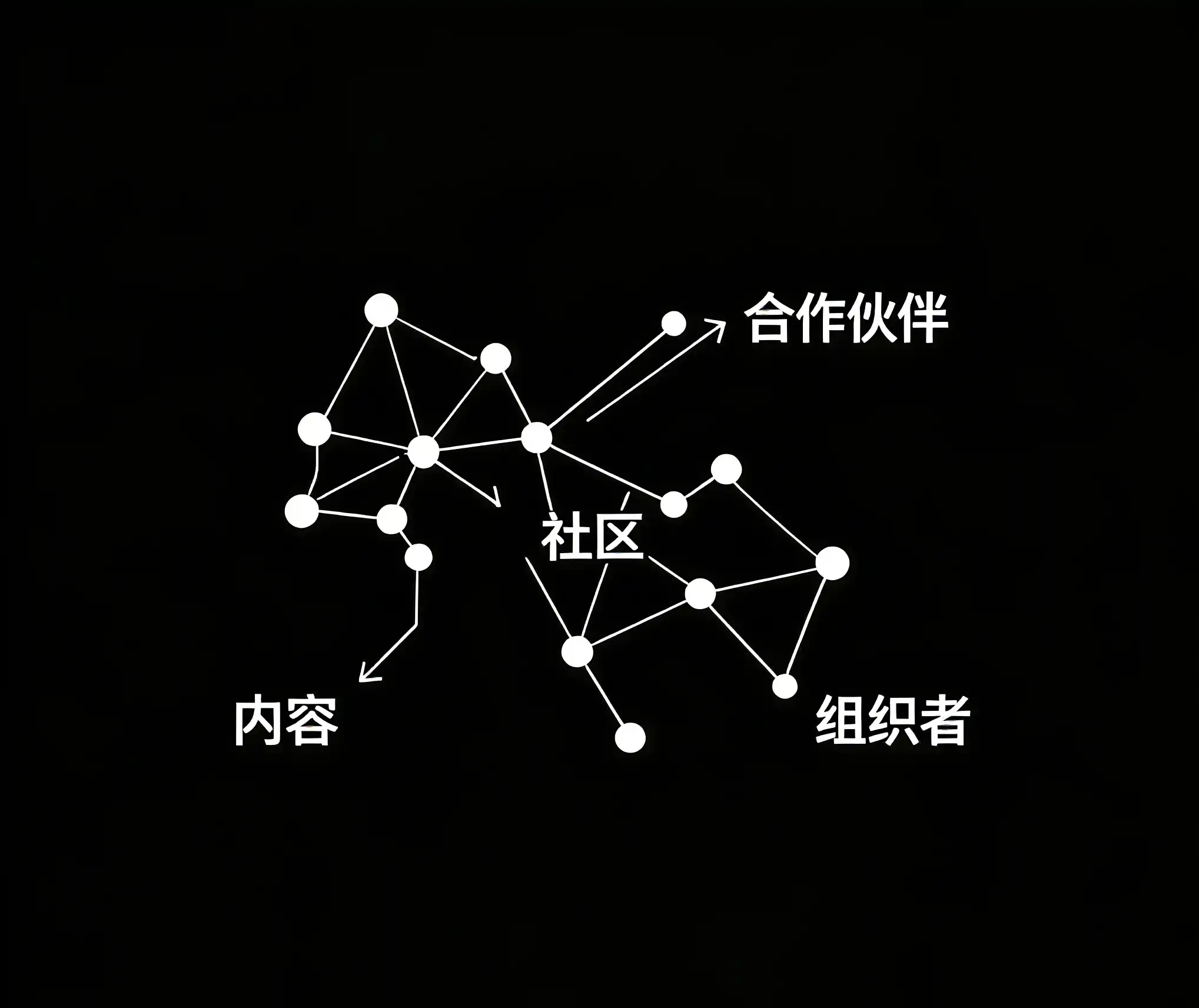
Effective community management is output-oriented at its core. Community members contribute value by creating content, participating in governance, driving localization efforts, expanding partnership resources, and organizing offline events. The measure of user participation is actual contribution, not mere activity.

This model allows teams to scale community influence without increasing human resource costs.

Case Study: The development of the Solana ecosystem benefited greatly from the spontaneous efforts of numerous independent developers and regional operators. They strengthened ecosystem consensus while independently expanding user reach and product use cases.
Partner with Creators Aligned for the Long Term

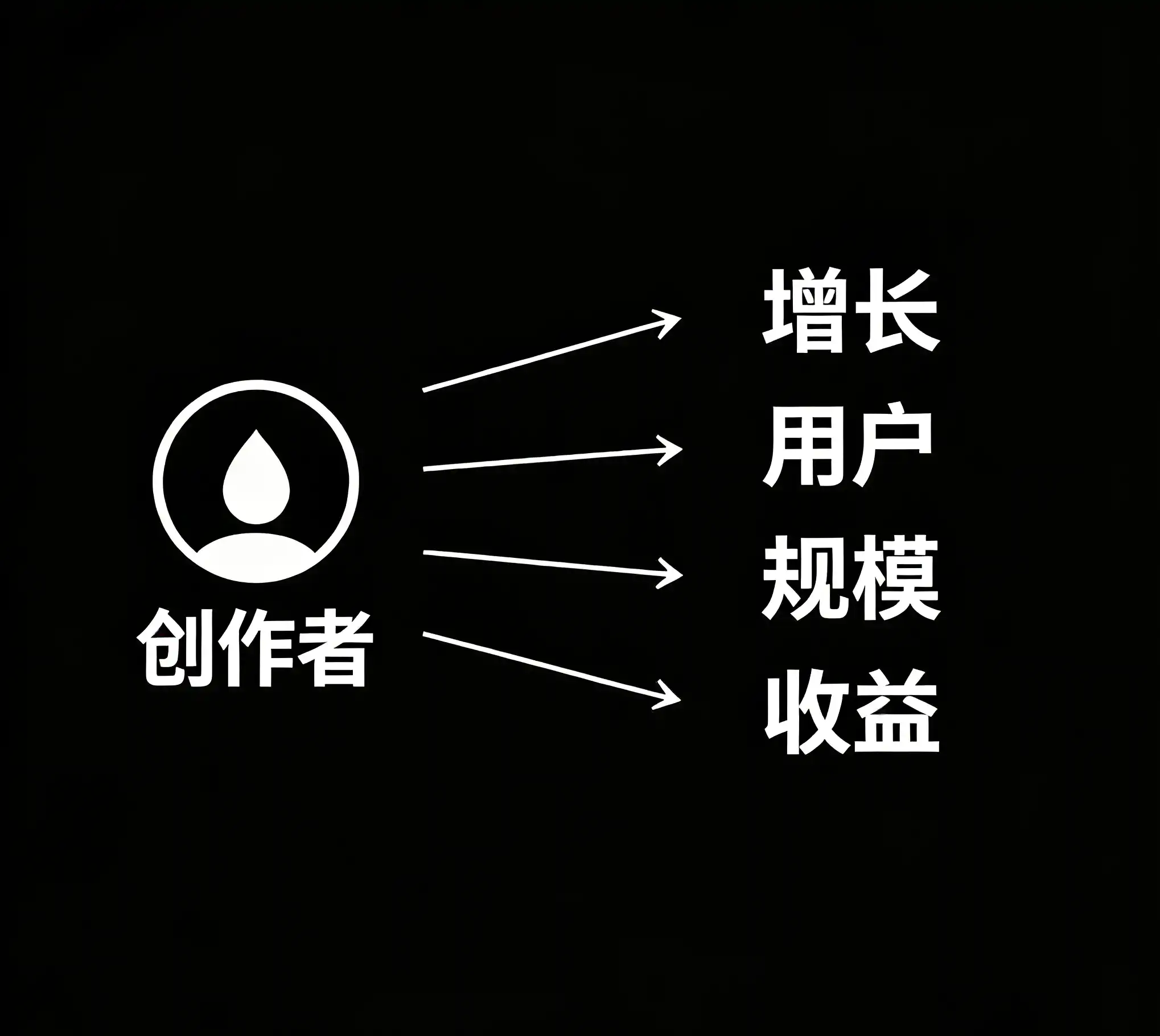
Collaboration models with creators will involve fixed service fees, performance-based incentive sharing, or revenue-binding mechanisms tied to product usage or transaction volume. This alignment of interests drives creators to produce higher-quality content and continue advocating for the product even during non-speculative cycles.

Case Study: Polymarket benefits from such long-term creator partnerships. These creators consistently produce market commentary content for the platform because their earnings are linked to the platform's actual usage volume, not short-term traffic exposure.
Financialized Marketing

By 2026, the mainstream model for crypto marketing will be financialized marketing. The value of information, content, and communication channels will be measured by the quantifiable outcomes they drive. Marketing decisions will be made using the same data dashboard as product decisions and growth decisions.

This model eliminates the blindness of marketing decisions while strengthening accountability for the marketing team's results.

Case Study: Polymarket can directly convert information into platform trading volume, while Kalshi can transform market analysis and interpretation into user engagement. In both cases, user trust is directly converted into tangible economic behavior.

Conclusion

Crypto marketing in 2026 favors teams that treat user trust as a system rather than a series of one-off campaigns. Content is the foundation of trust, individuals are the carriers of trust, and data is the bridge that converts trust into action.


Trending Cryptos

Related Questions

QWhat is the core driving force of cryptocurrency marketing in 2026 according to the article?

AThe core driving force of cryptocurrency marketing in 2026 is conversion efficiency, focusing on building a framework that consistently transforms content, creators, and credibility into on-chain actions.

QWhy is content marketing considered both the most important and most undervalued part of crypto marketing?

AContent marketing is crucial because it shapes user perception of a product before they even interact with it, yet it is often undervalued as teams prioritize short-term gains over long-term, infrastructure-like content that builds familiarity and trust across market cycles.

QHow do the most effective teams approach building trust with their audience in crypto marketing?

AEffective teams build trust by centering their strategies around credible individuals (such as founders, traders, and analysts) rather than official brand accounts, and they involve these key figures early in narrative development and marketing节奏 control.

QWhat role does on-chain behavior play in targeting the right audience for crypto marketing campaigns?

AOn-chain behavior, such as wallet transaction histories, serves as the primary indicator for audience targeting, allowing teams to segment users based on investment intent, expertise, and willingness to act, thereby reducing resource waste and improving conversion rates.

QWhat is marketing financialization, and how does it change decision-making in crypto marketing?

AMarketing financialization is the prevailing model where the value of information, content, and channels is measured by the quantifiable results they drive, such as user growth or transaction volume. It eliminates盲目性 in marketing decisions by integrating data dashboards used for product and growth strategies, enhancing accountability.

Related Reads

After Three Consecutive Quarters of Decline, Can the Crypto Market Find a Window for Stabilization in Q3?

The cryptocurrency market has just concluded its worst-performing quarter since 2022, with total capitalization dropping 12.6% to $2.1 trillion. All core metrics indicate capital is leaving the sector, not just rotating within it. Bitcoin fell 14.2% and Ethereum dropped 25.4% in Q2, breaking their previous correlation with US tech stocks. A key driver is the reversal in US spot Bitcoin ETF flows, which saw a net outflow of approximately $4.67 billion in Q2, including a record monthly outflow near $4.5 billion in June. While recent data suggests long-term holders are accumulating again, sustained ETF outflows mean continued selling pressure. Market focus is now singularly on the Federal Reserve. The upcoming July FOMC meeting is seen as the most critical event for Q3. A dovish signal could support Bitcoin reclaiming a $68,000-$84,000 range, while a hawkish stance might establish a new trading band around $50,000-$56,000. Additionally, regulatory uncertainty persists, with the progress of the crucial *CLARITY Act* stalling in the Senate, reducing its perceived 2026 passage probability to 40-45%. Despite the broad downturn, a few sectors showed growth. Prediction markets saw nominal volume surge 48.7% year-over-year to $113.8 billion, and tokenized collectibles transaction volume rose 143% quarterly to $1.4 billion. The Real-World Asset (RWA) tokenization sector also continued steady growth, now representing ~$28.1 billion in on-chain value. The market's foundation for an extreme crash appears limited, with Bitcoin price hovering near its 200-week moving average. However, the trading paradigm has shifted from narrative-driven speculation to decisions based on price action, policy developments, and interest rate expectations, making a broad sentiment-driven rally unlikely in the near term.

marsbit10h ago

After Three Consecutive Quarters of Decline, Can the Crypto Market Find a Window for Stabilization in Q3?

marsbit10h ago

BIT Trading Moment: BTC Still Suppressed by Weekly 200 EMA, Rejection May Restart Decline; Storage and Semiconductors that Surged Last Night Begin Falling in Evening Trading

**Crypto & Stock Market Wrap: Bitcoin Tests Resistance, Stocks Retreat After AI Surge** Bitcoin consolidates around $66,000, facing key resistance near $68,000—an area seen as a major psychological and technical hurdle where previous rallies have failed. Analysts note the cryptocurrency is caught between its 200-week moving average (~$63,333) and 200-week EMA (~$68,328). A clear break above $68k is needed to signal a stronger bullish trend, while a rejection could lead to a retest of $63k support. Market sentiment remains cautious, with low futures open interest pointing to a low-liquidity rebound rather than a full bull market. Bitcoin spot ETFs saw another $203 million inflow. US stock futures pointed lower after a strong Tuesday session led by a massive rebound in semiconductors and memory stocks. The rally was fueled by renewed optimism about AI-driven hardware demand, with Micron, SanDisk, and SK Hynix surging. However, those gains reversed in pre-market trading. Super Micro Computer (SMCI) soared over 20% after hours on strong guidance and a record backlog. Other standouts included Rocket Lab and nuclear energy plays Oklo and X-Energy. Rising oil prices (Brent above $91) and climbing Treasury yields (10-year near 4.64%), however, are reigniting inflation concerns and acting as a headwind for equities. In Asia, markets were mixed. South Korea's KOSPI pared early gains to close slightly higher as semiconductor stocks like SK Hynix gave back initial surges. Japan's Nikkei edged lower as the yen hit a fresh 38-year low against the dollar, raising fears of potential market intervention. Key events to watch include the Samsung Galaxy launch, AMD's AI event, and a slew of major tech earnings from Alphabet, Tesla, and IBM after the close on Wednesday, followed by the ECB meeting and Intel's earnings on Thursday.

marsbit10h ago

BIT Trading Moment: BTC Still Suppressed by Weekly 200 EMA, Rejection May Restart Decline; Storage and Semiconductors that Surged Last Night Begin Falling in Evening Trading

marsbit10h ago

Former CFTC Chairman, Circle President Tarbert: Preaching Long-Termism While Cashing Out $30 Million Himself

Former CFTC Chairman and Circle President Heath Tarbert has consistently advocated for a long-term vision in public, urging patience from investors as Circle’s stock price has fallen significantly from its peak. However, it has been revealed that since Circle’s IPO, Tarbert has continuously sold his CRCL shares through pre-arranged trading plans, cashing out approximately $30 million, without making any public market purchases. This contrast between his public messaging and personal actions has drawn criticism. Tarbert joined Circle in July 2023 as Chief Legal Officer, leveraging his regulatory experience to help guide the company through its IPO and expansion. Despite promoting stablecoins as long-term infrastructure, he established a 10b5-1 trading plan just before Circle went public, leading to substantial stock sales over the following year. In March 2026, he initiated another plan to sell more shares. His career trajectory highlights a pattern of moving between high-level regulatory roles and influential positions in the financial sector. After resigning as CFTC Chairman in early 2021, he joined Citadel Securities as Chief Legal Officer just 27 days later, during a period of intense regulatory scrutiny for the firm. He later joined Circle, aiding its efforts to navigate regulatory challenges for its public listing. While Tarbert's expertise in policy and compliance is valuable to companies like Circle, his actions—advocating long-term confidence while personally divesting—raise questions about the alignment between his public statements and his private financial decisions, leaving investors who followed his advice to bear the market risks.

marsbit11h ago

Former CFTC Chairman, Circle President Tarbert: Preaching Long-Termism While Cashing Out $30 Million Himself

marsbit11h ago

Gate Research Institute: The 'Wall Street-ization' Wave of Crypto Financial Products – Competition or Integration?

The article titled "Gate Research Institute: Are Crypto Financial Products Sparking a 'Wall Street' Wave—Competition or Convergence?" explores the evolving relationship between the crypto ecosystem and traditional finance (TradFi). The piece begins by reflecting on Bitcoin's original 2009 vision of decentralization, disintermediation, and moving away from banks. It then contrasts this with the 2024 landscape, where key crypto assets like Bitcoin are increasingly held through Wall Street products like ETFs issued by giants like BlackRock. The article questions whether this signifies that TradFi is systematically taking over the rights to issue, price, custody, and distribute crypto financial assets. The core argument is that this is not a zero-sum takeover but rather a bidirectional convergence where each side addresses the other's weaknesses. Crypto offers 24/7 global markets, programmable settlement, and open access but lacks compliant channels, institutional-grade custody, deep fiat liquidity, and mainstream distribution. TradFi possesses these but is constrained by legacy systems, limited operating hours, and slow settlement. Two primary convergence paths are highlighted: * **Path A (CEX to TradFi):** Exemplified by Gate, which has progressed from offering tokenized stocks and CFDs to providing direct, real stock trading (US, Hong Kong, South Korea) within its platform, using USDT. * **Path B (TradFi to Crypto):** Exemplified by Robinhood, which has integrated crypto trading, acquired exchanges like Bitstamp, and is moving traditional assets like stocks onto the blockchain via tokenization and its own Layer 2. Both paths are ultimately competing to become the next-generation, unified financial account—a "super account" where users can seamlessly trade cryptocurrencies, stocks, ETFs, RWA (Real World Assets), and tokenized treasury products in one interface. The growth of RWA and tokenized treasuries (e.g., BlackRock's BUIDL) is presented as the asset-layer fusion, providing stable, yield-bearing assets on-chain and acting as a bridge between the two worlds. In conclusion, the "Wall Street-ization" of crypto is framed as a mutual transformation. Decentralized ideals persist in the protocol layer, while at the application layer, a more efficient, global, and accessible unified capital market is emerging from this convergence. The future competition lies not between crypto exchanges and stockbrokers, but between platforms vying to offer the most comprehensive asset coverage, liquidity, and user experience within a single account.

marsbit11h ago

Gate Research Institute: The 'Wall Street-ization' Wave of Crypto Financial Products – Competition or Integration?

marsbit11h ago

Trading

Spot

Hot Articles

What is USDC(WORMHOLE)

USD Coin (Wormhole): A Comprehensive Overview Introduction In the rapidly evolving world of cryptocurrencies, USD Coin (Wormhole), referred to as $USDC(Wormhole), stands out as a pioneering solution within the DeFi (Decentralized Finance) landscape. Operating on several blockchain platforms, including Solana, USD Coin (Wormhole) is more than just a digital representation of the United States dollar. It embodies the innovative spirit of modern finance, enabling seamless cross-chain transactions and enhanced interoperability among diverse blockchain ecosystems through the advanced Wormhole protocol. What is USD Coin (Wormhole)? USD Coin (Wormhole) is a tokenized version of the US dollar designed to facilitate frictionless transactions across different blockchain networks. Its primary aim is to bolster liquidity and enhance the functionality of the DeFi ecosystem. By leveraging the Wormhole protocol, which establishes a robust cross-chain communication network, users can effortlessly transfer USDC tokens across various platforms. This cross-chain capability marks a significant advancement in cryptocurrency use, promoting a more interconnected and efficient ecosystem where assets can flow freely between different blockchains. The value proposition of USD Coin (Wormhole) lies not only in its stability, being pegged to the US dollar, but also in its ability to bridge gaps between disparate blockchain environments. This innovative approach fosters a greater level of participation among users and developers, paving the way for new and exciting applications within decentralized finance. Who is the creator of USD Coin (Wormhole)? The origins of USD Coin (Wormhole) are intricately tied to the Wormhole network, which was developed by Jump Crypto. While specific individual creators are not prominently documented, Jump Crypto is notable for its involvement in advancing blockchain technology and supporting its applications in finance. By creating the Wormhole network, Jump Crypto has played a vital role in promoting cross-chain asset transfers, enhancing the efficiency and diversity of cryptocurrency usage. Who are the investors of USD Coin (Wormhole)? The success of USD Coin (Wormhole) is supported by investments from several notable funds and organizations within the cryptocurrency realm. Key investors include: Coinbase Ventures: A prominent venture capital arm backed by one of the leading cryptocurrency exchanges in the industry, Coinbase Ventures provides essential capital and strategic support to promising blockchain projects. Arrington XRP Capital: Specializing in digital assets, Arrington XRP Capital recognizes the potential of innovative projects like USD Coin (Wormhole) and has invested accordingly to back its development. Jump Trading: As the parent organization of Jump Crypto, Jump Trading brings not only investment but a wealth of expertise in trading technology and market dynamics to bolster the Wormhole project. How Does USD Coin (Wormhole) Work? The operational framework of USD Coin (Wormhole) is intricately designed to facilitate effective cross-chain transactions, maximizing security and efficiency. Here’s a simplified overview of how it functions: Asset Locking: When a user wishes to transfer USDC from one blockchain to another, they first lock their tokens on the source blockchain. This process ensures that the assets are secure and are set to be either burned or moved later. Token Minting: After the tokens are locked, an equivalent amount of USDC is minted on the destination blockchain. This provides the user with access to their funds on a new platform, reflecting the flexibility that the Wormhole protocol enables. Cross-Chain Transfer: The Wormhole protocol efficiently facilitates the entire transfer process. It ensures that once the USDC is minted on the destination chain, the equivalent tokens are burned on the source chain. The result is a seamless transfer of value between two distinct blockchain environments. This cross-chain methodology ensures that transactions remain secure and transparent, significantly enhancing liquidity within the different DeFi ecosystems. Timeline of USD Coin (Wormhole) Understanding the evolution of USD Coin (Wormhole) provides vital context for its significance in the cryptocurrency arena. Here’s a timeline highlighting important milestones in the project’s history: 2021: The Wormhole project is launched, establishing a framework for cross-chain asset transfers and setting the stage for the development of USD Coin (Wormhole). 2022: The Wormhole network experiences a significant challenge with a security breach that results in a $325 million theft. However, the incident is later addressed and refunded by Jump Crypto, showcasing the project’s commitment to security and transparency. 2023: USD Coin (Wormhole) integrates with Circle’s Cross-Chain Transfer Protocol (CCTP), enhancing its capabilities for cross-chain transfers and further solidifying its place within the DeFi ecosystem. 2024: Ongoing development and expansion of the Wormhole network continue, aimed at increasing the utility and reach of USD Coin (Wormhole) as well as enhancing its operational framework. Key Features The success of USD Coin (Wormhole) can be attributed to several key features that differentiate it from other cryptocurrency offerings: Cross-Chain Interoperability At the core of USD Coin (Wormhole) is its ability to facilitate seamless transfers across multiple blockchain networks. This interoperability serves as a cornerstone for decentralized finance, allowing various platforms to interact with each other, thereby accelerating the evolution of financial services. Security Wormhole employs a well-designed Guardian Network comprised of node validators that ensure secure cross-chain transactions. This collective oversight minimizes the risk of fraud and provides users with confidence that their assets are protected during cross-chain transfers. Liquidity Enhancement By enabling USDC to circulate freely across different blockchains, USD Coin (Wormhole) enhances liquidity in the DeFi ecosystem. This increased liquidity can foster more efficient trading, contribute to better pricing strategies, and improve the overall market dynamics encompassing various digital assets. Conclusion USD Coin (Wormhole) is a pivotal innovation in the blockchain space, reinforcing the capabilities of decentralized finance (DeFi) and establishing a more connected financial ecosystem. With its robust framework for cross-chain transactions, security features, and strong backing from reputable investors, USD Coin (Wormhole) is positioned to play a key role in the future of cryptocurrency. As the digital finance landscape continues to evolve, USD Coin (Wormhole) not only embraces the future of interconnectivity among blockchain networks but also reaffirms the power of tokenization and blockchain technology in transforming how we perceive and utilize value in a digital world. By navigating the complexities of cross-chain functionality, it demonstrates a sophisticated approach to enabling financial inclusivity and innovation in the world of cryptocurrencies.

1.5k Total ViewsPublished 2024.04.01Updated 2024.12.03

What is USDC(WORMHOLE)

What is W$C

World$tateCoin ($W$C): A Comprehensive Exploration of the Emerging Cryptocurrency Project Introduction In the ever-evolving landscape of cryptocurrencies, World$tateCoin ($W$C) has emerged as a project that aims to harness the power of web3 technologies to create a distinctive digital ecosystem. As traditional models of online interaction undergo significant transformation, World$tateCoin seeks to establish itself in this budding third generation of the internet. This article will delve into the intricacies of World$tateCoin, providing an overview of the project, its objectives, and its potential impact on the web3 space. What is World$tateCoin ($W$C)? World$tateCoin ($W$C) is designed as a cryptocurrency that facilitates seamless transactions within a web3 environment. Aimed at creating a decentralized platform where users can interact with various web3 applications, $W$C intends to streamline user experience and enhance accessibility to digital services. While the project aspires to become an integral part of the web3 landscape, detailed insights into its specific objectives and use cases remain limited, raising questions regarding its potential role and utility in a rapidly advancing digital context. The essence of web3 revolves around decentralization and empowering users with greater control over their interactions online. World$tateCoin intends to align with these principles, although specific applications and functionalities of the currency are still under discussion within the community. Who is the Creator of World$tateCoin ($W$C)? In exploring the origins of World$tateCoin, information regarding its creator remains elusive. As of now, there is no publicly available data identifying the individuals or organizations behind the project. This obscurity may cast a shadow of uncertainty over the project’s credibility, but the commitment to innovation within the cryptocurrency framework could be a driving force for its adoption in the future. The lack of identifiable leadership may result in hurdles related to trust and transparency—elements that are crucial for establishing a strong community in the crypto space. Who are the Investors of World$tateCoin ($W$C)? Current research does not reveal any specific investors or backing organizations involved with World$tateCoin. It is not uncommon for emerging cryptocurrency projects to either attract discreet investments or operate in a minimalist financial structure during their initial phase. The ambiguity surrounding investment supports and funding methodologies could affect the project’s sustainability and growth prospects. When assessing new projects within the cryptocurrency domain, investors generally look for transparency regarding financial backing and support from established entities. The absence of this information might necessitate a cautious approach for potential users and stakeholders interested in the future of World$tateCoin. How Does World$tateCoin ($W$C) Work? The operational mechanics of World$tateCoin are grounded in the principles of decentralization, a hallmark of web3 technologies. By facilitating transactions directly between users without the intervention of intermediaries, $W$C is designed to enhance trust and efficiency. However, comprehensive documentation detailing the unique features and operational framework that distinguish World$tateCoin from other cryptocurrencies is markedly sparse. This lack of information complicates the understanding of how $W$C functions within the broader web3 ecosystem and what unique propositions it brings to users and developers alike. Nevertheless, the fundamental goal of allowing for decentralized transactions holds the promise of a more liberated financial landscape, should the project deliver on its aspirations of implementing robust mechanisms and user-friendly interfaces. Timeline of World$tateCoin ($W$C) Constructing a timeline that encapsulates the historical progression of World$tateCoin poses challenges due to an absence of significant documentation on key events and milestones. Nevertheless, an approximate sequence of hypothetical phases can be envisaged, constituting a path forward for the project: Initial Concept (Date Unknown): Conceptualization of the World$tateCoin framework in the broader context of web3 technologies. Development Phase (Date Unknown): Commencement of technical development and coding processes. Community Engagement (Date Unknown): Outreach to potential users and stakeholders to foster community interest in the project. Launch Target (Date Unknown): Announcing an expected launch date, contingent on the progress of development and testing phases. Due to the lack of substantiated dates and details surrounding these phases, stakeholders will need to remain vigilant and engaged with the project's communications for updates regarding its trajectory. Key Topics About World$tateCoin ($W$C) As the project unfolds, certain key subjects arise that embody the potential and aspirations of World$tateCoin: Decentralization: The core philosophy driving the project, aimed at fostering direct user interactions. Web3 Integration: The goal of mirroring web3 principles and enabling seamless user access to an array of digital services. Digital Currency: Positioned as a currency to facilitate internet-based transactions, World$tateCoin aims to inject additional liquidity into the web3 market. Challenge of Information Scarcity: The notable absence of detailed information regarding the project's foundations, creators, and operational methods, necessitating increased transparency from developers to build community trust. Conclusion World$tateCoin ($W$C) is positioned within an exciting yet uncertain terrain of cryptocurrency and web3 integration. While it aims to cultivate a decentralized environment, the limited availability of information regarding its creators, investors, and specific functionalities presents challenges for potential stakeholders and users. In the dynamic world of cryptocurrencies, transparency, engagement, and well-structured communication are vital for the success of projects such as World$tateCoin. As the landscape continues to evolve, stakeholders will be eager to see how the project can solidify its place within the web3 narrative and contribute to the ongoing transformation of the digital ecosystem.

1.3k Total ViewsPublished 2024.04.01Updated 2024.12.03

What is W$C

How to Buy W

Welcome to HTX.com! We've made purchasing Wormhole (W) simple and convenient. Follow our step-by-step guide to embark on your crypto journey.Step 1: Create Your HTX AccountUse your email or phone number to sign up for a free account on HTX. Experience a hassle-free registration journey and unlock all features.Get My AccountStep 2: Go to Buy Crypto and Choose Your Payment MethodCredit/Debit Card: Use your Visa or Mastercard to buy Wormhole (W) instantly.Balance: Use funds from your HTX account balance to trade seamlessly.Third Parties: We've added popular payment methods such as Google Pay and Apple Pay to enhance convenience.P2P: Trade directly with other users on HTX.Over-the-Counter (OTC): We offer tailor-made services and competitive exchange rates for traders.Step 3: Store Your Wormhole (W)After purchasing your Wormhole (W), store it in your HTX account. Alternatively, you can send it elsewhere via blockchain transfer or use it to trade other cryptocurrencies.Step 4: Trade Wormhole (W)Easily trade Wormhole (W) on HTX's spot market. Simply access your account, select your trading pair, execute your trades, and monitor in real-time. We offer a user-friendly experience for both beginners and seasoned traders.

6.4k Total ViewsPublished 2024.04.02Updated 2026.06.02

How to Buy W

Discussions

Welcome to the HTX Community. Here, you can stay informed about the latest platform developments and gain access to professional market insights. Users' opinions on the price of W (W) are presented below.

活动图片













