# Yen Carry Trade Related Articles

HTX News Center provides the latest articles and in-depth analysis on "Yen Carry Trade", covering market trends, project updates, tech developments, and regulatory policies in the crypto industry.

Why Is the World Nervous About Japan Raising Interest Rates?

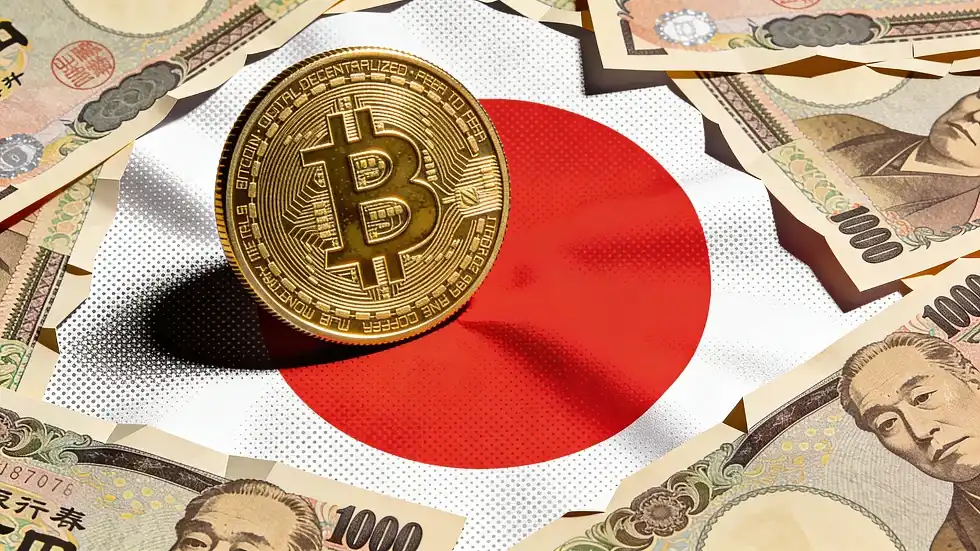
In June 2026, the Bank of Japan raised its policy rate to 1%, marking its first hike to this level since 1995. While this rate remains low compared to global peers like the US and Europe, the move signals a profound shift for a nation that has been a global source of ultra-cheap funding for decades. Japan's long-standing near-zero or negative interest rates had facilitated massive "yen carry trades," where international investors borrowed low-cost yen to invest in higher-yielding assets worldwide, such as US tech stocks and emerging market bonds. This made Japan a critical, often overlooked, source of global liquidity. Japan's ultra-loose policy stemmed from structural challenges post-1990s asset bubble: aging demographics, chronic low inflation/deflation, and high public debt. Recent shifts, including sustained wage growth (exceeding 5% in recent years) and inflation consistently above the 2% target, have created a "wage-price spiral" possibility, prompting the policy normalization. The global market's concern lies not in the absolute rate but in the potential unwinding of the yen carry trade. As Japanese borrowing costs rise, the economics of these leveraged global investments change, potentially triggering deleveraging and capital outflows from risk assets. Market anxiety focuses on the end of a thirty-year consensus that Japan would perpetually provide cheap funding. Ultimately, the global impact will depend on the interplay with US monetary policy. While Japan is tightening, the significant interest rate differential with the US remains. The key future dynamic is whether simultaneous Japanese hikes and eventual US rate cuts will narrow this gap, forcing a major recalibration of global capital flows and asset pricing built on an era of abundant, cheap yen liquidity.

marsbit06/17 12:42

Why Is the World Nervous About Japan Raising Interest Rates?

marsbit06/17 12:42

Derive and Strands Introduce Off-Exchange Custody for On-Chain Derivatives

On February 6th, a sudden and severe market crash occurred across multiple asset classes without a clear catalyst. Bitcoin plunged 16% to $60,000, silver dropped 17%, and the tech-heavy Nasdaq fell 1.5%, resulting in $2.6 billion in crypto liquidations. The simultaneous decline in these diverse assets—often seen as a hedge (silver), a growth bet (tech stocks), and a high-risk casino (crypto)—suggests a severe liquidity crisis. In equities, AMD and Alphabet reported strong earnings but provided future guidance that disappointed overly optimistic markets, triggering a sector-wide selloff in chips and tech. The massive capital expenditure plans from Big Tech (over $500 billion collectively) raised concerns that AI is a capital-intensive endeavor rather than a guaranteed profit engine, threatening high valuations. Silver, after a massive 68% rally in January, crashed 50% in three days. Its dual nature as both an industrial metal and a safe-haven asset became a curse. The selloff was exacerbated by increased margin requirements, reduced market maker activity, and the surprise nomination of a hawkish Fed chair by Trump, which reduced fears of inflationary monetary policy. The crypto market, which had been artificially propped up by massive institutional buying throughout 2025, was hit hardest as it is often the first asset sold in a liquidity crunch to cover losses elsewhere. The true epicenter of the crisis may be Japan, where the 40-year government bond yield surged past 4% for the first time. This shattered the foundation of the massive Yen carry trade, forcing global funds to unwind positions in various assets to cover their soaring costs, creating a systemic liquidity black hole.

marsbit02/10 13:14

Derive and Strands Introduce Off-Exchange Custody for On-Chain Derivatives

marsbit02/10 13:14

On the Eve of the Bank of Japan's Interest Rate Hike, Why Did Bitcoin Fall First?

On December 15, Bitcoin fell over 5% to $85,616, while gold remained nearly unchanged. The drop was not due to crypto-specific news but was instead linked to expectations around the Bank of Japan’s (BOJ) upcoming interest rate decision. The BOJ was widely expected to raise rates from 0.5% to 0.75% on December 19—its highest rate in 30 years. This triggered a unwind of the "yen carry trade," a strategy where investors borrow cheap yen to invest in higher-yielding assets like U.S. stocks, bonds, and cryptocurrencies. Higher Japanese interest rates reduce the profitability of this trade, forcing global funds to sell assets—including Bitcoin—to repay yen-denominated loans. Bitcoin, being highly liquid and volatile, is often among the first to be sold. Historically, BOJ rate hikes have correlated with significant Bitcoin declines. For example, after the July 2024 hike, BTC fell 23% in a week. This reaction underscores Bitcoin’s shifting identity: once considered "digital gold," it now behaves more like a high-risk asset correlated with tech stocks. Since the approval of U.S. spot Bitcoin ETFs in early 2024, institutional investors have treated Bitcoin as part of a broader risk-asset portfolio, selling it alongside stocks during market stress. While the BOJ’s decision was largely anticipated, its wording could influence market volatility. If the bank signals further tightening, additional selling pressure may follow. However, some analysts believe the impact may be milder this time due to shifted market positioning and broader global liquidity conditions. In summary, Bitcoin’s decline ahead of the BOJ meeting reflects its increased sensitivity to global macro liquidity shifts. As institutional adoption grows, Bitcoin has become more integrated into traditional finance—gaining legitimacy but losing its earlier immunity to external monetary events.

marsbit12/17 07:20

On the Eve of the Bank of Japan's Interest Rate Hike, Why Did Bitcoin Fall First?

marsbit12/17 07:20

活动图片