# Sleep Related Articles

HTX News Center provides the latest articles and in-depth analysis on "Sleep", covering market trends, project updates, tech developments, and regulatory policies in the crypto industry.

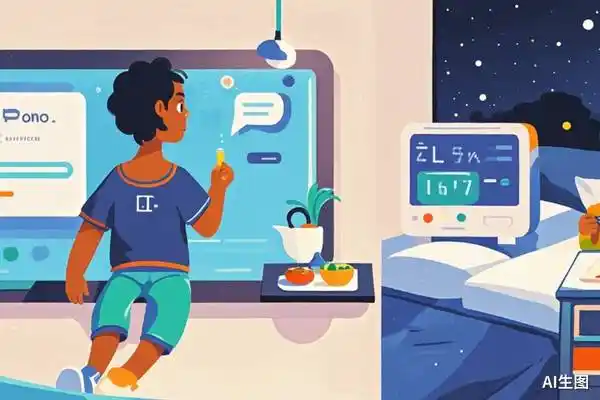
AI, Why Does It Also Need to Sleep?

Anthropic's accidental leak of Claude Code's source code in 2026 revealed an experimental feature called "autoDream," part of the KAIROS system, which gives AI a sleep-like cycle. Unlike the prevailing AI agent paradigm of continuous, uninterrupted operation, autoDream operates offline when users are inactive. It processes and consolidates daily logs—resolving contradictions, converting vague observations into facts, and discarding redundant information—while avoiding the accumulation of noise in the limited context window, a phenomenon known as "context corruption." This mirrors human brain function: the hippocampus temporarily stores daily experiences, and during rest, the brain prioritizes and transfers important memories to the neocortex through processes like active systems consolidation. Both systems must go offline to perform memory maintenance, as simultaneous processing and consolidation compete for resources. autoDream differs in one key aspect: it labels its outputs as "hints" rather than definitive truths, requiring verification upon use—a cautious approach unlike human memory, which often constructs narratives with high confidence. The emergence of this sleep-like mechanism suggests that, beyond mere biological imitation, intelligent systems may inherently require periodic rest to maintain coherence and performance. It challenges the assumption that more power and continuous operation always lead to greater intelligence, pointing instead to the necessity of rhythmic cycles in advanced cognition.

marsbit04/07 08:20

AI, Why Does It Also Need to Sleep?

marsbit04/07 08:20

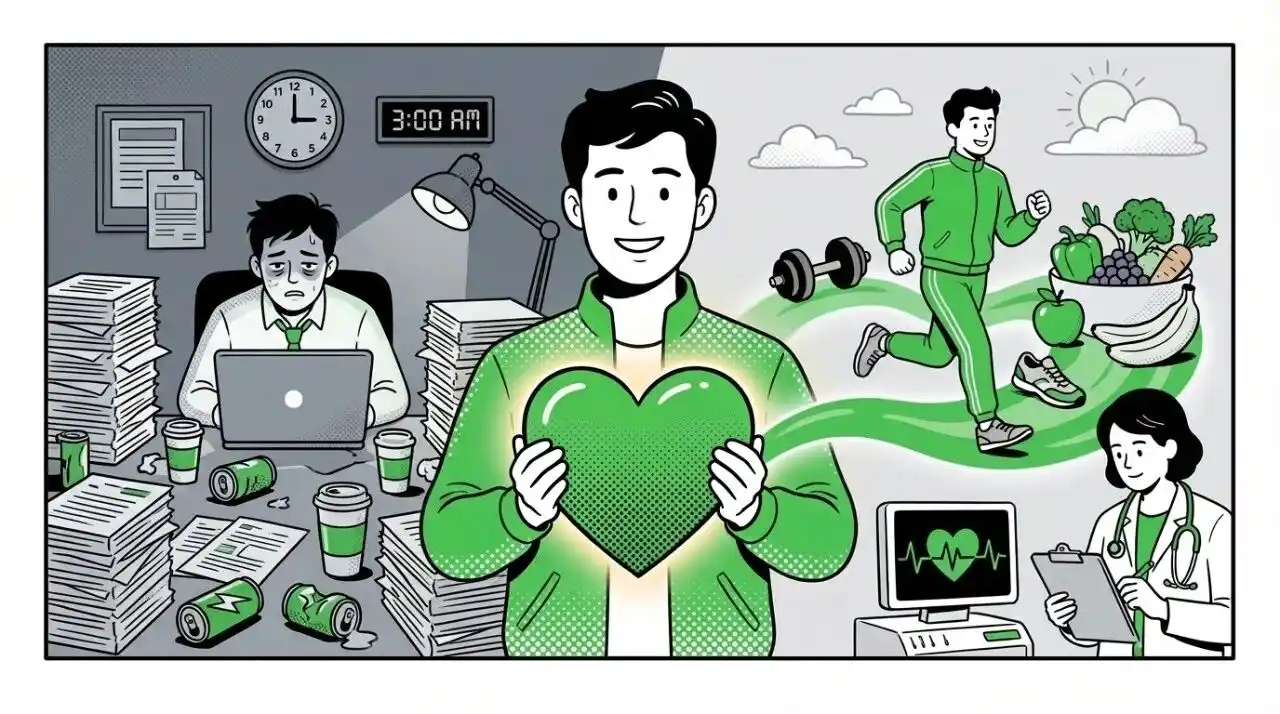
Survival Guide: Don't Let Web3's 'High-Frequency Trading' Exhaust Your Irreplaceable Heart

Heart Health Survival Guide for Entrepreneurs: Don't Let Web3’s "High-Frequency Trading" Exhaust Your Irreplaceable Heart Entrepreneurs face unique cardiovascular risks due to chronic stress, sleep deprivation, overwork, and neglect of traditional risk factors like smoking, hypertension, and diabetes. Key insights: - Prolonged stress elevates cortisol, damaging blood vessels and accelerating atherosclerosis. - Sleeping <6 hours nightly significantly increases blood pressure and mortality risk. - Overwork can trigger sudden cardiac death in those with underlying conditions. Critical health checks include: - Blood tests: LDL cholesterol (<1.8 mmol/L for冠心病 patients), blood pressure (<140/90 mmHg), and troponin (even slight elevations raise mortality risk 10x in young adults). - ECG and echocardiograms to assess heart structure/function. - BMI (18.5–23.9) and waist circumference (men <90cm, women <85cm). Self-monitoring via smartwatches (heart rate alerts), home blood pressure checks, and symptom awareness (e.g., chest pain, unexplained dizziness) is essential. Common misconceptions: - Exercise isn’t a shield; excessive intensity may provoke cardiac events. - Youth doesn’t guarantee safety—heart attacks are rising in under-50s. - Symptoms can be silent or atypical. Prevention strategies: - 150 mins/week of moderate aerobic exercise. - Daily salt intake <5g; prioritize fiber (25g+ daily). - Sleep ≥6 hours nightly. - Quit smoking; limit alcohol (men ≤25g/day, women ≤15g). - Keep emergency supplies: nitroglycerin, aspirin, and an AED accessible. During a heart attack: 1. Call 120 immediately—do not drive. 2. Lie flat, loosen clothing, use nitroglycerin if prescribed. 3. Start CPR if unconscious (100–120 compressions/min). 4. Use AED if available. Your heart is irreplaceable—prioritizing health is the ultimate long-term investment.

marsbit03/26 10:18

Survival Guide: Don't Let Web3's 'High-Frequency Trading' Exhaust Your Irreplaceable Heart

marsbit03/26 10:18

活动图片