# Reform Related Articles

HTX News Center provides the latest articles and in-depth analysis on "Reform", covering market trends, project updates, tech developments, and regulatory policies in the crypto industry.

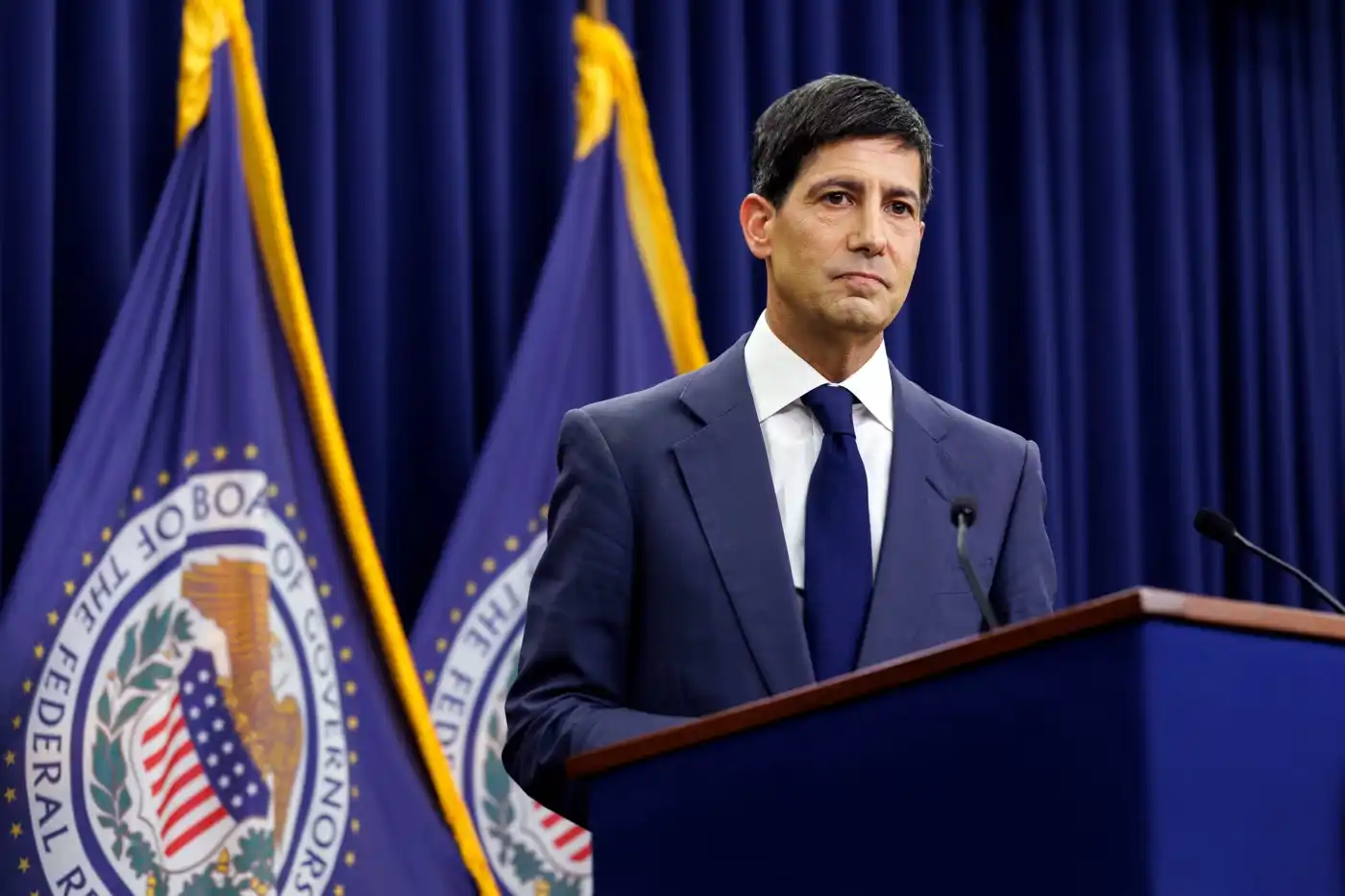
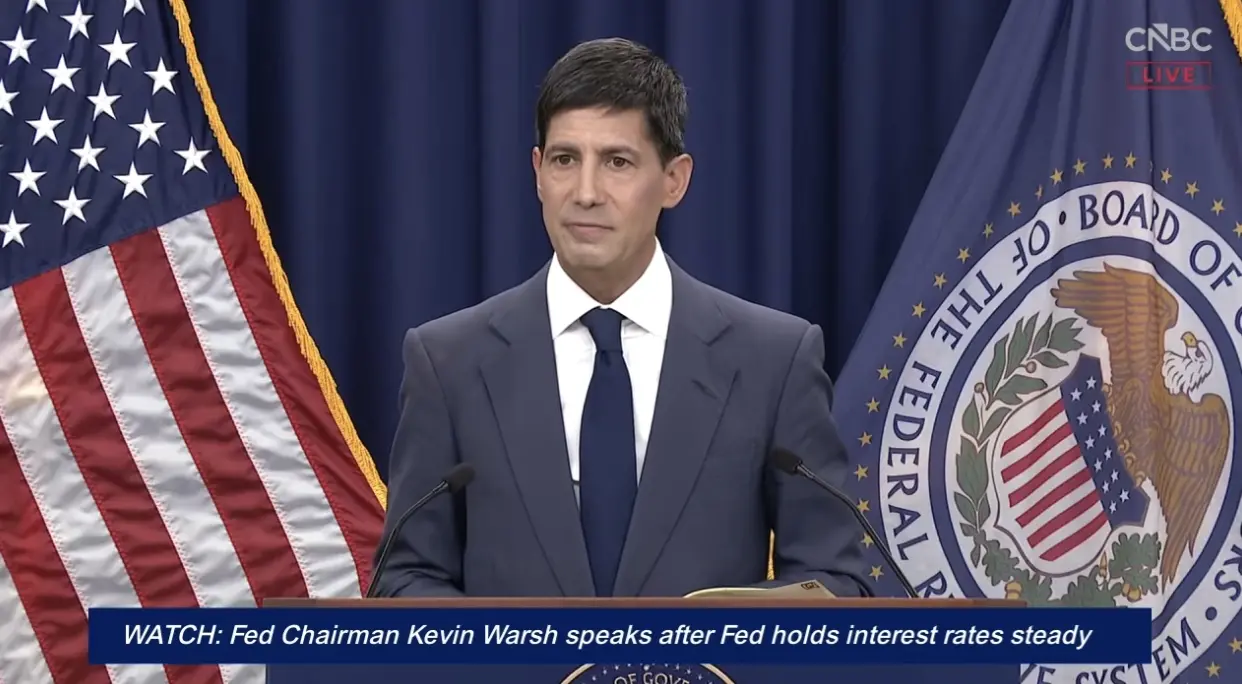
The Richest Fed Chair in 112 Years Is Here: Kevin Warsh Is Rewriting the Rules

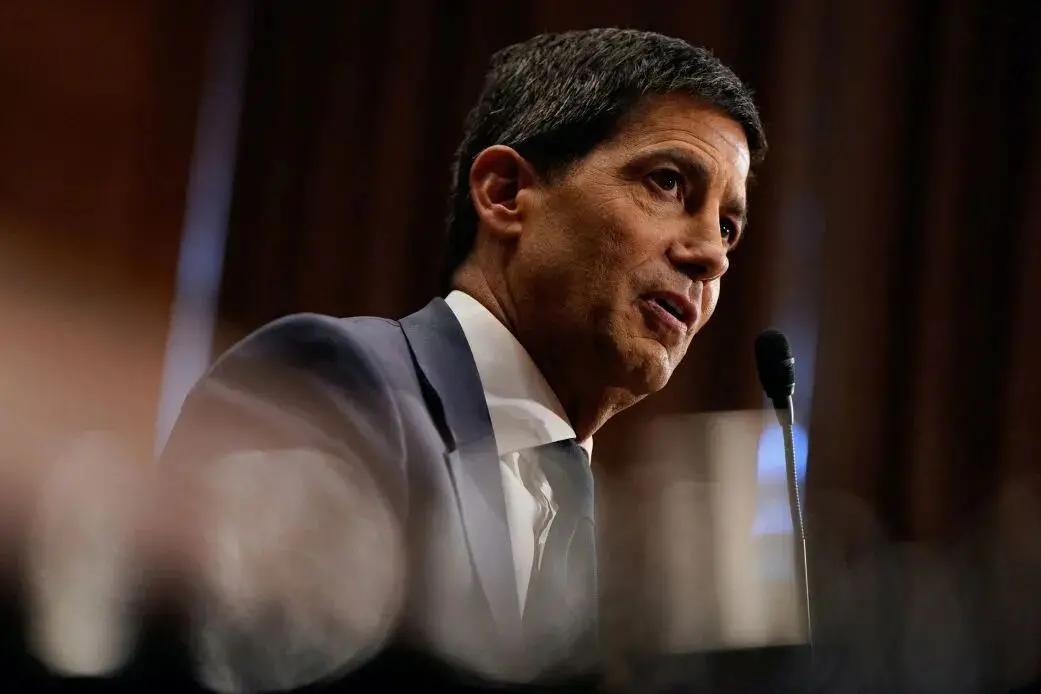
Kevin Warsh, with a personal fortune exceeding $130 million, became the 112nd and wealthiest Chair of the U.S. Federal Reserve on May 22nd. A former Wall Street investment banker and key figure during the 2008 financial crisis, Warsh lacks a traditional academic background for a central banker but brings deep market experience. He proposes an unconventional policy approach of simultaneously reducing the Fed's balance sheet ("quantitative tightening") while cutting interest rates, arguing that a smaller balance sheet would allow for more effective rate policy. His ascent marks a potential regime change at the Fed. Warsh aims to reform the institution's decision-making processes, tighten communication discipline among officials, and reduce reliance on forward guidance like the "dot plot." This shift responds to the Fed's current dilemma: fiscal policy is expanding the government's balance sheet through deficits, while monetary policy's ability to shrink its own $6.7 trillion balance sheet is severely constrained, creating pressure on long-term interest rates. Analysts expect Warsh's tenure to sustain high volatility in the U.S. Treasury market due to persistent supply pressures. Furthermore, his leadership coincides with a gradual, structural erosion of dollar dominance, evidenced by its declining share in global reserves and cracks in the petrodollar system, with increased use of alternatives like the Chinese yuan in oil trade. For investors, this environment underscores the importance of portfolio diversification, including assets like gold and Chinese sovereign bonds, amid a fluctuating dollar credit anchor.

链捕手05/25 06:13

The Richest Fed Chair in 112 Years Is Here: Kevin Warsh Is Rewriting the Rules

链捕手05/25 06:13

Summary of Kevin Warsh's Past Remarks: How Will This Prospective 'New Head' Upend the Fed?

Kevin Warsh, nominated by President Trump to replace Fed Chair Powell, is poised to introduce sweeping reforms at the Federal Reserve. His agenda includes structural changes, advocating for lower policy rates, a fundamentally new approach to inflation, a significantly smaller balance sheet, safeguarding Fed independence, narrowing the Fed’s mandate, improving coordination with the Treasury, and reducing communication “noise” from policymakers. Warsh has criticized current monetary policy as “broken” and called for “fundamental regime change,” arguing that continuity is meaningless when the Fed has lost credibility. He believes interest rates should be lower and that a smaller balance sheet would help achieve that, describing the current one as “multiple trillions of dollars larger than necessary.” On inflation, he attributes its rise to cognitive errors at the Fed—including overreliance on flawed models, neglect of money supply, and blaming external factors rather than excessive government spending. He also suggests AI could lead to a structural decline in prices. He strongly defends Fed independence as its “most important asset” and warns against mission creep, which he says risks its core objectives and increases political vulnerability. He proposes closer coordination with the Treasury to align balance sheet and debt issuance plans, clarifying expectations for markets. Regarding communication, Warsh supports transparency but criticizes the current “cacophony of voices” and “forward guidance” that creates ambiguity. He has urged Fed officials to speak less frequently to avoid market confusion.

marsbit04/21 08:09

Summary of Kevin Warsh's Past Remarks: How Will This Prospective 'New Head' Upend the Fed?

marsbit04/21 08:09

Abandoning Token Issuance, Abolishing veBAL: Can Balancer's 'All-or-Nothing Gamble' Bring Renewal?

Balancer, a veteran DeFi protocol, is undergoing a radical transformation following a major $120M security breach in November 2025 that accelerated its existing financial decline. With annual revenue of just $290K against a $2.87M operational budget, its DAO treasury was on track to be depleted within four years. TVL plummeted from a peak of $3B to under $160M. On March 23, 2026, the core team proposed two major overhauls: a tokenomics reform and an operational restructuring. The key strategy shifts from token emission-driven growth to a sustainable, fee-based model. Operational changes include dissolving Balancer Labs, reducing the team from 25 to 12.5 full-time equivalents, and cutting the annual budget by 34% to $1.9M. The protocol will focus solely on its core products: Boosted Pools, a revamped reCLAMM, and LBPs, while maintaining deployments only on Ethereum, Gnosis, Arbitrum, and Base. Tokenomics reforms are more drastic: BAL token emissions will stop immediately, and the veBAL governance system will be abolished. All protocol fees will now go entirely to the DAO treasury, and V3 protocol fees are reduced from 50% to 25% to attract LPs. A $500K compensation fund is allocated for veBAL holders. A crucial exit mechanism is proposed: a 12-week window, opening one year after the vote, allowing BAL holders to burn their tokens for stablecoins at a Net Asset Value (NAV) of $0.16 per BAL. If fully utilized, this could burn 35% of the circulating supply. The team projects that these changes could boost annual DAO revenue to $1.22M and extend the treasury's runway to 9 years. However, this survival depends heavily on the success of the streamlined operations and core products. This high-stakes gamble aims to secure a sustainable future for the protocol.

marsbit03/24 08:49

Abandoning Token Issuance, Abolishing veBAL: Can Balancer's 'All-or-Nothing Gamble' Bring Renewal?

marsbit03/24 08:49

活动图片