# Peso Related Articles

HTX News Center provides the latest articles and in-depth analysis on "Peso", covering market trends, project updates, tech developments, and regulatory policies in the crypto industry.

Argentine Banking Groups Quietly Develop Peso-Pegged Stablecoins for the Institutional Market

Argentine banking groups are quietly developing peso-pegged stablecoins for the institutional market. While US dollar-linked stablecoins like USDC and USDT are popular in Argentina, fintech companies are now focusing on local alternatives. Two major initiatives are underway. The BIND Group, through its virtual asset service provider BEN, is developing a peso stablecoin and has partnered with Circle to offer institutional clients payment and treasury use cases. Separately, the Petersen Group is developing a stablecoin called DIPE via a subsidiary, supported by crypto-as-a-service company Lirium. Both projects are being advanced by entities backed by banking conglomerates, not the banks themselves, due to a Central Bank of Argentina ban from May 2022 prohibiting private banks from offering crypto services to clients. The primary target is the institutional sector, which could benefit from the programmable features of a digital peso for treasury management, event-triggered blockchain payments, and collateralized lending management. These initiatives could expand to private banks in the future if the central bank lifts its crypto ban. This development comes as regulators scrutinize existing crypto offerings; in March, the national securities regulator highlighted that the "argt peso" stablecoin was being offered as a security without proper compliance.

cryptonews.ru5h ago

Argentine Banking Groups Quietly Develop Peso-Pegged Stablecoins for the Institutional Market

cryptonews.ru5h ago

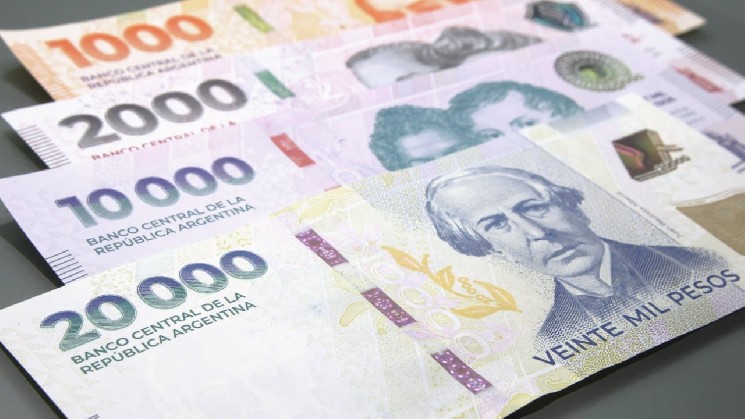
Underground Argentina: Jewish Money Houses, Chinese Supermarkets, Slacking Youth, and the Impoverished Middle Class

Argentina is experiencing a state of hyperinflation and economic collapse, where the official currency, the peso, has become nearly unusable. The black market exchange rate has reached 1 USD to 1,400 pesos, yet prices for basic goods remain shockingly high, even for those holding foreign currency. A significant portion of the population, especially the youth, has adopted a "live for the moment" mentality, spending their wages immediately as savings become worthless. Poverty rates are high, and real wages have plummeted. The country’s real financial system operates underground, dominated by two key players: a network of over 13,000 Chinese-owned supermarkets that act as cash collection points, and Jewish-owned informal exchange houses (cuevas) that manage black market dollar transactions. This shadow economy allows businesses and individuals to bypass strict currency controls, high taxes, and a collapsing official banking system. Cryptocurrency, particularly USDT, is used not as a technological innovation but as a practical tool for wealth preservation and tax avoidance, especially among freelancers and the upper middle class. However, those who remain in the formal economy—the “rule-followers”—suffer the most, as their peso-denominated incomes collapse in value while living costs soar. President Milei’s radical reforms have brought some fiscal stability and reduced inflation, but at a great social cost. Yet, much of the public still supports the changes, hoping to break Argentina’s cycle of economic crises. Through it all, the informal systems—cash transactions, black market exchanges, and a general distrust of the state—continue to sustain daily life.

深潮12/08 06:16
Underground Argentina: Jewish Money Houses, Chinese Supermarkets, Slacking Youth, and the Impoverished Middle Class

深潮12/08 06:16

活动图片