# Israel Related Articles

HTX News Center provides the latest articles and in-depth analysis on "Israel", covering market trends, project updates, tech developments, and regulatory policies in the crypto industry.

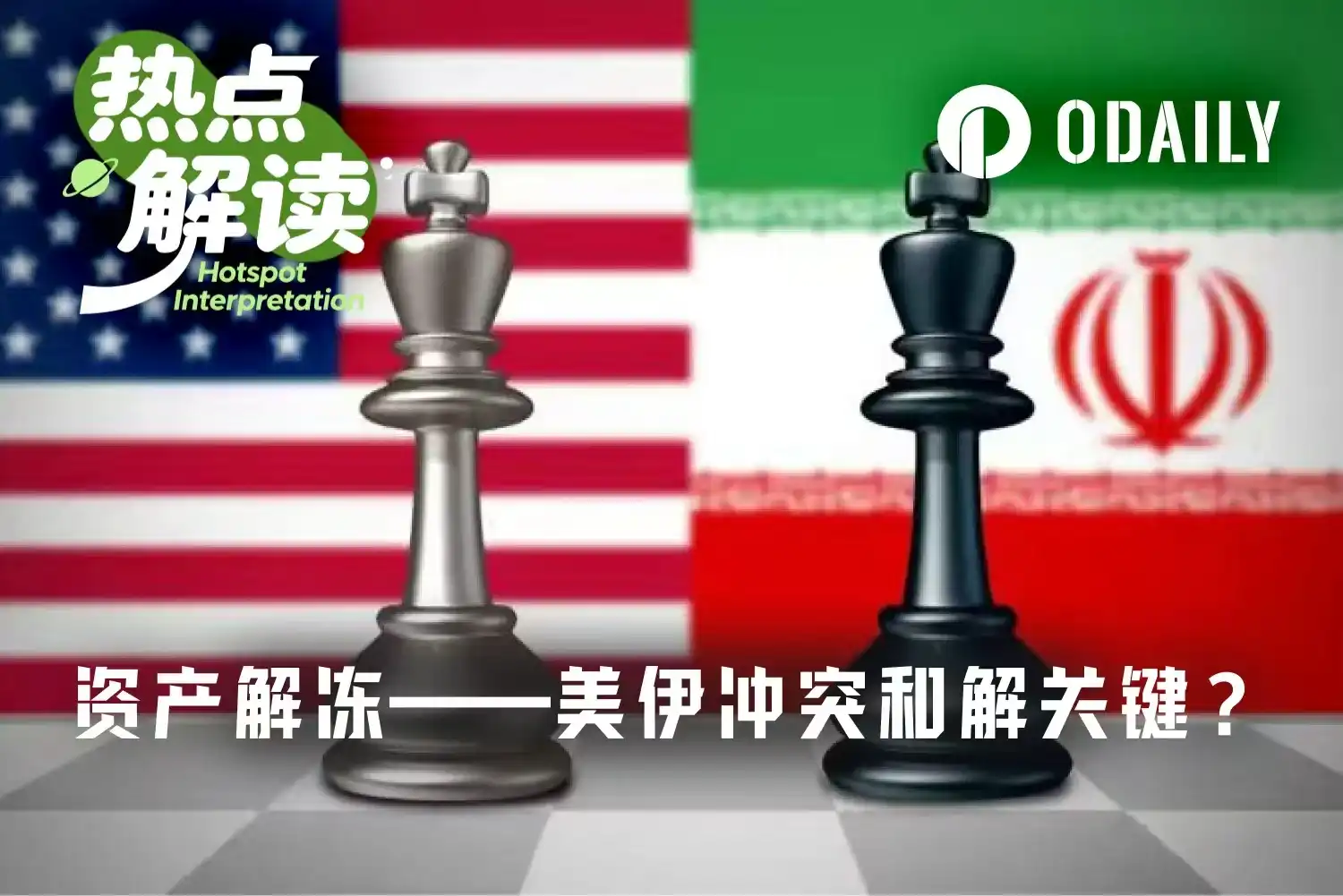
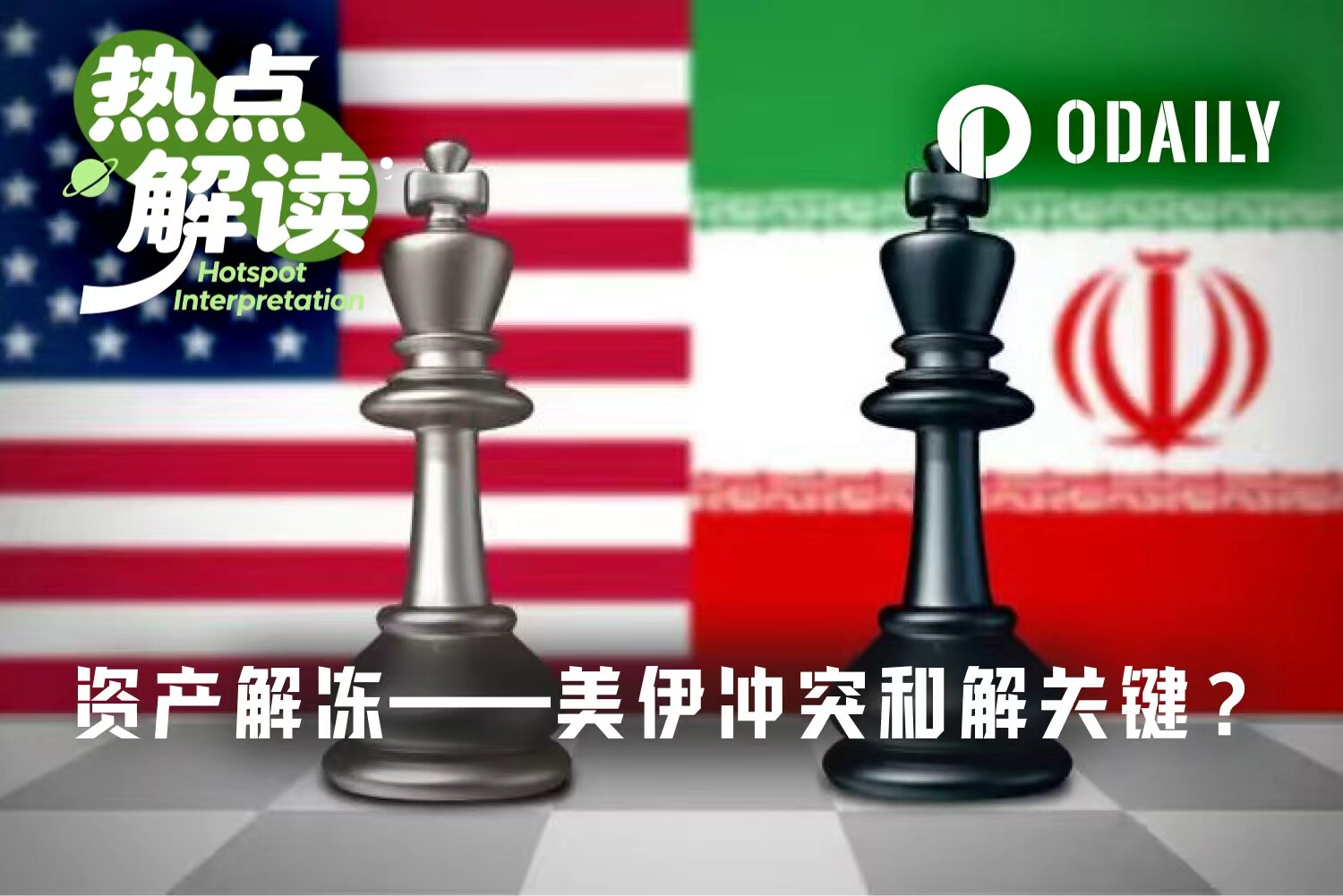
U.S.-Israel-Iran Conflict Surpasses 100 Days: Is Asset Unfreezing a Key to Reconciliation?

**Title: U.S.-Israel-Iran Conflict Surpasses 100 Days; Key to Reconciliation Lies in Unfreezing Assets?** **Summary:** As the conflict between the U.S./Israel and Iran enters its 103rd day, peace talks remain stalled. A central sticking point in the negotiations is the fate of approximately $240 billion in Iranian assets frozen by the United States. This includes around $1 billion in cryptocurrency assets, such as USDT, BTC, and ETH, which were seized as part of U.S. sanctions. Iran has outlined a four-phase plan for a potential deal, with the second phase demanding the immediate unfreezing of at least 50% of its assets upon signing an initial agreement, and the remainder within one to two months. However, the U.S., particularly President Trump, has firmly rejected any preemptive release of funds, viewing them as crucial leverage for future negotiations on Iran's nuclear program. The Trump administration's approach is described as unpredictable, mixing tough rhetoric with offers of talks. Meanwhile, the U.S. is reportedly considering using the frozen Iranian assets to fund reconstruction in affected Gulf countries. While both sides express a desire to end the conflict, the deep-seated issue of the frozen assets, alongside broader geopolitical tensions, suggests a prolonged period of "fighting while talking" is likely to continue. The article concludes that the conflict's primary impact on cryptocurrency markets is macro-level, with minimal direct selling pressure on specific assets like BTC or ETH.

marsbit06/10 10:34
U.S.-Israel-Iran Conflict Surpasses 100 Days: Is Asset Unfreezing a Key to Reconciliation?

marsbit06/10 10:34

From Threat to Ceasefire: How Did the U.S. Lose Its Dominance?

From escalating threats to a sudden ceasefire, the US appears to have lost its dominant position in the confrontation with Iran. The conflict has entered a more complex phase where ceasefire and strategic maneuvering coexist. A key shift lies in the reversal of the diplomatic structure: rather than forcing Iranian concessions through military action, the US has been drawn into a negotiation framework based on Tehran’s "Ten-Point Plan." Although Washington has not formally accepted all terms, its de facto recognition of Iran’s control over the Strait of Hormuz marks a significant strategic retreat. This has allowed Iran to regain diplomatic and economic leverage. The outcome is counterintuitive: the conflict has not weakened Iran but instead restored its deterrence capability. Meanwhile, the failure of US military means has undermined the credibility of American threats, forcing any future negotiations to be based on genuine compromise. However, the ceasefire remains fragile, with localized clashes continuing and Israel’s actions adding further uncertainty. The situation remains on the brink of escalation, highly dependent on external variables. More profoundly, a conflict originally intended to pressure or even topple the Iranian regime may instead consolidate its internal power structure. The US has shifted from a dominant party to a negotiator, while Iran has moved from a pressured state to an active player. The confrontation has thus entered a longer-term and more complicated stage.

marsbit04/09 17:03

From Threat to Ceasefire: How Did the U.S. Lose Its Dominance?

marsbit04/09 17:03

活动图片