In the Era of MiCA, Why is the EU CASP License Becoming Increasingly Important?
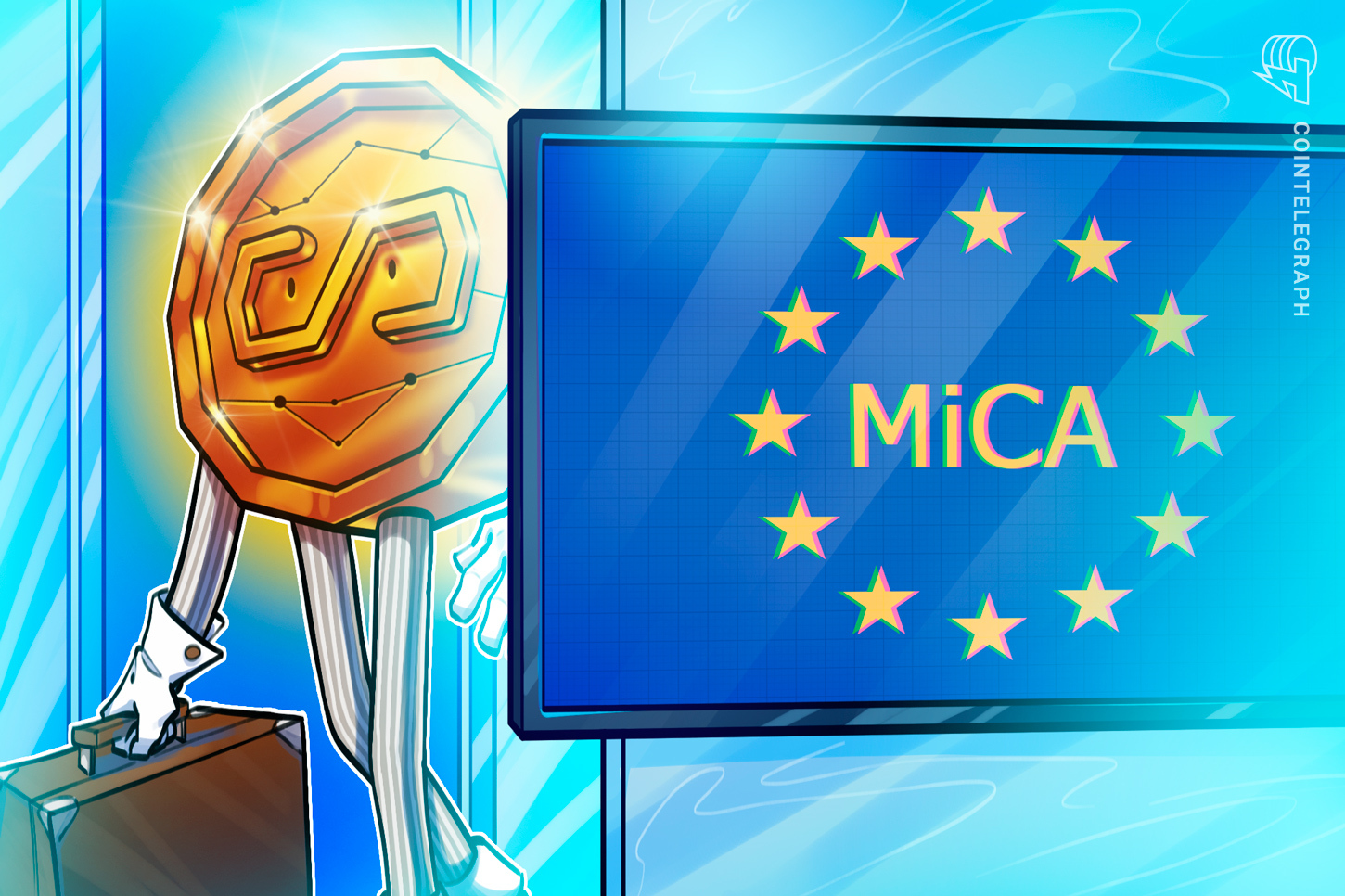
In the MiCA era, the EU's Crypto-Asset Service Provider (CASP) license is becoming increasingly crucial, especially after the transitional period ends on July 1, 2026. Post-deadline, crypto service providers operating under old national frameworks must either secure MiCA authorization or exit the EU market, rendering the previous model of using a single member state's VASP registration for pan-European operations obsolete.
The CASP license fundamentally changes the regulatory landscape by shifting from a fragmented, nation-by-nation registration system to a unified "passporting" regime. Authorized in one member state, a CASP can provide its licensed services across the EU, offering greater legal clarity and operational efficiency compared to the past.
MiCA defines CASP authorization based on specific service types, such as custody, trading platform operation, exchange, and transfer of crypto-assets. The scope of authorization is determined by actual business functions, not self-selection, with corresponding prudential requirements like capital adequacy. Banks and institutional clients increasingly value CASP status as it provides a verifiable, standardized framework for due diligence, accessible through ESMA's public registers.
The regulation significantly limits the "reverse solicitation" exception for non-EU firms. Active marketing or outreach to EU clients generally necessitates a CASP license, moving away from reliance on offshore entities. It's important to note that a CASP license is not a universal permit; it covers crypto-asset services but does not automatically authorize traditional financial activities like payment services (governed by PSD2) or dealing in financial instruments (governed by MiFID II). A complete crypto-fiat payment solution often requires both a CASP and a licensed payment institution.
Priority candidates for pursuing a CASP license include: 1) Platforms with the EU as a primary long-term market; 2) Projects seeking partnerships with EU banks or large institutions; and 3) Groups aiming to consolidate cross-border operations under one regulated entity. In contrast, early-stage projects without concrete EU plans may find the process premature.
Ultimately, the growing importance of the CASP stems from the end of regulatory ambiguity in Europe. It has evolved from a consideration to a fundamental requirement for market access, client trust, and sustainable operations within the EU's now-harmonized crypto regulatory framework.
marsbit08/13 02:15