# Dot Plot Related Articles

HTX News Center provides the latest articles and in-depth analysis on "Dot Plot", covering market trends, project updates, tech developments, and regulatory policies in the crypto industry.

1996 or 1999? Walsh's First Test is 'How to View AI'

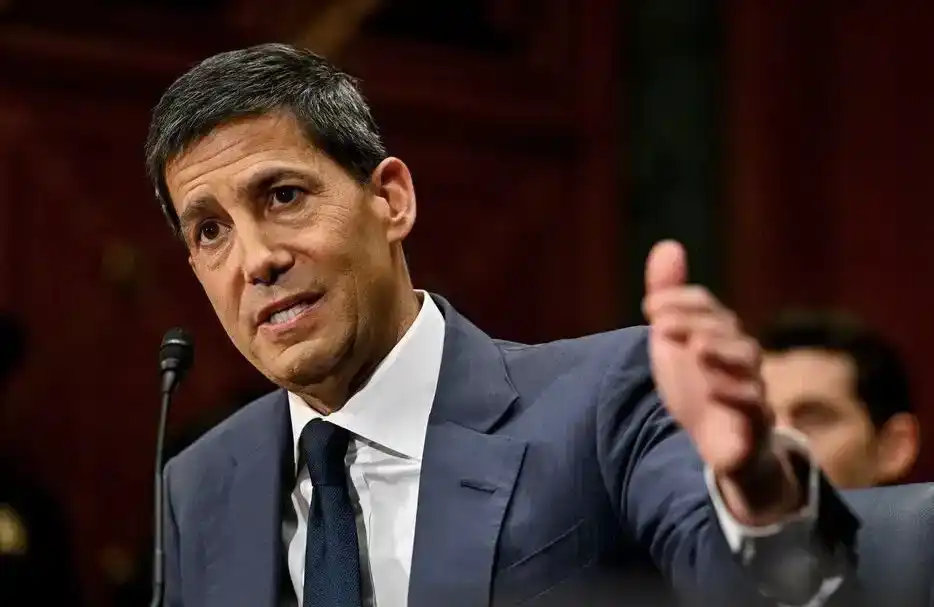
"1996 or 1999? Wall's First Big Test Is 'How to View AI'" Federal Reserve Chairman Wall's initial challenge is not whether to raise or cut rates, but a more fundamental judgment: what kind of boom is the current AI boom? This will determine the Fed's policy path and define his legacy. Economics is split between two opposing views, according to reporter Nick Timiraos. One sees imminent productivity gains that will increase supply and cool inflation, allowing the Fed to hold steady. The other argues that while productivity benefits are distant, demand shocks are here now, and waiting for data confirmation risks missing the intervention window, forcing sharper rate hikes later. Wall has signaled a leaning toward the first view, echoing 1996-era Alan Greenspan, who embraced strong, productivity-driven growth without fear of inflation. However, Wall faces a different macro environment than Greenspan did, with tariff pressures, expanding fiscal deficits, and diminishing globalization benefits, which could force more significant inflation pressures even if AI benefits materialize. Wall's logic, expressed before taking office, is that AI-driven productivity gains won't show in official data for years. If the Fed waits for confirmation, it might mistakenly tighten policy and choke off the very growth that could suppress inflation. This argues for using forward-looking narratives over lagging data. Chicago Fed President Austan Goolsbee presents a key counter-argument. He distinguishes between expected and unexpected productivity booms. A widely anticipated boom, like the current AI wave, can cause people to spend future wealth gains in advance, overheating the economy before productivity actually rises, thus requiring preemptive rate hikes. He cites rising costs for AI data centers as evidence of such overheating. Fed Governor Christopher Waller offers a rebuttal to Goolsbee, noting the "expected spending" mechanism only works if people can borrow against future income, which many households cannot do due to borrowing constraints. Wall also faces a paradox related to his desire to reduce the Fed's use of "forward guidance" (pre-announcing policy moves). This practice was established in 1999 when Greenspan began signaling hikes to avoid market shocks. If the economy follows a less optimistic path, Wall may be forced to choose between using the guidance he wants to abolish or risking market volatility by staying silent. The ultimate question defining Wall's first major test remains: Is this 1996 or 1999?

marsbit06/20 07:53
1996 or 1999? Walsh's First Test is 'How to View AI'

marsbit06/20 07:53

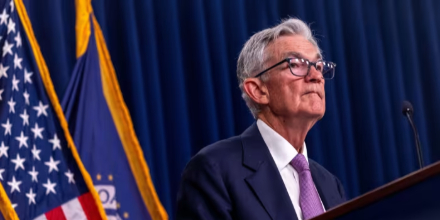
Fed's Internal Doves Flock to Hawkish Stance, Warsh's Debut "Between a Rock and a Hard Place"

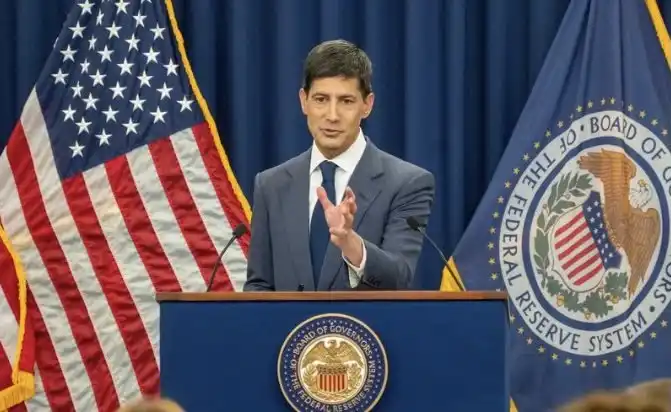
U.S. Federal Reserve officials who previously advocated for rate cuts, including Governor Christopher Waller, have recently shifted their stance, with many now not ruling out the possibility of future rate hikes. This sets a challenging stage for new Fed Chair Kevin Warsh's first policy meeting. Appointed by President Trump based on his dovish views, Warsh now faces a committee where the debate has pivoted from "when to cut" to "whether to hike," driven by persistent inflation above 3%, a strong labor market, and supply-side pressures from AI infrastructure demands and geopolitical tensions. Key figures illustrate the shift. Governor Waller, once concerned about employment, now says data has pushed him toward considering rate increases. Even moderate voices like Governor Lisa Cook, while expecting inflation to ease, have indicated readiness to hike if it fails to do so. Long-time hawks such as regional Fed presidents Beth Hammack, Lorie Logan, and Neel Kashkari have grown more vocal, arguing that the real policy rate is effectively falling and that action may soon be needed. The upcoming Fed meeting is expected to keep rates steady but will likely remove the "easing bias" from its statement, signaling a neutral stance between cuts and hikes. The quarterly "dot plot" is anticipated to show most officials projecting no cuts this year, with some potentially indicating hikes. Chair Warsh, a critic of the Fed's reliance on forward guidance like the dot plot, must navigate communicating this pivot using tools he has questioned, all while steering policy in a direction counter to the preferences of the president who appointed him. The consensus suggests the Fed's next move could well be a rate increase.

marsbit06/17 05:21

Fed's Internal Doves Flock to Hawkish Stance, Warsh's Debut "Between a Rock and a Hard Place"

marsbit06/17 05:21

After 6 Quarters of Calling for Rate Cuts, Rate Expectations Are Instead Moving Upwards

In September 2024, the Federal Reserve began its rate-cutting cycle, projecting a median federal funds rate of 3.4% by the end of 2025—implying four additional cuts. However, six quarters later, the March SEP (Summary of Economic Projections) reveals a significant shift: the rate now stands at 3.50%-3.75%, 25 basis points higher than initially expected. The median projection for 2026 has also risen from 2.9% to 3.4%. The Fed’s internal consensus has fractured. Out of 19 FOMC participants, seven now expect no rate cuts in 2026, while seven anticipate only one cut. This 7:7 split reflects a fundamental disagreement over the direction of monetary policy, moving from debates over the magnitude of cuts to whether cuts should occur at all. Persistent inflation is the core issue. The Fed has consistently revised its PCE inflation forecasts upward over the past six quarters, with the 2026 projection now at 2.7%—up 0.6 percentage points from initial estimates. Core PCE, a key indicator of underlying inflation, was revised up sharply to 2.7%, signaling entrenched price pressures. Despite slightly raising its GDP growth forecast to 2.4% and holding unemployment steady at 4.4%, the Fed’s unchanged median rate projection conflicts with its own rising inflation outlook. Market expectations remain more dovish, pricing in around 50 basis points of cuts, but the Fed’s internal division and consistent underestimation of inflation suggest continued uncertainty. The central bank is effectively chasing reality, with no clear consensus on the path ahead.

marsbit03/19 02:30

After 6 Quarters of Calling for Rate Cuts, Rate Expectations Are Instead Moving Upwards

marsbit03/19 02:30

The Stronger the Consensus, the Greater the Risk: The Market Is 'Eerily Quiet' Amid Rate Cut Expectations

In the context of the upcoming Fed rate decision, market consensus strongly expects a 25 basis point cut, with over 85% probability priced in. However, this high level of agreement means the actual rate cut may not significantly move markets, as it has already been anticipated. The real focus is on the Fed’s forward guidance, particularly the "dot plot" showing policymakers' interest rate projections for 2026. The Fed faces unusual uncertainty due to a recent government shutdown, which delayed key inflation data (CPI) for October and November. This lack of recent data may lead to more ambiguous signals from the Fed, increasing potential market volatility. Three scenarios are outlined: 1. **Baseline (most likely)**: The Fed cuts rates as expected and maintains previous guidance, resulting in minimal market reaction. 2. **Dovish**: The Fed signals more rate cuts in 2026 than previously indicated, potentially boosting risk assets like Bitcoin and equities. 3. **Hawkish**: The Fed emphasizes persistent inflation and limited future cuts, which could strengthen the dollar and pressure crypto and other risk assets. The article’s key argument is that high consensus often implies higher risk, as markets are driven by surprises relative to expectations. Investors are advised to focus on managing position risks amid elevated uncertainty rather than betting on specific outcomes.

比推12/10 05:58

The Stronger the Consensus, the Greater the Risk: The Market Is 'Eerily Quiet' Amid Rate Cut Expectations

比推12/10 05:58

Fed Rate Cut Tonight Almost Certain, This Meeting More Like a 'Political Pressure Test'!

This week's Federal Reserve policy meeting is set to be one of the most contentious in recent years. With key economic data missing due to a 43-day U.S. government shutdown, the meeting has evolved into a stress test of the Fed’s independence and decision-making process. Market expectations for a rate cut have surged from 30% to 97%, reflecting both data uncertainty and growing political influence. Internally, the Fed is deeply divided, with a 4-4 split among key officials between holding rates and cutting. The dot plot shows a rare "bimodal distribution," with 7 officials favoring no change and 8 supporting a 50-basis-point cut. Doves point to a weakening labor market—unemployment rose to 4.3% in August, a four-year high—while hawks emphasize persistent inflation, with core PCE at 2.7%, above the 2% target. Political pressure has intensified, notably through appointments like Stephen Milan, who voted for a deeper cut just one day into his role, aligning with former President Trump’s public demands. The upcoming Fed leadership transition adds further uncertainty, as officials may be positioning for future roles. Amid data gaps and political interference, the Fed faces a complex risk-management dilemma: balancing concerns over slowing employment against inflation risks and soaring government debt interest costs. Communication challenges are heightened by internal divisions, forcing the Fed to rely more on high-frequency and alternative data. This meeting may mark a shift toward a new monetary policy framework where data scarcity and political pressure become persistent challenges to the Fed’s independence.

marsbit12/10 02:29

Fed Rate Cut Tonight Almost Certain, This Meeting More Like a 'Political Pressure Test'!

marsbit12/10 02:29

活动图片