‘Crypto Mining Queen’ Lyu Yongshuang: Once Controlled 9% of Global Bitcoin Hashrate, Swindled Out of 60 Million by ‘Middle Eastern Royal Son-in-Law’ in the US

marsbitPublished on 2026-06-11Last updated on 2026-06-11

Abstract

Summary: "Mining Queen" Lyu Yongshuang (Fiona Lyu), an 80s-born Chinese entrepreneur, once controlled approximately 9% of the global Bitcoin mining hashrate through her company Valarhash and its pools, 1THash and Bytepool. Her fortunes shifted dramatically in 2021 following China's crackdown on crypto mining. Relocating to the US, she fell victim to an elaborate fraud by two American brothers, Zubair and Muzammil Al Zubair. Posing as an "Arab royal" and a hedge fund manager, they used bribery and a fake romantic relationship to trick Lyu into signing a mining facility contract in Ohio. The scam resulted in losses exceeding $9.4 million, including the theft and resale of 1,067 mining rigs. In 2026, the brothers received lengthy prison sentences. Concurrently, Lyu faced legal battles in China, where a court invalidated a mining contract with a listed company, ordering a refund of nearly $2.8 million. These events marked a severe downturn for the once-powerful industry figure.

Original Author: Nicky, Foresight News

Caixin published an article on June 11th titled "Female Crypto Boss Defrauded of 60 Million in the US: How Did the ‘Middle Eastern Royal’ Brothers Set the Trap?". Following the clues in the article, we investigated the remarkable story of this "female crypto boss," Lyu, within the crypto world.

According to Caixin, a domestic female crypto tycoon was the victim of an investment fraud in the United States, suffering losses exceeding $9.4 million (approximately 60 million RMB). This individual is Lyu, the CEO of a computing power technology company in Southwest China. At its peak, the mining pool under her company reportedly accounted for about 9% of the global Bitcoin network hashrate.

The report indicated that two brothers named Zubair, who claimed to have "Middle Eastern royal" backgrounds, carried out the fraud by forging identities. One claimed to be a "Middle Eastern royal son-in-law," asserting control over Middle Eastern family funds, international business connections, and US local government resources. The other impersonated a character from the TV series "Billions," presenting himself as a hedge fund manager. The pair also successfully contacted and influenced Michael Smedley, the Chief of Staff to the Mayor of East Cleveland, Ohio, ultimately inducing Lyu to sign a contract for developing a crypto mining farm.
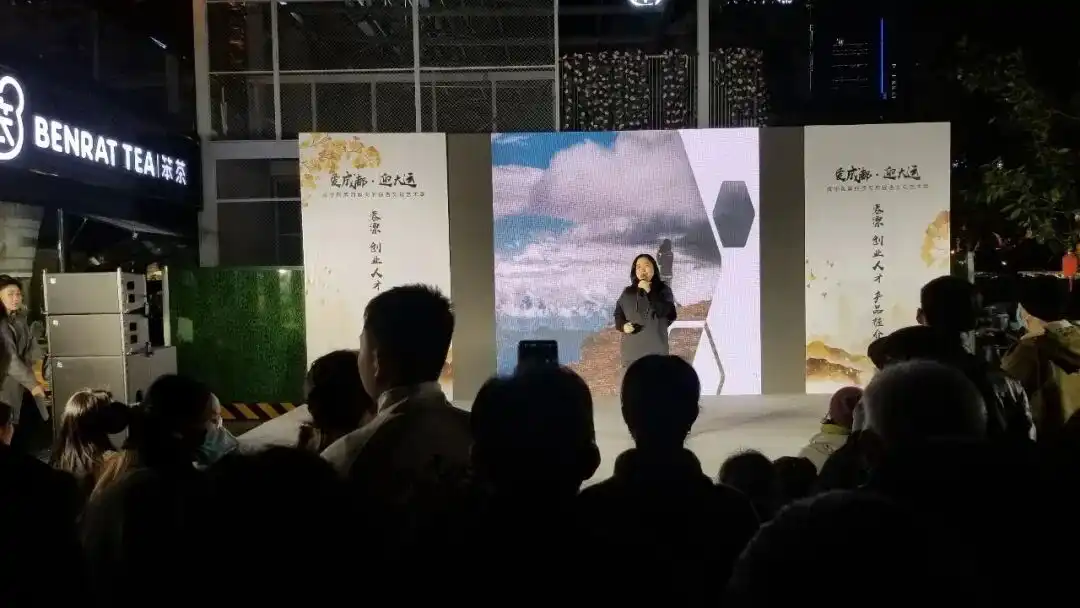
The Lyu mentioned in the report is an 80s-born female entrepreneur named Lyu Yongshuang (Fiona Lyu). The Chengdu Valarhash Technology Co., Ltd. she founded operates two mining pools: 1THash and Bytepool.

According to Caixin, Lyu Yongshuang was born in Ningbo in the 1980s. Before entering the cryptocurrency industry, her career path had no connection to finance or technology. She initially worked in international trade and later started a custom tour group business. She is an avid enthusiast of outdoor travel, diving, and sailing. In a 2020 interview, she mentioned that from 2008 to 2018, she spent more than half of each year traveling, covering destinations all over the world.

According to a previous report by TokenInsight, she first encountered Bitcoin in 2013 and immediately plunged into this emerging industry. At that time, China's cryptocurrency mining was still in its early stages, and miners needed to venture deep into the mountainous regions of Southwest China in search of cheap hydropower resources. Lyu recalled being among the earliest groups to "find electricity" in Sichuan. "The conditions were tough back then, but the electricity was cheap, the returns were high, and everyone was very excited."

In 2016, she began formally building her own mining farm. Between 2017 and 2018, she transitioned to mining machine distribution. In July 2019, she established Chengdu Valarhash Technology Co., Ltd., serving as CEO, integrating the business into a comprehensive platform encompassing mining pool operation, mining farm construction, mining machine hosting, and hashrate trading. In December of the same year, the company held a product launch event in Chengdu, officially introducing the 1THash and Bytepool mining pool brands and the 1TMine hashrate contract trading platform.

At its peak in the first half of 2020, 1THash ranked 7th globally among Bitcoin mining pools, and Bytepool ranked 11th. Together, the two pools controlled approximately 9% of the global Bitcoin hashrate. This was a staggering figure at the time, meaning that for every 100 Bitcoins generated globally, about 9 went to her pools.

A Sweeping Ban and a Turn of Fate

On May 21, 2021, the Financial Stability and Development Committee of the State Council held its 51st meeting, explicitly proposing to "crack down on Bitcoin mining and trading behavior."

In mid-June, the Sichuan Provincial Development and Reform Commission and the Sichuan Provincial Energy Bureau jointly issued a notice requiring power generation enterprises to conduct self-inspection and self-correction, immediately stopping electricity supply to virtual currency "mining" companies. For miners in Sichuan, this was the most devastating blow. Sichuan was the largest mining hub in China, with wet season hydropower prices as low as 0.2-0.3 RMB per kilowatt-hour, making it one of the cheapest power resources globally.

According to Caixin, Lyu Yongshuang later told friends that it was a period of "extreme anxiety." Her company had nine data centers distributed in China, the US, Canada, Russia, Sweden, and other locations, but the major domestic mining farms were the core source of hashrate. "Overnight, thousands of mining machines were forced to shut down, hundreds of shipping containers waited to be transported out, and money was burning every single day."
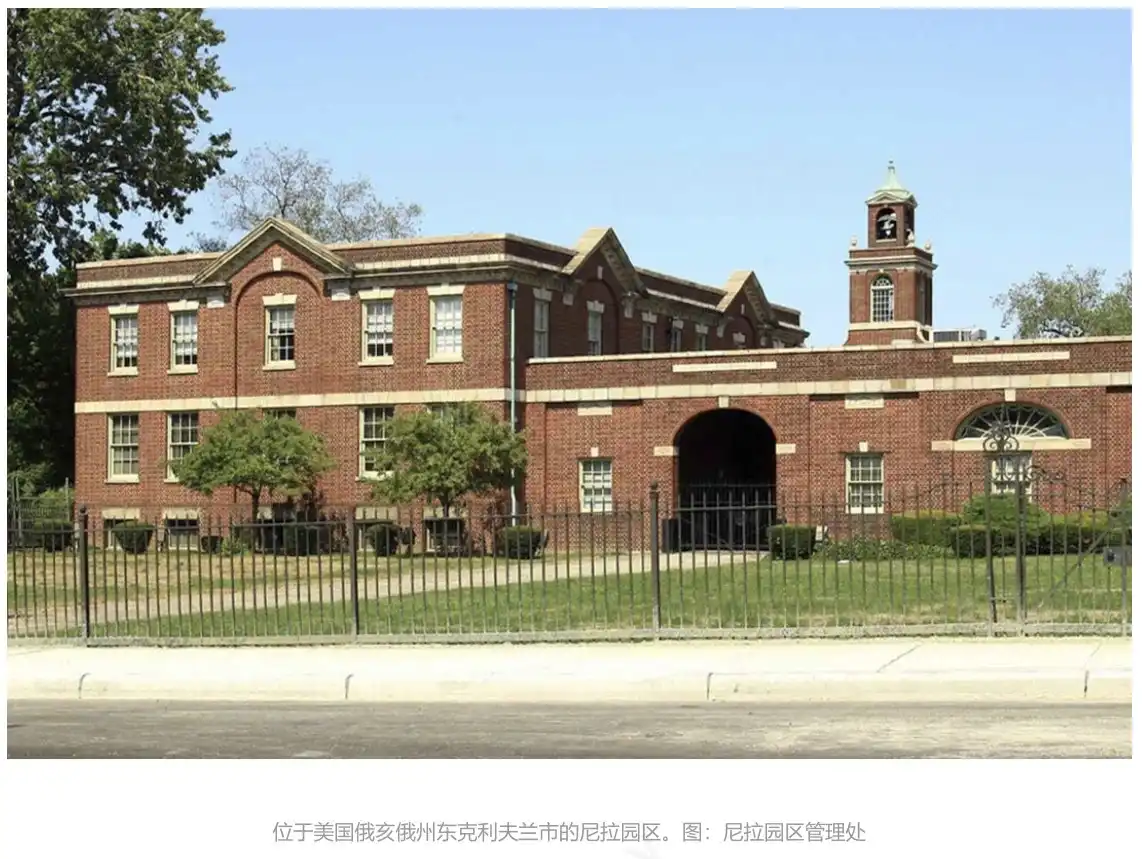
Image source: Caixin

She ultimately chose the United States as her first stop for venturing overseas. However, when she traveled across the ocean with hundreds of containers of mining machines to find a new foothold in Ohio, USA, what awaited her was an elaborately orchestrated scam.

According to Caixin, in July 2021, through an intermediary, she met Zubair Al Zubair, a man who claimed to be an "UAE royal son-in-law" and asserted control over Middle Eastern family funds and US local government resources. Zubair recommended an industrial property located in East Cleveland, Ohio, known as the Nela Park campus, claiming it could provide electricity at a low price of $0.04 per kilowatt-hour.

On August 11, 2021, inside the East Cleveland City Hall in Ohio, a seemingly formal signing ceremony took place. Witnessed by then-Mayor Brandon King and other municipal officials, Lyu Yongshuang signed her name on a cryptocurrency mining farm development contract, filled with hope. She paid $3 million to Zubair's company, "Dubai Bridge," and wired an initial $1 million from a Hong Kong account.
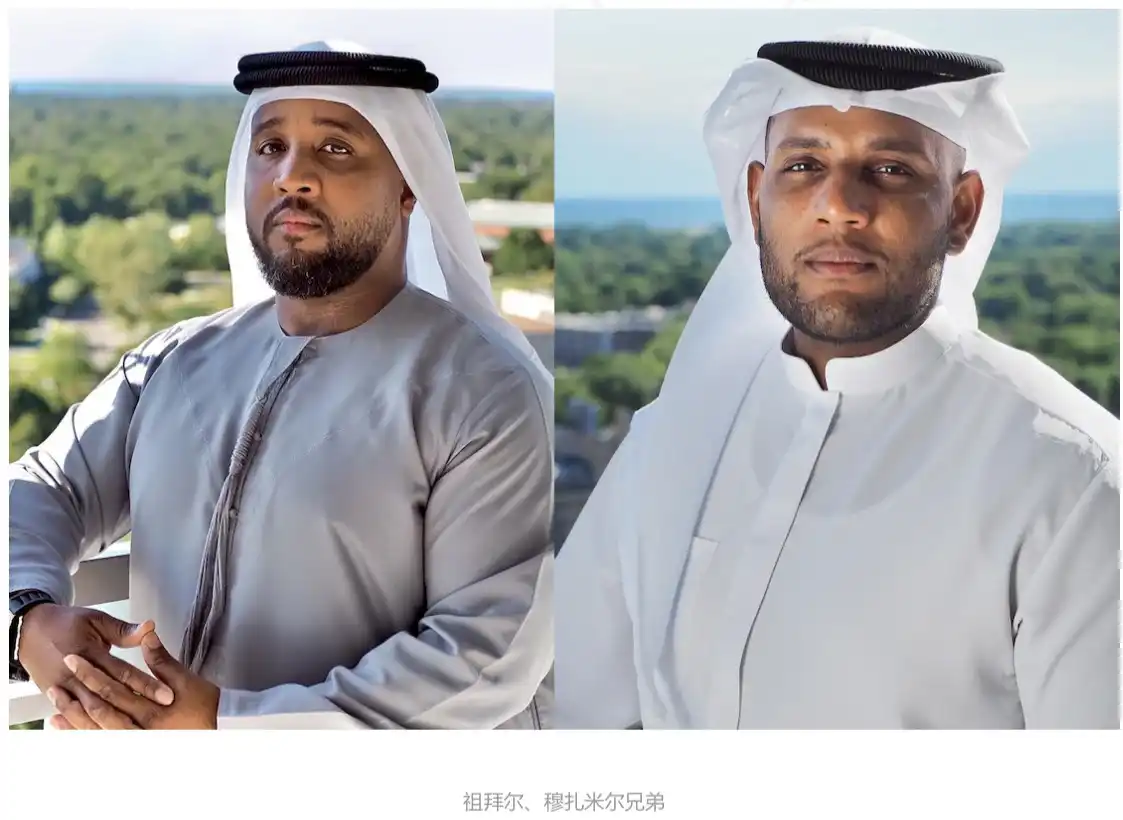
Image source: Caixin

However, this was just the beginning of an elaborately planned fraud. In reality, Zubair and his brother Muzamir were native-born Americans with no relation to any Middle Eastern royalty. The elder brother's claim of being a "son-in-law" was entirely fabricated; the younger brother's so-called "hedge fund manager" title was "self-taught" by watching YouTube videos and the TV series "Billions."

During their subsequent interactions, Zubair and Lyu Yongshuang established a "close personal relationship." In Lyu's view, this relationship was romantic in nature. Prosecutors later pointed out that such personal relationships were part of Zubair's fraud pattern, aimed at reducing the likelihood of victims questioning his claims.

The scam ultimately cost Lyu Yongshuang over $9.4 million (approximately 60 million RMB), including contract payments and later, 1,067 mining machines (sold for $6.17 million) that were defrauded by Zubair's brother and resold to Canada. That signing ceremony in the mayor's office was merely a false endorsement arranged by Zubair through bribing the mayor's chief of staff, Michael Smedley.

In May 2026, the US Department of Justice announced the sentences: Zubair was sentenced to 24 years in prison, Muzamir to 23 years, and Smedley to 8 years. Lyu Yongshuang appeared in the case under the code name "Victim 2."

Another Legal Battle Back Home

Around the same time Lyu Yongshuang was entangled in the US scam, she was also facing another legal dispute back in China, involving a lawsuit with Shanghai Jincai Network Technology Co., Ltd., a subsidiary of the A-share listed company ST Zhongchang (600242.SH).
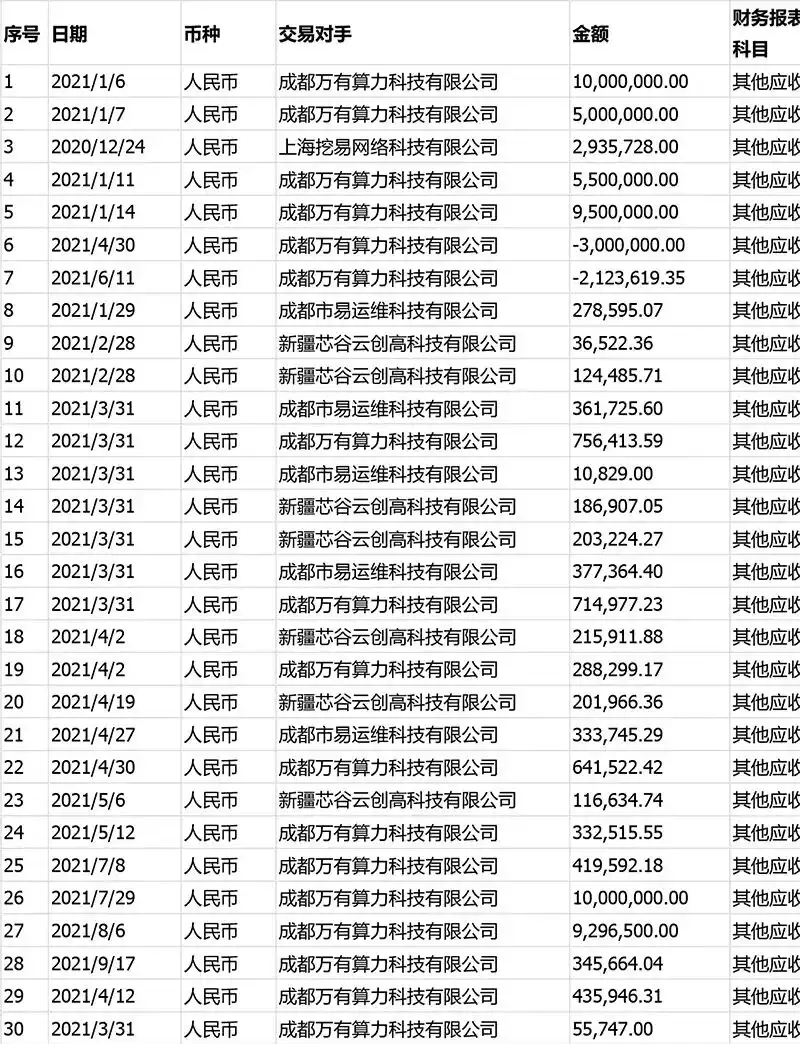
Image source: Shanghai Securities News

According to previous reports by Economic Observer and Jiemian News, the trigger for the incident was ST Zhongchang's then-chairman, Li Qunnan. Between January and September 2021, Li was suspected of misappropriating listed company funds to purchase Bitcoin mining machines and pay related hosting fees, totaling over 53.5472 million RMB. Among these, the company spent 30 million RMB purchasing servers (Bitcoin mining machines) from Chengdu Valarhash. These purchases were disclosed in the 2021 interim report as "company fixed assets used for actual operations," but audits found the related funds did not substantively form assets on the company's books.

Against this backdrop, ST Zhongchang's new management, seeking to recover losses, sued Chengdu Valarhash in the name of Shanghai Jincai in April 2022. They demanded the termination of the "Computing Power Service Contract" signed between the two parties on April 1, 2021, and the return of the contract price of 19.2965 million RMB.

In October 2022, the Chengdu High-Tech Industrial Development Zone People's Court issued a first-instance judgment: the contract was invalid because it involved Bitcoin "mining" activities, and Chengdu Valarhash was ordered to refund 19.2965 million RMB within ten days. The company appealed, but the second-instance ruling upheld the original judgment.

This lawsuit, from filing to final judgment, unfolded almost concurrently with Lyu Yongshuang's ordeal of being defrauded in the US. On one side, 9.4 million USD was lost overseas; on the other, nearly 20 million RMB in contract payments was ordered to be refunded domestically. Under this double blow, the "Crypto Mining Queen" who once controlled 9% of the global Bitcoin hashrate faced the darkest moment of her life.


Trending Cryptos

Related Questions

QWho is the subject of the article, and what was her former title and major business achievement in the cryptocurrency mining industry?

AThe subject of the article is Lu Yongshuang (Fiona Lyu). She was known as the "Mining Queen" and was the CEO of Chengdu Wanyou Hashrate Technology Co., Ltd. (Valarhash). At its peak, her mining pools, 1THash and Bytepool, jointly controlled about 9% of the global Bitcoin hashrate.

QWhat was the major regulatory change in China that significantly impacted Lu Yongshuang's business, and what was her subsequent business decision?

AIn May 2021, the Chinese government explicitly called for a crackdown on Bitcoin mining and trading. This was followed by a formal notice in Sichuan province ordering power companies to stop supplying electricity to crypto mining firms. This forced Lu Yongshuang's domestic mining operations to shut down. In response, she decided to relocate her mining operations overseas, with the United States as her first choice for expansion.

QDescribe the fraud scheme that Lu Yongshuang fell victim to in the United States. Who were the perpetrators and what was their method?

ALu Yongshuang was defrauded by two American brothers, Zubair Al Zubair and Muzamir. They fabricated identities: Zubair posed as a son-in-law of a Middle Eastern royal family with access to funds and government resources, while Muzamir impersonated a hedge fund manager. Through a bribed mayoral aide, they staged a fake contract signing ceremony for a crypto mining facility in Ohio. They swindled Lu out of over $9.4 million, including contract payments and proceeds from the subsequent sale of her mining machines.

QWhat was the outcome of the legal case against the fraudsters in the United States?

AIn May 2026, the U.S. Department of Justice announced the sentences for the perpetrators. Zubair Al Zubair was sentenced to 24 years in prison, his brother Muzamir received a 23-year sentence, and the corrupted mayoral aide, Michael Smedley, was sentenced to 8 years in prison.

QApart from the U.S. fraud case, what other major legal dispute was Lu Yongshuang involved in domestically in China, and what was the ruling?

ASimultaneously, in China, Lu's company, Chengdu Wanyou Hashrate, was sued by Shanghai Jincai Network Technology, a subsidiary of the listed company ST Zhongchang. The lawsuit sought to cancel a service contract and reclaim 19.3 million RMB paid for Bitcoin mining services. The court ruled that the contract was invalid because it involved Bitcoin "mining" activities, which were deemed illegal, and ordered Lu's company to return the 19.3 million RMB. This ruling was upheld on appeal.

Related Reads

Podcast Notes | Conversation with GSR Asset Management Head: To Determine if This Crypto Rally is Real, Just Watch the Lending Rates on Aave

Podcast Summary: Dialogue with GSR's Head of Asset Management: To Determine if This Crypto Rally is Real, Just Check Lending Rates on Aave Andy Baehr, Managing Director of Asset Management at GSR, discusses the current crypto market, characterizing it as stuck in a state of "ambivalence" with short-lived, unsustainable rallies. He outlines a simple framework: the market moves between "ambivalence" and "conviction" (sustained upward momentum). Currently, every rally resembles a single-stage rocket booster that quickly fizzles out. Baehr identifies three key signals to watch: 1) DeFi lending rates, 2) the potential passage of the CLARITY Act, and 3) the market forming a consensus on the "Fed hawkish peak." He emphasizes that the most immediate indicator for the sustainability of the recent CPI-triggered rally is the USDC borrowing rate on Aave, currently around 3.75%—close to U.S. Treasury yields. The absence of a credit spread indicates low leverage demand and a lack of market energy. He explains that a healthy, sustained rally requires layered buying pressure. Last year's rally progressed from an ETH short squeeze to crypto-native trader influx and finally to ETF inflows. Currently, this structure is missing. Other potential structural buyers like Digital Asset Treasury (DAT) companies are absent, and ETF flows have proven transient. Baehr notes that while small-cap crypto tokens outperformed large caps in Q2—a potential sign of capitation in major assets—capital is also flowing to more exciting opportunities like AI stocks and tech IPOs, leaving crypto sidelined. Regarding DeFi, he highlights that platforms like Aave provide a clear, real-time signal of leverage demand through their supply/demand-driven interest rates. A significant, sustained rate increase would signal genuine market conviction. He also observes the quiet emergence of fixed-income-like products and vaults in DeFi. On regulation, the probability of the CLARITY Act passing before the August 7th deadline has dropped linearly from 75% to below 40% on Polymarket. Baehr suggests its passage would be treated as a bullish surprise, a potent driver for price movement. However, political hurdles, including ethical clause debates and disclosures about the First Family's crypto profits, remain significant obstacles. Ultimately, the market awaits clarity on the Fed's terminal rate under Chair Warsh. Until the "Fed Solstice"—the point where the market collectively understands the peak of hawkish policy—sustained conviction will be difficult to achieve.

marsbit3m ago

Podcast Notes | Conversation with GSR Asset Management Head: To Determine if This Crypto Rally is Real, Just Watch the Lending Rates on Aave

marsbit3m ago

7 Months After the Collapse of Huiwang, Southeast Asia's Escrow Platforms Undergo a Major Reshuffle

Following the collapse of Huione Pay—dubbed the "Alipay of Southeast Asia"—seven months ago, the region's underground financial guarantee platform sector is undergoing a significant reshuffle. This power vacuum has been swiftly filled by emerging platforms such as XinBi, Tiger/Navigator, JinBei (renamed JinBo), Dali/Tiancheng, and FullyLight. These platforms, operating largely via Telegram and offering services like escrow for illicit transactions, have absorbed the vast user base and markets left behind by Huione. While positioning themselves as "trust intermediaries," their primary clientele consists of networks involved in online scams, money laundering, illegal gambling, and even human trafficking. For instance, the Tiger/Navigator platform explicitly provides "escrow" services for kidnapping-for-ransom operations ("强押车交易"). Data underscores the immense scale: Huione alone processed over $103 billion in cryptocurrency payments and facilitated over $31 billion through its escrow market before its downfall, linking it to Cambodia's notorious Prince Group. Since its collapse, competitors have seen explosive growth. For example, the XinBi platform has accumulated over $1.6 billion in total USDT revenue, while platforms like NewPay, OkPay (under Dali), and FullyLight Wallet collectively processed over $4.8 billion in USDT in a single year. This ecosystem thrives in regions like Cambodia and Myanmar, where regulatory gaps allow these platforms to act as critical financial infrastructure for sprawling cybercrime industries, from scam compounds to online casinos. The article concludes that the moniker "Southeast Asian Alipay" is a misnomer, obscuring the platforms' fundamental role in enabling serious criminal enterprises rather than representing legitimate financial innovation.

Odaily星球日报1h ago

7 Months After the Collapse of Huiwang, Southeast Asia's Escrow Platforms Undergo a Major Reshuffle

Odaily星球日报1h ago

The Changing Landscape: What Are Crypto VCs Experiencing?

Title: The Shifting Landscape of Crypto Venture Capital The era of dedicated crypto venture capital funds is undergoing a significant transformation. Once essential for navigating the sector's complexity and high risk, these specialized funds are now facing an identity crisis as the market matures. This shift mirrors historical patterns in other specialized investment classes like cleantech and SPACs, where initial information advantages dissipate as technologies become mainstream and integrated into existing industry frameworks. The article argues that crypto is reaching a critical inflection point, transitioning from a "building phase" to an "integration phase." Major players like Stripe, BlackRock, and Visa now engage with crypto not for its novel mechanics but as a foundational financial infrastructure. Their needs—regulatory compliance, banking partnerships, distribution channels—align with traditional fintech, a domain easily understood by large, generalist funds like Sequoia and Founders Fund. This evolution creates a "barbell effect" within the VC landscape. On one end are massive, diversified platforms that can incorporate crypto as one vertical among many. On the other are small, nimble funds focused on niche, experimental projects. The middle ground—medium-sized dedicated crypto funds—is being squeezed out. Their typical fund size makes it impossible to generate sufficient returns solely from early-stage crypto bets, yet they cannot compete with giants for later-stage deals. Consequently, leading crypto-native firms like Paradigm and Framework Ventures are expanding into AI, robotics, and other sectors, driven partly by LP pressure for better returns amid a broader VC DPI crisis. Others, like Dragonfly and a16z, have narrowed their crypto focus predominantly to financial infrastructure like stablecoins, reframing the sector's core narrative. For crypto entrepreneurs, this consolidation presents challenges. While generalist funds offer larger checks and broader resources, crypto projects now compete fiercely with AI for attention and capital within these firms. Furthermore, the long-term, non-commercial foundational work that built the ecosystem—funded by dedicated crypto VCs—is less likely to attract generalist capital focused on direct returns. The conclusion is that "crypto investor" as a standalone category is becoming obsolete, akin to "internet investor." Crypto is becoming a baseline infrastructure layer. The future will see a barbell structure: large-scale growth financing handled by generalist funds, while pioneering, speculative projects are funded by small, specialized vehicles. The dedicated crypto funds of the 2017-2021 boom, which incubated core infrastructure, are giving way to this new, bifurcated reality.

Foresight News1h ago

The Changing Landscape: What Are Crypto VCs Experiencing?

Foresight News1h ago

Trading

Spot

Hot Articles

What is $BITCOIN

DIGITAL GOLD ($BITCOIN): A Comprehensive Analysis Introduction to DIGITAL GOLD ($BITCOIN) DIGITAL GOLD ($BITCOIN) is a blockchain-based project operating on the Solana network, which aims to combine the characteristics of traditional precious metals with the innovation of decentralized technologies. While it shares a name with Bitcoin, often referred to as “digital gold” due to its perception as a store of value, DIGITAL GOLD is a separate token designed to create a unique ecosystem within the Web3 landscape. Its goal is to position itself as a viable alternative digital asset, although specifics regarding its applications and functionalities are still developing. What is DIGITAL GOLD ($BITCOIN)? DIGITAL GOLD ($BITCOIN) is a cryptocurrency token explicitly designed for use on the Solana blockchain. In contrast to Bitcoin, which provides a widely recognized value storage role, this token appears to focus on broader applications and characteristics. Notable aspects include: Blockchain Infrastructure: The token is built on the Solana blockchain, known for its capacity to handle high-speed and low-cost transactions. Supply Dynamics: DIGITAL GOLD has a maximum supply capped at 100 quadrillion tokens (100P $BITCOIN), although details regarding its circulating supply are currently undisclosed. Utility: While precise functionalities are not explicitly outlined, there are indications that the token could be utilized for various applications, potentially involving decentralized applications (dApps) or asset tokenization strategies. Who is the Creator of DIGITAL GOLD ($BITCOIN)? At present, the identity of the creators and development team behind DIGITAL GOLD ($BITCOIN) remains unknown. This situation is typical among many innovative projects within the blockchain space, particularly those aligning with decentralized finance and meme coin phenomena. While such anonymity may foster a community-driven culture, it intensifies concerns about governance and accountability. Who are the Investors of DIGITAL GOLD ($BITCOIN)? The available information indicates that DIGITAL GOLD ($BITCOIN) does not have any known institutional backers or prominent venture capital investments. The project seems to operate on a peer-to-peer model focused on community support and adoption rather than traditional funding routes. Its activity and liquidity are primarily situated on decentralized exchanges (DEXs), such as PumpSwap, rather than established centralized trading platforms, further highlighting its grassroots approach. How DIGITAL GOLD ($BITCOIN) Works The operational mechanics of DIGITAL GOLD ($BITCOIN) can be elaborated on based on its blockchain design and network attributes: Consensus Mechanism: By leveraging Solana’s unique proof-of-history (PoH) combined with a proof-of-stake (PoS) model, the project ensures efficient transaction validation contributing to the network's high performance. Tokenomics: While specific deflationary mechanisms have not been extensively detailed, the vast maximum token supply implies that it may cater to microtransactions or niche use cases that are still to be defined. Interoperability: There exists the potential for integration with Solana’s broader ecosystem, including various decentralized finance (DeFi) platforms. However, the details regarding specific integrations remain unspecified. Timeline of Key Events Here is a timeline that highlights significant milestones concerning DIGITAL GOLD ($BITCOIN): 2023: The initial deployment of the token occurs on the Solana blockchain, marked by its contract address. 2024: DIGITAL GOLD gains visibility as it becomes available for trading on decentralized exchanges like PumpSwap, allowing users to trade it against SOL. 2025: The project witnesses sporadic trading activity and potential interest in community-led engagements, although no noteworthy partnerships or technical advancements have been documented as of yet. Critical Analysis Strengths Scalability: The underlying Solana infrastructure supports high transaction volumes, which could enhance the utility of $BITCOIN in various transaction scenarios. Accessibility: The potential low trading price per token could attract retail investors, facilitating wider participation due to fractional ownership opportunities. Risks Lack of Transparency: The absence of publicly known backers, developers, or an audit process may yield skepticism regarding the project's sustainability and trustworthiness. Market Volatility: The trading activity is heavily reliant on speculative behavior, which can result in significant price volatility and uncertainty for investors. Conclusion DIGITAL GOLD ($BITCOIN) emerges as an intriguing yet ambiguous project within the rapidly evolving Solana ecosystem. While it attempts to leverage the “digital gold” narrative, its departure from Bitcoin's established role as a store of value underscores the need for a clearer differentiation of its intended utility and governance structure. Future acceptance and adoption will likely depend on addressing the current opacity and defining its operational and economic strategies more explicitly. Note: This report encompasses synthesised information available as of October 2023, and developments may have transpired beyond the research period.

972 Total ViewsPublished 2025.05.13Updated 2025.05.13

What is $BITCOIN

Discussions

Welcome to the HTX Community. Here, you can stay informed about the latest platform developments and gain access to professional market insights. Users' opinions on the price of BTC (BTC) are presented below.

活动图片














