Coinbase Institutional | 2026 Crypto Market Outlook: Deep Financial Integration, Innovating with Cautious Optimism

深潮Published on 2025-12-22Last updated on 2025-12-22

Abstract

Coinbase Institutional's 2026 Crypto Market Outlook presents a cautiously optimistic view, drawing parallels to 1996’s steady growth rather than 1999’s exuberance. Key themes include clearer global regulation, deeper institutional adoption focusing on specialized digital asset management (DAT 2.0), and a shift toward sustainable, revenue-linked tokenomics. Technological advances like ZKPs and FHE will enhance privacy needs, while AI integration and application-specific chains drive innovation. Tokenization, particularly of equities, offers composability and higher capital efficiency. Emerging trends include crypto-native equity perpetuals, prediction markets, and stablecoin growth—potentially reaching $1.2T by 2028—fueled by cross-border payments and settlements. The industry is integrating deeply into mainstream finance, requiring excellence in execution, compliance, and user-centric design to broaden global access.

Author:Coinbase Institutional

Compiled by: Deep Tide TechFlow

Our annual crypto market outlook delves into the various factors that will shape the crypto economy over the coming year. From detailed perspectives on BTC (Bitcoin), ETH (Ethereum), and SOL (Solana), to comprehensive analyses of regulatory dynamics, market structure, and the latest developments in tokenization, we cover all critical areas. Additionally, we provide in-depth insights into the impact of Bitcoin's four-year cycle, the potential risks posed by quantum computing, and the profound implications of major platform upgrades such as Ethereum's Fusaka hard fork and Solana's Alpenglow.

Welcome to click the link to download the full report
Highlights include:

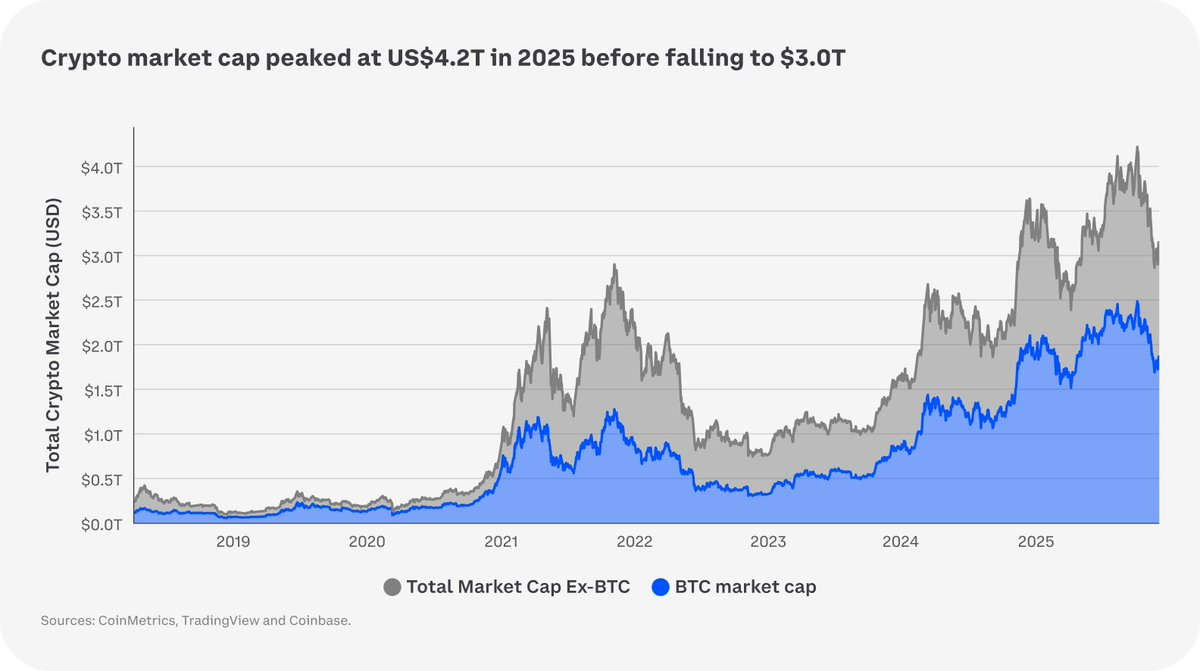
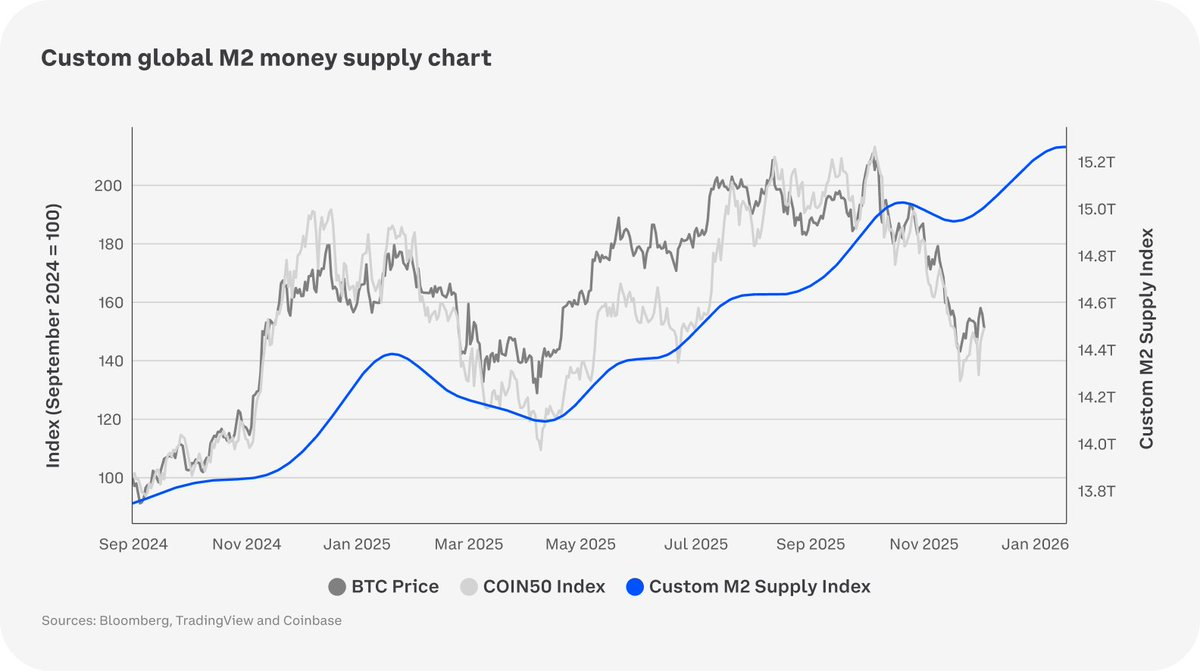
  • Cautious Optimism: We maintain a cautiously optimistic view on the resilience of the U.S. economy, believing that rising labor productivity can provide a buffer amid slowing overall economic data. Therefore, we view the crypto market in the first half of 2026 (1H26) as more akin to "1996" rather than "1999," although uncertainty remains high.
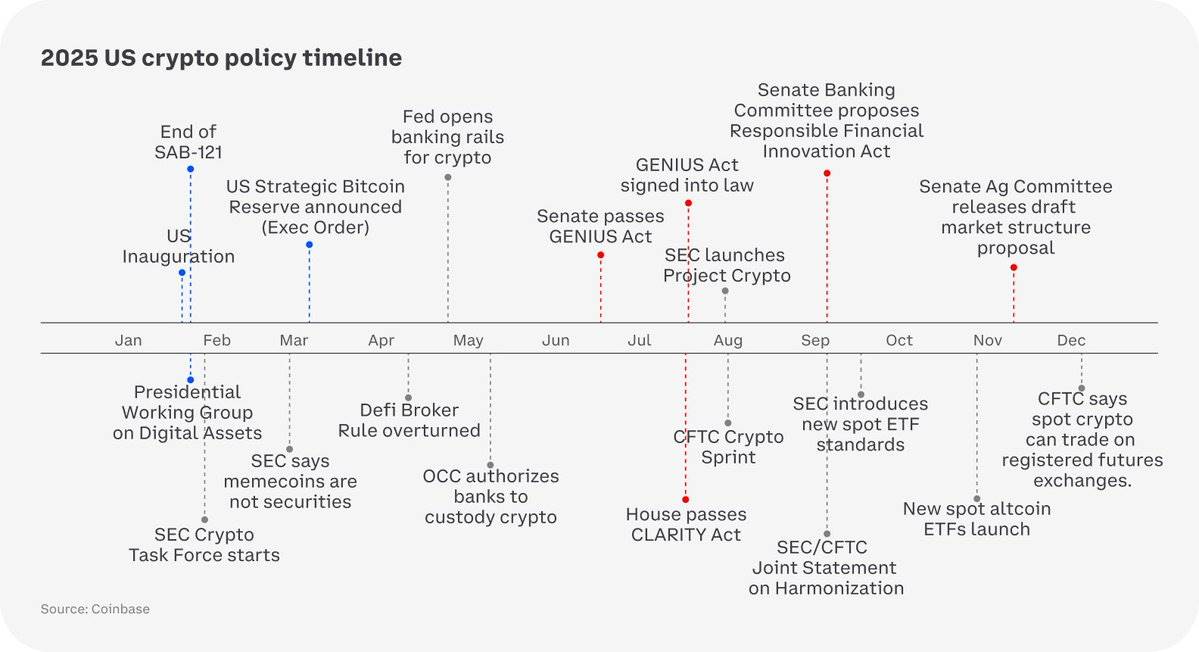
  • Regulatory Progress: We anticipate that clearer global regulatory frameworks in 2026 will change how institutions approach strategy, risk, and compliance.
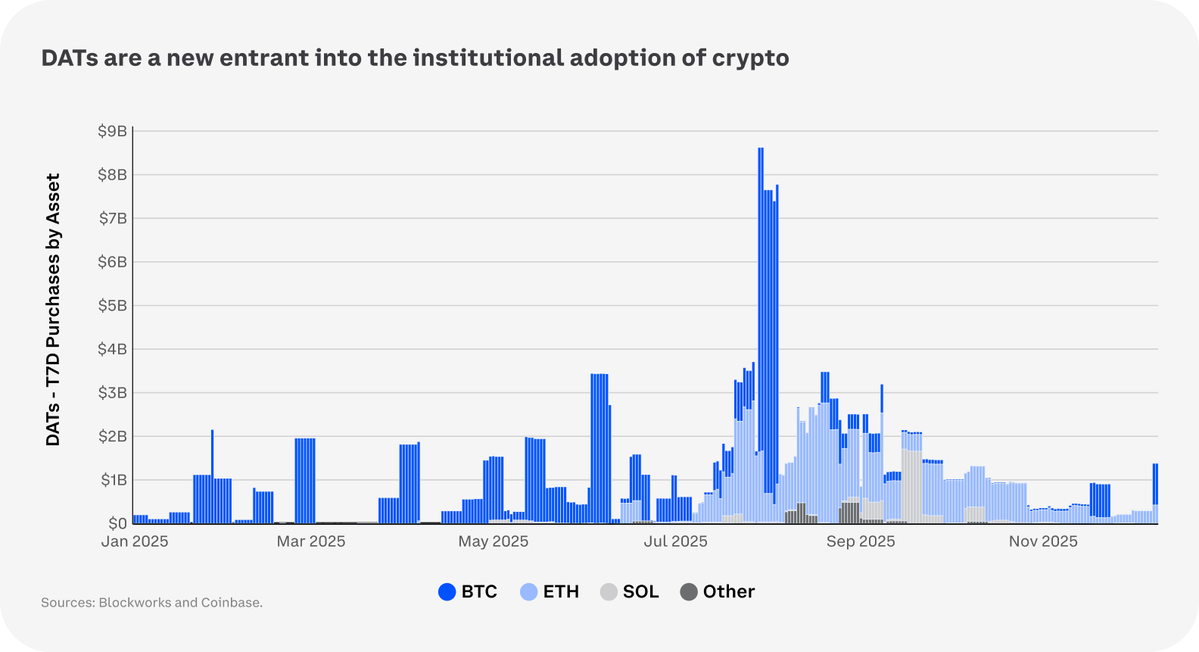
  • Institutional Adoption: We predict the emergence of a "DAT 2.0" model in 2026, which will move beyond simple asset accumulation to focus on the professional trading, storage, and procurement of sovereign block space, treating it as a critical resource for the digital economy.
  • Tokenomics 2.0: As protocols increasingly shift towards value capture, we observe an emerging transition from a purely narrative-driven, high-volatility model to a more sustainable one linked to revenue.

Technological Transformation

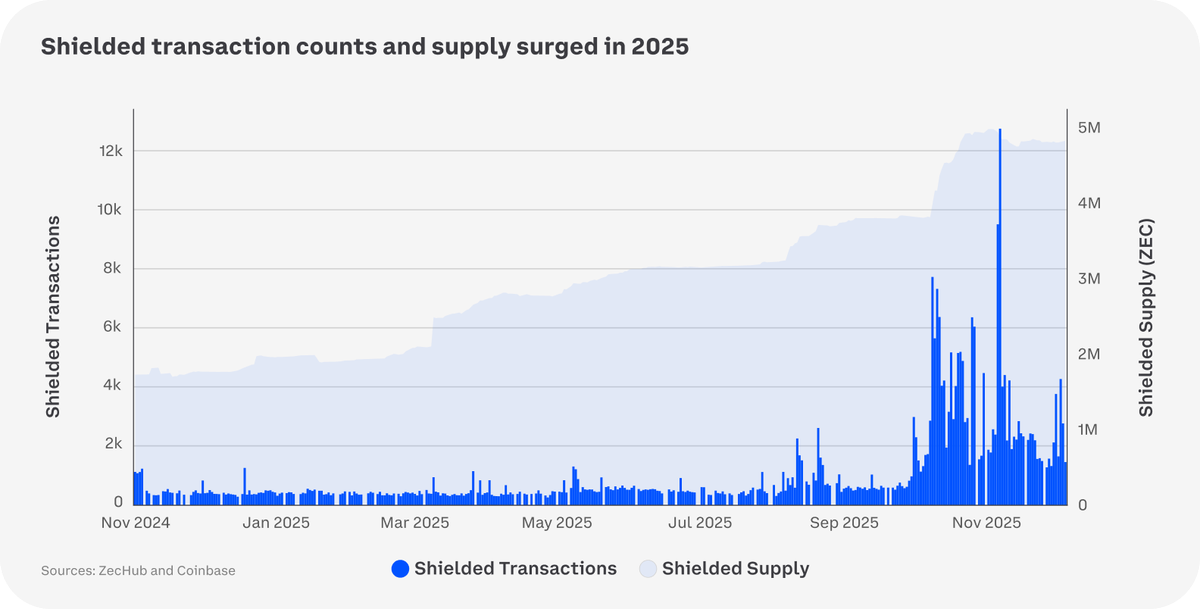
Privacy Demand: With increasing institutional adoption, we expect continued development in technologies like Zero-Knowledge Proofs (ZKPs) and Fully Homomorphic Encryption (FHE), alongside significant growth in the use of on-chain privacy tools.
AI × Crypto: Autonomous trading agent systems require open and programmable payment methods. Protocols like x402 can enable high-frequency microtransaction settlements and support intelligent agents that initiate, govern, and secure on-chain services.

Application-Specific Chains: Although the proliferation of dedicated blockchain networks is reshaping the competitive landscape of crypto infrastructure, we believe the ultimate direction will be a networked architecture with native interoperability and shared security, rather than an endless network of isolated systems.

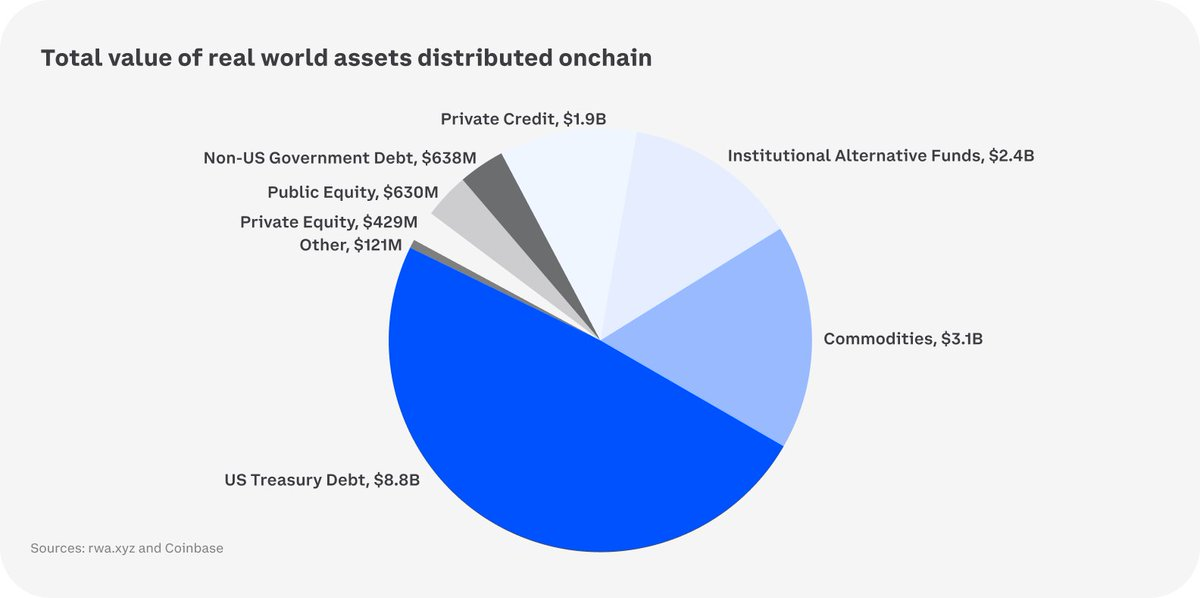
Tokenization: The advantages of atomic composability make the rapid growth prospects of tokenized stocks highly attractive. In many cases, the loan-to-value (LTV) ratios in this DeFi-style model are significantly higher than those in traditional margin frameworks.
The Next Big Trends

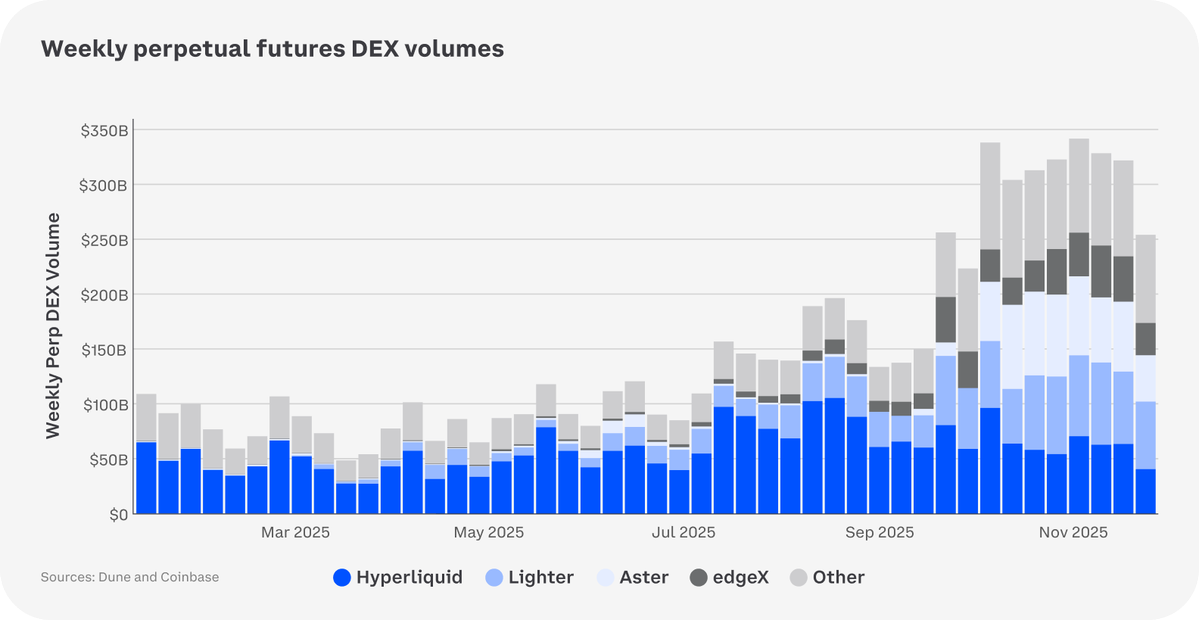
Composability of Crypto Derivatives: As the trend of global retail investors participating in U.S. stock markets continues to rise, we believe equity perpetual contracts (equity perps) could become the preferred choice for a new generation of retail traders, combining the convenience of 24/7 trading with capital efficiency.
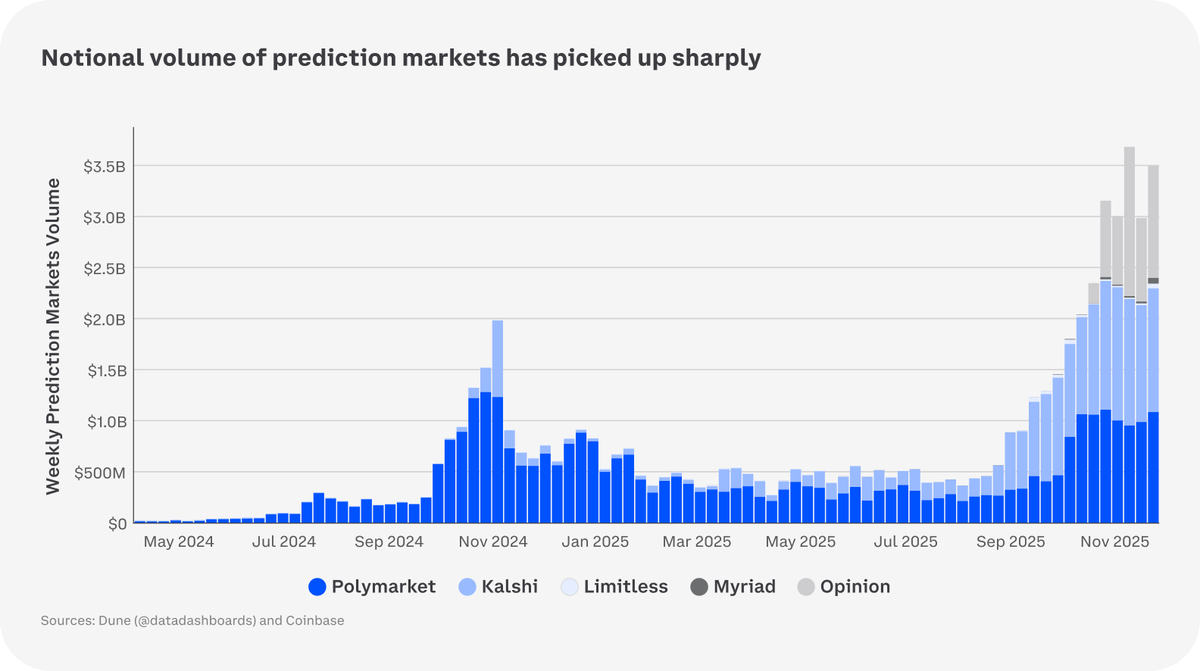
Prediction Markets: Trading volume in prediction markets is expected to grow further in 2026, potentially driven by changes in U.S. tax policy, which may attract more users to these derivatives-linked markets. We believe prediction market aggregators could become the dominant interface layer.
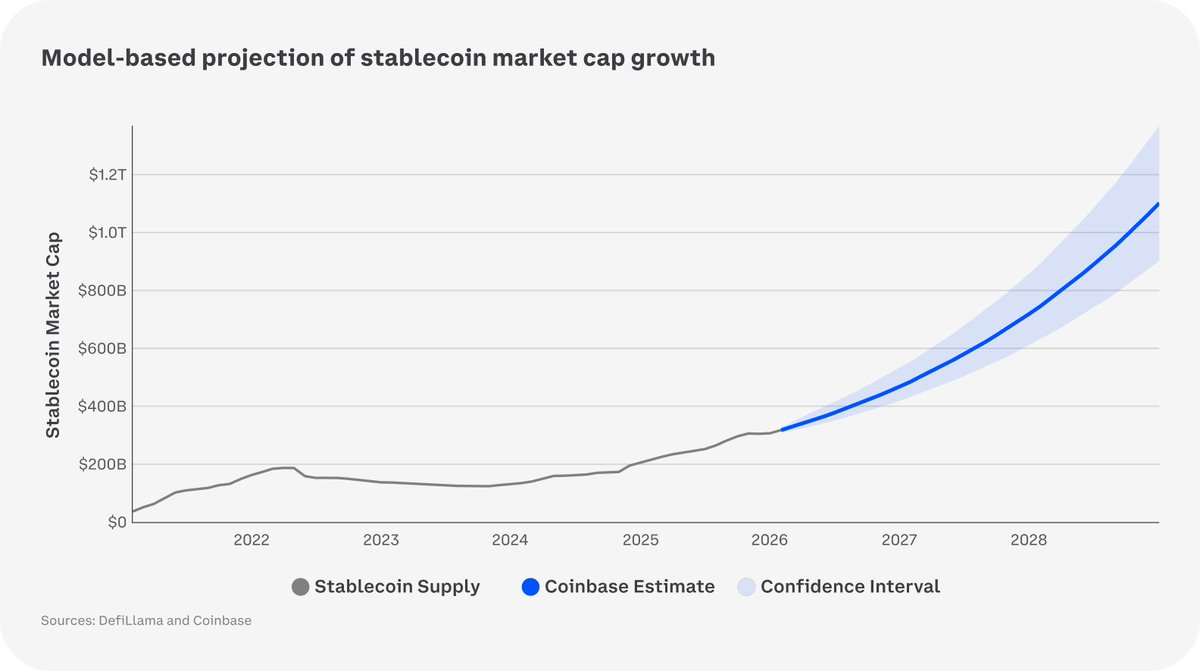
Stablecoins & Payments: Our stochastic models project that the total market capitalization of stablecoins could reach a target range of $1.2 trillion by the end of 2028. Growth is expected in emerging use cases such as cross-border transaction settlements, remittances, and payroll platforms.
We believe the crypto industry is at a critical juncture of deep integration with the core of finance. Seizing this opportunity requires excellence in execution across product quality, compliance, and user-centric design. By focusing on these areas, we can ensure that the next wave of innovation benefits everyone, everywhere, with seamless convenience.


Related Questions

QWhat is the overall market outlook for crypto in 2026 according to Coinbase Institutional?

ACoinbase Institutional holds a 'cautiously optimistic' outlook for the crypto market in 2026. They believe the resilience of the U.S. economy and rising labor productivity will provide a buffer even as broader economic data softens. They liken the first half of 2026 (1H26) more to '1996' than '1999,' indicating expectations of steady growth rather than an irrational bubble, though uncertainty remains high.

QWhat key technological developments are expected to grow with increased crypto adoption?

AWith increased institutional adoption, technologies like Zero-Knowledge Proofs (ZKPs) and Fully Homomorphic Encryption (FHE) are expected to see continued development. There will also be significant growth in the use of on-chain privacy tools to meet the demand for confidentiality.

QWhat is 'DAT 2.0' and how will it change institutional involvement in 2026?

A'DAT 2.0' refers to a new mode of institutional adoption that moves beyond simple asset accumulation. It focuses on the professional trading, storage, and procurement of sovereign block space, treating it as a critical resource for the digital economy.

QHow does the report view the future of tokenization, particularly for assets like stocks?

AThe report states that the advantages of atomic composability make the rapid growth prospects for tokenized stocks highly attractive. In many cases, the loan-to-value (LTV) ratios for DeFi-style lending in this model are significantly higher than those in traditional margin frameworks.

QWhat is the projected growth for the stablecoin market according to the report's model?

AThe report's stochastic model projects that the total market capitalization of stablecoins could reach a target range of $1.2 trillion by the end of 2028. Growth is expected in emerging use cases like cross-border transaction settlements, remittances, and payroll platforms.

Related Reads

Jensen Huang's CMU Speech: In the AI Era, Don't Just Watch, Build

Jensen Huang, CEO of NVIDIA and a first-generation immigrant, delivered the commencement address to Carnegie Mellon University's class of 2026. He shared his personal journey from a humble background to founding NVIDIA, emphasizing resilience, learning from failure, and the responsibility that comes with leadership. Huang framed the present moment as the dawn of the AI revolution, a shift he believes is more profound than previous computing waves. He described AI as fundamentally resetting computing—moving from human-written software to machines that understand, reason, and use tools. This will create a new industry for generating intelligence and transform every sector. While acknowledging AI's potential to automate tasks and displace some jobs, Huang distinguished between the *tasks* of a job and its core *purpose*. He argued AI will augment human capability, not replace humans. The real risk, he stated, is not AI itself, but people being left behind by those who effectively use AI. He presented AI as a generational opportunity for massive infrastructure investment—in chip factories, data centers, energy grids, and advanced manufacturing—that could re-industrialize nations like the U.S. and bridge the digital divide by making computing and intelligent tools accessible to all. Huang called for a balanced approach: advancing AI safely and responsibly, establishing prudent policies, ensuring broad access, and encouraging universal participation. He urged the graduates not to fear the future but to engage with optimism and ambition, reminding them of CMU's motto, "My heart is in the work." His core message was clear: this is their moment to actively build and shape the AI-powered future, not merely observe it.

marsbit57m ago

Jensen Huang's CMU Speech: In the AI Era, Don't Just Watch, Build

marsbit57m ago

The Era Has Arrived Where Human Writers Must Prove They Are Not Machines

The article describes an era where AI-generated content is flooding the market, forcing human authors to prove they are not machines. It begins with the example of dozens of AI-written, error-ridden biographies of Henry Kissinger appearing on Amazon within hours of his death, a pattern repeated for other deceased celebrities and even living experts who find fraudulent books under their names. This spam content has exploded, with monthly new book releases on platforms like Amazon reaching 300,000 by late 2025. The issue spans genres, from suspiciously high proportions of AI-written teen romance and self-help books to dangerous, AI-generated foraging guides containing lethal advice. The platforms' automated review systems, designed to catch plagiarism and banned words, are ill-equipped to detect AI-generated text that avoids these pitfalls while being nonsensical or fraudulent. The problem has infiltrated traditional publishing. A major publisher, Hachette, had to recall a bestselling horror novel after AI detection tools suggested 78% of its content was machine-generated. An acclaimed European philosophy book was later revealed to be entirely written by AI under a fake author persona. In response, authors are fighting back. At the 2026 London Book Fair, 10,000 writers published a blank book titled "Don't Steal This Book" containing only their signatures—using emptiness as a protest weapon in an age of AI overproduction. Initiatives like the "Human Author Certification" program have emerged, ironically placing the burden on humans to prove their work is not machine-made. The article warns of a vicious cycle: AI-generated low-quality books pollute the data used to train future AI models, leading to "model collapse" and an ever-worsening flood of digital waste, eroding trust in publishing and devaluing human creativity.

marsbit1h ago

The Era Has Arrived Where Human Writers Must Prove They Are Not Machines

marsbit1h ago

Trading

Spot
Futures
活动图片




